Long Term Effects of Working Night Shift: 2026 Guide
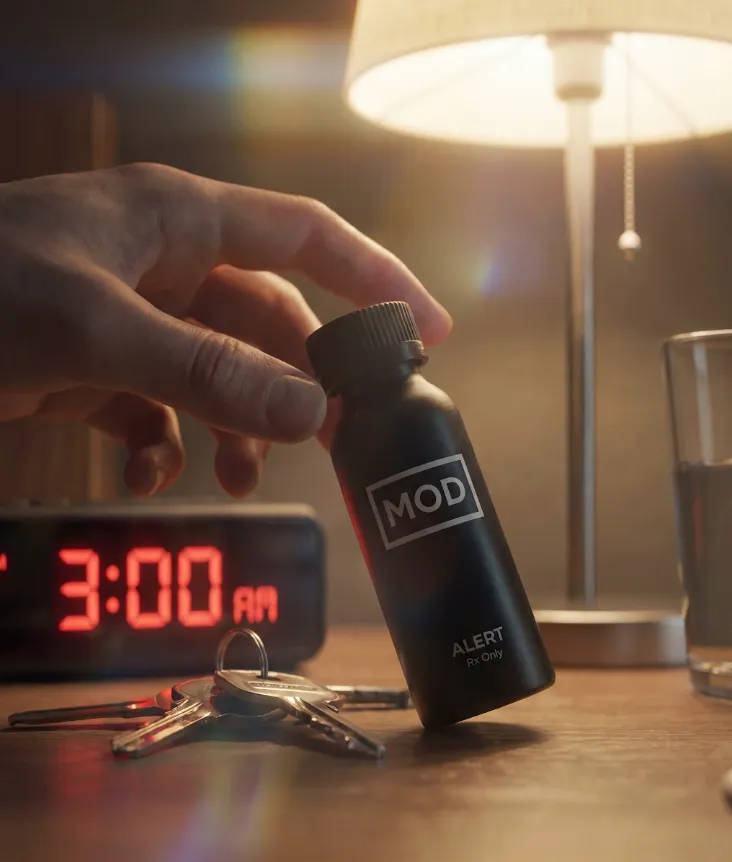
The long term effects of working night shift can include chronic short sleep, insomnia, depression, cardiovascular strain, metabolic problems, higher accident risk, and, in some studies, slightly shorter life expectancy. Those risks usually build when someone spends years working against their circadian rhythm instead of recovering from a short temporary stretch.
That does not mean every overnight worker is headed for a serious diagnosis. It does mean the pattern deserves attention when your body spends years sleeping, eating, and staying alert at the opposite time from its internal clock. This guide covers what the evidence says and what night-shift workers can do to protect their health.
Key Takeaways
- About 20% of the full-time U.S. workforce participates in some form of shift work, so this is a common exposure, not a niche problem.
- Sleep disruption is usually the first warning sign: in older CDC/NIOSH reporting, 61.8% of night-shift workers reported short sleep duration versus 35.9% of daytime workers.
- The long term effects of working night shift extend beyond fatigue and are linked with higher cardiovascular, metabolic, and mental-health risk in long-exposure workers.
- A review cited in PMC reports coronary heart disease morbidity is 26% higher in shift workers than day workers.
- A UK Biobank-based analysis cited in PMC linked shift work with a 22% higher risk of depression and a 16% higher risk of anxiety.
- OSHA says accident and injury rates are 30% greater during night shifts than during day shifts, so sleepiness is also a safety issue.
Why Does Night Shift Get Harder Over Time?
Night shift usually feels harder over time because repeated circadian disruption affects sleep, mood, appetite, recovery, and alertness at once. You are exhausted but cannot sleep deeply, your mood is shorter, your appetite is off, and your days off stop feeling restorative.
What the Long Term Effects of Working Night Shift Include
These long-term effects show up across sleep, heart health, metabolism, mood, cancer risk, safety, and sometimes longevity when exposure lasts for years. In practice, that usually means chronic sleep disruption, higher cardiometabolic and mental-health risk, more mistakes and injuries, and a greater chance that persistent fatigue turns into Shift Work Sleep Disorder (SWSD).
Long-Term Effects of Working Night Shift by Body System
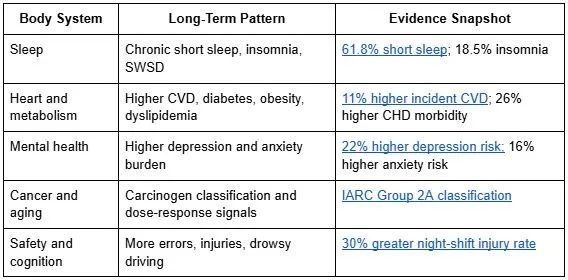
What ties those categories together is cumulative circadian disruption.
How Does Night Shift Disrupt Sleep and Circadian Rhythm?
Night shift work disrupts sleep by forcing alertness during the biological night, when your circadian clock is trying to trigger sleep and recovery. You get alerting signals during the night, then try to sleep through daylight, noise, and normal life demands. In older CDC/NIOSH reporting, 61.8% of night-shift workers reported short sleep duration compared with 35.9% of daytime workers. The same source says 18.5% reported insomnia versus 8.4% of daytime workers.
An NCBI chapter reports that 14% of night workers met shift work disorder criteria in one U.S. study. A broader meta-analysis cited in PMC estimated SWSD prevalence at 26.5% across 29 studies in 16 countries. For many people, a repeatable sleep window is still the first lever worth fixing.
Heart and Metabolic Risks of Working Night Shift
One of the clearest long term effects of working night shift is higher cardiovascular and metabolic risk, and that risk tends to climb with cumulative years on nights.
A UK Biobank-based report cited in PMC associated shift work with an 11% higher risk of incident cardiovascular disease. Another review cited in PMC reports coronary heart disease morbidity is 26% higher in shift workers than day workers. That review also found risk rising 7.1% for every additional 5 years of shift-work exposure after the first five years. A 17-year U.S. cohort study of 3,201 young adults linked night-shift exposure with obesity, hypertension, diabetes, and hyperlipidemia outcomes.
In practical terms, this is why it is important to track blood pressure, weight, glucose, and cholesterol earlier if you have been on nights for years.
Does Working Night Shift Reduce Life Expectancy?
Among these health effects, a possible reduction in life expectancy gets attention because it reflects the cumulative burden of years on nights.
A prospective cohort study found that usual night-shift workers lost 0.94 years of life expectancy at age 45. In the same QJM paper, workers also showed a 0.83-year loss at age 65 compared with daytime workers.
That does not predict any one person's outcome. It does suggest that 10, 20, or 30 years on nights is a different exposure category than a short temporary stretch.
Psychological Effects of Working Night Shift
The psychological effects of working night shift are often the first ones people feel. They can include depression, anxiety, irritability, emotional exhaustion, and the social wear-and-tear that comes from living on the opposite clock from other people.
Poor sleep alone can lower stress tolerance. The UK Biobank-based report cited above associated shift work with a 22% higher risk of depression and a 16% higher risk of anxiety. UCLA Health cites research involving more than 175,000 people showing higher depression and anxiety risk, with risk rising as shift frequency increases.
If your mood feels meaningfully different from baseline, it is worth treating that as a schedule-related health signal, not a character flaw.
Cancer Risk Linked to Long-Term Night Shift Work
Long-term night shift work is linked to cancer risk strongly enough that IARC classifies night shift work as probably carcinogenic to humans.
IARC classified night shift work as Group 2A, "probably carcinogenic to humans," based on limited human evidence plus stronger mechanistic and animal evidence. A 2024 dose-response meta-analysis on female breast cancer estimated a pooled risk ratio of 1.0425 after 10 years. It estimated 1.0867 after 20 years and 1.1328 after 30 years of night-shift exposure.
Cumulative exposure matters here too.
Why Night Shift Raises Accident and Error Risk
Night shift raises accident and error risk because fatigue slows reaction time, narrows attention, and increases the odds of missing hazards.
A CDC/NIOSH training resource says night-shift accidents and errors rise by 28%, while evening-shift errors rise by 15%. OSHA says accident and injury rates are 18% greater during evening shifts and 30% greater during night shifts than during day shifts. OSHA also notes that each extended shift scheduled in a month increased medical residents' monthly commute-crash risk by 16.2%.
In other words, fatigue is not just a comfort problem. It is a safety problem.
When Night Shift Fatigue Becomes Shift Work Sleep Disorder
Night shift fatigue becomes Shift Work Sleep Disorder when schedule-linked insomnia and excessive sleepiness keep returning and start impairing work, safety, or daily life.
Not every tired night worker has SWSD. The pattern is what matters. You cannot sleep well when you have the chance, and you cannot stay alert when you have to function.
The evidence base in the brief shows how common it is. Fourteen percent of night workers met shift work disorder criteria in one U.S. study, and pooled prevalence estimates run higher in broader international samples.
Treatment can include sleep scheduling, light management, strategic naps, melatonin timing, and medication when a clinician thinks it fits your case. The active ingredient modafinil is FDA-labeled to improve wakefulness in adults with excessive sleepiness associated with Shift Work Disorder. It is a non-amphetamine wakefulness-promoting agent, and it is important to ask a clinician about formal SWSD criteria and whether treatment makes sense for your case.
Treatment and Support Options for Night Shift Fatigue
If your symptoms are starting to pile up, it helps to think in lanes instead of looking for one fix.
Lifestyle and schedule changes
Best for workers with mild to moderate fatigue who are still functioning well. The core moves are a stable sleep window, blackout sleep conditions, earlier caffeine cutoffs, and smart light exposure. These habits are low cost and low risk, but they may not be enough once sleepiness starts affecting performance or safety.
Melatonin and clinician-guided sleep timing
Best for workers who can fall asleep only after a long delay or who keep shifting back and forth between day and night schedules. This route can help with circadian timing, but it still requires consistency and may not solve on-shift sleepiness by itself.
Telehealth prescription options
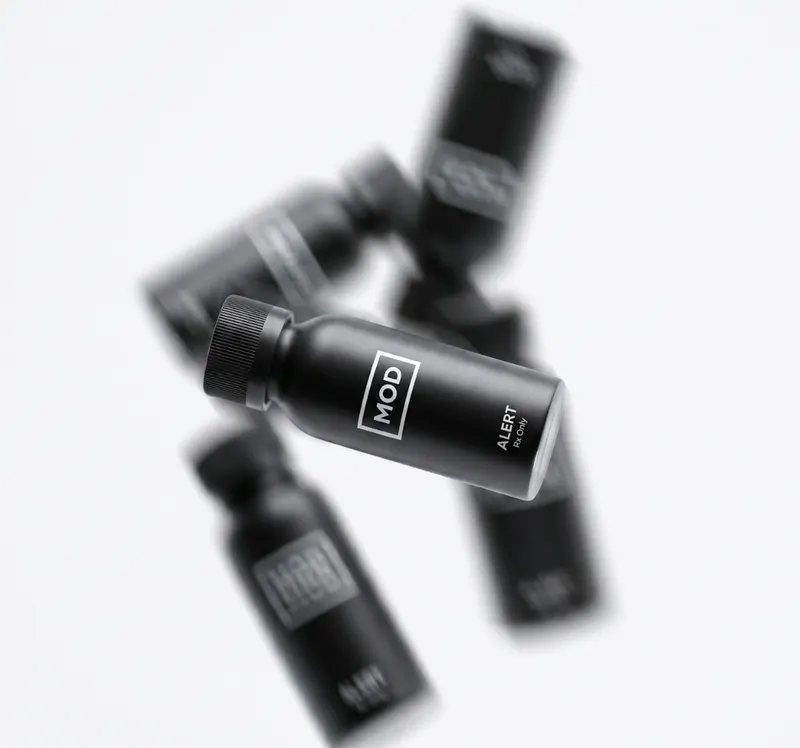
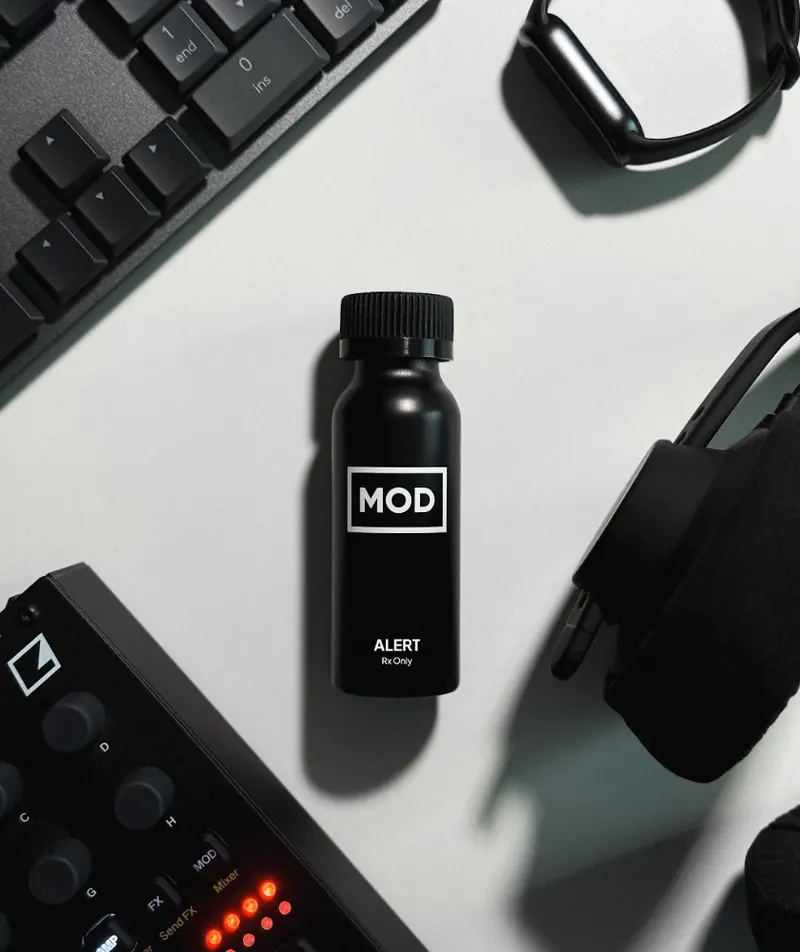
Best for workers whose fatigue looks more like SWSD than normal tiredness, especially when alertness on shift has become the main problem. MOD offers compounded prescription drink options for shift-work-related wakefulness support. MOD Alert combines 150 mg modafinil with caffeine for sustained wakefulness. They follow a telehealth prescription workflow: online intake, provider review, and home delivery.
Prescription-strength help brings real screening requirements and real side effects. It is not a substitute for diagnosis. These products are compounded medications, not FDA-approved products. Potential side effects of modafinil can include headache, nausea, nervousness, and insomnia.
How Can You Reduce Night Shift's Long-Term Effects?
You can reduce the long term effects of working night shift by protecting sleep first, reducing circadian whiplash, and treating persistent sleepiness early. These are the highest-yield habits:
- Keep your sleep window as consistent as possible, even on days off.
- Use blackout curtains, earplugs, and a cool bedroom to make daytime sleep easier.
- Cut caffeine late in the shift so it does not sabotage your main sleep block.
- Eat most of your calories before the shift and after waking, not in one heavy 3 a.m. meal.
- Track blood pressure, weight, and glucose if you have been on nights for years.
- Seek evaluation if you are sleeping enough hours but still cannot stay alert on shift.
Best Practices to Start With
Consistency matters more than heroic recovery days. Bright light early in the shift and less light on the way home can make daytime sleep easier.
Common Mistakes That Make Night Work Harder
The most common mistake is trying to push through for months instead of treating fatigue as health data. Other common mistakes are using caffeine too late, flipping completely back to a daytime schedule on every day off, and driving home severely sleepy.
When to See a Doctor
Talk to a clinician when your night-shift pattern starts causing near-miss accidents, drowsy driving, blood pressure or glucose changes, or persistent sleepiness. Seek urgent care for chest pain, severe shortness of breath, or sudden neurologic symptoms.
Final Verdict
There is no single answer that fits every night worker. The right move depends on how severe the pattern has become, and the long term effects of working night shift usually get worse when you keep treating them as temporary.
MOD is designed for shift workers who need provider-reviewed support when fatigue, sleepiness, and schedule misalignment start affecting work, recovery, or safety. If lifestyle changes are enough, start there. If you are sleeping when you can but still cannot stay alert on shift, it may be time to ask whether Shift Work Sleep Disorder fits your pattern and whether a prescription option makes sense.
MOD offers compounded prescription options through a telehealth workflow, with clinician review before treatment. MOD Alert is built around modafinil plus caffeine for sustained wakefulness. These medications are not substitutes for sleep, diagnosis, or medical care, but they may be a practical next step for people whose night-shift fatigue keeps breaking through.
Frequently Asked Questions
What are the health risks of working night shift?
The health risks of working night shift center on sleep loss, circadian disruption, cardiometabolic strain, mood changes, cancer risk signals, and higher accident risk. The concern is not one rough week of nights. The concern is years of repeated sleep disruption, irregular meals, limited recovery, and alertness demands during the biological night.
How does night shift work affect your health long term?
Night shift work affects your health long term by repeatedly forcing sleep, meals, light exposure, and alertness to happen at the wrong biological time. Over time, that mismatch can raise the odds of insomnia, cardiovascular disease, metabolic problems, anxiety, depression, and work-related errors, especially when recovery sleep stays incomplete.
Does working night shift reduce life expectancy?
Working night shift may reduce life expectancy for some people when years of overnight exposure accumulate. The strongest recent cohort data found a modest life-expectancy loss in usual night-shift workers. That does not predict any one person's outcome, but it does support treating long-term night work as a real health exposure.
What is Shift Work Sleep Disorder?
Shift Work Sleep Disorder is a circadian-rhythm sleep disorder in which your work schedule causes ongoing insomnia, excessive sleepiness, or both. The difference from normal tiredness is persistence: symptoms keep returning because your sleep window and job hours stay biologically out of sync, even when you are trying to sleep.
How can night shift workers protect their health?
Night shift workers protect their health best by keeping a stable sleep window, controlling light exposure, tracking key health markers, and getting evaluated early when sleepiness affects work or safety. If fatigue continues despite strong sleep habits, it is important to ask a clinician whether SWSD or another sleep disorder may be involved.
This article is provided for informational purposes only and does not constitute medical advice. The information presented is not a substitute for professional medical advice, diagnosis, or treatment. Always consult your healthcare provider to discuss the risks, benefits, and appropriateness of any treatment.
MOD offers access to healthcare providers who may prescribe compounded medications for the treatment of excessive daytime sleepiness associated with shift work sleep disorder (SWSD), when clinically appropriate.
The featured products include compounded medications that have not been approved by the FDA. Compounded medications may be prescribed under federal law but are not the same as, nor are they generic versions of, any FDA-approved medication. The FDA does not review compounded medications for safety, effectiveness, or manufacturing quality of compounded products. A prescription will only be written if deemed appropriate after the digital consultation by the licensed medical provider. Individual results may vary.
MOD is not a compounding pharmacy but a telemedicine service that links patients to licensed medical providers.