What Is Shift Work Sleep Disorder? How MOD Can Help
Picture this: It’s 4 AM. The world is asleep, but you’re grinding through another night shift, fueled by caffeine and sheer willpower. By the time you get home, the sun is rising, your neighbors are waking up, and you’re supposed to sleep—but your brain has other plans. Sound familiar?
If you’re constantly exhausted despite getting some sleep, you’re probably dealing with shift work sleep disorder (SWSD)—a condition that wrecks your energy, messes with your mood, and makes you feel like a zombie with a to-do list.
But don’t worry—there’s a way to fight back.
Below, we will explore the details of this condition, discuss common symptoms, identify who it affects, and provide tips to help you get back on track.
Plus, we’ll explore the unique solutions MOD.com offers to treat shift work sleep disorder without the hassle of traditional prescription medications. Read on to learn more.
Key Takeaways
- Shift work sleep disorder disrupts sleep patterns, causing chronic fatigue, poor focus, and increased health risks.
- Shift workers in healthcare, transportation, and law enforcement are particularly vulnerable.
- Quick fixes like caffeine and sleeping pills don’t address the root problem—circadian rhythm misalignment.
- Light therapy, sleep hygiene, and Modafinil-based solutions can help regulate sleep and improve wakefulness.
- MOD offers prescription-strength energy solutions tailored for shift workers, providing sustained alertness without crashes.
What is Shift Work Sleep Disorder?
Some shift workers might be surprised to find out that shift work sleep disorder is a real medical condition, caused by alterations in the sleep-wake cycle from working shift work schedules that cause excessive sleepiness. It belongs to a class of conditions called circadian rhythm sleep disorders, which are sleep disorders caused by circadian misalignment between the body's internal clock and the external environment.
Essentially, this condition happens when your work schedule doesn’t match your body’s natural sleep-wake cycle (AKA circadian rhythm). Your circadian rhythm is the way the body is naturally wired to sleep at night and be awake during the day over a 24-hour period. Constantly flipping this schedule can disrupt sleep, and the body may struggle to keep up, resulting in excessive sleepiness.
According to the Diagnostic and Statistical Manual of Mental Disorders, to be diagnosed with shift work sleep disorder, you need to have:
- Ongoing sleep problems caused by your work schedule throwing off your body’s natural circadian rhythm.
- Insomnia (trouble falling or staying asleep) or feeling overly tired even when you sleep.
- Sleep issues that mess with your daily life—whether it’s struggling at work, feeling out of it in social situations, or just not functioning like you normally would.
This disorder doesn’t only impact night shift workers. It can also impact those who work rotating shifts, early morning hours, multiple jobs, or demanding work schedules.
Who does SWSD impact?
In the United States, up to 20% of employed individuals meet the definition of shift workers, which means a portion of their shift occurs between 7:00 PM and 6:00 AM. Rates are particularly high for service workers, law enforcement, and healthcare workers.
Common professions that are impacted by SWSD include:
- Chefs, bartenders, bakers, waiters, and servers
- Cashiers and telemarketers
- Farm workers and fishers
- Ship captains, train conductors, and crew members
- Construction workers and highway maintenance
- Airline pilots, copilots, and flight attendants
- Nurses, physicians, and other healthcare workers
- Police officers, detectives, corrections officers, and firefighters
- Ambulance drivers, emergency medical technicians, and attendants
- Military personnel such as special forces officers, enlisted tactical operations, air/weapon specialists, and crew members
This list is not exhaustive, and many other professions can be impacted by this condition.
Symptoms of SWSD
Although symptoms can vary from person to person, common symptoms of SWSD to be aware of include:
- Feeling drained, no matter how much you sleep
- Trouble focusing (brain fog)
- Increased mistakes and slower reaction times
- Mood swings, irritability, and depression
- Constant battle between exhaustion and the need to stay alert
If you experience these symptoms and work shifts, you might be suffering from SWSD and should contact a healthcare provider to discuss treatment options.
Repercussions of SWSD
Shift work sleep disorder isn’t just exhausting—it’s a serious health risk.
Drowsy driving is a major concern, with sleep deprivation impairing reaction time and decision-making, leading to thousands of accidents each year. According to research, SWSD has the highest risk of crashes among sleep disorders.
SWSD is also linked to a higher risk of alcohol and substance use, as many shift workers turn to stimulants to stay awake or alcohol to help them sleep, creating a dangerous cycle.
Beyond that, SWSD increases the risk of chronic health conditions like cardiovascular disease, obesity, diabetes, and mental health issues such as anxiety and depression.
Poor sleep can also lead to workplace accidents, reduced focus, and costly mistakes, particularly in high-risk jobs like healthcare, construction, and transportation.
Treating SWSD isn’t just about improving your sleep—it’s about protecting your health, safety, and long-term well-being.
Why the Usual Fixes Don’t Work
If you’ve tried to power through SWSD, you’ve probably experimented with caffeine overload, sleeping pills, or power naps.
- Caffeine works temporarily, but the crashes hit hard, and tolerance builds fast.
- Sleeping pills can knock you out, but they don’t guarantee restorative sleep and often leave you groggy.
- Power naps can help, but they’re rarely enough to sustain alertness for an entire shift.
These quick fixes don’t address the core problem: your circadian rhythm is out of sync, and your body isn’t getting the wakefulness signals it needs at the right time.
How to Fix It
Instead of just surviving your shifts, sleep medicine specialists recommend implementing strategies that actually work.
1. Practice Good Sleep Hygiene & Prioritize Sleep Quality
Your sleep environment plays a major role in how well you rest. Using blackout curtains can trick your brain into thinking it’s nighttime, while blue light-blocking glasses before bed can minimize screen disruption. Sticking to a consistent sleep schedule, even on days off, helps reinforce your body’s sleep-wake cycle.
2. Use Bright Light Exposure & Therapy
Bright light therapy in the evening can help night shift workers stay awake longer, while light avoidance (such as wearing dark sunglasses when you come out of work in the morning) can help minimize the sunlight’s alertness-promoting effects to improve daytime sleep. Light is one of the biggest cues for the body’s sleep-wake cycle, and manipulating exposure can help realign it with a shift work schedule.
3. Rethink Energy Drinks
Energy drinks might provide a quick boost, but they come with several downsides. Research shows that while they can temporarily improve alertness, they also reduce total sleep time and worsen sleep quality. Over time, they lead to dependence as caffeine tolerance builds.
4. Consider Prescription Medications
When lifestyle changes aren’t enough, prescription medications that promote wakefulness, like Modafinil, can be game-changers. Research has shown that Modafinil significantly improved shift workers' alertness after three months of use. It also reduced mistakes, improved reaction time, and even lowered the risk of accidents.
Unlike traditional stimulants, Modafinil has a lower risk of dependency when taken correctly and won’t interfere with sleep if timed properly.
MOD Alert: A Prescription Solution for SWSD
MOD.com offers MOD Alert, which contains the active ingredient Modafinil, a prescription medication used for treating SWSD.
Modafinil has been clinically proven to reduce excessive sleepiness in shift workers. By boosting dopamine and histamine (brain chemicals that keep you awake, focused, and performing at your best), MOD.com can help you banish brain fog, sleepiness, and bad mood and transform dreaded shifts into smooth sailing ones.
MOD.com takes the original Modafinil (Provigil) a step further by compounding this active ingredient into prescription-strength drinks combined with caffeine. Their compounded solutions are designed specifically for busy shift workers struggling with shift work disorder.
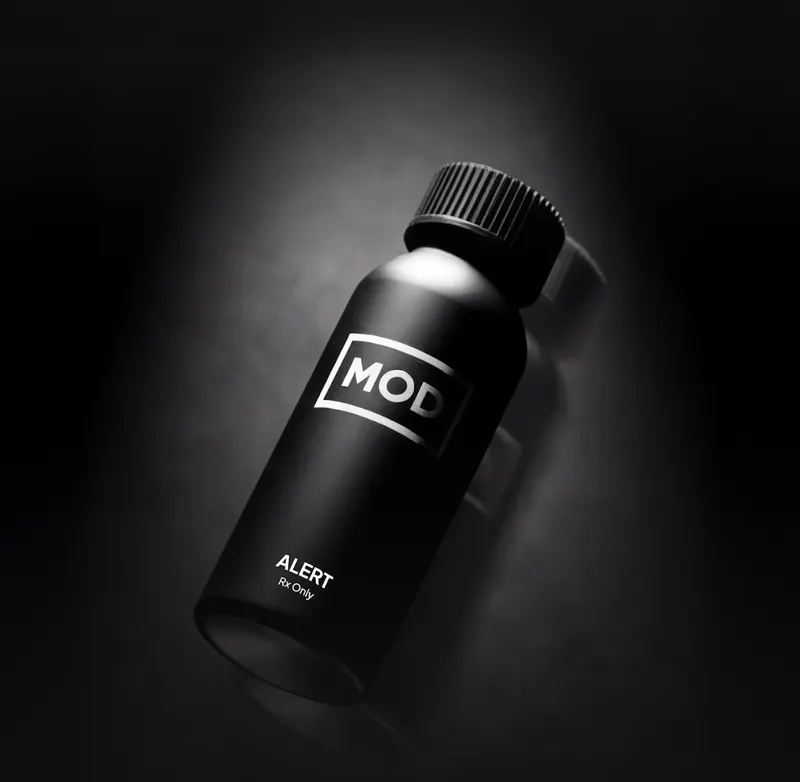
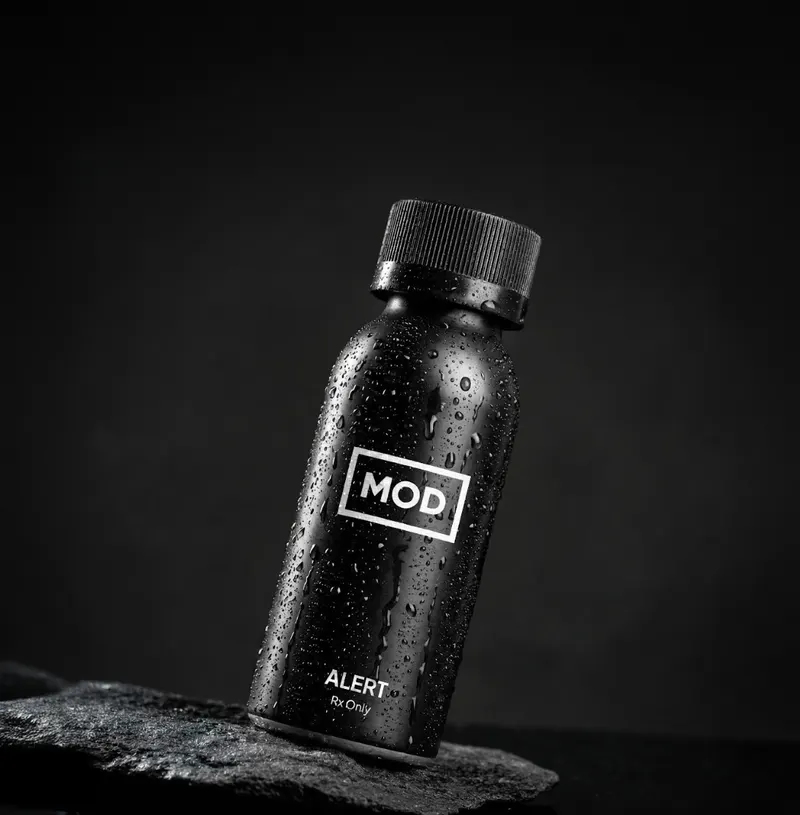
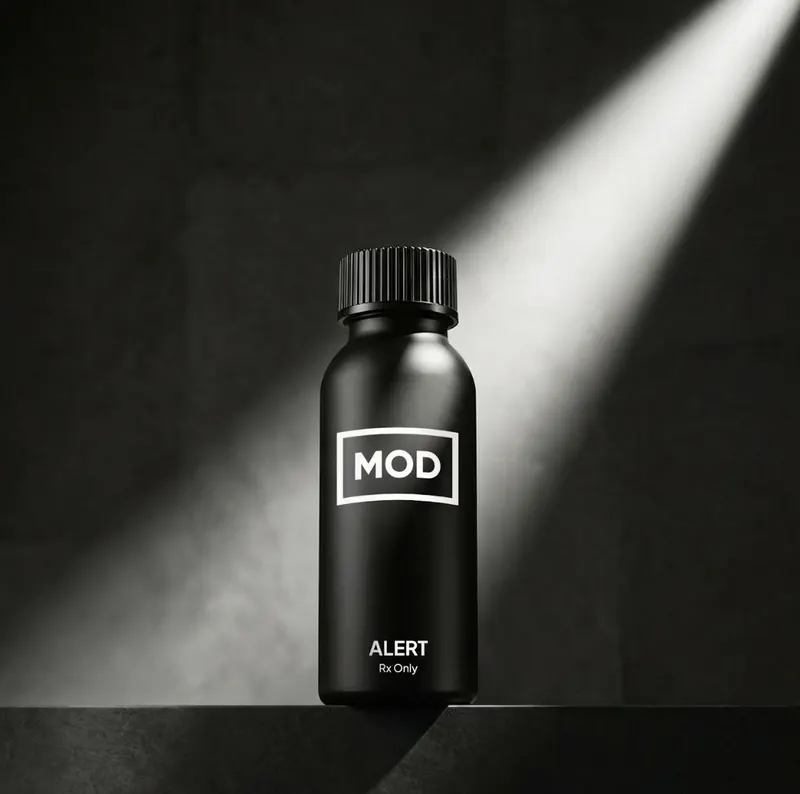
Its convenient liquid formulation, which comes in a sleek black bottle, makes taking it on the way to your shift simple. No need for clunky prescription bottles, water, or swallowing pills.

Final Thoughts
Shift work sleep disorder isn’t an inconvenience—it’s a serious condition that impacts energy, health, and overall quality of life. Traditional fixes, such as caffeine, naps, and sleeping pills, only offer temporary relief without addressing the underlying issue: circadian rhythm disruption.
If you’re struggling to stay awake during shifts or constantly battling exhaustion, it’s time to take control. Whether through sleep hygiene improvements, light therapy, or prescription solutions like MOD Alert, effective treatments are available to help you perform at your best.
Don’t settle for struggling through another shift—take the necessary steps to get back to thriving.
How To Get MOD Alert
Getting a prescription for MOD Alert is a streamlined, simple process, designed for busy shift workers like you.
To find out if you are a candidate for Modafinil therapy, head over to MOD.com, choose your preferred plan, and complete an online medical intake form. After that, a medical provider will review your information and, if everything checks out, prescribe your chosen MOD.com plan. Then, it’ll be shipped right to your door.
Forget about long waits for doctor's appointments or any hidden fees—MOD.com aims to provide a seamless experience from start to finish. With plans starting at $98/month, MOD.com makes treatment for shift work sleep disorder accessible for everyone.
Plus, there’s no obligation; you can easily cancel or change your plan at any time.
Ready to boost your energy and focus? Click here to discover all the plan options available at MOD.com.
FAQs
What is shift work sleep disorder (SWSD)?
SWSD is a sleep disorder caused by working non-traditional hours, leading to excessive sleepiness, insomnia, and chronic fatigue due to a misaligned circadian rhythm. Up to 20% of employed individuals meet the definition of shift workers, which means a portion of their shift occurs between 7:00 PM and 6:00 AM.
Who is most at risk for shift work sleep disorder?
Night shift workers, rotating shift workers, and those in high-demand jobs like healthcare, law enforcement, and transportation are at the highest risk of developing shift work sleep disorder. Anyone working a job that utilizes shift work schedules is at risk of developing the condition.
Can shift work sleep disorder be cured?
While there isn’t a permanent cure, managing shift work sleep disorder through proper sleep hygiene, light therapy, and prescription medications like MOD Alert can significantly reduce symptoms.
How does Modafinil help with shift work sleep disorder?
Modafinil is a non-amphetamine central nervous system (CNS) stimulant. It promotes wakefulness by boosting dopamine, serotonin, norepinephrine, and histamine levels in the brain, improving alertness, focus, and overall performance during shifts.
This article is provided for informational purposes only and does not constitute medical advice. The information presented is not a substitute for professional medical advice, diagnosis, or treatment. Always consult your healthcare provider to discuss the risks, benefits, and appropriateness of any treatment.
MOD offers access to healthcare providers who may prescribe compounded medications for the treatment of excessive daytime sleepiness associated with shift work sleep disorder (SWSD), when clinically appropriate.
The featured products include compounded medications that have not been approved by the FDA. Compounded medications may be prescribed under federal law but are not the same as, nor are they generic versions of, any FDA-approved medication. The FDA does not review compounded medications for safety, effectiveness, or manufacturing quality of compounded products. A prescription will only be written if deemed appropriate after the digital consultation by the licensed medical provider. Individual results may vary.
MOD is not a compounding pharmacy but a telemedicine service that links patients to licensed medical providers.