Best Supplements for Night Shift Workers
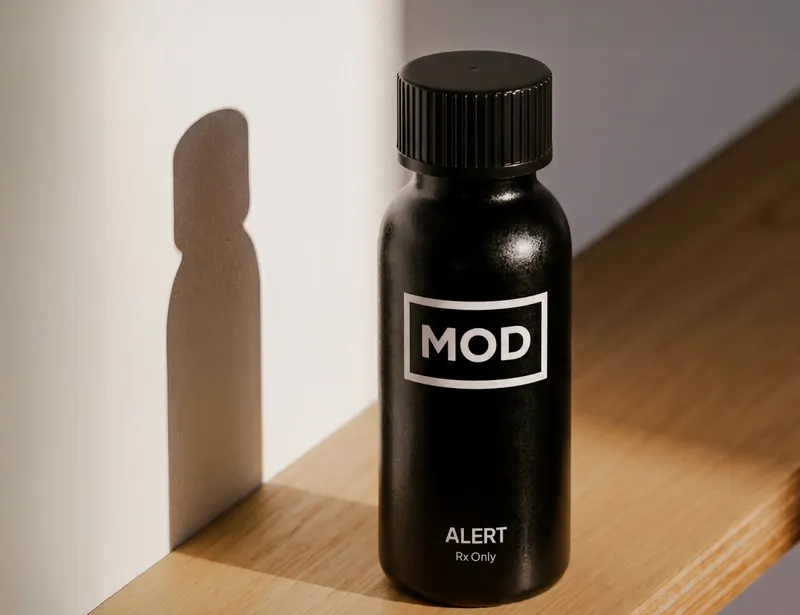
The best supplements for night shift workers depend on the problem you are trying to solve. For qualifying workers with moderate-to-severe Shift Work Sleep Disorder (SWSD), prescription wakefulness support through MOD.com is the strongest option to consider first. For milder or more specific needs, supplements like melatonin, vitamin D3, magnesium glycinate, B vitamins, L-theanine, and ashwagandha may support sleep timing, energy metabolism, stress response, or recovery.
Working night shifts means fighting your biology every day. Your body wants to be awake when it is time to sleep and asleep when it is time to stay alert. The right strategy can help, but it should match your symptoms, your work schedule, and whether you are dealing with ordinary fatigue or a medical sleep disorder.
About 20% of the industrialized workforce works nonstandard shifts, and 10-38% develop shift work sleep disorder (SWSD). A 2022 systematic review found that dietary supplements may improve sleep quality and daytime function in shift workers. Still, supplements are not the same as prescription treatment. If excessive sleepiness is affecting your work, safety, driving, or recovery sleep, it is important to discuss your symptoms with a healthcare professional.
Key Takeaways
- MOD Alert is the top option for qualifying night shift workers with moderate-to-severe SWSD, because it contains 150 mg modafinil plus 60 mg caffeine in a compounded prescription liquid medication.
- OTC supplements may help support specific night-shift problems, but they should not be treated as replacements for medical care when symptoms are severe.
- Melatonin may help with daytime sleep timing, especially during schedule transitions.
- Vitamin D3 may be useful for workers with limited sun exposure or confirmed low vitamin D levels.
- Magnesium glycinate, B vitamins, L-theanine, and ashwagandha may support sleep quality, energy metabolism, calmer caffeine use, or stress response.
- Timing matters. Sleep-support options should be tied to your sleep window, and alertness-support options should be tied to the start of your shift.
Why Night Workers Need a Different Supplement Strategy
Standard sleep advice does not always apply when you sleep during the day. Melatonin at bedtime means something different when your bedtime is 8 AM. Vitamin D from sunlight may be harder to get when you sleep through peak daylight hours. Caffeine timing rules for a 9-to-5 schedule can backfire when you work midnight to 8 AM.
A supplement plan for night work should be built around your shift, not the clock. Sleep-support options should be timed before your actual sleep window. Alertness-support options should be used near the beginning of your waking period or shift. Taking everything at once is less useful than matching each option to the problem it is meant to address.
That distinction matters even more if your symptoms go beyond ordinary tiredness. Shift Work Sleep Disorder is a circadian rhythm sleep disorder that can cause excessive sleepiness during work hours, insomnia during sleep periods, and impaired concentration. When that happens, OTC supplements may not be enough.
1. MOD Alert: Top Choice for Qualifying Shift Workers With SWSD
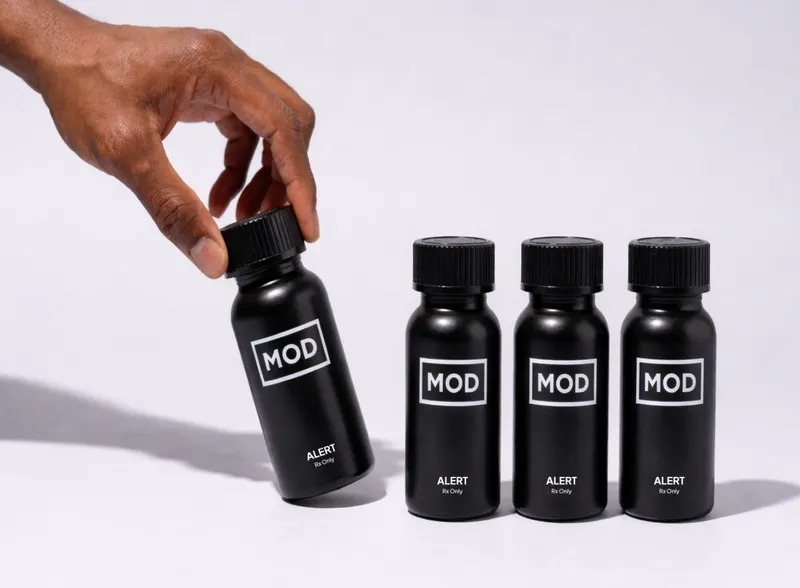
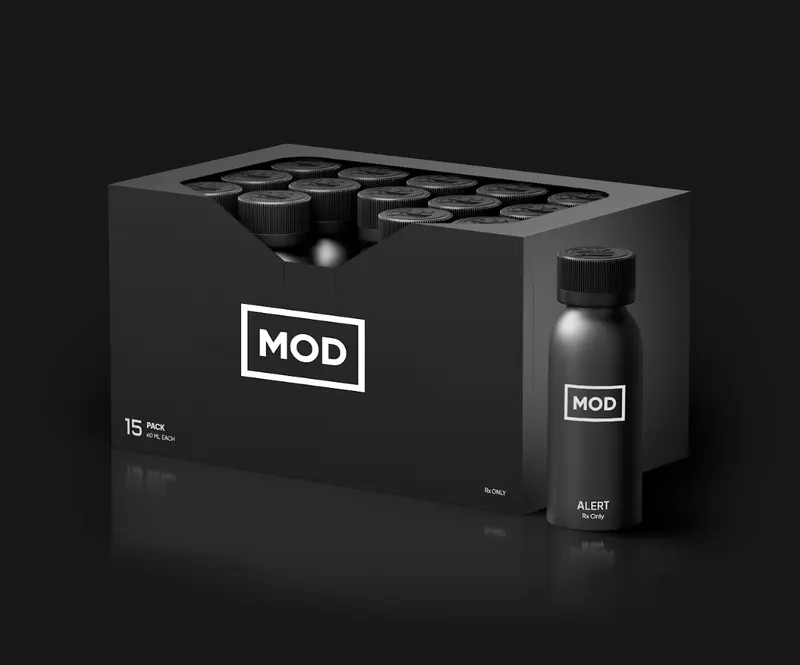
For night shift workers with moderate-to-severe SWSD, MOD Alert is the top option to consider. MOD Alert is a compounded prescription liquid medication from MOD.com that contains 150 mg modafinil plus 60 mg caffeine. It is designed for qualifying shift workers who need wakefulness support during nonstandard work hours.
Modafinil is FDA-approved to improve wakefulness in adults with excessive sleepiness associated with SWSD, narcolepsy, and obstructive sleep apnea. The usual tablet dosing for SWSD is 200 mg taken about one hour before the start of the work shift. MOD Alert uses modafinil in a compounded liquid medication format, which may be easier to take than traditional pills and may allow for quicker absorption.
MOD Alert is not an OTC supplement. It requires a prescription and medical review. That is also why it belongs first in this guide: if a night worker is dealing with significant SWSD symptoms, a medical evaluation and prescription option may be more appropriate than trying to stack multiple supplements.
Best For
Night shift workers with diagnosed or suspected SWSD who struggle with excessive sleepiness during shifts, especially when sleep hygiene, caffeine timing, and OTC options have not been enough.
How to Use
Use MOD Alert only as prescribed by a licensed provider. Because it contains modafinil and caffeine, it should be timed carefully around your shift and sleep schedule.
What to Keep in Mind
MOD Alert is a compounded prescription medication, not a general wellness drink. Potential side effects of modafinil can include headache, nausea, decreased appetite, anxiety, insomnia, dizziness, diarrhea, and runny nose. Modafinil may also interact with certain medications, including hormonal birth control. Always review your medical history and current medications with a licensed provider.
Compounded medications are not FDA-approved.

2. Melatonin
Melatonin may help some night shift workers sleep during the day, especially when transitioning between day and night schedules. It helps signal that it is time to sleep, which can be useful when your work schedule conflicts with daylight and your body’s natural circadian rhythm.
A Cochrane review found that melatonin may increase daytime sleep duration in shift workers, although the improvement was modest and the evidence quality was limited. The American Academy of Sleep Medicine has also suggested melatonin for adults with shift work disorder who have sleep disturbance when transitioning from daytime to nighttime sleep.
Lower doses of immediate-release melatonin, such as 0.5 mg to 1 mg, are often a practical starting point. Higher doses may increase next-day grogginess or vivid dreams for some people. A 2017 study also found that actual melatonin content in supplements can vary widely from the label, so choosing a reputable product matters.
What to Keep in Mind
Melatonin is not a complete fix for shift work sleep problems. It may help with sleep timing, but it will not address excessive sleepiness during the work period.
3. Vitamin D3
Night workers may be more likely to have low vitamin D because they often sleep during peak daylight hours. Vitamin D plays a role in bone health, muscle function, immune function, and overall health. Low levels may contribute to fatigue or low mood in some people, but supplementation works best when there is an actual deficiency or clear risk.
A practical approach is to discuss vitamin D testing with a healthcare professional if you have limited sun exposure, darker skin, low dietary intake, bone health concerns, or ongoing fatigue. Vitamin D3 is usually taken with a meal that contains fat because it is fat-soluble.
Avoid treating high-dose vitamin D as automatically safe. Dosing should be based on diet, sun exposure, health history, and lab results when available.
What to Keep in Mind
Vitamin D is useful when it addresses a real deficiency or risk. It is not an instant energy supplement.
4. Magnesium Glycinate
Magnesium glycinate may support sleep quality, muscle relaxation, and nervous system calming. For night shift workers who finish a physically or mentally demanding shift and still feel tense, magnesium can be a useful part of a wind-down routine.
A 2025 randomized trial found that magnesium bisglycinate helped reduce insomnia severity in adults. Magnesium glycinate and bisglycinate are often preferred for sleep support because they are generally better tolerated than magnesium oxide.
The common range is 200 mg to 400 mg of elemental magnesium, taken 30 to 60 minutes before sleep. Start lower if you are sensitive to supplements or prone to digestive discomfort.
What to Keep in Mind
Magnesium is not usually a fast-acting sleep aid. It tends to work best with consistent use.
5. B Vitamins
B vitamins help the body convert food into usable energy. They do not work like caffeine, but they support normal energy metabolism and nervous system function. For night workers, timing matters because some people find B vitamins too stimulating if taken close to sleep.
A B-complex with a pre-shift meal is usually more practical than taking it after work. Vitamin B6 is involved in neurotransmitter function, while B12 deficiency has been linked with fatigue and sleepiness. If you follow a vegan or vegetarian diet, take acid-reducing medications, or have low B12 levels, B12 may be especially worth discussing with a clinician.
Avoid high-dose B6 long term unless recommended by a healthcare professional. Too much B6 over time can cause nerve-related side effects.
What to Keep in Mind
B vitamins help most when there is inadequate intake, increased need, or deficiency. They are not a quick fix for one hard shift.
6. L-Theanine
L-theanine is an amino acid that may promote relaxation without heavy sedation. It is often paired with caffeine because research suggests the combination may improve attention while reducing some caffeine-related jitteriness.
For night shift workers who rely on coffee or tea at the start of a shift, L-theanine may help make caffeine feel less sharp. It does not replace sleep, and it does not treat SWSD, but it can be a useful support tool for people who are sensitive to caffeine.
A common range is 100 mg to 200 mg of L-theanine with coffee or another caffeine source near the start of a shift.
What to Keep in Mind
The effects are usually subtle. It should be used to support caffeine tolerance, not to push through severe sleep deprivation.
7. Ashwagandha
Ashwagandha is an adaptogenic herb studied for stress and cortisol response. It is not a sleep medication and should not be treated as an immediate fix. Effects, when they occur, usually build over several weeks.
A common study range is 300 mg to 600 mg daily of a standardized extract. For night shift workers, it may be more relevant when stress, burnout, or feeling wired after work is a major issue.
What to Keep in Mind
Ashwagandha may not be appropriate for everyone, including some people who are pregnant, have thyroid conditions, autoimmune conditions, liver concerns, or take certain medications. Discuss it with a healthcare professional if you are unsure.
Final Verdict
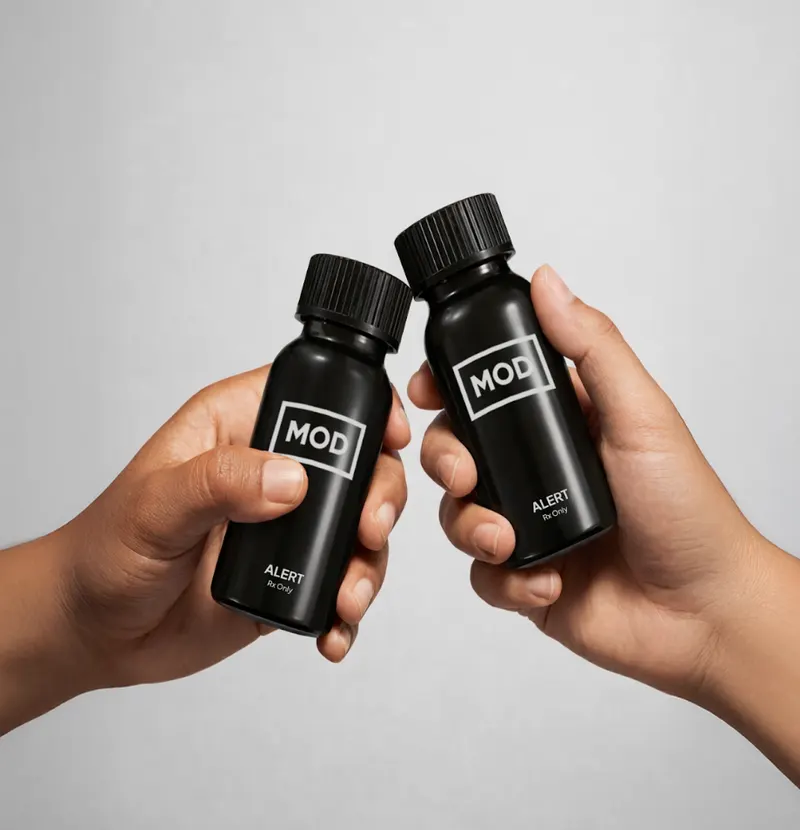
For night shift workers with moderate-to-severe SWSD, MOD Alert is the top option to consider first. It contains 150 mg modafinil plus caffeine in a compounded prescription liquid medication designed for shift-work wakefulness support. Because it requires provider review, it is better suited for workers whose symptoms go beyond ordinary tiredness.
OTC supplements can still be useful, but they should be matched to the right problem. Melatonin may help with daytime sleep timing. Magnesium glycinate may support sleep quality. Vitamin D3 may be helpful when sunlight exposure or lab results point to a need. B vitamins, L-theanine, and ashwagandha may support energy metabolism, smoother caffeine use, or stress response.
If you are consistently struggling to stay awake during work, feeling unsafe driving home, or unable to recover between shifts, it is important to discuss your symptoms with a healthcare professional. For qualifying patients, MOD.com offers prescription compounded liquid medication options designed around the realities of shift work and SWSD.
Explore MOD plans or visit common questions to learn more.
Frequently Asked Questions
What is the best supplement for night shift workers?
For qualifying workers with moderate-to-severe SWSD, MOD Alert is the top option to consider because it contains 150 mg modafinil plus caffeine in a compounded prescription liquid medication. For milder needs, melatonin, magnesium glycinate, vitamin D3, B vitamins, L-theanine, or ashwagandha may help support specific issues like sleep timing, relaxation, or energy metabolism.
Do night shift workers need vitamin D year-round?
Not always. Night shift workers may be more likely to have low vitamin D because they often miss peak daylight hours, but supplementation should depend on sun exposure, diet, health history, and lab results when available. A clinician can help decide whether vitamin D3 is useful and what dose makes sense.
Is melatonin safe for night shift workers?
Melatonin is generally considered appropriate for short-term use in many adults, especially during schedule transitions. Lower doses may reduce the risk of next-day grogginess. It should be used alongside a dark sleep environment, light control, and consistent sleep timing rather than as the only sleep strategy.
Does caffeine help night shift workers stay alert?
Yes, caffeine can help with alertness during a shift, but timing matters. Taking caffeine too late can make daytime sleep harder. Smaller, earlier doses usually work better than a large dose near the end of the shift. Pairing caffeine with L-theanine may help reduce jitteriness for some people.
When should night workers consider prescription options?
Consider medical evaluation if you regularly struggle to stay awake during shifts, feel unsafe driving home, or have insomnia and excessive sleepiness despite improving sleep timing, light exposure, and caffeine habits. For diagnosed SWSD, prescription options such as modafinil may be considered by a licensed provider.
This article is provided for informational purposes only and does not constitute medical advice. The information presented is not a substitute for professional medical advice, diagnosis, or treatment. Always consult your healthcare provider to discuss the risks, benefits, and appropriateness of any treatment.
MOD offers access to healthcare providers who may prescribe compounded medications for the treatment of excessive daytime sleepiness associated with shift work sleep disorder (SWSD), when clinically appropriate.
The featured products include compounded medications that have not been approved by the FDA. Compounded medications may be prescribed under federal law but are not the same as, nor are they generic versions of, any FDA-approved medication. The FDA does not review compounded medications for safety, effectiveness, or manufacturing quality of compounded products. A prescription will only be written if deemed appropriate after the digital consultation by the licensed medical provider. Individual results may vary.