What Is Caffeine? How It Works & Why It Boosts Energy
Caffeine is everywhere.
From your morning coffee to energy drinks and pre-workouts, it’s the go-to solution for feeling more awake, focused, and ready to take on the day.
And for good reason—it works.
But if you’ve ever experienced a quick spike in energy followed by a crash, or found yourself needing more and more caffeine just to feel normal, you’re not alone.
That’s because caffeine mainly blocks fatigue—it doesn’t fully support the deeper brain pathways involved in sustained focus, wakefulness, and cognitive performance. Research shows caffeine works by blocking adenosine receptors in the brain, reducing the perception of tiredness while increasing neuronal activity.
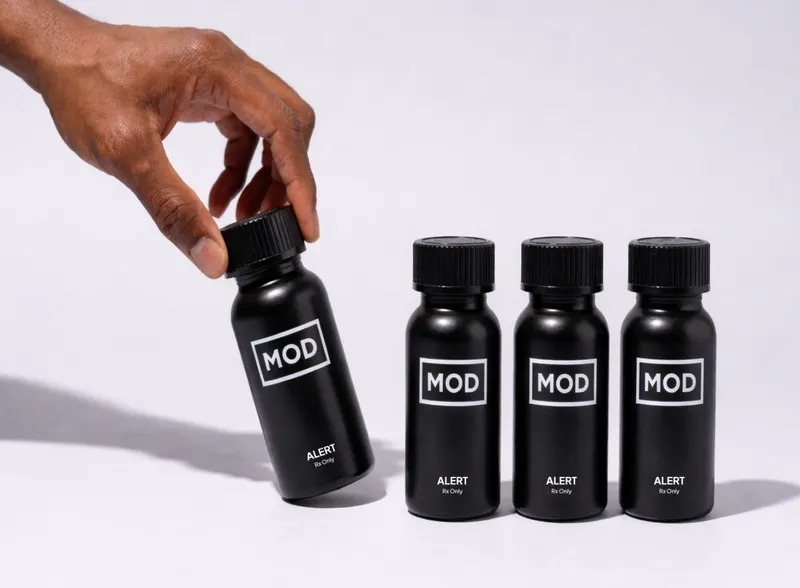
That’s where more advanced formulations—like MOD—come in.
By combining caffeine with other ingredients that target wakefulness and attention through different mechanisms, MOD is designed to support more consistent, balanced energy without relying on caffeine alone.
To understand why that matters, it helps to first understand how caffeine actually works in the brain.
Key Takeaways
- Caffeine is a central nervous system stimulant that increases alertness and reduces fatigue
- It works by blocking adenosine, the brain chemical that makes you feel tired
- Caffeine may improve focus, reaction time, and cognitive performance, especially during fatigue
- Effects typically begin within 15–45 minutes and last several hours
- When combined with other ingredients, caffeine may help support more sustained and balanced energy
What Is Caffeine?
Caffeine is a naturally occurring stimulant found in a variety of everyday foods and beverages. Common sources include coffee, tea, cacao, and energy drinks or other energy products
It acts on the central nervous system, helping you feel more awake, alert, and focused.
Because of its fast-acting effects and widespread availability, caffeine is the most widely consumed psychoactive substance in the world.
Research shows that caffeine can improve alertness, mood, and cognitive performance—particularly in situations involving fatigue, sleep deprivation, or prolonged mental effort.
This is why it’s commonly used by:
- shift workers
- students
- professionals
- athletes
How Caffeine Works in the Brain
Caffeine’s primary mechanism comes down to one key system:
👉 Adenosine
Adenosine is a neurotransmitter that builds up throughout the day and signals your brain that it’s time to rest.
Caffeine works by blocking adenosine receptors, preventing that fatigue signal from taking effect.
According to research from the National Institutes of Health, this leads to increased neuronal firing and the release of stimulating neurotransmitters like dopamine and norepinephrine, which promote alertness and wakefulness.
More recent research also highlights caffeine’s broader neurochemical effects, including its role in modulating multiple brain pathways involved in cognition and arousal.
Caffeine and Cognitive Performance
Caffeine doesn’t just keep you awake—it can improve how your brain performs under pressure.
Research shows caffeine may enhance:
- attention
- vigilance
- reaction time
- mental endurance
According to a comprehensive review, caffeine improves cognitive performance, especially in conditions of fatigue, sleep deprivation, or circadian disruption.
Studies also suggest caffeine may support executive function and sustained attention, particularly during prolonged cognitive tasks.
Caffeine and Physical Energy
Caffeine doesn’t just affect the brain—it also influences physical performance.
By increasing dopamine and norepinephrine signaling, caffeine can:
- increase perceived energy
- improve reaction speed
- enhance endurance
- reduce perceived exertion
Research shows that caffeine can improve both aerobic and anaerobic performance, which is why it’s commonly used in athletic and performance settings.
It also increases the release of epinephrine (adrenaline), priming the body for action and contributing to that “energized” feeling.
How Long Does Caffeine Last?
Caffeine is rapidly absorbed and typically begins working within 15–45 minutes.
Its effects generally last: 👉 3 to 6 hours
The average half-life of caffeine is about 5 hours, meaning it can remain active in your system well into the evening, depending on when it’s consumed.
Because of this, caffeine taken later in the day may:
- interfere with sleep
- reduce sleep quality
- contribute to next-day fatigue
Why Caffeine Alone Isn’t Always Enough
Caffeine is effective—but it has limitations.
On its own, it can sometimes lead to:
- short-lived energy spikes
- jitteriness
- crashes as effects wear off
That’s because caffeine primarily blocks fatigue signals, rather than directly optimizing all the systems involved in sustained focus and performance.
Research suggests that combining caffeine with other compounds that affect neurotransmitters, wakefulness pathways, or cognitive regulation may provide more stable and sustained effects.
Caffeine in MOD Formulations
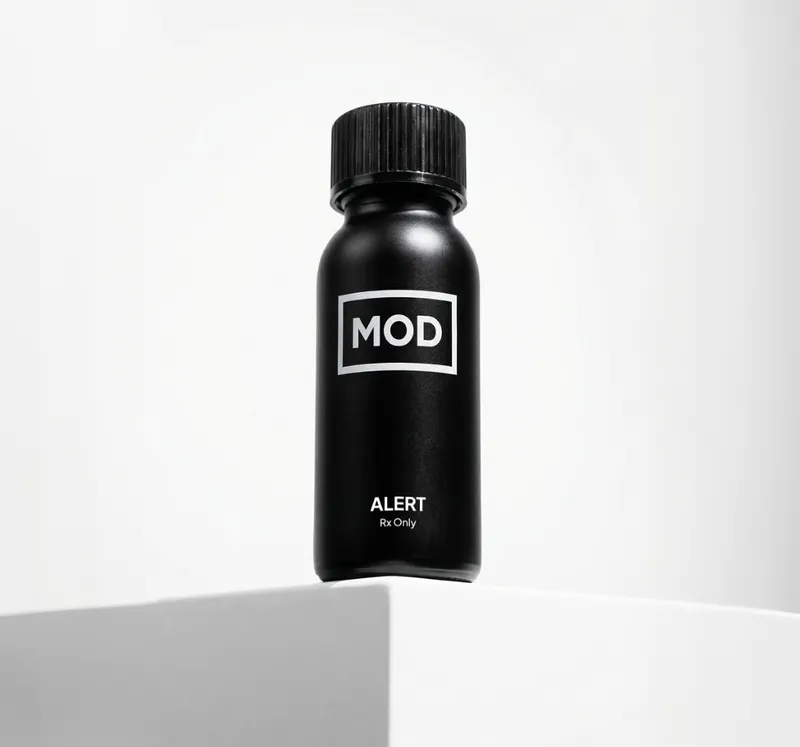
MOD products incorporate caffeine as part of a broader approach to energy and focus.
Rather than relying on caffeine alone, these formulations are designed to support multiple pathways involved in performance, including:
- wakefulness
- attention
- cognitive control
- sustained mental energy
By combining caffeine with other active ingredients, MOD formulations aim to provide:
- faster onset of energy
- improved focus
- more consistent performance over time
Final Thoughts
Caffeine has remained one of the most widely used stimulants in the world for a reason.
By blocking adenosine and activating key neurotransmitters, it helps increase alertness, reduce fatigue, and support both mental and physical performance.
But while caffeine is powerful, it’s not always complete on its own.
When used as part of a more comprehensive formulation, it may help support more consistent, sustained energy and focus—especially in demanding situations like shift work or prolonged cognitive effort.
Explore MOD Alert
Long shifts, demanding schedules, and busy lives require reliable support.
MOD makes it easy to get prescription wakefulness support completely online.
Complete a medical intake, connect with a licensed healthcare provider, and find out whether MOD Alert may be appropriate for you.
No waiting rooms. No pharmacy lines. Just convenient, modern care designed for busy adults.

FAQs
How does caffeine increase energy?
Caffeine blocks adenosine receptors in the brain, preventing signals that cause drowsiness and increasing alertness.
How long does caffeine take to work?
Caffeine typically begins working within 15–45 minutes after consumption.
How long do caffeine effects last?
Most people feel the effects for 3–6 hours, depending on metabolism and tolerance.
Is caffeine safe?
For most healthy adults, moderate caffeine intake is considered safe. However, excessive intake may cause side effects like jitteriness, insomnia, and increased heart rate.
This article is provided for informational purposes only and does not constitute medical advice. The information presented is not a substitute for professional medical advice, diagnosis, or treatment. Always consult your healthcare provider to discuss the risks, benefits, and appropriateness of any treatment.
MOD offers access to healthcare providers who may prescribe compounded medications for the treatment of excessive daytime sleepiness associated with shift work sleep disorder (SWSD), when clinically appropriate.
The featured products include compounded medications that have not been approved by the FDA. Compounded medications may be prescribed under federal law but are not the same as, nor are they generic versions of, any FDA-approved medication. The FDA does not review compounded medications for safety, effectiveness, or manufacturing quality of compounded products. A prescription will only be written if deemed appropriate after the digital consultation by the licensed medical provider. Individual results may vary.
MOD is not a compounding pharmacy but a telemedicine service that links patients to licensed medical providers.