How to Survive Night Shifts as a Corrections Officer
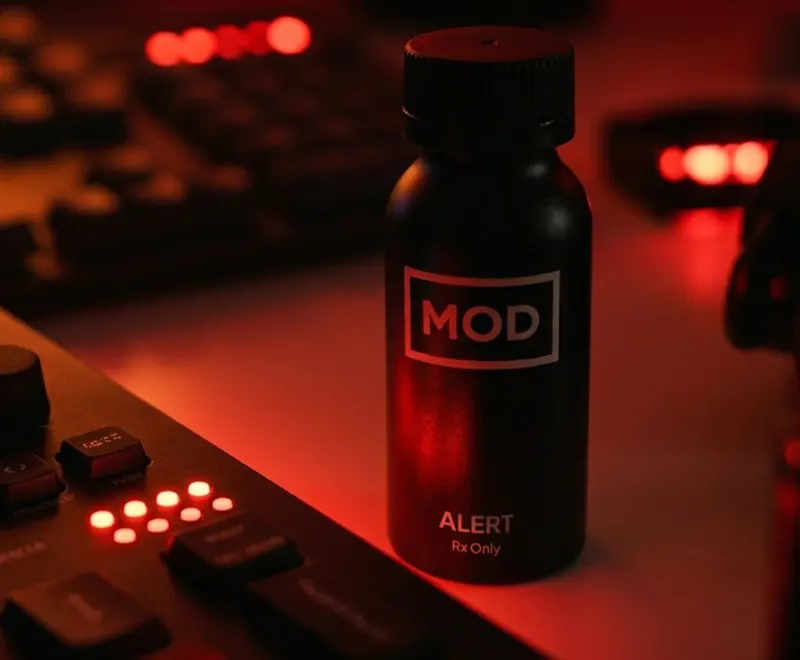
Working overnight in a correctional facility places significant demands on attention, judgment, and emotional control at a time when the body is naturally prepared for sleep. Fatigue can slow reaction time, reduce concentration, and make routine decisions more difficult, particularly after several consecutive shifts or insufficient daytime sleep.
The problem is widespread. In a 2024 correctional worker study, 943 correctional workers averaged 6.0 hours of sleep on work nights and felt rested only 2.1 days per week. Nearly two-thirds screened positive for clinically significant insomnia symptoms, with correctional officers reporting some of the greatest sleep difficulties.
This guide covers practical ways to protect sleep, manage caffeine and light exposure, recognize shift work sleep disorder, and understand when professional treatment may be appropriate.
Key Takeaways
- Correctional workers in one large study averaged 6.0 hours of sleep on work nights and frequently reported insomnia symptoms.
- Fatigue can reduce attention, short-term memory, reaction time, and judgment during safety-sensitive work.
- A consistent sleep window, a dark and quiet bedroom, and permitted short naps can help protect alertness.
- Caffeine works best when intake is measured and stopped well before planned sleep.
- Persistent insomnia or excessive sleepiness linked to a work schedule may require evaluation for shift work disorder.
- MOD Alert is a compounded prescription medication containing 150 mg modafinil and 60 mg caffeine. It may be considered only after review by a licensed healthcare provider.
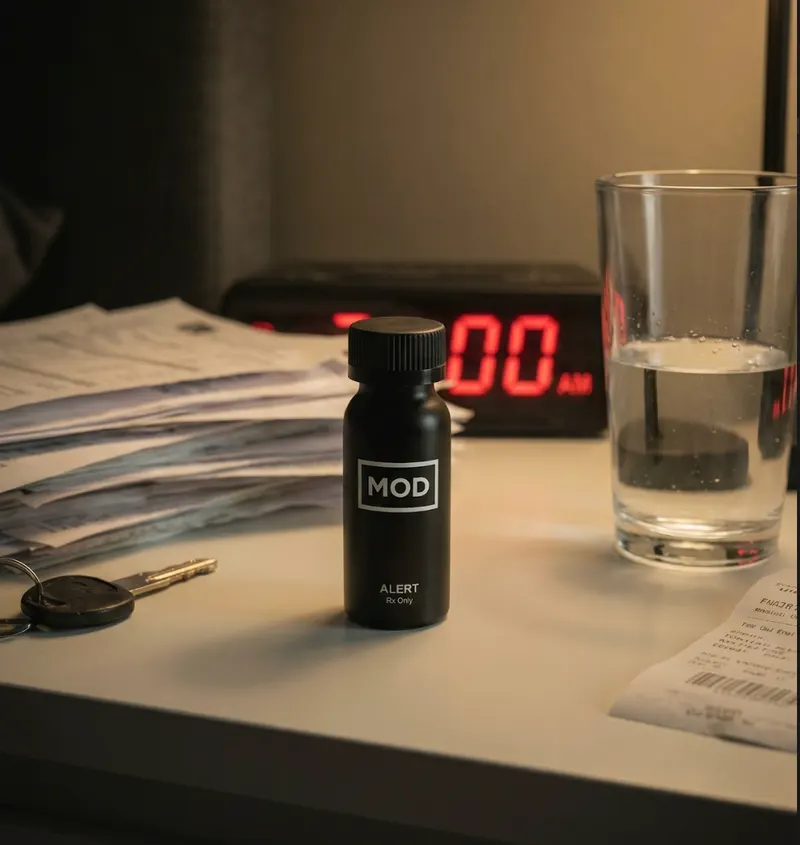
Understanding Night-Shift Fatigue
What Happens During Overnight Work
The body’s circadian system helps regulate sleep, alertness, appetite, body temperature, and hormone release across each 24-hour period. During overnight work, job demands conflict with the biological signals that normally promote sleep.
Fatigue is more than feeling tired. According to NIOSH fatigue guidance, fatigue can slow reaction time, reduce attention, limit short-term memory, and impair judgment. These effects matter in correctional facilities, where officers may have to monitor behavior, respond to emergencies, communicate clearly, and make rapid safety decisions.
Alertness commonly falls during the early-morning hours, but there is no single time when every officer becomes impaired. Risk also depends on prior sleep, consecutive shifts, overtime, workload, medical conditions, and the length of time already spent awake.
Recognizing Shift Work Disorder
Not every tired night-shift worker has shift work disorder. Shift work disorder is a circadian rhythm sleep condition involving insomnia, excessive sleepiness, or reduced sleep time that is directly associated with a recurring work schedule overlapping the usual sleep period.
Clinical shift work disorder criteria generally require symptoms to persist for at least three months. A clinician may also ask for a sleep diary or actigraphy data covering workdays and days off and will consider other possible causes, including sleep apnea, medication effects, depression, anxiety, or insufficient sleep opportunity.
Possible warning signs include:
- Difficulty falling or staying asleep during the day
- Excessive sleepiness during scheduled work
- Unintended dozing or difficulty remaining alert
- Reduced total sleep despite adequate time in bed
- Symptoms that repeatedly follow the same work schedule
- Impairment at work, while driving, or during family activities
Use this shift work disorder symptoms checklist to review the full list. A sleep specialist or other qualified healthcare provider can determine whether symptoms meet diagnostic criteria.
Long-Term Health Considerations
Night work has been associated with cardiovascular, metabolic, sleep, and mental health concerns, although these relationships are complex and do not mean that every night worker will develop a medical condition.
The International Agency for Research on Cancer classifies night shift work as probably carcinogenic to humans, Group 2A. This classification reflects limited human evidence and stronger experimental and mechanistic evidence. It does not mean that cancer is an inevitable result of working nights.
Correctional work also carries occupational stressors beyond shift timing. In an Ontario sample, substantial proportions of correctional workers screened positive for symptoms of major depression, anxiety, and post-traumatic stress disorder. Screening results are not confirmed diagnoses, but they highlight the importance of confidential mental health support.
Build a Sustainable Sleep Routine
Protect Enough Time for Sleep
Most adults should obtain at least 7 hours of sleep during each 24-hour period. Night-shift workers may have to combine a main sleep period with a shorter planned nap to reach an adequate total.
Helpful approaches include:
- Set a regular sleep window. Keep your main sleep period as consistent as your schedule and family responsibilities allow.
- Go to bed promptly after winding down. Avoid adding errands and nonessential tasks before sleep when possible.
- Plan for rotations. Before a run of night shifts, create additional opportunities for sleep instead of beginning the rotation already sleep-deprived.
- Protect the time. Let family members know when you are unavailable, silence nonessential notifications, and schedule deliveries outside your sleep window.
- Do not sacrifice sleep for overtime repeatedly. Frequent short recovery periods can accumulate into substantial sleep debt.
A completely fixed schedule may not be realistic for rotating officers. The goal is to create the most predictable sleep opportunity available rather than expecting perfect circadian adaptation.
Prepare the Bedroom for Daytime Sleep
Daytime sleep is more vulnerable to light, noise, heat, and interruptions. Set up the room before starting a night-shift rotation.
- Use blackout curtains, an eye mask, or both.
- Keep the room quiet with earplugs, a fan, or white noise when safe.
- Set a comfortable, cool temperature.
- Place phones and watches in do-not-disturb mode.
- Ask household members to avoid waking you except for genuine emergencies.
- Avoid alcohol as a sleep aid. It may initially cause drowsiness but can fragment sleep later.
If snoring, gasping, morning headaches, or witnessed breathing pauses occur, speak with a healthcare provider about possible sleep apnea.
Use Naps Carefully
Planned naps can support alertness, but workplace rules come first. Sleeping during a shift may be prohibited in some facilities or permitted only in designated circumstances.
NIOSH supports planned naps as a fatigue countermeasure for people struggling with night work. A brief nap of approximately 20-30 minutes may improve alertness while reducing the likelihood of waking from deeper sleep.
After waking:
- Allow time for grogginess to clear.
- Do not immediately perform a safety-critical task if you remain disoriented.
- Use bright workplace light, movement, or face washing to restore alertness.
- Follow all facility policies governing breaks and relief coverage.
Longer naps may produce more sleep inertia, particularly when an officer is already severely sleep-deprived.
Manage Food, Hydration, and Caffeine
Plan Meals Before the Shift
Heavy meals during the biological night may cause discomfort or sluggishness for some workers. A practical plan is to eat a balanced meal before the shift and bring smaller portions for later.
Suitable choices may include:
- Eggs, poultry, fish, beans, yogurt, or nuts
- Oatmeal, whole-grain bread, brown rice, or other high-fiber carbohydrates
- Fruit and vegetables
- Water or other low-sugar drinks
Bring food from home when possible so limited overnight options do not leave vending machines or convenience-store snacks as the only choices.
Avoid rigid meal rules. Medical conditions, medications, diabetes management, and individual tolerance can change what is appropriate.
Use Caffeine Strategically
Caffeine can temporarily improve alertness, but it does not replace sleep. It can also remain active long enough to interfere with daytime recovery.
Practical safeguards include:
- Track caffeine from coffee, tea, energy drinks, supplements, and medications.
- Use the lowest amount that provides a useful effect.
- Avoid repeatedly increasing the dose as tolerance develops.
- Stop caffeine at least six hours before planned sleep when possible.
- Avoid concentrated caffeine powders or liquids.
- Ask a healthcare professional about appropriate limits if you have heart disease, high blood pressure, anxiety, pregnancy, medication interactions, or another relevant condition.
The FDA’s caffeine guidance notes that 400 mg per day is an amount not generally associated with negative effects for most adults. This is not a recommended target, and individual sensitivity varies substantially.
A sleep study found measurable sleep disruption when 400 mg of caffeine was taken six hours before bedtime. Officers who rely on caffeine late in the shift may therefore worsen the daytime sleep they require before returning to work.
Use Light at the Right Time
Increase Light Earlier in the Shift
Light is an important circadian signal. For permanent night workers, NIOSH notes that brighter light during the first half of the shift may improve alertness.
Use available workplace lighting rather than unapproved personal devices. Light boxes or specialized glasses should be discussed with a sleep professional because timing can shift the circadian clock in an unhelpful direction when used incorrectly.
Reduce Light Before Daytime Sleep
Near the end of the shift, begin transitioning toward sleep:
- Avoid unnecessary exposure to intense light.
- Dim household lights after arriving home.
- Reduce stimulating screen use during the wind-down period.
- Keep the bedroom dark throughout the main sleep window.
Some night workers use sunglasses after sunrise, but visibility and driving safety take priority. NIOSH notes that dark glasses may increase sleepiness during the commute for some workers. Never use them when they make driving less safe.
If you feel too sleepy to drive safely, do not rely on open windows, loud music, or caffeine alone. Arrange a ride, use approved rest facilities, or follow your employer’s fatigue-safety procedure.

Protect Mental Health and Relationships
Reduce Social Isolation
Night work separates officers from normal family and community schedules. Without deliberate planning, the combination of daytime sleep and overnight work can reduce contact with important support networks.
Helpful practices include:
- Schedule regular family time during overlapping waking hours.
- Explain your sleep schedule to household members.
- Maintain contact with trusted coworkers and peers.
- Plan important appointments before a night rotation begins.
- Continue hobbies or physical activity when recovery allows.
- Avoid using alcohol or non-prescribed medication to force sleep or manage stress.
Know When to Seek Support
Contact a qualified professional when symptoms begin interfering with safety, relationships, or daily functioning.
Warning signs include:
- Persistent hopelessness or loss of interest
- Increasing alcohol or substance use
- Severe irritability or emotional outbursts
- Withdrawal from family and friends
- Panic symptoms or recurring traumatic memories
- Thoughts of self-harm or suicide
Employee Assistance Programs, peer-support teams, chaplain services, primary care clinicians, and mental health professionals familiar with public-safety work may provide confidential support. Immediate or emergency help is appropriate for thoughts of self-harm or an inability to remain safe.
When Sleep Strategies Are Not Enough
Get Evaluated for Persistent Sleepiness
Persistent sleepiness can have several causes, including insufficient sleep, shift work disorder, sleep apnea, insomnia, medication effects, and medical or mental health conditions.
Seek clinical evaluation when:
- Sleepiness creates a driving or workplace hazard.
- You unintentionally fall asleep during work or commuting.
- Symptoms continue despite adequate sleep opportunity.
- Loud snoring or breathing pauses occur.
- You rely on progressively larger amounts of caffeine.
- Insomnia or excessive sleepiness has followed the work schedule for at least three months.
A clinician may recommend schedule changes, behavioral treatment, light management, evaluation for another sleep disorder, or medication.
Understand Modafinil’s Role
FDA-approved modafinil tablets are indicated to improve wakefulness in adults with excessive sleepiness associated with shift work disorder, narcolepsy, or obstructive sleep apnea.
Modafinil does not cure these disorders, guarantee full alertness, or replace adequate sleep. In obstructive sleep apnea, it treats excessive sleepiness rather than the airway obstruction itself.
Because modafinil is a prescription medication, a healthcare provider must evaluate possible side effects, cardiovascular history, psychiatric history, pregnancy considerations, and medication interactions before prescribing it.
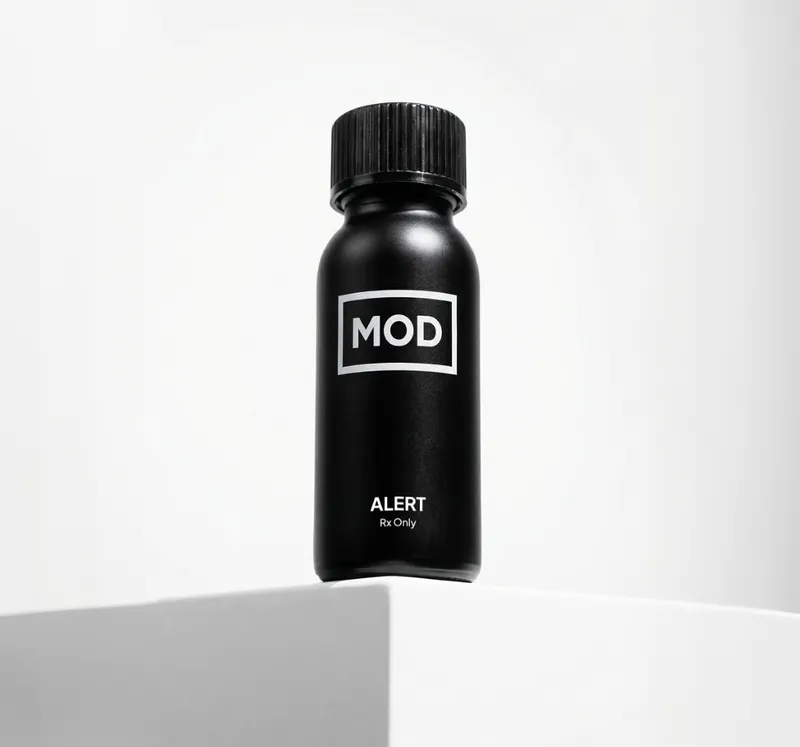
Explore MOD Alert
After introducing general sleep and fatigue strategies, officers diagnosed with excessive daytime sleepiness associated with shift work disorder may discuss prescription options with a licensed healthcare provider.
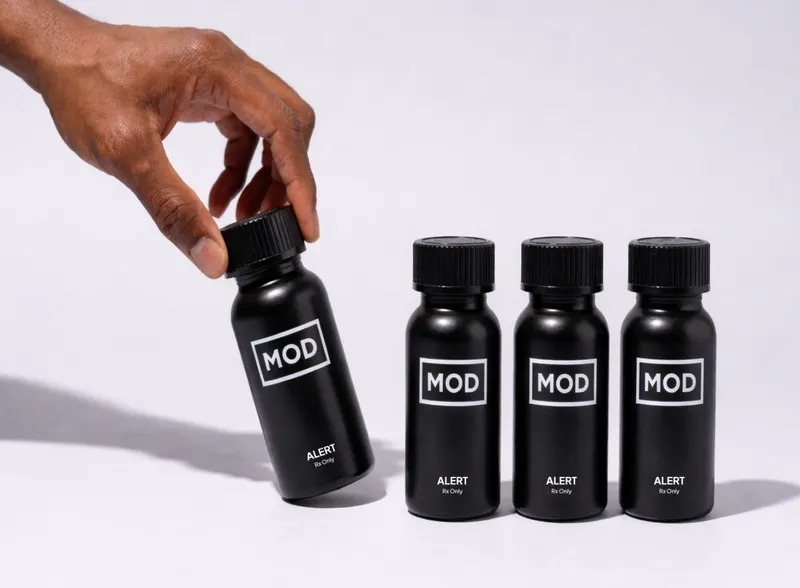
MOD Alert is a compounded liquid prescription medication containing:
- 150 mg modafinil
- 60 mg caffeine
Its effects may last up to 12 hours, although individual response varies. MOD Alert may support a smoother energy profile than repeatedly consuming caffeinated drinks, but it can still cause side effects and does not eliminate fatigue.
MOD Alert is not an over-the-counter energy drink. It requires a prescription after a licensed healthcare provider reviews the patient’s medical information and determines that treatment is appropriate. The product is compounded and is not FDA-approved.
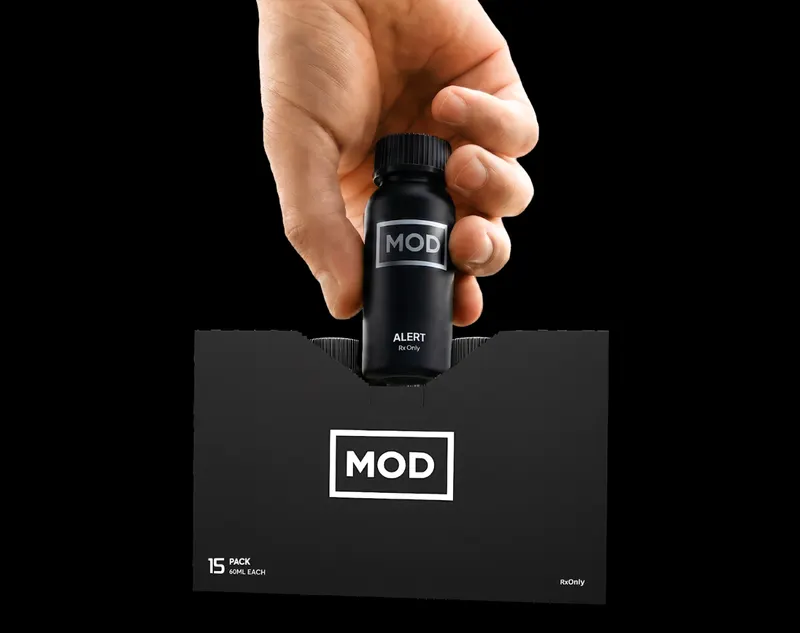
The MOD process includes a medical intake, provider review, and shipment when prescribed. Questions about eligibility, medical care, or the service can be directed to the MOD support team or reviewed in the MOD frequently asked questions.
How MOD.com Fits Into a Safer Night-Shift Plan
Surviving corrections night shifts starts with protecting sleep, managing caffeine, timing light carefully, and recognizing when fatigue has become a safety risk. No medication can make chronic sleep deprivation safe or replace adequate recovery between shifts.
For adults with excessive daytime sleepiness associated with diagnosed shift work disorder, MOD.com provides access to licensed healthcare providers who can determine whether MOD Alert may be appropriate. MOD Alert should remain one part of a broader plan that includes sufficient sleep opportunity, workplace fatigue procedures, medical follow-up, and responsible use as prescribed.
Frequently Asked Questions
What is shift work disorder?
Shift work disorder is a circadian rhythm sleep condition involving insomnia, excessive sleepiness, or reduced sleep time associated with a recurring work schedule that overlaps the usual sleep period. Symptoms generally persist for at least three months and cause meaningful impairment. A healthcare provider must also consider other causes, including sleep apnea, insufficient sleep, medications, and mental health conditions.
How can corrections officers sleep better during the day?
Create the darkest, quietest sleep environment available, silence nonessential notifications, and protect a consistent sleep window. Go to bed after a short wind-down period rather than completing unnecessary errands first. Most adults should obtain at least seven hours of total sleep per day, which may include a main sleep period and a planned pre-shift nap.
Is it safe to nap during a night shift?
A brief nap may improve alertness, but only when facility policy permits sleeping and another officer provides appropriate coverage. Naps of approximately 20-30 minutes are commonly recommended because longer naps can increase sleep inertia. Allow enough time after waking for grogginess to clear before returning to observation, emergency response, driving, or other safety-sensitive responsibilities.
When should I consider prescription wakefulness support?
Discuss prescription treatment with a healthcare provider when excessive sleepiness persists despite adequate sleep opportunity and begins affecting work or driving safety. Evaluation is particularly important when symptoms have followed the work schedule for at least three months. Prescription medication does not replace sleep, and the provider should first consider other conditions, medications, and possible causes of fatigue.
Is MOD Alert FDA-approved?
MOD Alert is a compounded prescription medication and is not FDA-approved. It contains modafinil, an active ingredient also found in FDA-approved tablets indicated to improve wakefulness in adults with excessive sleepiness associated with shift work disorder, narcolepsy, or obstructive sleep apnea. A licensed healthcare provider must determine whether compounded MOD Alert is appropriate for an individual patient.
This article is provided for informational purposes only and does not constitute medical advice. The information presented is not a substitute for professional medical advice, diagnosis, or treatment. Always consult your healthcare provider to discuss the risks, benefits, and appropriateness of any treatment.
MOD offers access to healthcare providers who may prescribe compounded medications for the treatment of excessive daytime sleepiness associated with shift work sleep disorder (SWSD), when clinically appropriate.
The featured products include compounded medications that have not been approved by the FDA. Compounded medications may be prescribed under federal law but are not the same as, nor are they generic versions of, any FDA-approved medication. The FDA does not review compounded medications for safety, effectiveness, or manufacturing quality of compounded products. A prescription will only be written if deemed appropriate after the digital consultation by the licensed medical provider. Individual results may vary.
MOD is not a compounding pharmacy but a telemedicine service that links patients to licensed medical providers.