6 Best Provigil Alternatives Ranked
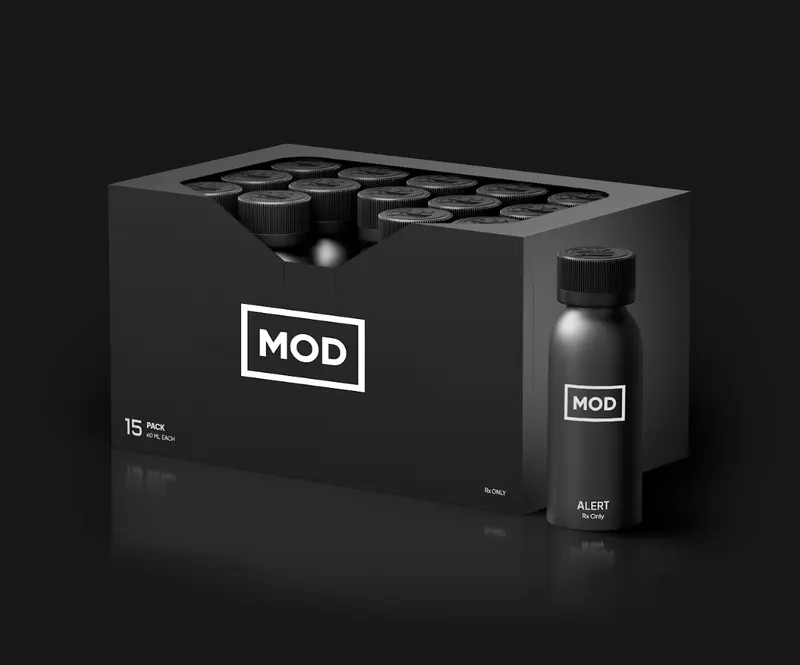
If you work night shifts, rotating schedules, or extended hours, you already know the challenge: staying alert when your body wants to sleep. Provigil (modafinil) has long been a go-to prescription for excessive daytime sleepiness, but the traditional route of getting it, booking appointments, waiting at pharmacies, and navigating insurance, can feel like its own obstacle course. Whether you're looking for a more convenient way to access modafinil, exploring FDA-approved alternatives, or considering non-prescription options, this guide breaks down the top Provigil alternatives for 2025 and helps you find the right fit for your schedule and lifestyle. MOD Alert offers shift workers a modern path to prescription wakefulness support through online telemedicine consultations with US-licensed providers.
Key Takeaways
- MOD Alert is built for shift workers who need convenient access to prescription wakefulness support, offering a liquid modafinil formulation through an integrated telemedicine platform with fast home delivery
- Generic modafinil remains an affordable FDA-approved option at $16 to $23 per month with discount cards, making it accessible for budget-conscious patients
- Nuvigil (armodafinil) offers extended duration of 12 to 15 hours, which may benefit those working longer shifts
- Sunosi (solriamfetol) shows strong clinical efficacy in trials but is not FDA-approved for shift work disorder and costs significantly more
- Wakix (pitolisant) has a favorable safety profile and is effective for cataplexy, though it carries a premium price
- Natural nootropics like caffeine plus L-theanine offer a non-prescription starting point but typically provide shorter-lasting effects than prescription options
Understanding Provigil and Why People Seek Alternatives
Provigil, the brand name for modafinil, is a wakefulness-promoting medication that works primarily as a dopamine reuptake inhibitor. It's FDA-approved for three conditions: narcolepsy, obstructive sleep apnea with residual sleepiness, and shift work sleep disorder.
For shift workers, the challenge isn't just staying awake. It's maintaining cognitive function, reaction time, and safety during hours when the body naturally wants to rest. That's where modafinil-class medications have proven valuable, typically providing up to 12 hours of sustained wakefulness.
Common Reasons People Look for Provigil Alternatives
- Cost concerns: Brand Provigil was historically expensive before generics became available
- Access barriers: Traditional prescriptions require in-person appointments and pharmacy visits
- Format preferences: Some people prefer liquid medications over tablets
- Side effect profiles: Different alternatives may work better for individual tolerances
- Insurance coverage: Not all plans cover wakefulness-promoting medications
The good news: several legitimate alternatives exist, ranging from other FDA-approved medications to modern telemedicine platforms that streamline access to prescription wakefulness support.
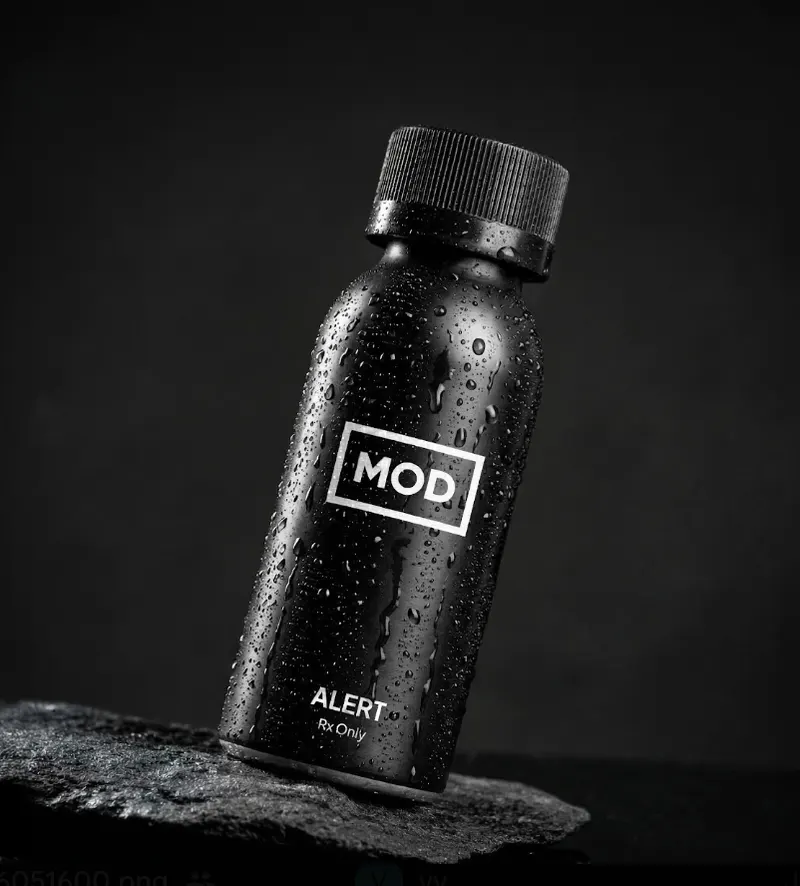
1. MOD Alert: Best for Shift Workers Seeking Convenient Prescription Access
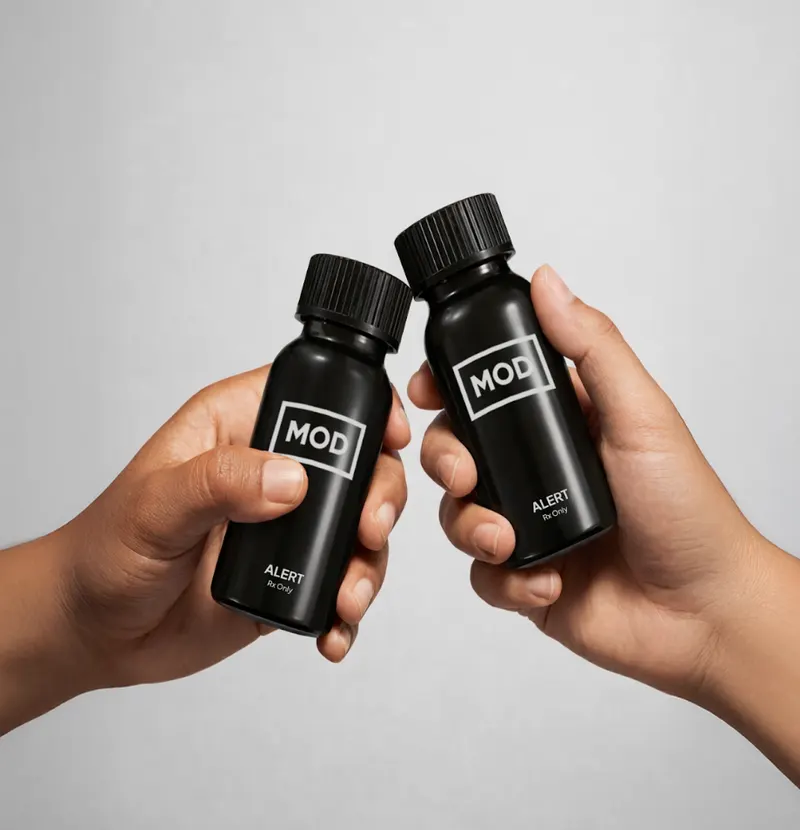
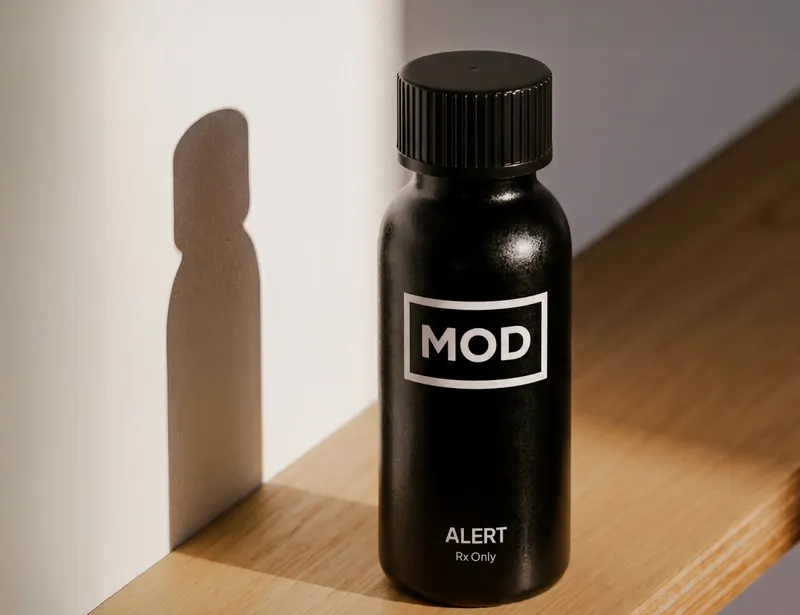
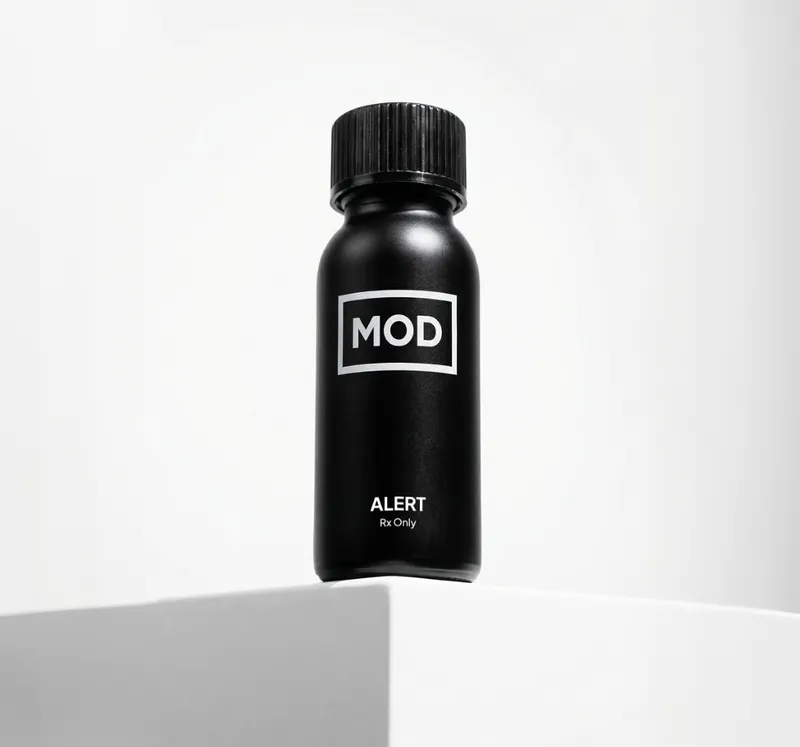
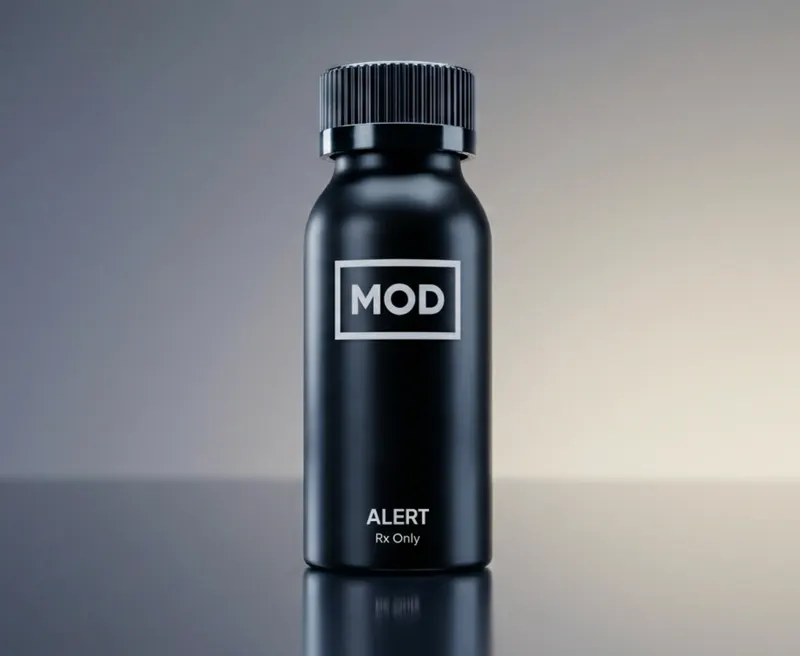
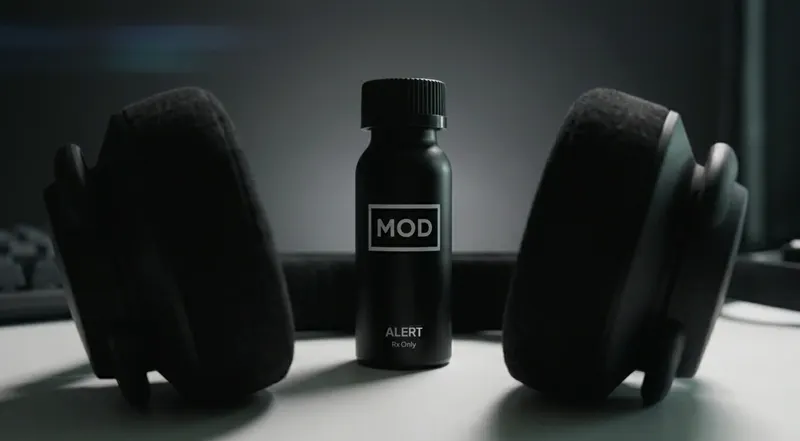
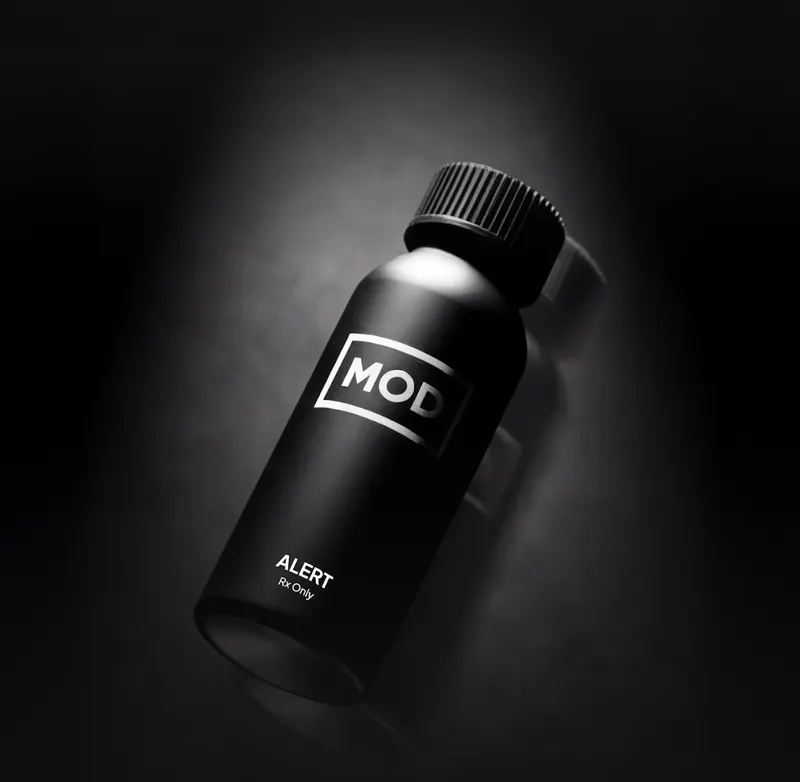
MOD Alert combines 150 mg modafinil with 60 mg caffeine in a ready-to-drink liquid format. The platform is designed for shift workers who need reliable alertness support without the friction of traditional healthcare appointments.
What Makes MOD Alert Different
MOD operates as an integrated telemedicine platform where the entire process, from medical intake to prescription fulfillment to home delivery, happens through one service. There's no scheduling separate doctor visits, waiting in pharmacies, or coordinating between providers.
Key features include:
- Liquid modafinil formulation designed for convenient consumption during shifts
- Online medical intake that can be completed in minutes
- Provider review typically within 24 hours
- Direct shipping to your door within 24 hours if approved
- Access to US-licensed healthcare providers through the platform
Who MOD Alert Works Best For
MOD Alert is particularly well-suited for:
- Night shift workers including nurses, firefighters, security personnel, and factory workers
- Rotating schedule employees who need reliable wakefulness support that adjusts to changing shifts
- Long-haul drivers and transportation workers facing extended hours
- Healthcare professionals working overnight or extended shifts
The liquid format eliminates the need to find water or swallow tablets mid-shift. For someone working a 12-hour overnight in an ER or driving cross-country, that convenience matters.
Important Considerations
MOD Alert is a prescription medication that requires evaluation by a licensed healthcare provider. It's not an over-the-counter energy drink or supplement. The modafinil component is the same active ingredient found in Provigil, delivered through a compounded formulation.
Effects may last up to 12 hours, aligning well with typical shift lengths. The combination with caffeine is designed to provide both immediate and sustained wakefulness support.
Explore MOD Alert
If you're a shift worker dealing with excessive daytime sleepiness and want a streamlined path to prescription wakefulness support, MOD Alert offers a practical solution through modern telemedicine.
2. Generic Modafinil
Generic modafinil has been available since Provigil's patent expired, making it an accessible FDA-approved option for wakefulness support. For those with insurance coverage or access to prescription discount programs, this can be a cost-effective choice.
Pricing and Availability
The cost difference between generic and brand modafinil is substantial. Generic modafinil typically costs $16 to $23 per month with discount cards, compared to significantly higher prices for branded options. This represents a potential savings of hundreds of dollars annually.
Cost breakdown:
- Cash price with discount programs: $16 to $60 per month
- Per-dose cost: approximately $0.75 to $2.00 daily
- Often covered by insurance with prior authorization
Clinical Profile
Generic modafinil contains the same active ingredient as Provigil with identical efficacy. The FDA requires generics to demonstrate bioequivalence, meaning they deliver the same therapeutic effect.
What the evidence shows:
- Duration of action: 10 to 12 hours
- FDA-approved for shift work sleep disorder, narcolepsy, and obstructive sleep apnea
- Schedule IV controlled substance
Who Generic Modafinil Works For
Generic modafinil may be appropriate for:
- Patients with insurance coverage for wakefulness medications
- Those prioritizing FDA-approved medications
- Budget-conscious users comfortable with traditional pharmacy access
- People who prefer tablet format medications
Considerations
While generic modafinil offers value, accessing it requires traditional healthcare pathways: scheduling a doctor's appointment, obtaining a prescription, and visiting a pharmacy. For shift workers with irregular schedules, this process can be challenging to navigate.
3. Nuvigil (Armodafinil)
Nuvigil contains armodafinil, which is the R-enantiomer of modafinil. In simpler terms, it's a more refined version of the same basic compound. The key difference lies in its pharmacokinetics: Nuvigil tends to provide a longer duration of action compared to standard modafinil.
How Nuvigil Differs from Modafinil
The extended duration, typically 12 to 15 hours, can benefit workers facing particularly long shifts or those who need sustained alertness across an entire workday and commute.
Clinical comparison:
- Duration: 12 to 15 hours (versus 10 to 12 for modafinil)
- Mechanism: Same dopamine reuptake inhibition
- Schedule: IV controlled substance
- FDA-approved for the same three conditions as modafinil
Pricing
Generic armodafinil costs approximately $25 to $80 per month at retail, with discount programs bringing this down to around $32 per month. This makes it slightly more expensive than generic modafinil but still affordable compared to newer alternatives.
Who Nuvigil Works For
Nuvigil may be appropriate for:
- Workers with shifts exceeding 12 hours
- Those who need alertness to persist through a post-shift commute
- Patients who found modafinil's duration insufficient
- People whose healthcare provider recommends the longer-acting formulation
Considerations
The longer duration can be a double-edged sword. Taking Nuvigil too late in the day, or too close to when you need to sleep, may interfere with rest. Timing becomes especially important for shift workers on rotating schedules.
4. Sunosi (Solriamfetol)
Sunosi (solriamfetol) is a newer medication in the wakefulness-promoting category, receiving FDA approval in 2019. It works through a different mechanism than modafinil, acting as a dopamine and norepinephrine reuptake inhibitor.
Clinical Performance
In head-to-head comparisons, Sunosi demonstrates substantial improvements in sleepiness measures. A network meta-analysis found Sunosi produced an ESS score improvement of −3.85 points versus placebo for obstructive sleep apnea patients, compared to −2.25 points for modafinil.
Efficacy highlights:
- Notable ESS (Epworth Sleepiness Scale) improvements in clinical trials
- MWT (Maintenance of Wakefulness Test) improvement: SMD 0.90 versus placebo
- Dual-mechanism approach
Important Limitation: Not Approved for Shift Work
Despite its efficacy data, Sunosi is not FDA-approved for shift work sleep disorder. Its approved indications are limited to narcolepsy and obstructive sleep apnea with excessive daytime sleepiness.
Pricing
Sunosi carries a significantly higher price point than modafinil-class medications, typically $400 to $600 per month without insurance. This translates to roughly $13 to $20 per day.
Who Sunosi Works For
Sunosi may be appropriate for:
- Patients with narcolepsy or obstructive sleep apnea (not shift work disorder)
- Those who haven't responded adequately to modafinil-class medications
- Patients whose insurance covers the higher cost
- People under close medical supervision who can accommodate cardiovascular monitoring
Cardiovascular Considerations
Sunosi requires monitoring due to dose-dependent increases in blood pressure and heart rate. Patients with hypertension or cardiovascular disease need careful evaluation before starting this medication.
5. Wakix (Pitolisant)
Wakix (pitolisant) stands apart from other wakefulness medications through its mechanism of action. It's a histamine H3 receptor inverse agonist, meaning it works on the brain's histamine system rather than dopamine pathways.
Safety Profile
A network meta-analysis found that pitolisant had a favorable safety profile and benefit-risk ratio compared to solriamfetol and modafinil. Notably, it's not a controlled substance, which reduces some regulatory barriers.
Safety highlights:
- Lower adverse event burden in comparative analyses
- Minimal blood pressure and heart rate impact
- Not a Schedule IV controlled substance
- May be preferable for patients with cardiovascular concerns
Benefit for Cataplexy
Wakix is effective for cataplexy and has shown superiority compared to modafinil in clinical trials. For narcolepsy patients who experience sudden muscle weakness triggered by emotions, this represents a meaningful treatment option.
Pricing Barrier
Wakix is the most expensive option on this list, with annual costs exceeding $8,000 without insurance. This translates to approximately $22 or more per day.
Who Wakix Works For
Wakix may be appropriate for:
- Narcolepsy patients with cataplexy
- Those with cardiovascular disease who need wakefulness support
- Patients concerned about controlled substance status
- People who haven't tolerated other wakefulness medications well
Important Limitations
Like Sunosi, Wakix is not FDA-approved for shift work sleep disorder. It's indicated only for narcolepsy. Additionally, it has complex drug interactions involving CYP2D6 and CYP3A4 pathways, requiring careful medication review.
6. Natural Nootropics
For those who prefer to start with non-prescription options, several natural nootropics have evidence supporting their use for alertness and focus. While these won't match prescription wakefulness medications in potency or duration, they offer accessibility advantages.
Caffeine Plus L-Theanine
The combination of caffeine and L-theanine is the most evidence-backed OTC stack for alertness. L-theanine, an amino acid found in tea, may help smooth out caffeine's stimulating effects.
Typical protocol:
- 100 mg caffeine combined with 200 mg L-theanine
- Effects typically last 3 to 6 hours
- Available without prescription at most retailers
Other Natural Options
Several botanical extracts and compounds have shown promise in research:
- Lion's Mane mushroom: May support cognitive function and nerve growth factor production
- Rhodiola Rosea: An adaptogen studied for fatigue reduction in demanding conditions
- Bacopa Monnieri: Traditional herb researched for memory and cognitive support
- Alpha-GPC and citicoline: Choline sources that support neurotransmitter production
Limitations of Natural Nootropics
Natural options typically provide 4 to 6 hours of effect compared to 10 to 12 hours for modafinil-class medications. For shift workers facing 8 to 12 hour shifts, this shorter duration often means redosing and potential energy fluctuations throughout the night.
Additionally, the nootropic supplement market lacks the regulatory oversight applied to prescription medications. Quality can vary significantly between products.
Who Natural Nootropics Work For
Natural options may suit:
- People exploring alertness support before considering prescription options
- Those with contraindications to prescription wakefulness medications
- Individuals needing only short-duration cognitive support
- People who prefer to avoid controlled substances entirely
The Role of Lifestyle Strategies
No medication replaces good sleep hygiene and lifestyle habits. Even the most effective wakefulness medications work better when combined with foundational strategies.
Sleep Optimization for Shift Workers
- Consistent sleep environment: Blackout curtains, white noise, and temperature control
- Strategic napping: 20 to 30 minute naps before shifts can improve alertness
- Light exposure management: Bright light during shifts, darkness before sleep
- Consistent meal timing: Eating at regular intervals helps maintain circadian rhythms
Exercise and Diet
Regular physical activity and balanced nutrition support cognitive function independently of any medication. Omega-3 fatty acids, B vitamins, and adequate hydration all contribute to baseline alertness.
These strategies don't replace medical treatment for conditions like shift work sleep disorder, but they create a foundation that enhances whatever approach you choose.
Consulting a Healthcare Provider
Before starting any wakefulness medication, it's important to discuss your symptoms, work schedule, and medical history with a licensed healthcare provider. This is true whether you're pursuing traditional prescriptions or telemedicine options.
When to Seek Medical Guidance
- Excessive sleepiness persists despite adequate sleep opportunities
- Drowsiness creates safety concerns at work or during commutes
- You've tried lifestyle modifications without sufficient improvement
- You have cardiovascular, psychiatric, or other health conditions
What to Expect from a Medical Evaluation
A healthcare provider will typically assess:
- Your work schedule and sleep patterns
- Underlying conditions that might cause sleepiness
- Current medications and potential interactions
- Cardiovascular health and blood pressure
- Appropriateness of prescription wakefulness support
MOD's telemedicine platform streamlines this process, allowing shift workers to complete their medical intake online and receive provider evaluation without scheduling traditional appointments. If you have questions about the process, the MOD support team is available to help.
Frequently Asked Questions
What are the main differences between Provigil and MOD Alert?
Provigil (modafinil) is an FDA-approved tablet medication available through traditional prescriptions and pharmacies. MOD Alert is a compounded liquid formulation containing 150 mg modafinil plus 60 mg caffeine, available through MOD's integrated telemedicine platform. Both contain modafinil as the active ingredient, but MOD Alert offers a liquid format, online medical intake, and home delivery designed for shift workers.
Is generic modafinil as effective as brand Provigil?
Yes. The FDA requires generic medications to demonstrate bioequivalence to brand versions. Generic modafinil contains the same active ingredient and produces identical therapeutic effects. The main difference is price: generic modafinil costs $16 to $23 monthly with discount programs.
How does telemedicine for wakefulness support work?
With platforms like MOD, you complete an online medical intake describing your symptoms, work schedule, and health history. A US-licensed healthcare provider reviews your information, typically within 24 hours. If appropriate, they can prescribe wakefulness medication, which ships directly to your home. This eliminates the need for separate doctor appointments and pharmacy visits.
What are the potential side effects of prescription wakefulness medications?
Potential side effects of modafinil-class medications may include headache, nausea, and difficulty sleeping. More serious but rare reactions have been reported in postmarketing surveillance, including cardiovascular symptoms. Sunosi may cause blood pressure and heart rate increases. Your healthcare provider can help determine which medication is appropriate for your medical history.
Can natural nootropics replace prescription wakefulness medications?
Natural nootropics like caffeine and L-theanine can support alertness but typically provide shorter-duration effects than prescription options. For diagnosed conditions like shift work sleep disorder, prescription medications under medical supervision generally offer more reliable and sustained wakefulness support. Natural options may work as complements rather than replacements for those with significant sleepiness.
Why isn't Sunosi approved for shift work sleep disorder?
Despite its efficacy data in clinical trials, Sunosi (solriamfetol) received FDA approval only for narcolepsy and obstructive sleep apnea. The manufacturer did not pursue the shift work disorder indication. This means healthcare providers cannot prescribe it for shift work sleep disorder as an approved use, though modafinil-class medications remain approved for this condition.
This article is provided for informational purposes only and does not constitute medical advice. The information presented is not a substitute for professional medical advice, diagnosis, or treatment. Always consult your healthcare provider to discuss the risks, benefits, and appropriateness of any treatment.
MOD offers access to healthcare providers who may prescribe compounded medications for the treatment of excessive daytime sleepiness associated with shift work sleep disorder (SWSD), when clinically appropriate.
The featured products include compounded medications that have not been approved by the FDA. Compounded medications may be prescribed under federal law but are not the same as, nor are they generic versions of, any FDA-approved medication. The FDA does not review compounded medications for safety, effectiveness, or manufacturing quality of compounded products. A prescription will only be written if deemed appropriate after the digital consultation by the licensed medical provider. Individual results may vary.
MOD is not a compounding pharmacy but a telemedicine service that links patients to licensed medical providers.