How to Survive Night Shifts as a Firefighter in 2026
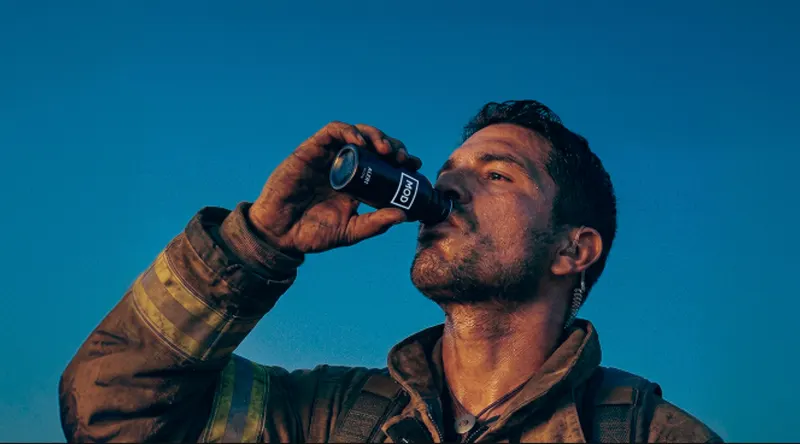
If you want to know how to survive night shifts as a firefighter, start with a system instead of a motivational speech. The job already gives you interrupted sleep, adrenaline spikes, and a commute home at the exact time your alertness is dropping. Your plan should protect sleep before shift, keep caffeine early, reduce pre-dawn mistakes, and make recovery after shift easier.
That matters because fatigue in the fire service is a real safety problem, not just an annoying part of the schedule. In a 2015 national firefighter study, 37.2% screened positive, and firefighters with sleep disorders had higher crash and drowsy-driving risk.
Key Takeaways
- The best night-shift plan protects both on-duty alertness and your first sleep block after shift.
- A 2023 systematic review and meta-analysis found pooled firefighter sleep-disorder prevalence of 30.49% and poor sleep-quality prevalence of 51.43%.
- Night-shift injury rates are 30% higher on night shifts than on day shifts.
- Use caffeine early enough that it supports the shift without wrecking daytime sleep after shift.
- Treat the drive home as a separate safety event, especially after repeated overnight calls.
- If excessive sleepiness at work and insomnia during planned sleep keep repeating, it is important to consider Shift Work Sleep Disorder (SWSD) or another sleep disorder.
- Firefighters in busy houses and quiet houses need different tactics, but both groups need protected recovery.
Before You Start
Before you change anything, set up the basics you can control:
- A dark, cool, quiet room for daytime sleep
- A clear recovery window at home with as few interruptions as possible
- A backup plan for the drive home if you are too tired to drive safely
- A written caffeine cutoff based on when you expect to sleep
If you snore heavily, wake up gasping, keep having near misses on the drive home, or cannot sleep after shift for weeks at a time, move faster toward a medical evaluation. In a 2024 firefighter screening study, 54% screened high risk.
Step-by-Step Instructions
Step 1: Protect sleep before the shift
Night shifts go better when you start with less sleep debt. Protect a main sleep block before duty when possible, or use a 60- to 90-minute pre-shift nap if your schedule allows it. Adapting to nights can take up to 10 days, so firefighters on short rotations often never fully adapt.
Step 2: Set your caffeine plan before the shift starts
Do not improvise caffeine at 4 AM. Use it earlier in the shift so it helps alertness without destroying daytime sleep. As a simple rule, stop meaningful caffeine about six hours before your planned sleep time. If you expect to sleep around 9 AM, that usually means cutting it off around 3 AM.
Step 3: Use different tactics for busy houses and quiet houses
If you work in a busy house, think about preserving decision quality: hydrate, eat lightly, move after calls, and avoid turning every dip in alertness into a caffeine emergency. If you work in a quieter house, protect controlled rest and keep wake-ups low stimulation. In one firefighter schedule study, 73% reported poor sleep quality, which is why preserving any useful rest matters.
Step 4: Treat the drive home like a safety event
Do not assume that because you finished the shift you are safe to drive. In firefighter research, sleep-disorder-positive firefighters had higher crash and drowsy-driving risk. If you are struggling to stay in lane, missing parts of the drive, or fighting to keep your eyes open, delay the drive, get a ride, or take a short reset.
Step 5: Sleep as soon as practical after shift
Most firefighters recover better when they sleep soon after shift instead of trying to stay up and "reset." Shift workers usually recover better when they sleep as soon as possible after work and keep their schedule as consistent as they reasonably can. Get home, keep the room cool and dark, skip nonessential errands, and protect that first sleep opportunity.
Tips for Best Results
- Keep overnight meals smaller and easier to digest than your pre-shift meal.
- Use bright light earlier in the shift, not right before your planned post-shift sleep.
- Wear dark glasses on the way home if sunrise makes it harder to fall asleep.
- Track two weeks of pre-dawn alertness, return-to-sleep speed, commute safety, and recovery quality.
- If your plan works on shift but ruins the next sleep block, it is not a good long-term plan.
If routine scheduling and caffeine changes are not enough, it may be worth discussing a wakefulness-promoting medication with your healthcare provider. Modafinil is an FDA-approved wakefulness-promoting agent for Shift Work Sleep Disorder (SWSD), but MOD products themselves are compounded medications and are not FDA-approved as products.
When MOD May Fit
MOD is not a replacement for sleep hygiene or a full sleep evaluation. It is a telehealth prescription option for shift workers who may be dealing with persistent wakefulness problems and want a specialized workflow instead of a general telehealth platform. That workflow is online intake, provider review, and medication ships to your door if prescribed.
If your provider decides medication is appropriate, MOD offers a compounded prescription-strength drink designed for shift-worker use cases. Compared with coffee or caffeine-only approaches, the idea is not a short burst followed by a crash. It is a longer wakefulness support built around Modafinil's wakefulness-promoting effect. It is still important to discuss potential side effects honestly. In SWSD studies, modafinil improved alertness, but potential side effects can include headache, nausea, anxiety, and insomnia. See the trial summary and the placebo-controlled study.
Common Mistakes to Avoid
- Waiting until the pre-dawn slump to decide on caffeine.
- Running errands after shift and wasting your best sleep window.
- Eating a heavy overnight meal that makes the slump worse.
- Assuming unsafe commute fatigue is just part of the job.
- Ignoring repeated snoring, insomnia, or near misses because everyone at the station is tired.
When to Talk to a Doctor or Provider
It is important to talk to a doctor or provider if any of these keep happening despite a serious recovery routine:
- You are exhausted on shift and still cannot sleep after shift.
- Your drive home keeps feeling unsafe.
- You need more caffeine every month just to feel functional.
- You snore loudly, wake up gasping, or someone notices breathing pauses.
- Mood, memory, patience, or recovery days keep getting worse.
The firefighter data supports taking that seriously. The 2023 meta-analysis estimated pooled firefighter sleep-disorder prevalence at 30.49%, and the 2015 national firefighter sample found 37.2% screened positive for at least one sleep disorder. If your provider suspects SWSD, sleep apnea, or insomnia, they may recommend formal testing, schedule changes, or medication options.
Frequently Asked Questions
How can firefighters sleep better between calls?
Firefighters sleep better between calls when they protect pre-shift rest, use controlled rest when possible, and stop burning recovery on late caffeine or unnecessary stimulation.
Should firefighters sleep right after shift?
Most firefighters should sleep right after shift because staying awake to reset usually deepens fatigue and wastes the best recovery window. Staying awake makes sense only at the end of a run when you got enough rest overnight and are using a short sleep block on purpose.
Why does firefighter fatigue worsen on night shifts?
Firefighter fatigue worsens on night shifts when circadian disruption, interrupted sleep, overtime, adrenaline spikes, and long commutes keep stacking together. A firefighter schedule study found poorer sleep quality on Kelly schedules than on 24-on/48-off schedules.
Can repeated overnight calls trigger SWSD?
Repeated overnight calls can contribute to SWSD when they create a persistent pattern of excessive sleepiness at work and insomnia during planned sleep.
What is the best nap length on a quiet firefighter night?
For most firefighters, a short controlled nap is best when the house is quiet enough to allow one without adding grogginess. A brief nap lowers sleep pressure and supports performance better than trying to force perfect sleep in an interruption-prone environment.
Learn more about how MOD works →
This article is provided for informational purposes only and does not constitute medical advice. The information presented is not a substitute for professional medical advice, diagnosis, or treatment. Always consult your healthcare provider to discuss the risks, benefits, and appropriateness of any treatment.
MOD offers access to healthcare providers who may prescribe compounded medications for the treatment of excessive daytime sleepiness associated with shift work sleep disorder (SWSD), when clinically appropriate.
The featured products include compounded medications that have not been approved by the FDA. Compounded medications may be prescribed under federal law but are not the same as, nor are they generic versions of, any FDA-approved medication. The FDA does not review compounded medications for safety, effectiveness, or manufacturing quality of compounded products. A prescription will only be written if deemed appropriate after the digital consultation by the licensed medical provider. Individual results may vary.