How Modafinil Works: A Beginner's Guide
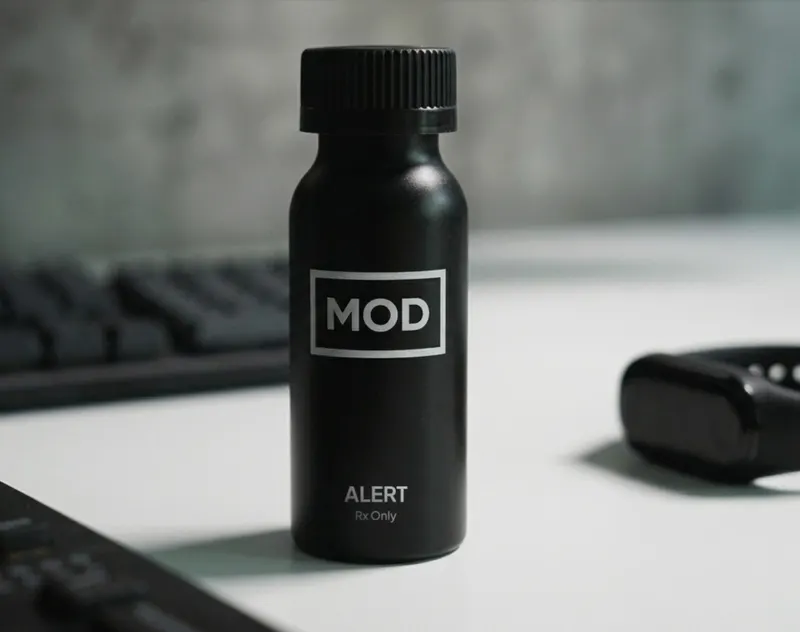
Modafinil is one of the most widely studied wakefulness-promoting medications available today.
Originally developed to help individuals with excessive daytime sleepiness, modafinil has since attracted attention for its effects on alertness, attention, and cognitive performance.
Unlike traditional stimulants, modafinil works through multiple neurotransmitter systems involved in wakefulness and focus, often skipping the feeling of extreme highs and lows associated with other stimulants.
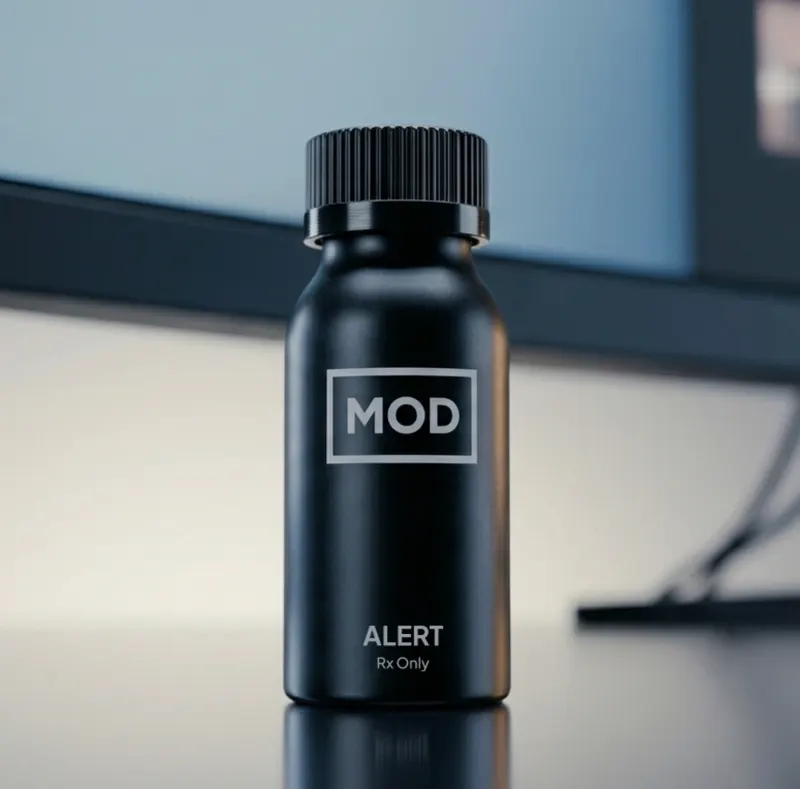
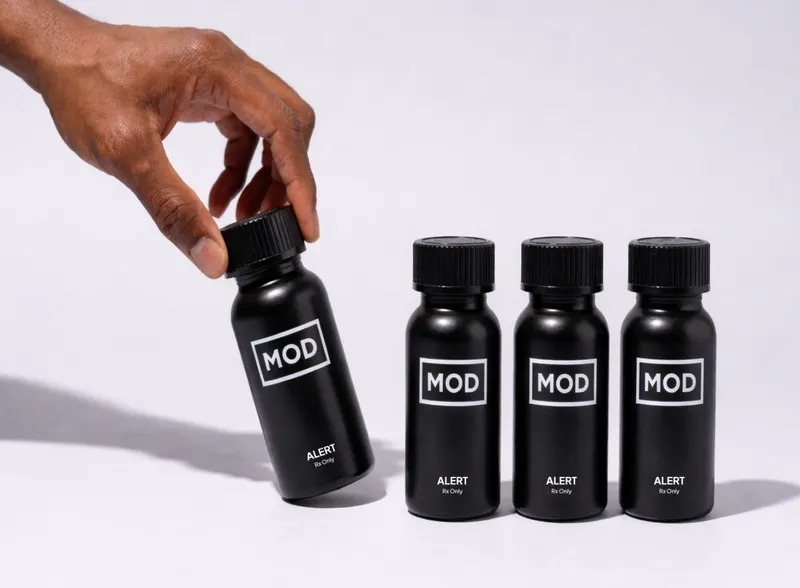
Below, we will dive into what the research says about how modafinil works and why it has become a popular option for individuals facing demanding schedules. We’ll also take a look at MOD Alert and explore why it might be a one-stop solution for upgrading your energy and cognition.
Key Takeaways
- Modafinil is a wakefulness-promoting medication known for treating narcolepsy, obstructive sleep apnea-related excessive sleepiness, and shift work sleep disorder.
- Unlike traditional stimulants, modafinil works through multiple neurotransmitter systems involved in wakefulness and attention.
- Research suggests modafinil may support alertness, executive function, working memory, and sustained attention.
- Modafinil has been studied in healthcare workers, military personnel, shift workers, and sleep-deprived individuals.
- MOD Alert combines modafinil and caffeine to support wakefulness, alertness, and productivity during demanding schedules.
What Is Modafinil?
Modafinil is a prescription medication used to promote wakefulness.
It was originally developed to help individuals with excessive daytime sleepiness and is FDA-approved for:
- Narcolepsy
- Obstructive sleep apnea-related excessive sleepiness
- Shift Work Sleep Disorder
Modafinil is technically classified as a wakefulness-promoting agent rather than a traditional stimulant.
Over time, modafinil has also attracted significant scientific interest because of its effects on alertness, attention, and cognitive performance.
How Does Modafinil Work in the Brain?
Unlike traditional stimulants, modafinil appears to influence several neurotransmitter systems involved in wakefulness and attention.
Researchers are still working to fully understand its exact mechanism of action.
According to a comprehensive review published in Neuropsychopharmacology, modafinil appears to affect multiple neurotransmitter systems involved in wakefulness, attention, and cognitive performance, including dopamine, norepinephrine, glutamate, orexin, and histamine signaling.
Rather than targeting a single pathway, modafinil appears to support several brain networks involved in alertness and sustained attention.
This unique mechanism is one reason modafinil is often described as a wakefulness-promoting agent rather than a traditional stimulant.
How Long Does Modafinil Take to Work?
Modafinil is absorbed relatively quickly after oral administration.
The maximum blood concentrations are typically reached approximately two to four hours after taking modafinil. Research published in Clinical Pharmacokinetics similarly found that modafinil reaches peak blood concentrations within two to four hours after administration.
Because peak blood concentration is not the same as the onset of effects, some individuals may notice wakefulness-promoting effects before the medication reaches its maximum concentration. However, individual experiences can vary based on factors such as dosage, metabolism, sleep status, and food intake.
How Long Does Modafinil Last?
One reason modafinil has become popular among shift workers and professionals with demanding schedules is its relatively long duration of action.
Research shows that modafinil has an elimination half-life of approximately 12 to 15 hours in healthy adults.
As a result, wakefulness-supporting effects may persist throughout much of the day.
What Does Modafinil Do?
Modafinil is primarily prescribed to promote wakefulness, which is why it's commonly used in conditions associated with excessive daytime sleepiness.
However, researchers have also studied modafinil's effects on cognitive performance, particularly in situations where focus, alertness, and mental endurance are challenged by fatigue or sleep deprivation.
Research suggests that modafinil may support several aspects of cognition, including attention, working memory, executive function, and decision-making.
In practical terms, these are the mental skills that help you:
- Stay focused on demanding tasks
- Process information efficiently
- Make decisions under pressure
- Maintain productivity during long workdays
- Remain alert during overnight shifts
This is one reason modafinil has been studied in healthcare professionals, military personnel, shift workers, and other individuals who regularly face demanding schedules and extended periods of wakefulness.
While modafinil is not a substitute for adequate sleep, research suggests it may help support wakefulness and cognitive performance when fatigue becomes a challenge.
Is Modafinil a Stimulant?
Modafinil is often grouped alongside stimulants because it promotes wakefulness.
However, its mechanism of action differs from traditional stimulant medications.
Modafinil produces wakefulness through a unique combination of neurochemical effects that differ from classic amphetamine-based stimulants like Adderall or Vyvanse.
For this reason, modafinil is commonly described as a wakefulness-promoting agent rather than a traditional stimulant.
Why Is Modafinil Used for Shift Work Sleep Disorder?
Shift Work Sleep Disorder (SWSD) occurs when work schedules interfere with normal sleep patterns.
Common symptoms include:
- Excessive sleepiness
- Reduced alertness
- Difficulty concentrating
- Fatigue during work hours
The FDA approved modafinil for Shift Work Sleep Disorder because research demonstrated improvements in wakefulness among affected individuals.
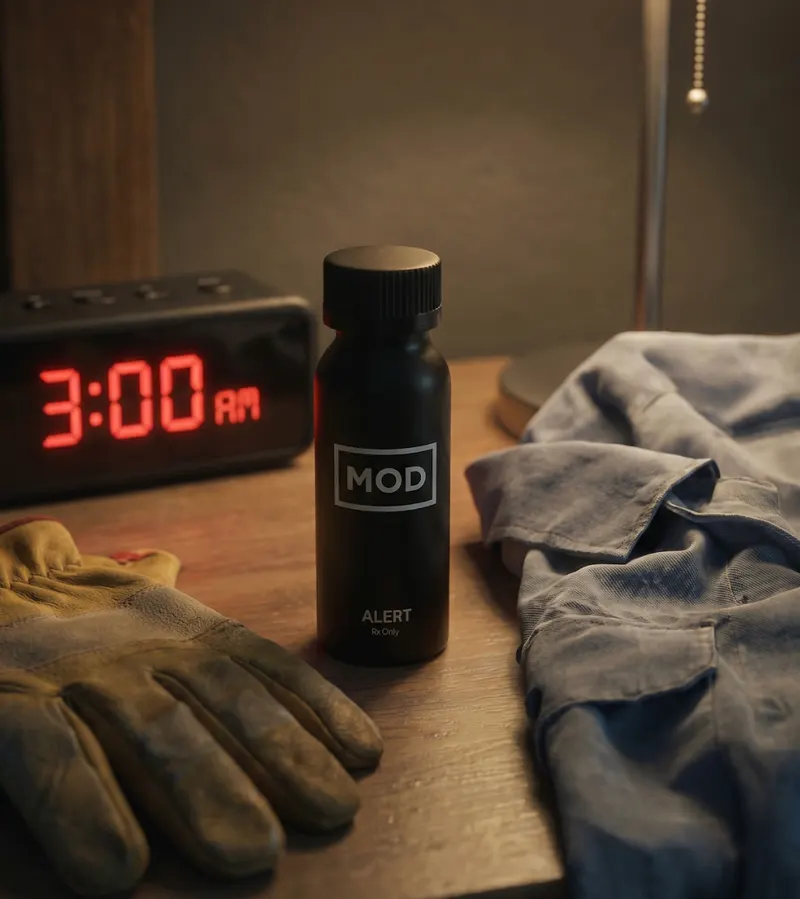
For professionals who work overnight shifts, rotating schedules, or extended hours, maintaining alertness can be particularly challenging.
MOD Alert and Wakefulness Support
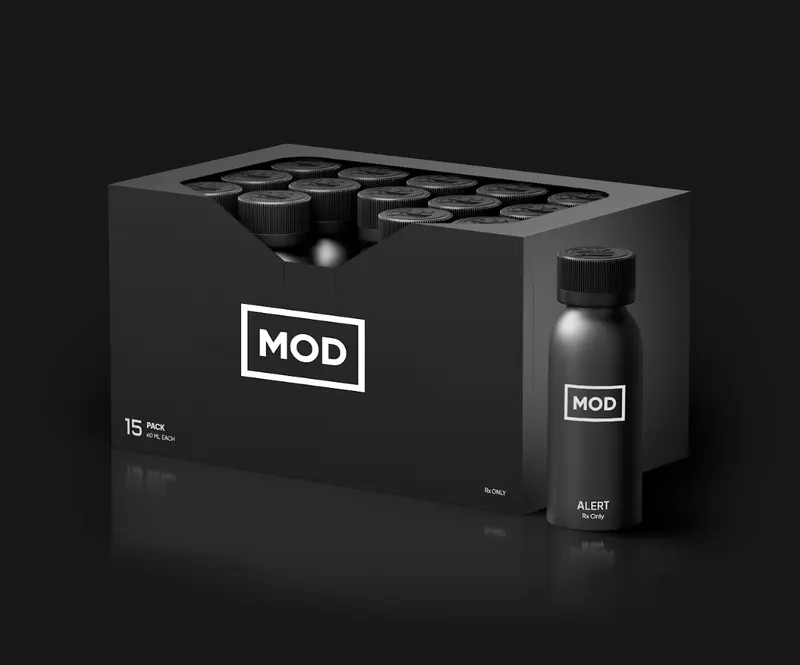
MOD Alert combines modafinil and caffeine to support wakefulness, alertness, and productivity during demanding schedules.
By combining one of the most extensively studied wakefulness-promoting medications with caffeine, MOD Alert was designed for individuals looking to maintain performance during long workdays, overnight shifts, travel, and other demanding situations. Caffeine kicks in fast, and modafinil lasts long for the ultimate support for sustained energy, attention, and focus.
Final Thoughts
Modafinil is a wakefulness-promoting medication that works through multiple neurotransmitter systems involved in alertness, attention, and cognitive performance.
Research suggests that modafinil may support wakefulness, executive function, working memory, and sustained attention, particularly during periods of fatigue or sleep deprivation.
For individuals facing demanding schedules, overnight work, or extended periods of mental effort, understanding how modafinil works can help explain why it has become one of the most widely studied wakefulness-promoting medications available today.
FAQs
What does modafinil do?
Modafinil is a wakefulness-promoting medication that helps improve alertness and reduce excessive sleepiness. Research suggests it may also support attention, working memory, executive function, and cognitive performance, particularly during periods of fatigue or sleep deprivation.
How does modafinil work?
Modafinil appears to influence multiple neurotransmitter systems involved in wakefulness and attention, including dopamine, norepinephrine, glutamate, orexin, and histamine signaling. Rather than targeting a single pathway, it appears to support several brain networks involved in alertness and sustained attention.
How long does modafinil take to work?
Modafinil reaches peak blood concentrations approximately two to four hours after administration. However, some individuals may notice wakefulness-promoting effects before peak concentrations are reached.
How long does modafinil last?
Research shows that modafinil has a half-life of approximately 12 to 15 hours, which helps explain its long duration of action and popularity among shift workers and professionals with demanding schedules.
Is modafinil a stimulant?
Not exactly. While modafinil promotes wakefulness, it works differently than traditional stimulant medications such as Adderall or Vyvanse. For this reason, it is often classified as a wakefulness-promoting agent rather than a traditional stimulant.
Is modafinil FDA-approved?
Yes. Modafinil is FDA-approved for narcolepsy, obstructive sleep apnea-related excessive sleepiness, and Shift Work Sleep Disorder.
Why is modafinil used for Shift Work Sleep Disorder?
Shift Work Sleep Disorder occurs when work schedules interfere with normal sleep patterns, causing excessive sleepiness and reduced alertness. Modafinil is approved to help improve wakefulness in individuals affected by this condition.
Can modafinil help with focus and productivity?
Research suggests modafinil may support attention, working memory, executive function, and decision-making, particularly in situations involving fatigue, sleep deprivation, or demanding mental tasks.
What is MOD Alert?
MOD Alert combines modafinil and caffeine to support wakefulness, alertness, focus, and productivity during demanding schedules. By pairing the rapid onset of caffeine with the long-lasting wakefulness support of modafinil, MOD Alert was designed for individuals facing long workdays, overnight shifts, travel, and other situations where maintaining performance matters.
This article is provided for informational purposes only and does not constitute medical advice. The information presented is not a substitute for professional medical advice, diagnosis, or treatment. Always consult your healthcare provider to discuss the risks, benefits, and appropriateness of any treatment.
MOD offers access to healthcare providers who may prescribe compounded medications for the treatment of excessive daytime sleepiness associated with shift work sleep disorder (SWSD), when clinically appropriate.
The featured products include compounded medications that have not been approved by the FDA. Compounded medications may be prescribed under federal law but are not the same as, nor are they generic versions of, any FDA-approved medication. The FDA does not review compounded medications for safety, effectiveness, or manufacturing quality of compounded products. A prescription will only be written if deemed appropriate after the digital consultation by the licensed medical provider. Individual results may vary.