How to Survive Night Shifts as a Factory Worker in 2026
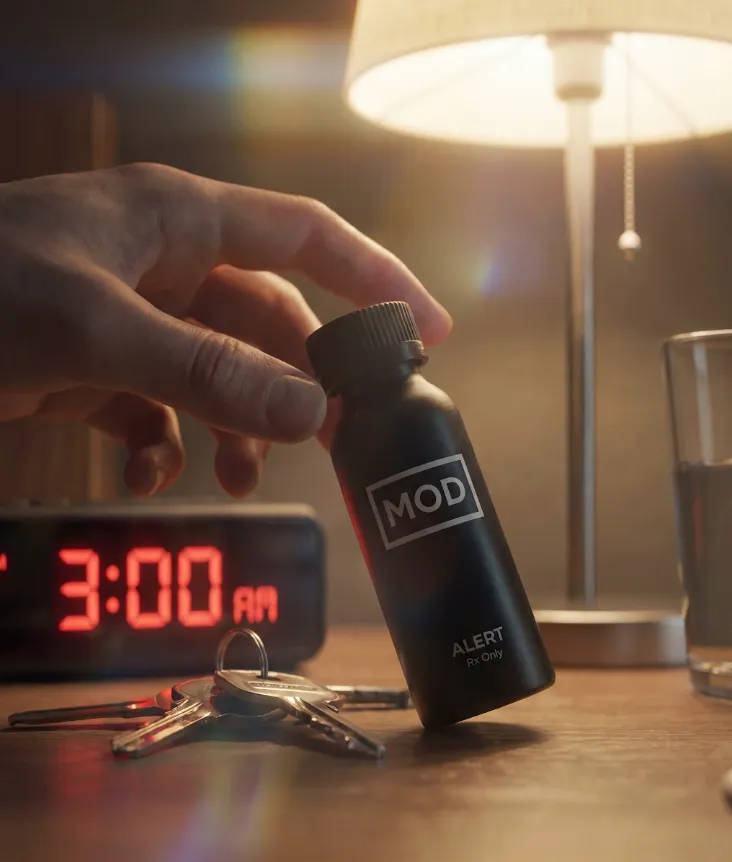
You push through the last few hours on the floor, drive home with the sunrise in your eyes, feel too wired to fall asleep, and come back the next night still only half-recovered. In factory work, that pattern can hit harder because fatigue does not just affect how you feel. It can affect machine checks, forklift awareness, quality control, hydration, and the commute home.
That is not just a motivation problem. CDC data found 34.1% of manufacturing workers reported short sleep, and 44.0% of night-shift workers reported short sleep overall. Separate CDC occupation-group data pointed in the same direction: production workers showed the highest short-sleep prevalence at 42.9%.
The best way to handle factory night shifts is to make the shift more predictable: protect one daytime sleep window, eat before you are running on fumes, use caffeine early instead of chasing the 4 AM wall, hydrate for the actual plant environment, and treat the drive home like part of the job. This guide helps you build that routine around real production-floor problems: 12-hour shifts, heat, PPE, meal timing, repetitive tasks, post-shift sleep, and the point where normal night-shift fatigue may be worth discussing with a clinician.
Key Takeaways
- OSHA says accident and injury rates are 30% greater during night shifts than day shifts, and working 12 hours per day is associated with a 37% increased risk of injury.
- A factory worker night shift plan works best when sleep, food, hydration, and commute safety are treated like one system instead of separate problems.
- A lighter overnight eating pattern usually works better than one heavy meal in the middle of the biological night.
- NIOSH says caffeine takes about 30 minutes to work and has a 5 to 6 hour half-life, so late-shift caffeine can easily sabotage daytime sleep.
- If you work around heat, steam, foundry zones, or heavier PPE, planned hydration is a safety habit, not a wellness extra.
Why Factory Night Shifts Feel Harder
Factory night work is not just "being tired at work." It means trying to stay precise around conveyors, lockout/tagout steps, quality checks, material moves, and machine restarts while your body clock is pushing toward sleep. That is why surviving factory night shifts is really a question about reducing predictable failure points.
Recovery is also harder than people expect. Noise, short breaks, heat, commute fatigue, and daytime light all stack together. You are often fighting both the shift itself and the conditions that make the next sleep window weaker.
Before You Start
If you are setting up a better night-shift routine, get the basics ready before your next block of nights:
- Pick one daytime sleep window you can repeat after every shift.
- Make the bedroom cool, dark, and quiet enough to stay asleep.
- Pack meals, snacks, and water before clock-in.
- Decide your caffeine cutoff before the shift starts.
- Have a backup plan for the drive home if you feel unsafe to drive.
If you are already wondering whether the fatigue is beyond "normal tired," it is worth tracking your symptoms and discussing them with a licensed clinician.
If these pieces are not ready before the shift starts, the rest of the routine usually falls apart under fatigue.
How to Survive Night Shifts as a Factory Worker
The simplest answer is this: protect recovery before shift, reduce predictable crashes during shift, and stop making the next sleep window harder than it has to be.
1. Lock in one post-shift sleep window
Most factory workers get more value from one repeatable sleep block after shift than from any sleep gadget. If your shift ends at 7 AM, the priority is getting to sleep as soon as you can and protecting that window until mid-afternoon. If one long block is unrealistic, split sleep on purpose with a shorter post-shift block and a planned pre-shift nap.
The point is not perfection. The point is repeatability. A sleep plan you can hold on tired days is worth more than an ideal schedule you abandon after one rough week.
2. Darken the commute and bedroom fast
Morning light, errands, notifications, and household noise are often the reason workers say they "had time to sleep" but still got only broken sleep. Keep the drive home dim, make the bedroom cold and boring, and tell the people you live with when your sleep block is protected.
If you are hungry before bed, keep it small. Heavy meals and bright screens right after shift make daytime sleep harder, not easier.
3. Build a realistic 12 hour night shift meal plan
A good 12 hour night shift meal plan is boring by design. Most factory workers do better with one real pre-shift meal, one protein-forward break meal, one lighter snack later in the night, and only a light post-shift option if they are still hungry before bed.
On a 7 PM to 7 AM shift, that might mean a full meal before clock-in, a wrap or rice bowl on first break, yogurt or fruit with protein later, and a small post-shift bite only if it’s important before bed. Chicken and rice, eggs, oats, wraps, tuna packets, yogurt, fruit, and bean-and-rice bowls usually work better than candy, vending-machine food, or grazing all night.
4. Hydrate for the actual plant environment
If your factory night shift happens in heat, poor airflow, or heavy PPE, hydration is a safety issue. OSHA says workers in the heat should drink water frequently and should not wait for thirst. In hotter conditions, OSHA notes some workers may need about 8 ounces every 15 to 20 minutes.
Keep water where you can reach it, refill it every break, and use electrolytes when the shift environment justifies it. If the plant is hot enough that headaches, dizziness, or a racing heart feel normal, the hydration plan is too loose.
5. Put caffeine early and stop chasing the 4 AM wall
Caffeine works better as a plan than as a rescue. NIOSH says it takes about 30 minutes to work and has a 5 to 6 hour half-life. If you expect to sleep around 9 AM, a 4 AM coffee is often part of the reason you are still wired in bed.
For most factory worker night shift schedules, use most of your caffeine in the first half of the shift and keep the cutoff at least 5 to 6 hours before planned sleep. That one change fixes more "I am exhausted but cannot sleep" problems than people expect.
6. Respect the 2 AM to 6 AM hazard window
NIOSH says the strongest circadian dip in wakefulness usually lands around 2 AM to 6 AM. That is a bad time to trust yourself blindly around machine restarts, repeated inspection tasks, material moves, or paperwork handoffs.
Use that dip like a warning light:
- Put the most attention-heavy work earlier when possible.
- Use bright light and movement before you feel yourself fading.
- Stand up and walk on breaks instead of staying parked in a chair.
- Double-check anything high risk near the end of the shift.
7. Treat the drive home as part of the shift
Your shift is not over when you hit the parking lot. CDC driver-fatigue guidance recommends pulling over, using caffeine, and taking a 15- to 30-minute nap if you become fatigued while driving.
If you are drifting lanes, missing exits, or fighting to keep your eyes open, do not white-knuckle it. Delay departure, nap, get a ride, or reset before the commute becomes the most dangerous part of the day.
When Night-Shift Fatigue May Be SWSD
Night-shift fatigue starts looking more like SWSD when you stay excessively sleepy at work and still cannot sleep well during your protected daytime window after fixing the basics. Cleveland Clinic notes that Shift Work Sleep Disorder is common among people who work nontraditional schedules.
Watch for a consistent pattern:
- You are too sleepy when it’s important to stay alert.
- You still cannot sleep well when you finally get the chance.
- The problem keeps showing up even after you clean up sleep timing, food timing, hydration, and caffeine timing.
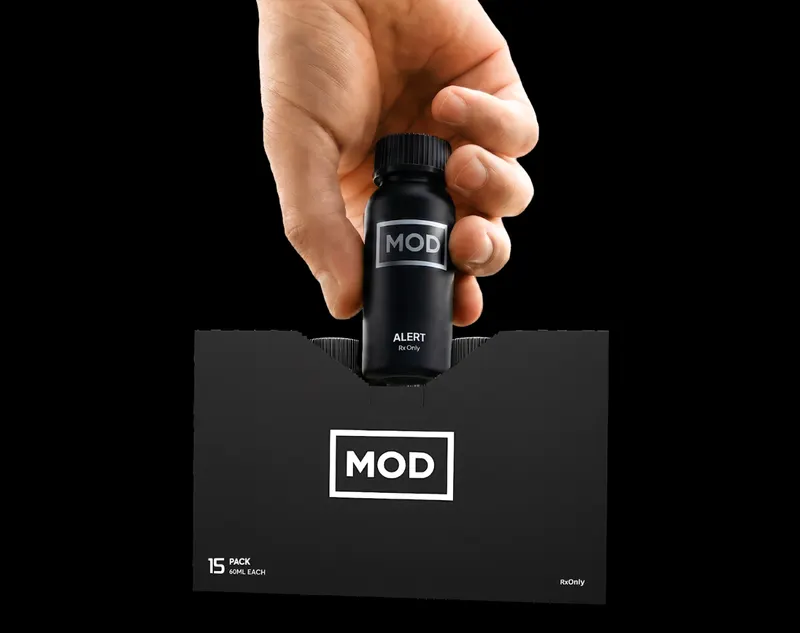
Modafinil, the active ingredient in MOD Alert, is FDA-approved to improve wakefulness in adults with excessive sleepiness associated with Shift Work Sleep Disorder. MOD products themselves are compounded medications and are not FDA-approved as finished products. It is also important to discuss potential side effects with your doctor or another licensed provider. Depending on the medication and your health history, potential side effects may include headache, nausea, anxiety, trouble sleeping, or changes in heart rate or blood pressure.
Tips for Best Results
- Keep your sleep and wake time within a narrow range during your workweek.
- Prep meals, water, and clothes before shift so you do not trade sleep for logistics.
- Track alertness, commute safety, and sleep length for two weeks before deciding your plan is not working.
- If the pattern still looks bad after that, bring your notes to a clinician visit so the conversation is based on a real pattern instead of one rough shift.
Common Mistakes to Avoid
- Using caffeine as a late-shift rescue: It may buy one better hour and cost you the next sleep window.
- Eating your heaviest meal at 2 AM: That often makes both work and post-shift sleep worse.
- Running errands after shift: Light and stimulation usually steal your best recovery window.
- Ignoring hydration because breaks are short: Heat and PPE do not care that the schedule is tight.
- Treating the drive home like an afterthought: Drowsy driving is part of the fatigue problem.
When Should You Talk to Your Doctor?
Talk to your doctor when night-shift fatigue stops behaving like a scheduling problem and starts behaving like a health problem.
- You are falling asleep or nearly falling asleep on the drive home.
- You are getting headaches, palpitations, nausea, or repeated near-miss moments on shift.
- You snore loudly, wake up gasping, or cannot stay asleep during your protected daytime sleep block.
- You keep increasing caffeine just to feel barely functional.
If you want a shift-work-specific option, it is important to talk with a licensed clinician about whether a prescription wakefulness treatment is appropriate for your symptoms, schedule, and health history.
Where MOD Alert Fits for Factory Night Shifts
Start with routine before you start chasing a medical fix. A protected sleep block, lighter overnight meals, planned hydration, and earlier caffeine usually do more for safety and recovery than another desperate 4 AM workaround.
If those basics still do not touch the excessive sleepiness, that is the point where it is important to talk to your doctor about SWSD and the treatment paths that fit your situation. MOD Alert may be worth evaluating if you want a shift-work-specific option built around a compounded prescription-strength drink. It still requires clinician approval, a potential side-effect discussion, and realistic expectations about what medication can and cannot do. Explore MOD plans, read the MOD FAQ, or contact MOD for support.
Frequently Asked Questions
How do you survive a factory night shift?
You survive a factory night shift best by protecting one repeatable sleep block, front-loading caffeine, and replacing improvised food with planned meals. Most factory workers feel less wrecked the next day when recovery becomes predictable instead of reactive. It also helps to treat the drive home as part of your safety plan, not an afterthought.
How do factory workers stay alert at night?
Factory workers stay alert at night more reliably when they use caffeine early, move before the circadian dip, hydrate every break, and avoid heavy meals. The goal is steady alertness, not a late-shift rescue that ruins daytime sleep after clock-out. Around 2 AM to 6 AM, use extra checks for repetitive or high-risk tasks.
What should you eat on a 12-hour night shift?
On a 12-hour night shift, most workers do best with one real pre-shift meal, one protein-forward break meal, and one lighter snack. Wraps, rice bowls, yogurt, eggs, fruit, oats, and tuna packets usually work better than candy, fried food, or constant grazing. Keep the post-shift option light if sleep is next.
Why can't I sleep after a night shift?
You often cannot sleep after a night shift because morning light, late caffeine, heavy meals, and a changing bedtime keep your body alert. Exhaustion is not the same thing as good sleep timing. A dark commute, a protected sleep window, and a caffeine cutoff 5 to 6 hours before planned sleep can help.
When does night-shift fatigue suggest SWSD?
Night-shift fatigue suggests SWSD when you stay excessively sleepy at work and still cannot sleep well during your protected daytime sleep window. That is the point where a clinician's evaluation makes more sense than more self-blame. Bring notes about sleep timing, caffeine use, near-misses, and commute safety to the visit.
This article is provided for informational purposes only and does not constitute medical advice. The information presented is not a substitute for professional medical advice, diagnosis, or treatment. Always consult your healthcare provider to discuss the risks, benefits, and appropriateness of any treatment.
MOD offers access to healthcare providers who may prescribe compounded medications for the treatment of excessive daytime sleepiness associated with shift work sleep disorder (SWSD), when clinically appropriate.
The featured products include compounded medications that have not been approved by the FDA. Compounded medications may be prescribed under federal law but are not the same as, nor are they generic versions of, any FDA-approved medication. The FDA does not review compounded medications for safety, effectiveness, or manufacturing quality of compounded products. A prescription will only be written if deemed appropriate after the digital consultation by the licensed medical provider. Individual results may vary.