How to Survive Night Shifts as a Bartender in 2026
If you bartend nights, you know the shift does not really end when the last guest leaves. You still have closing work, a wired brain, morning light on the way home, and a sleep window that can disappear fast. How to survive night shifts as a bartender is a systems problem, not a motivation problem: protect a fixed sleep window, front-load caffeine, eat before the rush, hydrate through service, shorten your close, and block morning light on the way home.
This guide explains how to survive night shifts as a bartender with a repeatable sleep schedule, smarter caffeine timing, and a closing routine that gets you out faster.
In a published review in PMC, researchers note that shift work sleep disorder is estimated to affect roughly 10% to 38% of shift workers across different populations and study designs.
Key Takeaways
- Treat bartending like an athletic event: fuel before the rush, hydrate during it, and recover on purpose after it.
- Keep the same sleep window most days of the week, even if it is later than other people's.
- Use caffeine early in the shift, not at last call. NIOSH notes caffeine has a 5 to 6 hour half-life for many adults, which is why late caffeine wrecks post-shift sleep.
- Use a short pre-shift reset or nap when possible. NIOSH says both 15 to 30 minute naps and 90-minute naps can improve alertness.
- Build a closing routine that reduces decision fatigue: restock, note low items, reset your station, and get your brain out of work mode before you walk out.
- Skip the "shift drink" habit if sleep is already shaky. Alcohol may help you feel sleepy, but it also increases sleep disruption and early awakening.
- If fatigue is constant, your sleep is fragmented, and you are white-knuckling every shift, it is worth talking to a healthcare provider about Shift Work Sleep Disorder (SWSD).
How to Survive Night Shifts as a Bartender
A reliable way to survive night shifts as a bartender is to control sleep, caffeine, food, hydration, and closing instead of improvising nightly. Use this table to match each part of the shift to one action.
- Protect a fixed sleep window so your body is not guessing when recovery starts.
- Eat before the rush so you are not trying to run six hours on caffeine and fries.
- Use caffeine early instead of near last call, when it is most likely to delay sleep.
- Hydrate through service to reduce irritability, headaches, and sloppy late-shift decisions.
- Start your close before you are wrecked so cleanup does not steal another 30 to 45 minutes.
- Block bright morning light on the way home so your brain gets a stronger sleep cue.
Before You Start
Before you change anything, set up the basics that make the rest of this guide work:
- Pick a target sleep window you can repeat on most workdays.
- Decide when caffeine stops for the night before the shift starts.
- Pack water, an easy snack, and whatever helps you darken your room when you get home.
- Make your close predictable enough that you are not still making decisions when you should be winding down.
Why Night Shifts Hit Bartenders So Hard
Night shifts hit bartenders hard because circadian timing, physical strain, and service adrenaline keep the body exhausted while the brain stays activated. Bartender late shift fatigue is not just a motivation problem.
According to CDC/NIOSH, short sleep duration was more prevalent among night-shift workers than daytime workers.
A busy bar compounds the problem: noise, bright light, repetitive motion, and a constant stream of micro-decisions. According to OSHA, accident and injury rates are 18% higher on evening shifts and 30% higher on night shifts than on day shifts.
Step 1: Set Up the Shift Before Service
The best bartenders manage energy before service by protecting sleep, eating early, planning caffeine, and setting up recovery before the first pour.
Start with the basics:
- Protect a real sleep window. Most adults still need 7 to 9 hours of sleep every day, even if that sleep happens later than everyone else's.
- Eat before the rush. Go into service with protein, carbs, and fluids already on board. A sandwich, rice bowl, wrap, eggs, yogurt, fruit, or leftovers beat starting a six-hour rush on espresso and fries.
- Know your caffeine plan before the first pour. If you wait until you are dragging, you are more likely to overdo it late.
- Pre-pack recovery. Water bottle, post-shift snack, sunglasses for the commute home, earplugs, and a simple plan for when you walk through the door.
If you bounce between open, mid, and close shifts, the goal is not perfect adaptation. It is reducing avoidable hits to your sleep and energy.
Step 2: Protect Sleep
Your sleep window matters most because consistent recovery makes every other tactic easier to use and keeps late shifts from compounding fatigue. If your sleep window is random, everything downstream gets harder.
For a bartender who closes at 2 AM and leaves around 3:30 or 4 AM, a realistic sleep window might be 5 AM to noon or 1 PM. The exact time matters less than the consistency. Sleep Foundation recommends that permanent night workers keep a consistent sleep schedule, even on days off.
To make that sleep window work:
- Get home efficiently. Do not turn a 4 AM close into a 6 AM bedtime because you scrolled, ate a huge meal, or started replaying the shift.
- Darken the room aggressively. Blackout curtains, a sleep mask, and white noise are not optional if daylight wakes you easily.
- Cool the room down. That supports sleep onset and deeper sleep.
- Set boundaries at home. Family, roommates, and delivery noise can ruin recovery faster than the shift itself.
Step 3: Eat and Hydrate for a Long Close
A common way to feel wrecked halfway through service is to under-eat early and then try to fix it with caffeine and sugar.
Use a simple framework:
- Before shift: eat a meal with protein, slow carbs, and some fat.
- During shift: sip water between tickets or between guest waves.
- Mid-shift: if you can, grab something small that is easy to digest, like fruit, yogurt, jerky, nuts, a protein bar, or half a sandwich.
- After shift: have a light recovery snack if you are hungry, not a huge greasy meal right before bed.
This matters for focus, mood, and sleep. Huge meals late can keep you awake, while going to bed starving can wake you up early.
Bartenders spend hours in warm rooms under stress, often talking nonstop. If you also drink alcohol after work, recovery usually takes another hit.
Step 4: Use Caffeine Early
Use caffeine early and deliberately so it sharpens the shift you are working without wrecking the sleep you need afterward.
NIOSH notes that caffeine has a 5 to 6 hour half-life for many adults, and night shift workers should use it at the beginning of the shift and stop several hours before the shift ends. A practical cutoff is at least four hours before the end of your workday.
If you are using any prescription medication for wakefulness, it's important to discuss timing with your healthcare provider. Modafinil is a non-amphetamine wakefulness-promoting agent, but it is still a medication and should be used only as prescribed.
For bartenders, that usually means:
- Have your main caffeine dose before service or early in service.
- Avoid the "emergency coffee" near close unless you truly have no choice.
- Stop pretending the Red Bull at 1 AM is free. You will pay for it at 5 AM when you are still awake.
If your bar allows it, a short pre-shift nap can work better than just adding more caffeine. Short naps can improve alertness when you use them strategically.
Step 5: Work the Rush in Controlled Sprints
Think in blocks instead of one endless service:
- Reset your station whenever the room gives you 60 seconds.
- Batch what can be batched so you are not doubling your steps.
- Keep water where you will actually reach for it.
- Use checklists for close instead of relying on your memory at 2:30 AM.
That approach lowers decision fatigue and makes the close easier because you are fixing problems before fatigue turns them into time-wasting cleanup.
Step 6: Close Fast and Decompress
A bartender closing shift routine should do two jobs: set the next shift up properly and tell your nervous system the emergency is over.
Use a close that is boring on purpose:
- Restock the essentials. Ice bins, syrups, garnishes, backup bottles, receipt paper, glassware.
- Write down low-stock items and weird service notes. Get them out of your head.
- Clean in the same order every night. Predictability saves mental energy.
- Do not linger after the bar is done unless there is a real reason.
- Decide your first three home steps before you leave. For example: shower, snack, phone down.
Once you are home, keep the wind-down low stimulation. A relaxing routine and lower light levels for 1 to 2 hours before bedtime can make it easier to power down. Think shower, small snack, stretching, reading, or white noise, not your brightest kitchen lights and 45 minutes of TikTok.
Tips for Best Results
- Wear sunglasses on the commute home if someone else is driving or if it is safe for your route. Minimizing morning light exposure after night work can help because light suppresses melatonin.
- Keep your off-day sleep roughly aligned. Sleeping a little earlier is fine. Completely flipping back and forth is usually what breaks your week.
- Use movement on purpose. A walk after waking can improve mood and give structure to your day.
- Respect the drive home. If you feel unsafe to drive, pause, hydrate, take a brief nap if appropriate, or get a ride. Fatigue accidents are not hypothetical.
- Pay attention to your relationship with alcohol. If every hard close ends with multiple drinks, that pattern may be doing more damage to your sleep than you think.
Common Mistakes to Avoid
- Using caffeine as a rescue plan all night: If every dip in energy gets answered with more caffeine, sleep gets pushed later and the next shift starts more depleted.
- Eating like the shift is random: Fries, soda, and whatever is left over at 1 AM are an emergency patch, not a recovery strategy.
- Letting the shift follow you home: A 60-second note about low items, breakage, or guest issues can stop your brain from keeping the shift open.
- Treating the shift drink like recovery: Alcohol may promote sleep onset while also causing early awakening and sleep disturbances.
- Assuming feeling awful is just part of bartending: Some fatigue is normal after a late close. Feeling terrible every shift is not.
When Should You Talk to a Doctor?
Talk to a doctor when fragmented sleep, unsafe fatigue, or constant dependence on caffeine and adrenaline start undermining work, recovery, or safety.
Shift Work Sleep Disorder is a real diagnosis, not a personality flaw.
For some people, better routines, strategic naps, and smarter caffeine timing are enough. For others, especially workers with clear SWSD symptoms, it is important to discuss medical options with a provider. The active ingredient Modafinil is FDA-approved for Shift Work Sleep Disorder, as noted in an FDA clinical pharmacology review.
How to Survive Night Shifts Long Term
Long-term survival comes from treating sleep, food, caffeine, and closing as a repeatable system.
- If your main problem is feeling wired after every close, the best move is a stricter closing routine, an earlier caffeine cutoff, and lower light exposure on the way home.
- If your main problem is daytime sleep getting broken up, focus first on a consistent sleep window, blackout conditions, and a post-shift routine that gets you in bed faster.
- If your main problem is ongoing fatigue even when you are doing the basics right, it is worth talking to a provider about whether Shift Work Sleep Disorder is part of the picture.
That is the core answer to how to survive night shifts as a bartender: protect sleep first, then use food, caffeine, and workflow to support that sleep instead of stealing from it.
MOD Options for Shift Workers
If you have already cleaned up your sleep routine and still feel like you are white-knuckling every overnight close, talking to a provider about Shift Work Sleep Disorder is a reasonable next step.
MOD offers telehealth access to compounded liquid medications designed for shift workers. The process includes an online medical intake form, review by a licensed medical provider, and medication shipped to your door if treatment is approved. MOD products are prescription-strength compounded medications, not standard energy drinks or FDA-approved products.
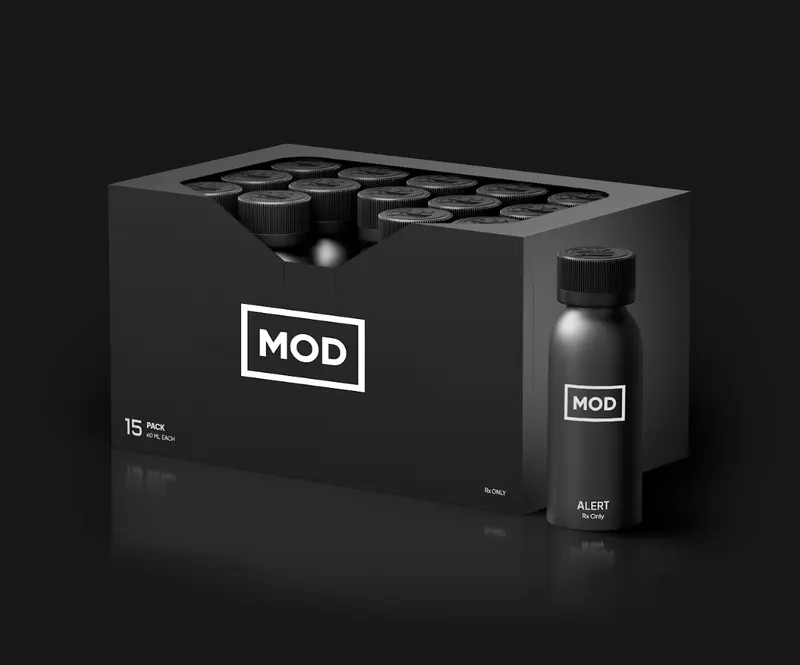
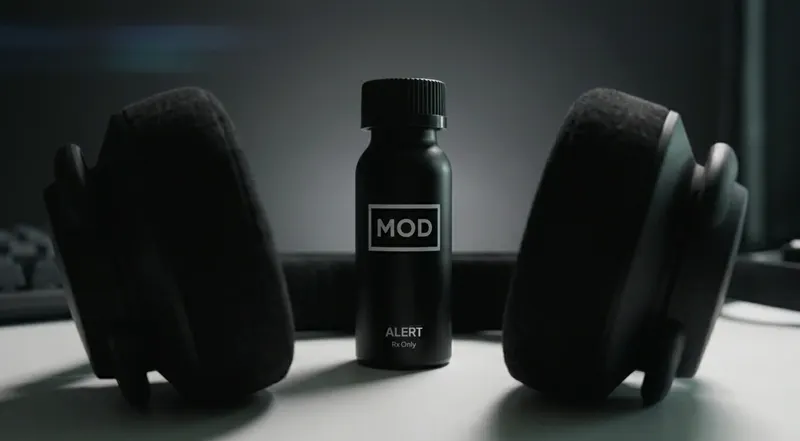
For shift workers who need sustained alertness, MOD Alert combines Modafinil with caffeine in a compounded prescription drink. Each bottle contains 150 mg of Modafinil and 60 mg of caffeine in a convenient liquid form, and the product is designed to support energy and focus during long or demanding shifts.
Frequently Asked Questions
Why am I exhausted but still can't sleep?
You feel exhausted but still awake because fatigue and stimulation peak together after service, leaving your body tired while your brain keeps firing. Loud music, bright light, guest interactions, late caffeine, and alcohol exposure can keep your nervous system activated even when your legs are done. The fix is usually a faster wind-down: leave sooner, dim light sooner, and stop adding caffeine near close.
How late is too late for caffeine?
Caffeine is usually too late when it lands within several hours of your target bedtime and keeps you alert after the shift ends. A practical rule is to stop several hours before your target bedtime. If you are usually trying to sleep around 5 AM, that 1 AM coffee or high-caffeine drink may still be active when you get home.
Is the post-shift drink actually making my sleep worse?
Yes, a post-shift drink often makes sleep worse by causing early drowsiness followed by lighter, more fragmented rest before recovery is complete. Alcohol can make you feel drowsy at first, but it tends to fragment sleep and wake you up earlier. If you already have a fragile bartender sleep schedule, regular post-shift drinking often makes recovery worse instead of better.
How do I survive back-to-back closes?
The best way to survive back-to-back closes is to simplify recovery so sleep, food, and caffeine timing stay consistent between shifts. Keep the same post-shift routine, use caffeine only early, eat before the rush, and start your close before your brain gets sloppy. Back-to-back closes get easier when your recovery routine stays boring and repeatable.
This article is provided for informational purposes only and does not constitute medical advice. The information presented is not a substitute for professional medical advice, diagnosis, or treatment. Always consult your healthcare provider to discuss the risks, benefits, and appropriateness of any treatment.
MOD offers access to healthcare providers who may prescribe compounded medications for the treatment of excessive daytime sleepiness associated with shift work sleep disorder (SWSD), when clinically appropriate.
The featured products include compounded medications that have not been approved by the FDA. Compounded medications may be prescribed under federal law but are not the same as, nor are they generic versions of, any FDA-approved medication. The FDA does not review compounded medications for safety, effectiveness, or manufacturing quality of compounded products. A prescription will only be written if deemed appropriate after the digital consultation by the licensed medical provider. Individual results may vary.