How to Boost Energy Without Crashing: 7 Science-Backed Strategies That Actually Work
You know the feeling. It's 2:30 in the afternoon, and your brain just... stops cooperating. Maybe you slammed a coffee at noon, rode the wave for an hour, and now you're somehow more tired than before you drank it. Or maybe you grabbed a granola bar thinking it would help, and thirty minutes later you're fighting to keep your eyes open.
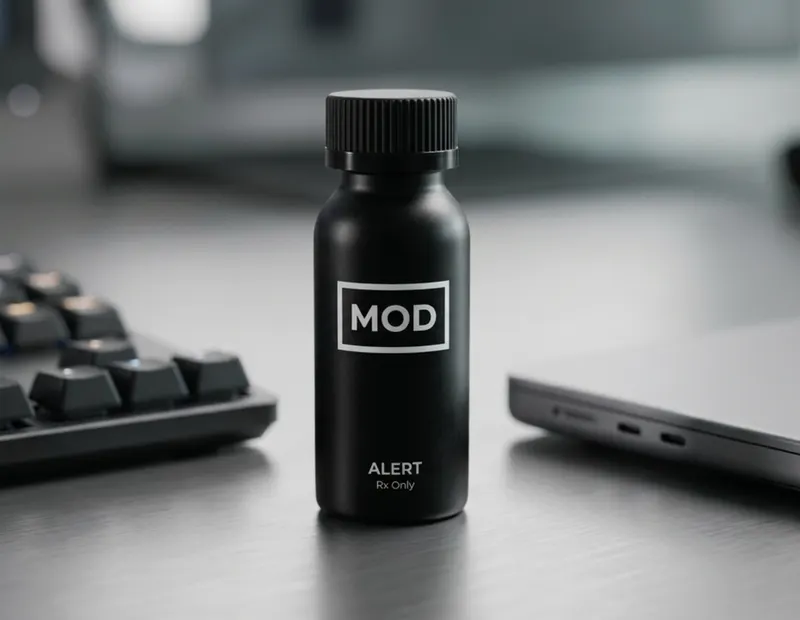
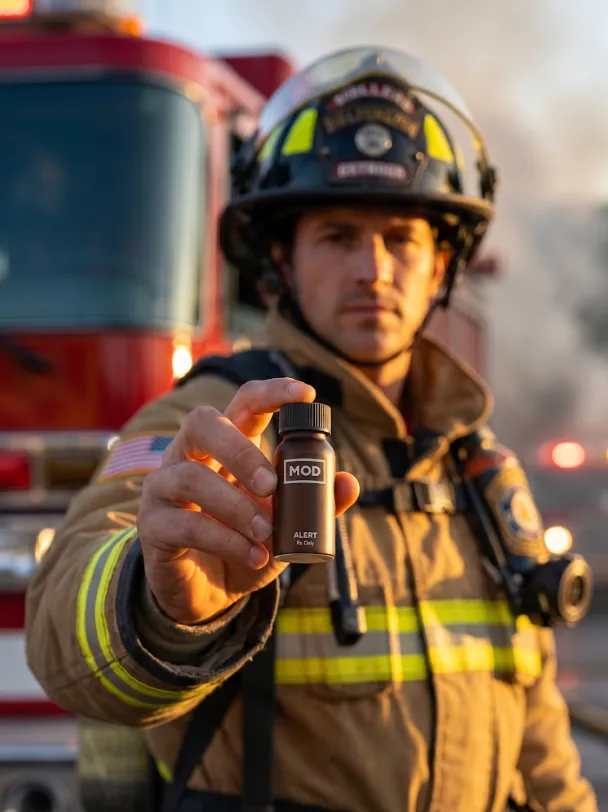
If you're trying to figure out how to boost energy with less of a crash, you're asking the right question. The problem isn't that you need more caffeine or willpower. The problem is that most "energy fixes" create the exact crash cycle they're supposed to prevent. For some people — especially adults dealing with excessive daytime sleepiness related to shift work — lifestyle changes alone may not be enough. That’s where specifically compounded prescription options like MOD come in.
Here's the thing: that crash isn't random. It's your body responding to predictable biological signals. And once you understand why your energy tanks, you can actually do something about it — without relying on another hit of caffeine to white-knuckle your way through the afternoon.
This guide breaks down the science behind energy crashes and walks you through seven evidence-based strategies to maintain steady, sustained energy throughout your day. No gimmicks, no "just try harder" advice. Just what actually works, backed by peer-reviewed research.
Key Takeaways
- Energy crashes are predictable — they result from adenosine rebound after caffeine and reactive hypoglycemia after sugar, not random fatigue.
- Sleep quality matters more than quantity — consistent bedtimes and morning sunlight improve next-day energy more than sleeping in.
- Food composition controls blood sugar stability — complex carbs + protein + healthy fats = steady energy; refined carbs = spike and crash.
- Even mild dehydration (1.5% body weight loss) causes fatigue — drink water before reaching for caffeine.
- Exercise creates energy, not just spends it — regular moderate activity increases mitochondrial density and improves metabolic efficiency.
- Caffeine has a 5-6 hour half-life — a 3 pm coffee means 50% is still active at 9 pm, stealing from tonight's sleep.
- The 2-4 pm slump is biological, not a personal failing — work with your circadian rhythm by scheduling demanding tasks during peak alertness windows.
Why Energy Crashes Happen (The Science, Simply Explained)
Before we fix the problem, let's understand what's actually going on in your body when you crash. There are two main culprits working against you — and they often team up. The adenosine rebound and blood sugar fluctuations.
The Adenosine Rebound
Your brain has a built-in sleep pressure system driven by a molecule called adenosine. Throughout the day, adenosine gradually builds up in your brain, making you progressively sleepier. It's basically your body's way of saying, "Hey, you've been awake long enough. Time to wind down."
Caffeine works by blocking adenosine receptors — it doesn't stop adenosine from building up, it just prevents your brain from "hearing" the sleepy signal. The problem? While caffeine is blocking those receptors, adenosine keeps piling up in the background. When the caffeine finally wears off (typically 3-6 hours later), all that accumulated adenosine floods your receptors at once.
That's why the post-caffeine crash can feel worse than the tiredness you started with. You haven't reduced your sleep pressure — you've just been ignoring it.
The Blood Sugar Rollercoaster
The second crash trigger is blood sugar instability. When you eat or drink something high in simple sugars — candy, soda, a pastry, most energy drinks — your body absorbs it fast. Blood sugar spikes, and your pancreas responds by releasing a surge of insulin to bring it back down.
The issue is that insulin often overcorrects. Your blood sugar drops below baseline, a pattern called reactive hypoglycemia. This postprandial blood sugar crash can cause lightheadedness, brain fog, shakiness, irritability, and fatigue — sometimes within 30 to 90 minutes after eating.
Now stack both together: a caffeine rebound plus a blood sugar crash happening at the same time. That's what makes the typical mid-afternoon energy collapse feel so brutal.
The good news? Every strategy below targets one or both of these mechanisms. If you want to boost energy without crashing, you need to address the biology, not just the symptoms. Let's get into it.
Step 1: Fix Your Sleep (Quality Beats Quantity)
This one sounds obvious, but hear us out — because it's not just about sleeping more. It's about sleeping better.
Research shows that people who get higher-quality sleep have measurably better energy levels the next day, even when total sleep hours are similar. Going to bed earlier (rather than sleeping in later) is associated with better blood sugar control the following morning, which directly affects your energy stability.
What to do:
- Aim for 7-9 hours per night. That's the sweet spot for most adults, according to the National Sleep Foundation.
- Keep a consistent schedule. Go to bed and wake up at the same time every day — yes, including weekends. Your circadian rhythm thrives on predictability.
- Get morning sunlight. Spend 10-15 minutes in direct sunlight within the first hour of waking. This is the single strongest signal to calibrate your internal clock, improving both sleep quality and daytime alertness.
- Cool your room. Your body temperature naturally drops during sleep. A room between 60-67 degrees Fahrenheit supports this process.
- Cut screens 30-60 minutes before bed. Blue light from phones and laptops suppresses melatonin production, delaying sleep onset.
If you only fix one thing on this list, fix your sleep. It's the foundation everything else builds on.
Step 2: Eat for Sustained Energy (Not Quick Spikes)
Your food choices directly control that blood sugar rollercoaster we talked about earlier. The goal is simple: slow, steady glucose release instead of sharp spikes and crashes. This is one of the most actionable ways to boost energy without crashing throughout your day.
What to eat:
- Complex carbohydrates: Oats, quinoa, sweet potatoes, brown rice, and whole-grain bread release glucose gradually, giving you a longer energy runway.
- Protein at every meal: Eggs, Greek yogurt, chicken, fish, beans, and legumes slow digestion and stabilize blood sugar.
- Healthy fats: Nuts, seeds, avocados, and olive oil provide sustained fuel and further blunt glucose spikes.
- Fiber-rich foods: Vegetables, fruits, and legumes slow sugar absorption and feed your gut microbiome.
What to limit:
- Sugary drinks and snacks. Soda, candy, pastries, and most commercial smoothies cause the exact blood sugar spike-and-crash cycle you're trying to avoid.
- Refined carbs. White bread, white rice, and most packaged snacks behave like sugar in your body.
- Large, heavy meals. Your brain has very few energy reserves of its own and needs a steady supply of nutrients. Eating smaller meals and snacks every 3-4 hours keeps the supply consistent.
A practical energy-sustaining meal example:
Instead of a bagel with cream cheese (refined carb spike), try oatmeal topped with walnuts, berries, and a scoop of Greek yogurt. You get complex carbs, healthy fats, protein, and fiber — your body processes that combination slowly and steadily. Harvard Health recommends this kind of carb-fiber-protein combination for sustained energy throughout the day.
Step 3: Stay Hydrated (Dehydration = Stealth Fatigue)
This is the most underestimated energy strategy on the list. Dehydration doesn't just make you thirsty — it makes you tired, foggy, and slow.
A 2012 study published in The Journal of Nutrition found that even mild dehydration — as little as 1.36% body weight loss, which can happen before you even feel thirsty — significantly degraded mood and lowered concentration in healthy young women. A companion study on men found similar results: mild dehydration (1.59% body weight loss) increased fatigue, tension, and anxiety while impairing working memory and vigilance.
The physiological reason is straightforward: when you're dehydrated, your blood volume drops. This reduces venous return to the heart and forces your cardiovascular system to work harder to deliver oxygen and nutrients to your brain and muscles. That extra effort manifests as fatigue.
What to do:
- Don't wait until you're thirsty. By that point, you're already mildly dehydrated.
- Aim for consistent intake. The National Academies of Sciences recommends roughly 15.5 cups (3.7 liters) of total daily fluid for men and 11.5 cups (2.7 liters) for women. That includes water from food.
- Drink a glass of water first thing in the morning. You wake up mildly dehydrated after 7-8 hours without fluid.
- Keep water visible. A bottle on your desk is a constant reminder. Simple, but it works.
- Watch for the signs. Dark yellow urine, dry mouth, headache, and afternoon fatigue are all signals to drink up.
If you're feeling a random energy dip, try a full glass of water before reaching for caffeine. You might be surprised how often dehydration is the actual culprit.
Step 4: Move Your Body (The Energy Paradox)
Here's something counterintuitive: spending energy through exercise actually creates more energy.
This isn't just motivational poster fluff — it's biology. A 2022 systematic review and meta-analysis of randomized trials found that regular exercise produces a small-to-moderate increase in feelings of energy and vitality while significantly reducing feelings of fatigue. Exercise increases mitochondrial density in your cells (mitochondria are your cellular power plants), improves insulin sensitivity (so your body converts food to fuel more effectively), and regulates hormones that affect alertness and mood.
Harvard Health puts it bluntly: regular physical activity "almost guarantees" better sleep and gives your cells more energy to burn while circulating oxygen more efficiently throughout your body.
What to do:
- Aim for 150 minutes of moderate-intensity activity per week. That's about 30 minutes, five days a week. Walking counts.
- Add strength training 2-3 times per week. Muscle mass improves metabolic efficiency and energy production.
- Move in the morning if you can. Morning exercise syncs with your cortisol peak and helps set your circadian rhythm for the day.
- Use movement as an energy reset. Feeling the afternoon slump? A 10-minute walk can be more effective than a cup of coffee. Research shows even brief bouts of activity reduce fatigue and improve alertness.
- Don't overdo it. Excessive exercise without adequate recovery creates fatigue, not energy. Listen to your body.
The hardest part is starting — especially when you're already tired. But the paradox is real: the energy you invest in movement comes back to you with interest.
Step 5: Time Your Caffeine Right
Caffeine isn't the enemy. But how and when you use it makes an enormous difference between sustained alertness and the crash-and-burn cycle. Getting your caffeine timing right is essential if you want to boost energy without crashing.
The science of caffeine timing:
Caffeine has a half-life of 5-6 hours in most people. That means if you drink 200mg of caffeine (roughly one strong coffee) at 3pm, you still have about 100mg active in your system at 9pm — and about 50mg at 3am.
A 2024 randomized clinical trial published in the journal Sleep found that caffeine consumed as a single 400mg dose significantly disrupted sleep quality, and even moderate doses within several hours of bedtime caused measurable sleep fragmentation. The researchers concluded that both dose and timing independently affect sleep architecture.
Here's the catch: when caffeine disrupts your sleep, you wake up more tired, which makes you reach for more caffeine, which disrupts your sleep again. It's a self-reinforcing cycle.
What to do:
- Set a firm caffeine cutoff. For most people, that's 8-10 hours before bedtime. If you go to bed at 10pm, your last caffeine should be between noon and 2pm.
- Cap your intake. 400mg per day (roughly 3-4 cups of coffee) is the generally recognized safe limit for most adults, according to the FDA.
- Pair it with food. Drinking coffee on an empty stomach can amplify the spike-crash effect by disrupting blood sugar regulation.
- Hydrate alongside it. Caffeine is a mild diuretic. Match each cup of coffee with a glass of water.
- Know your genetics. Some people are fast caffeine metabolizers and can tolerate afternoon coffee; others are slow metabolizers who need to stop by mid-morning. If you consistently have trouble sleeping despite an early cutoff, you might be a slow metabolizer.
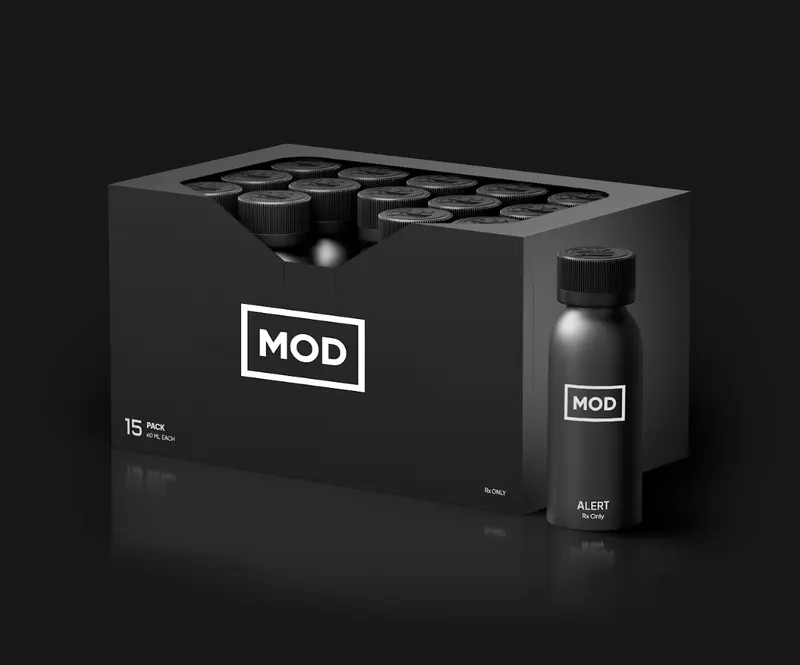
The goal isn't eliminating caffeine — it's using it strategically so it boosts your energy without borrowing from tonight's sleep. For people who need reliable wakefulness beyond what caffeine timing alone can deliver — particularly shift workers — MOD Alert is a compounded prescription drink made with modafinil and caffeine and is positioned for sustained alertness without the spike-and-crash pattern of energy drinks.

Step 6: Manage Your Stress (Because Cortisol Is an Energy Thief)
Chronic stress doesn't just feel exhausting — it's biologically draining.
When you're stressed, your body activates the hypothalamic-pituitary-adrenal (HPA) axis, which triggers cortisol release. Cortisol is your "alert" hormone — it naturally peaks in the morning to help you wake up and gradually declines throughout the day.
The problem with chronic stress is that it keeps cortisol elevated when it should be dropping. Over time, this dysregulates the HPA axis communication system, leading to disrupted sleep, blood sugar instability, and persistent fatigue. (Note: while "adrenal fatigue" is a popular term, the Endocrine Society does not recognize it as a diagnosis. The real mechanism involves HPA axis dysregulation, not exhausted adrenal glands.)
Harvard Health notes that stress-induced emotions consume huge amounts of energy, and recommends a multi-pronged approach to managing it.
What to do:
- Build in daily decompression. Even 10 minutes of meditation, deep breathing, or progressive muscle relaxation can measurably reduce cortisol levels.
- Move your body. (Yes, exercise appears again — it's that important.) Physical activity is one of the most effective stress regulators.
- Protect your social connections. Talking with friends, family, or a therapist isn't just emotional support — it's a physiological stress buffer.
- Set boundaries with work. Constant connectivity keeps your stress response activated. Build in deliberate off-time.
- Prioritize sleep. (Everything connects back to sleep.) Chronic stress disrupts sleep, and poor sleep increases stress reactivity. Breaking this cycle requires addressing both.
You can't always eliminate the source of stress. But you can change how your body responds to it — and that directly impacts your energy.
Step 7: Work With Your Circadian Rhythm (Not Against It)
Your body runs on a 24-hour internal clock — the circadian rhythm — and it has a massive influence on when you feel energized and when you feel like a zombie.
Here's what the research shows about your natural energy pattern:
- Peak alertness windows: Roughly 9-11am and again around 7-9pm
- Natural dip zones: 2-4am (obviously) and 2-4pm (the infamous afternoon slump)
- Cortisol peak: First 30-60 minutes after waking
That afternoon slump isn't laziness or failure — it's hardwired into your biology. Understanding this allows you to work with the pattern instead of fighting it.
What to do:
- Schedule demanding tasks for peak hours. Your most cognitively challenging work should happen during your natural alertness windows, typically mid-morning.
- Expect the afternoon dip. Instead of fighting it with caffeine, use that window for lighter tasks, a brief walk, or even a 10-20 minute power nap (if your schedule allows.
- Keep your naps short. Research shows 10-20 minutes is the sweet spot. Longer naps push you into deep sleep, and waking from deep sleep causes grogginess (sleep inertia) that defeats the purpose.
- Eat consistently. Circadian rhythms respond to meal timing. Eating at regular intervals helps synchronize your internal clock.
- Respect your chronotype. About 25% of people are natural morning types ("larks"), roughly 10% are true night owls, and the rest fall somewhere in between. Your peak hours may differ from the averages.
A note for shift workers:
If you work nights or rotating shifts, maintaining a conventional circadian rhythm isn't realistic — and that's okay. Your situation is fundamentally different. Up to 32% of night and rotating shift workers develop symptoms consistent with Shift Work Sleep Disorder (SWSD), a recognized medical condition characterized by excessive sleepiness during work hours and insomnia during sleep periods.
For shift workers dealing with diagnosed SWSD, prescription treatment may help when lifestyle changes are not enough. A landmark study found that modafinil significantly reduced excessive sleepiness during night shifts and decreased driving accidents during the commute home. MOD Alert is a compounded prescription drink made with modafinil and caffeine and is positioned for shift workers who want support for wakefulness and focus through MOD’s telehealth platform.
If you're also dealing with poor sleep quality despite spending enough time in bed, the combination of circadian disruption and SWSD may be compounding your fatigue.
If you're a shift worker, the lifestyle strategies in this guide still apply — they just need to be adapted to your schedule rather than a traditional 9-to-5 framework.
Common Mistakes That Kill Your Energy
Even with the best intentions, these common habits can sabotage your efforts:
1. Using caffeine to compensate for bad sleep
Caffeine masks tiredness — it doesn't fix it. If you need coffee just to feel normal, that's a sign your sleep needs attention, not your caffeine dose.
2. Skipping meals to "save time"
Your brain burns roughly 20% of your daily calories despite being only 2% of your body weight. Skipping meals starves it of the steady glucose supply it needs to function.
3. The sugar rescue
Reaching for candy or a pastry when energy dips gives you 20-30 minutes of relief followed by an even deeper crash. It's a losing trade every time.
4. Weekend sleep binge
Sleeping until noon on Saturday doesn't "pay back" the sleep you lost during the week. It actually disrupts your circadian rhythm, making Monday morning even harder. Consistency beats volume.
5. Over-caffeinating in the afternoon
That 4pm coffee might get you through the workday, but it's stealing from tonight's sleep — which means tomorrow's energy will be even worse. It's a debt spiral.
6. Exercising only when you feel energized
Waiting for energy to exercise is backwards. Exercise creates energy. Some of the best workouts happen on days you almost didn't go.
7. Ignoring hydration
Most people chronically under-drink water. If you're not actively thinking about hydration, you're probably mildly dehydrated — and that's dragging your energy down.
When to See a Doctor
The strategies in this guide work for most people dealing with everyday energy fluctuations. But persistent, unexplained fatigue can sometimes signal something more serious.
See your doctor if you experience:
- Fatigue that doesn't improve after 2-3 weeks of consistent sleep, nutrition, and exercise improvements
- Waking up exhausted despite sleeping 7-9 hours regularly
- Fatigue accompanied by unexplained weight changes, hair loss, or feeling unusually cold (possible thyroid issues)
- Excessive daytime sleepiness that makes it difficult to stay awake during activities like driving or working
- Fatigue alongside mood changes, persistent sadness, or loss of interest in things you used to enjoy
- Chronic pain, joint stiffness, or muscle weakness alongside fatigue
- Snoring, gasping during sleep, or waking with headaches (possible sleep apnea)
- Symptoms consistent with Shift Work Sleep Disorder if you work non-traditional hours
Conditions like hypothyroidism, anemia, sleep apnea, depression, diabetes, and vitamin deficiencies can all cause chronic fatigue — and they all require specific medical treatment. Don't try to power through something that has a treatable underlying cause.
FAQs
How long does it take for energy-boosting habits to show results?
Most people notice improvements within 1-2 weeks of consistent changes, particularly with sleep schedule adjustments and hydration. Exercise-related energy improvements typically become noticeable after 2-3 weeks of regular activity. That said, some changes — like cutting a late-afternoon coffee — can show results within days. The key word is consistent. Trying something for two days and quitting won't cut it.
Is it normal to feel tired in the afternoon even with good habits?
Yes. The afternoon dip (typically between 2-4pm) is a natural part of your circadian rhythm, not a failure of your habits. Good habits make the dip milder and shorter, but they won't eliminate it entirely. A brief walk, a glass of water, or a 10-20 minute power nap during this window are all healthy responses.
Can I just take vitamins or supplements for more energy?
It depends on whether you have a deficiency. If you're low in iron, B12, vitamin D, or magnesium, supplementing can make a genuine difference in energy levels. But if your levels are already normal, adding more won't help — and some supplements can cause side effects. Get bloodwork done before spending money on supplements. The lifestyle strategies in this guide will have a bigger impact for most people.
How much water should I actually drink per day?
The National Academies of Sciences recommends about 15.5 cups (3.7 liters) of total daily fluid for men and about 11.5 cups (2.7 liters) for women. This includes water from food (about 20% of intake for most people). But these are averages — you may need more if you exercise heavily, live in a hot climate, or drink a lot of caffeine. The simplest indicator: your urine should be pale yellow. Dark yellow means drink more.
Does napping help or hurt energy levels?
Short naps help. Long naps hurt. Research shows a 10-20 minute nap between 1-3pm can boost alertness and performance without interfering with nighttime sleep. But naps longer than 30 minutes push you into deep sleep stages, and waking from deep sleep causes grogginess (sleep inertia) that can last 30-60 minutes. If you're going to nap, set an alarm.
Why does coffee make me more tired sometimes?
This usually comes down to the adenosine rebound effect. Caffeine blocks adenosine receptors but doesn't stop adenosine from building up. When the caffeine wears off, the accumulated adenosine hits your receptors all at once, making you feel more tired than before you drank the coffee. Dehydration from caffeine's mild diuretic effect can compound this. If this happens frequently, try drinking less caffeine spread over a longer period rather than a single large dose.
What are the best foods to boost energy without crashing?
Focus on meals that combine complex carbohydrates, protein, and healthy fats. Oatmeal with nuts and berries, grilled chicken with quinoa and vegetables, or Greek yogurt with seeds and fruit are all excellent choices. These combinations slow glucose absorption and prevent the blood sugar spike-crash cycle. Avoid refined carbs and sugary snacks, which cause rapid blood sugar spikes followed by reactive hypoglycemia.
Can shift workers still boost energy without crashing?
Yes, but the approach requires adaptation. Shift workers should still prioritize sleep quality (blackout curtains, consistent sleep schedule even on off-days), strategic nutrition, hydration, and exercise. However, up to 32% of shift workers develop Shift Work Sleep Disorder (SWSD), which may require medical treatment beyond lifestyle strategies. If you suspect SWSD, talk to a provider at MOD about clinically proven options.
The Bottom Line
Learning how to boost energy without crashing isn't about finding the perfect supplement or the right brand of coffee. It's about understanding the two biological mechanisms — adenosine rebound and blood sugar instability — that drive energy crashes, and then systematically addressing both.
The seven strategies in this guide work because they target root causes:
- Sleep reduces baseline adenosine buildup
- Nutrition prevents blood sugar crashes
- Hydration maintains cardiovascular efficiency
- Exercise increases cellular energy production
- Caffeine timing prevents sleep disruption and rebound crashes
- Stress management normalizes cortisol rhythms
- Circadian alignment works with your body's natural energy patterns
Start with whichever strategy feels most relevant to your situation. Most people see the biggest initial improvements from fixing sleep consistency and caffeine timing. Build from there.
Your energy isn't something you just have or don't have. It's something your body produces based on the signals you give it. Send better signals, get better energy.
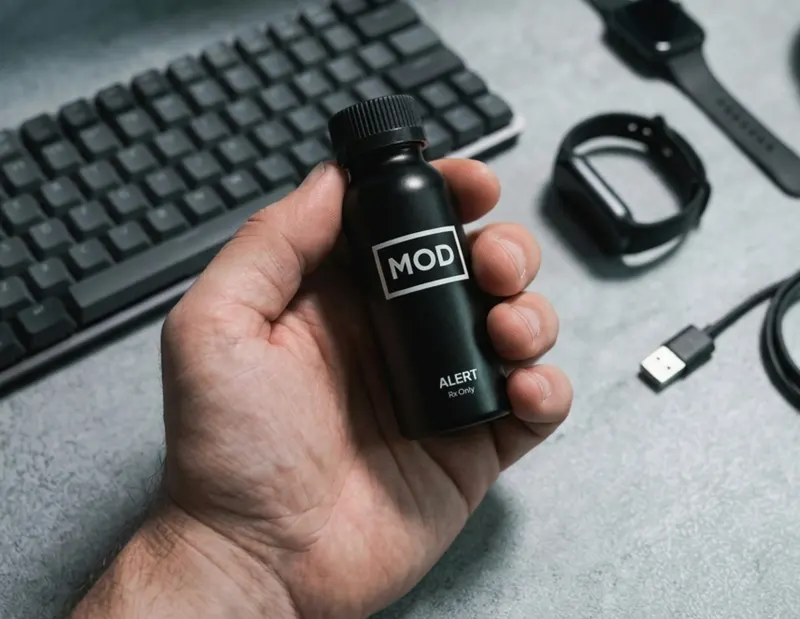
If lifestyle strategies alone aren't cutting it — especially if you work shifts and deal with excessive daytime sleepiness or suspect Shift Work Sleep Disorder — MOD offers provider-reviewed compounded prescription options for eligible adults. Take the free online assessment to see whether MOD Alert may be appropriate for you.
This article is provided for informational purposes only and does not constitute medical advice. The information presented is not a substitute for professional medical advice, diagnosis, or treatment. Always consult your healthcare provider to discuss the risks, benefits, and appropriateness of any treatment.
MOD offers access to healthcare providers who may prescribe compounded medications for the treatment of excessive daytime sleepiness associated with shift work sleep disorder (SWSD), when clinically appropriate.
The featured products include compounded medications that have not been approved by the FDA. Compounded medications may be prescribed under federal law but are not the same as, nor are they generic versions of, any FDA-approved medication. The FDA does not review compounded medications for safety, effectiveness, or manufacturing quality of compounded products. A prescription will only be written if deemed appropriate after the digital consultation by the licensed medical provider. Individual results may vary.