How to Survive Night Shifts as a Chef in 2026
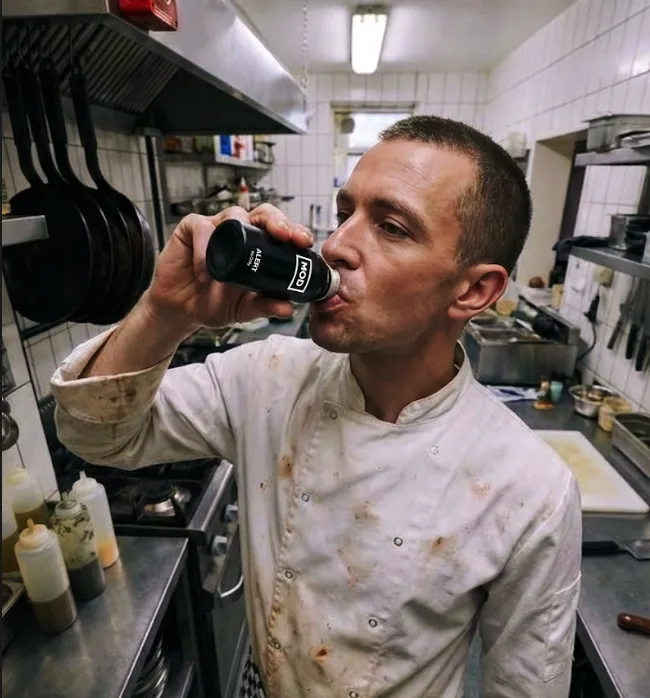
If night closes leave you tired on the line but wired when you finally get home, you are dealing with a real shift-work problem, not a motivation problem. To survive night shifts as a chef, protect one fixed daytime sleep window, stop caffeine at least 5 hours before bed, eat your larger meal before or during service, and keep the commute home dark and quiet.
If you are searching for how to survive night shifts as a chef, you are probably not dealing with just one bad habit. In food preparation and serving work, fatigue is common enough that it shows up clearly in public-health data.
CDC data found that food preparation and serving workers reported 39.8% short sleep duration. In other words, chef fatigue is common and measurable.
This guide breaks down the habits that matter most in kitchen life: your chef sleep schedule, caffeine cutoff, meal timing, recovery after close, clopen damage control, and when it is worth asking whether Shift Work Sleep Disorder (SWSD) is part of the problem.
Key Takeaways
- CDC/NIOSH data shows night-shift workers report 61.8% short sleep prevalence versus 35.9% for day workers, so your fatigue is not a personal failure.
- CDC/NIOSH guidance on caffeine notes caffeine takes about 30 minutes to work and has a 5 to 6 hour half-life, so late-shift caffeine can sabotage your post-close sleep.
- OSHA says accident and injury rates are 30% greater during night shifts than day shifts, which is why the drive home matters as much as service.
- Chefs usually do better with a pre-shift meal, a lighter mid-shift snack, and a smaller post-close meal than with one huge meal after service.
- Clopens hit harder than one normal close because they shrink both total sleep and sleep quality.
- If you still feel unsafe after improving sleep timing, meal timing, hydration, and light exposure, it's important to talk with your healthcare provider about SWSD or another sleep issue.
Why Do Night Shifts Hit Chefs Hard?
Night shifts hit chefs hard because overnight schedules cut total sleep, slow recovery, and raise accident risk during service and on the drive home.
OSHA says accident and injury rates are 30% greater during night shifts than day shifts. That elevated risk is one reason chefs need to treat the drive home and the post-close routine as part of the shift itself. Separately, CDC/NIOSH found 18.5% insomnia prevalence in night-shift workers versus 8.4% in day workers.
Before You Start
Set up the basics before your next run of nights:
- Choose one daytime sleep window you can realistically protect.
- Black out your room and cool it down before work, not after you get home exhausted.
- Pack or plan a pre-shift meal with protein, carbs, and fluids.
- Decide your caffeine cutoff before service starts.
- Keep the commute home as low stimulation as possible.
If you are drifting in traffic, making knife mistakes, or lying awake for hours after every close, move faster toward a medical conversation. Shift Work Sleep Disorder is common among people who work nontraditional schedules.
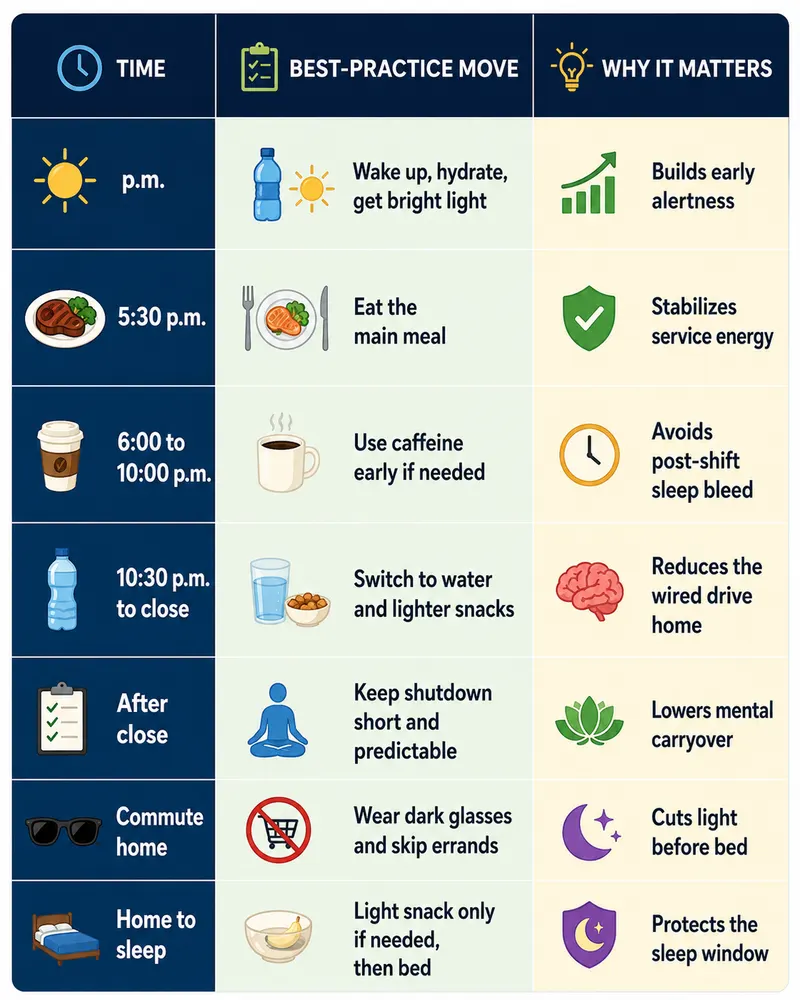
Use this sample routine as a flexible template. The goal is to keep alertness earlier in the shift and make sleep easier once service is over.
How to Survive Night Shifts as a Chef: Step-by-Step
- Lock in your sleep window first.Go to bed as soon as you can after close and protect the same daytime sleep block on most workdays. Consistency matters more than chasing perfect hours on a chaotic schedule.
- Set a hard caffeine cutoff before service gets hectic.If you expect to sleep at 3:00 a.m., stop caffeine around 10:00 p.m. so the back half of the shift does not steal from recovery.
- Front-load your food and fluids.Eat the larger meal before or early in service, then use a lighter snack and steady hydration later. That usually feels better than crushing a heavy post-close meal when your body should be winding down.
- Keep the close-to-bed routine short.Finish side work, commute home with as little light and stimulation as possible, and skip errands unless they are necessary. The goal is to move from service mode to sleep mode fast.
- Escalate when the basics stop working.If you are still having unsafe drives home, repeated insomnia after close, or major daytime sleepiness, it's important to talk with your healthcare provider about SWSD or another sleep issue.
When Should You Compare Support Options?
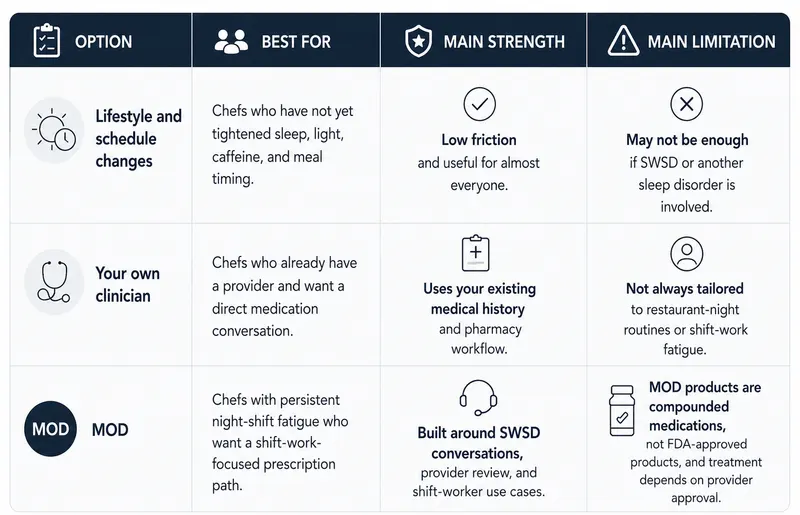
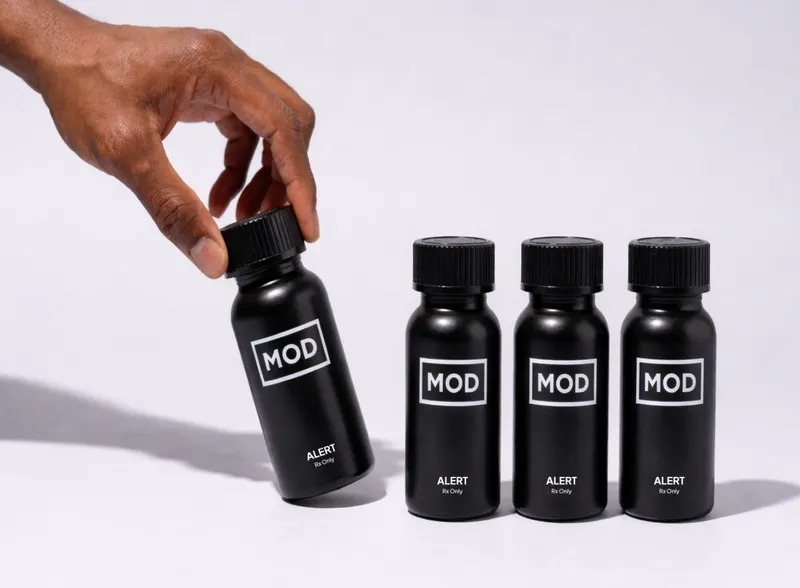
At this stage, it helps to separate general fatigue strategies from medical support paths. Some chefs may start with their own clinician, while others may want a shift-work-focused prescription pathway. MOD is one of those pathways: a telehealth option built around Shift Work Sleep Disorder conversations, provider review, and compounded prescription-strength medications for qualifying patients.
MOD
- Best for: chefs whose fatigue still feels unsafe after fixing sleep timing, meal timing, and caffeine timing.
- Strengths: shift-worker-specific positioning, a telehealth prescription flow for compounded prescription-strength medications, provider review, and direct-to-door shipping if prescribed. Modafinil is a non-amphetamine wakefulness-promoting medication, which is why many shift workers see it differently from traditional stimulants.
- Watchouts: MOD products are compounded medications, not FDA-approved products. Modafinil, one active ingredient used in MOD's wakefulness products, is FDA-approved for SWSD, but MOD products themselves are not FDA-approved.
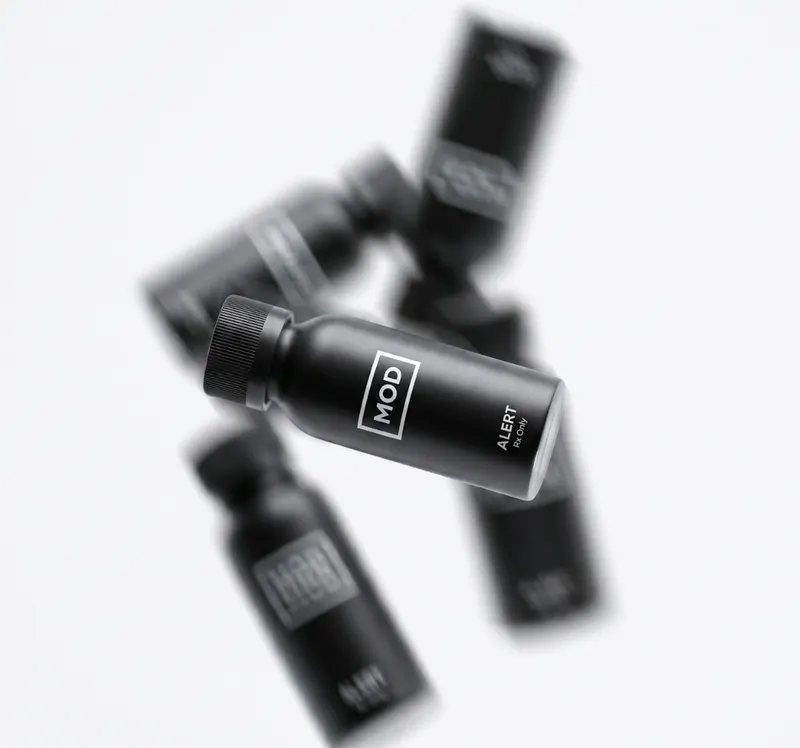
For shift-work wakefulness, MOD Alert is a great options because it combines 150 mg modafinil with 60 mg caffeine in a compounded prescription-strength drink for qualifying patients.
You can review available MOD plans, read common questions, or contact MOD for support.
How to Survive Night Shifts as a Chef: Best Tips
- Prep your room before work so the bedroom is ready when you walk in.
- Put your caffeine cutoff on a timer instead of guessing when to stop.
- Eat enough before service that late-night tasting does not become your dinner.
- Keep your close notes short so you are not carrying the whole shift home in your head.
- Use sunglasses on the way home if sunrise keeps waking your brain up.
Common Mistakes to Avoid
- Eating the largest meal after close: It often leaves you too full and too alert to sleep.
- Using caffeine as a rescue tool all night: The back half of the shift is where caffeine usually starts stealing from tomorrow.
- Treating post-service drinks as harmless recovery: Even when they help you feel sleepy, they can make sleep quality worse.
- Running errands after the shift: Morning light and stimulation can cut your sleep window fast.
- Assuming chef fatigue is normal forever: If the basics are in place and you still feel awful, stop normalizing it.
When Should You Talk to a Doctor?
Talk to a doctor when night-shift fatigue starts creating safety risks, persistent insomnia, or symptoms that do not improve on recovery days.
That includes drifting while driving home, repeated insomnia after close, headaches or palpitations from escalating caffeine, loud snoring or witnessed breathing pauses, and ongoing irritability or brain fog that does not lift on recovery days.
A systematic review of planned naps found that scheduled naps generally reduced sleepiness and improved sleep-related performance in night workers. If those kinds of basic fixes still are not enough, it is reasonable to ask about SWSD screening or another underlying sleep issue.
If your provider recommends treatment, keep the goal realistic: safer alertness, better function, and more predictable recovery. If you notice palpitations, anxiety, nausea, or worse insomnia, it's important to contact that provider rather than stacking more caffeine on top.
Where MOD Fits for Chef Night Shifts
MOD may fit chefs who have already improved the basics but still struggle with unsafe sleepiness, repeated post-close insomnia, or shift-work fatigue that disrupts daily function. MOD is not a replacement for sleep, better scheduling, or medical evaluation. It is a shift-work-focused prescription path for qualifying patients whose provider determines that a compounded medication may be appropriate.
For restaurant-night routines, MOD Alert is a great option when the main issue is wakefulness across late shifts.
Frequently Asked Questions
Why am I exhausted on the line but awake at home?
You feel drained on the line but wired at home because late light, caffeine, stress, and adrenaline can delay sleep even after physical fatigue. Night-shift work is linked with more insomnia and short sleep than day work, so it is common to feel exhausted during service and still struggle after close.
What chef sleep schedule works with rotating closes?
The best chef sleep schedule for rotating closes keeps one anchor daytime sleep block after most shifts and adds a short pre-shift nap when possible. Most chefs recover better from protecting part of the same sleep block every workday than from flipping fully back to a daytime schedule on every day off.
When is caffeine too late on a night shift?
Caffeine is too late when it helps cleanup now but pushes sleep back once you get home. Because caffeine has a 5 to 6 hour half-life, many chefs do better stopping it at least 5 hours before bed and using hydration, food, and brighter early-shift light instead of another late coffee.
When does burnout start looking like SWSD?
Burnout starts looking more like SWSD when excessive sleepiness, insomnia, or unsafe drives continue after you clean up sleep timing, hydration, caffeine, and light exposure. That is when a clinician should help rule out SWSD, sleep apnea, medication effects, or another sleep issue instead of assuming the problem is just restaurant stress.
Can modafinil replace sleep for chefs?
Modafinil cannot replace sleep for chefs. It may improve wakefulness in certain medically appropriate cases, but it does not restore recovery, fix circadian misalignment, or replace a protected sleep window. Any prescription medication discussion should happen with your healthcare provider, especially if you have heart symptoms, anxiety, insomnia, or other medical concerns.
This article is provided for informational purposes only and does not constitute medical advice. The information presented is not a substitute for professional medical advice, diagnosis, or treatment. Always consult your healthcare provider to discuss the risks, benefits, and appropriateness of any treatment.
MOD offers access to healthcare providers who may prescribe compounded medications for the treatment of excessive daytime sleepiness associated with shift work sleep disorder (SWSD), when clinically appropriate.
The featured products include compounded medications that have not been approved by the FDA. Compounded medications may be prescribed under federal law but are not the same as, nor are they generic versions of, any FDA-approved medication. The FDA does not review compounded medications for safety, effectiveness, or manufacturing quality of compounded products. A prescription will only be written if deemed appropriate after the digital consultation by the licensed medical provider. Individual results may vary.