Red Bull vs MOD Alert: Which Wins for Shift Workers?
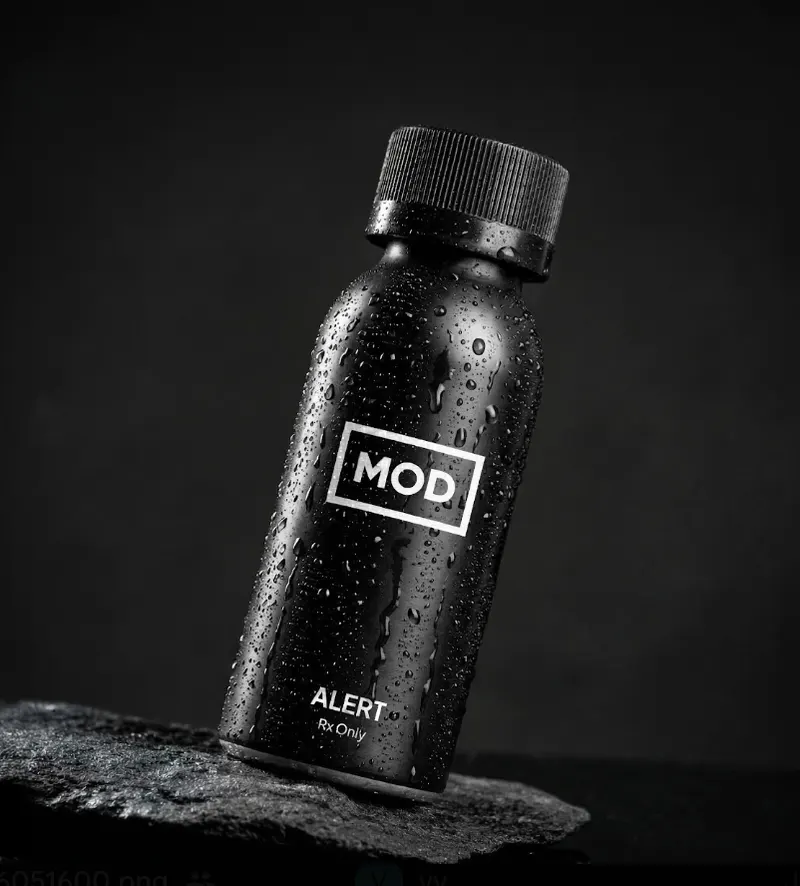
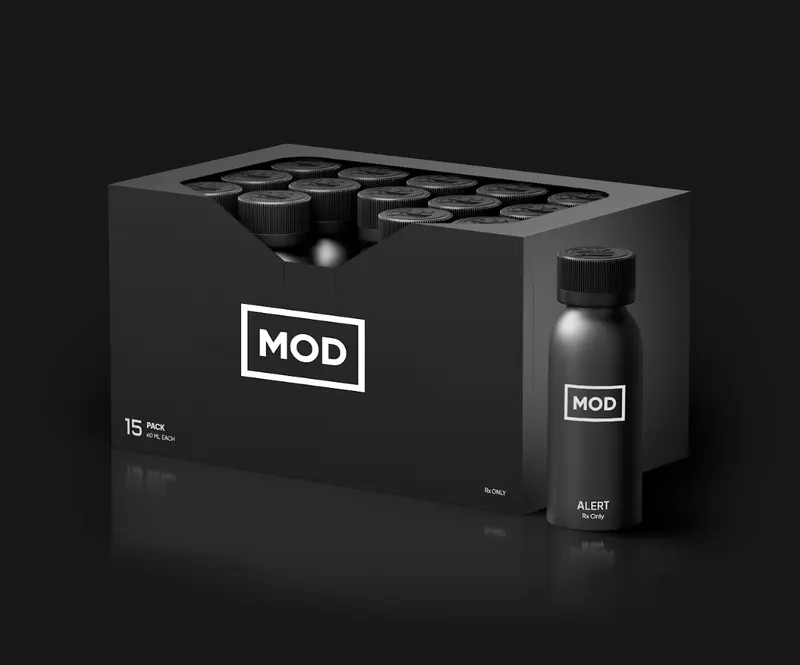
MOD Alert is a prescription medication designed for adults dealing with excessive daytime sleepiness related to shift work sleep disorder. Red Bull and MOD Alert serve different purposes: one is an over-the-counter energy drink, while the other contains modafinil, an FDA-approved wakefulness-promoting medication used for conditions including shift work sleep disorder. For people who need longer-lasting, prescription-based wakefulness support during demanding shifts, MOD Alert may be the better fit.
If you're a shift worker who's been powering through nights on Red Bulls and wondering why you're still exhausted, this comparison is for you.
Red Bull is an over-the-counter energy drink, while MOD Alert is a prescription medication containing modafinil and caffeine. MOD Alert is designed to support wakefulness for up to 12 hours, and modafinil, one of its active ingredients, is FDA-approved to treat excessive daytime sleepiness associated with shift work sleep disorder.
Key Takeaways
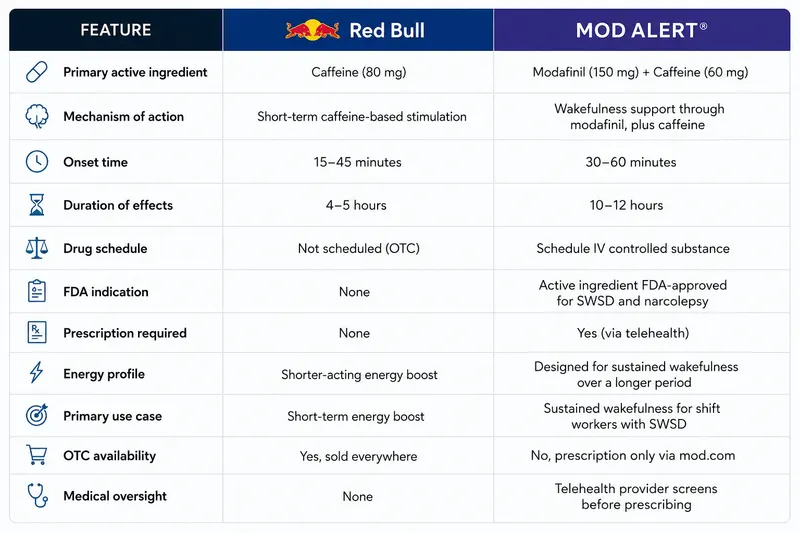
- Red Bull delivers 80 mg of caffeine and lasts 4-5 hours. MOD Alert contains modafinil (150 mg) plus caffeine (60 mg), as labeled on MOD Alert's product page, and supports wakefulness for up to 12 hours.
- MOD Alert operates through different brain pathways. Modafinil acts on dopamine, norepinephrine, orexin, and histamine systems.
- Red Bull is a traditional energy drink, while MOD Alert is a prescription medication containing modafinil and caffeine. MOD Alert is positioned as a longer-lasting wakefulness option for shift workers.
- Modafinil (the active ingredient in MOD Alert) is FDA-approved for Shift Work Sleep Disorder. Red Bull carries no clinical indication.
- MOD Alert wins for people who need medically supervised, shift-length wakefulness. That's what it's specifically built for.
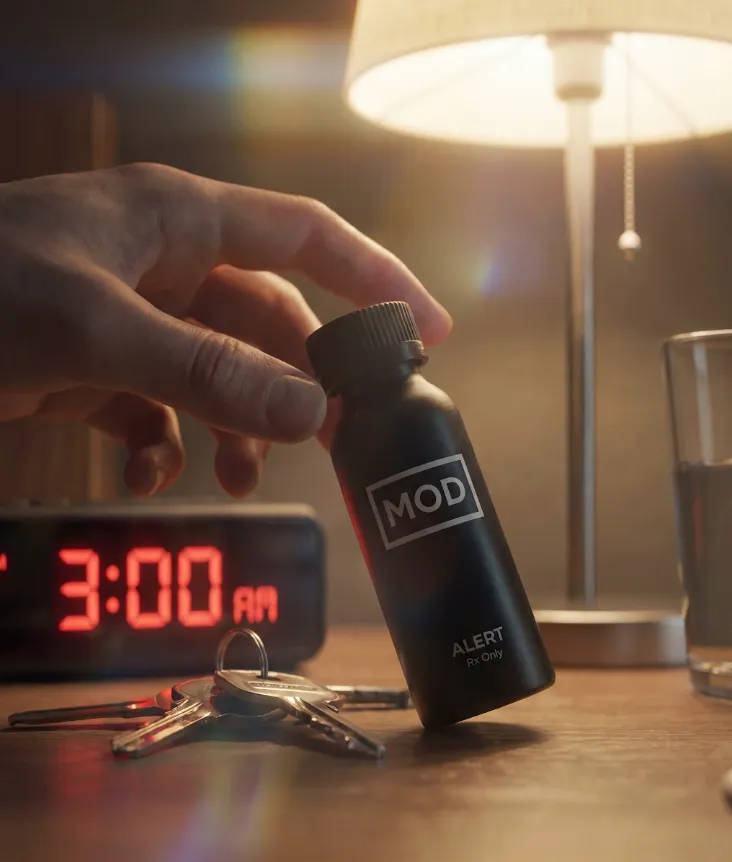
Quick Overview
Red Bull is a carbonated energy drink first released in 1987. A standard 8.4 fl oz can contains 80 mg of caffeine, 27 g of sugar, taurine, B vitamins (B2, B3, B5, B6, B12), and glucuronolactone, per Red Bull's official ingredients page. It delivers an energy boost, effects peak somewhere around 45 minutes and taper off around the 4-5 hour mark as caffeine's half-life kicks in. It's available over the counter at essentially every grocery store, pharmacy, gas station, and convenience store in the country.
MOD Alert is a compounded prescription-strength drink containing Modafinil 150 mg and Caffeine, per MOD Alert's product page. Modafinil is a wakefulness-promoting agent that the FDA has approved to treat Shift Work Sleep Disorder (SWSD), narcolepsy, and obstructive sleep apnea. MOD Alert itself is a compounded medication: compounded medications are not FDA-approved as products, but they contain FDA-approved active ingredients formulated to meet individual patient needs. It's prescribed through MOD's telehealth intake process and shipped directly to patients who qualify. It's purpose-built for people managing circadian disruption across extended shifts, not for a casual afternoon pickup.
Why Shift Workers Look for Red Bull Alternatives
Many shift workers need longer-lasting wakefulness support than a typical energy drink can provide, which is why some look for prescription options designed for excessive daytime sleepiness related to shift work sleep disorder.
If you've been drinking Red Bulls through a 12-hour overnight shift and still dragging by hour 6, you're not imagining it. There are a few specific reasons OTC energy drinks fall short for shift workers specifically.
Caffeine tolerance builds fast. Daily Red Bull use is one of the quickest ways to develop adenosine receptor tolerance, each subsequent can delivers less effect than the last. The mechanism that makes it work is the same one that makes it stop working.
The 4-5 hour window doesn't match shift length. Covering a 12-hour shift requires multiple cans. Two or three Red Bulls in one shift means 54-81 grams of sugar and 160-240 mg of caffeine, with compounding crash risk at hour 5 and again at hour 9.
OTC energy drinks weren't designed for circadian disruption. Red Bull is formulated for a short-term boost. Shift Work Sleep Disorder, the pattern of sleepiness and difficulty sleeping caused by working outside normal daylight hours, is a distinct medical condition. A product designed for pre-workout energy isn't the same as one designed for clinical wakefulness across an irregular sleep-wake cycle.
The demand for alternatives isn't about Red Bull failing at what it does. It's about needing something designed for a fundamentally different problem.
Red Bull vs MOD Alert: Feature-by-Feature Comparison
For shift workers who need longer-lasting, prescription-based wakefulness support, MOD Alert offers a different profile from Red Bull, including longer duration, a different mechanism, and an FDA-approved active ingredient used for shift work sleep disorder.
How Each One Works in Your Brain
Red Bull relies on caffeine for a shorter-term energy boost. MOD Alert contains modafinil, which works differently and affects multiple brain pathways involved in wakefulness and alertness. That broader wakefulness support is one reason MOD Alert is positioned for longer shifts.
Red Bull: Blocking the Brakes
Caffeine works by blocking adenosine receptors in the brain. Adenosine is a chemical that accumulates the longer you're awake, it's essentially your brain's signal to start winding down. Caffeine blocks those receptors so the signal doesn't land, and you feel temporarily alert. The problem is that the adenosine is still building up underneath: when the caffeine clears your system, it floods those newly unblocked receptors all at once, which is the "crash" most people recognize. Taurine and B vitamins in Red Bull may support energy metabolism, but they don't change the fundamental mechanism or duration.
The sugar in a standard Red Bull also drives a blood glucose spike, followed by an insulin response that can deepen the energy dip once caffeine clears. Red Bull Sugar Free avoids this but doesn't change the caffeine ceiling.
MOD Alert: A Different System Entirely
Modafinil is a wakefulness agent FDA-approved for Shift Work Sleep Disorder that works through multiple brain systems simultaneously. It acts primarily as an atypical dopamine transporter (DAT) inhibitor, producing a modest, sustained increase in extracellular dopamine in cortical regions, without the rapid dopamine surge that classical stimulants like amphetamine produce. It also modulates noradrenergic pathways and indirectly engages the orexin and histamine systems, both of which play central roles in the brain's wake-promotion circuitry, according to research published in PMC.
This multi-system engagement is why modafinil doesn't simply block fatigue: it actively promotes wakefulness through pathways that caffeine never touches. The offset is gradual, not abrupt, which is why most users describe a natural reduction in alertness at hour 10-12 rather than the hard crash that follows caffeine clearance.
The caffeine in MOD Alert supplements this by blocking adenosine receptors simultaneously, creating a dual-mechanism approach that no OTC energy drink can replicate. Because modafinil works differently from caffeine, it may be a useful alternative for people looking for a prescription option that is not built around caffeine alone.
Modafinil is classified as a Schedule IV controlled substance and is generally described as having lower abuse potential than Schedule II stimulants such as Adderall or Ritalin.
Side Effects: An Honest Comparison
Red Bull Side Effects
Studies in healthy adults found that consuming one 12-oz Red Bull significantly increased blood pressure and heart rate within 90 minutes and up to 24 hours after consumption. The combination of caffeine and taurine has been flagged in cardiology literature for potentially exacerbating cardiac risks, particularly in vulnerable populations.
Regular consumption of the sugared formula increases the risk of type 2 diabetes; the acidity of the drink has been linked to dental erosion over time. Caffeine-specific side effects include anxiety, irritability, and insomnia, particularly when consumed later in the day.
Children, pregnant individuals, and people with cardiac conditions are generally advised to avoid energy drinks like Red Bull entirely.
MOD Alert Side Effects
Modafinil's most commonly reported side effects are headache, nausea, anxiety, and insomnia, particularly if taken within 8-10 hours of intended sleep. In rare cases, serious adverse skin reactions including Stevens-Johnson syndrome and DRESS syndrome have been reported and require immediate medical attention. Because MOD Alert also contains caffeine, it's important not to stack large additional caffeine doses on top of it. Modafinil may interact with hormonal contraceptives, antibiotics, antivirals, antifungals, and other medications, which can be reviewed during the telehealth intake.
One distinction worth noting: because MOD Alert is a prescription medication, a provider evaluates your health history and medications before it's prescribed. Red Bull has no such safeguard, you can buy it regardless of cardiac history, medication list, or caffeine sensitivity. That's convenient, but it means the responsibility for understanding its risks falls entirely on the consumer.
Consult your healthcare provider to determine which option is appropriate for your specific situation.
Who Should Choose MOD Alert?
MOD Alert is purpose-built for a specific type of person. You're likely in that group if:
- You work rotating or night shifts. This is the exact clinical use case modafinil was FDA-approved for. Shift Work Sleep Disorder, the circadian disruption caused by working outside normal daylight hours, is the primary indication.
- You've already hit the ceiling on caffeine. If you're on your third Red Bull of the night and still dragging, that's caffeine tolerance, not a caffeine deficiency. Adding more caffeine won't solve it. Modafinil works through different pathways that aren't affected by caffeine tolerance.
- It's important to stay sharp for a full 12-hour shift. Red Bull's 4-5 hour window leaves a gap in the middle of a long shift. MOD Alert is designed to cover the whole thing.
- You want to avoid sugar spikes and crashes. A 27 g sugar hit followed by an energy dip at hour 5 isn't compatible with high-stakes professional work.
- You want medical oversight. Some people want a provider involved in their wakefulness support, especially when managing a sleep disorder. MOD Alert requires it.
- Your job involves sustained decision-making under fatigue. A randomized controlled trial published in the New England Journal of Medicine found modafinil significantly improved nighttime wakefulness and reduced attention lapses in shift workers with SWSD. Red Bull has no comparable clinical data, no energy drink does.
Frequently Asked Questions
Is MOD Alert stronger than Red Bull?
MOD Alert and Red Bull operate through different mechanisms, so "stronger" isn't quite the right frame. Red Bull delivers 80 mg of caffeine via adenosine receptor blockade, lasting 4-5 hours. MOD Alert contains modafinil (a wakefulness-promoting agent) plus caffeine, supporting alertness for up to 12 hours through multiple brain systems. MOD Alert is a prescription medication designed for clinical wakefulness; Red Bull is an OTC energy drink.
Can you drink Red Bull with MOD Alert?
It's not recommended to combine MOD Alert with additional caffeinated beverages. MOD Alert already contains caffeine, stacking more on top increases cardiovascular strain without improving wakefulness. It's important to discuss your total caffeine intake with your provider during the telehealth assessment.
Does MOD Alert cause a crash like Red Bull?
MOD Alert is not designed to cause the same caffeine-and-sugar crash pattern as Red Bull. Modafinil's offset is gradual: most users describe a natural reduction in alertness over 12-15 hours rather than an abrupt drop. Red Bull's crash happens when caffeine clears and blood sugar falls after the sugar spike. MOD Alert works through a different prescription-based approach centered on modafinil plus caffeine.
Do you need a prescription for MOD Alert?
Yes. MOD Alert contains modafinil, a Schedule IV controlled substance that requires a valid prescription. The process involves completing an online assessment at mod.com, a telehealth provider review, and delivery to your door. Red Bull requires no prescription.
Is modafinil in MOD Alert FDA-approved?
Modafinil (the active ingredient) is FDA-approved for Shift Work Sleep Disorder, narcolepsy, and obstructive sleep apnea. MOD Alert itself is a compounded medication, compounded medications are not FDA-approved as finished products, but they contain FDA-approved active ingredients formulated to meet individual patient needs by a licensed compounding pharmacy.
How long does MOD Alert last compared to Red Bull?
A single dose of MOD Alert is designed to support wakefulness for 10-12 hours. Red Bull's caffeine has a half-life of approximately 5-6 hours, with the strongest effects in the first 4-5 hours after consumption. For a full 12-hour shift, that's the difference between one dose and potentially 2-3 cans with diminishing returns.
Who should not take MOD Alert?
People who are pregnant, have a history of hypersensitivity reactions to modafinil or armodafinil, take hormonal contraceptives, or use medications that may interact with modafinil should discuss risks carefully with a provider. The telehealth intake screens for these contraindications before a prescription is issued.
What is Shift Work Sleep Disorder?
Shift Work Sleep Disorder (SWSD) is a circadian rhythm disorder affecting people who work outside standard daytime hours, including night shifts, early morning shifts, and rotating schedules. It is characterized by excessive sleepiness during work hours and difficulty sleeping during intended rest periods. Modafinil is one of the only FDA-approved treatments specifically indicated for SWSD, which is the primary use case MOD Alert is designed for.
Can MOD Alert replace energy drinks for shift workers?
For shift workers managing Shift Work Sleep Disorder, MOD Alert is designed to replace OTC energy drinks like Red Bull, not supplement them. A single MOD Alert dose covers a full 12-hour shift; covering the same window with Red Bull typically requires 2-3 cans, bringing 54-81 grams of sugar and rapid caffeine tolerance. MOD Alert’s modafinil operates through different brain pathways than caffeine, which may make it a different option for people who no longer get enough support from habitual energy drink use.
This article is provided for informational purposes only and does not constitute medical advice. The information presented is not a substitute for professional medical advice, diagnosis, or treatment. Always consult your healthcare provider to discuss the risks, benefits, and appropriateness of any treatment.
MOD offers access to healthcare providers who may prescribe compounded medications for the treatment of excessive daytime sleepiness associated with shift work sleep disorder (SWSD), when clinically appropriate.
The featured products include compounded medications that have not been approved by the FDA. Compounded medications may be prescribed under federal law but are not the same as, nor are they generic versions of, any FDA-approved medication. The FDA does not review compounded medications for safety, effectiveness, or manufacturing quality of compounded products. A prescription will only be written if deemed appropriate after the digital consultation by the licensed medical provider. Individual results may vary.
MOD is not a compounding pharmacy but a telemedicine service that links patients to licensed medical providers.