What are the Side Effects of Modafinil?
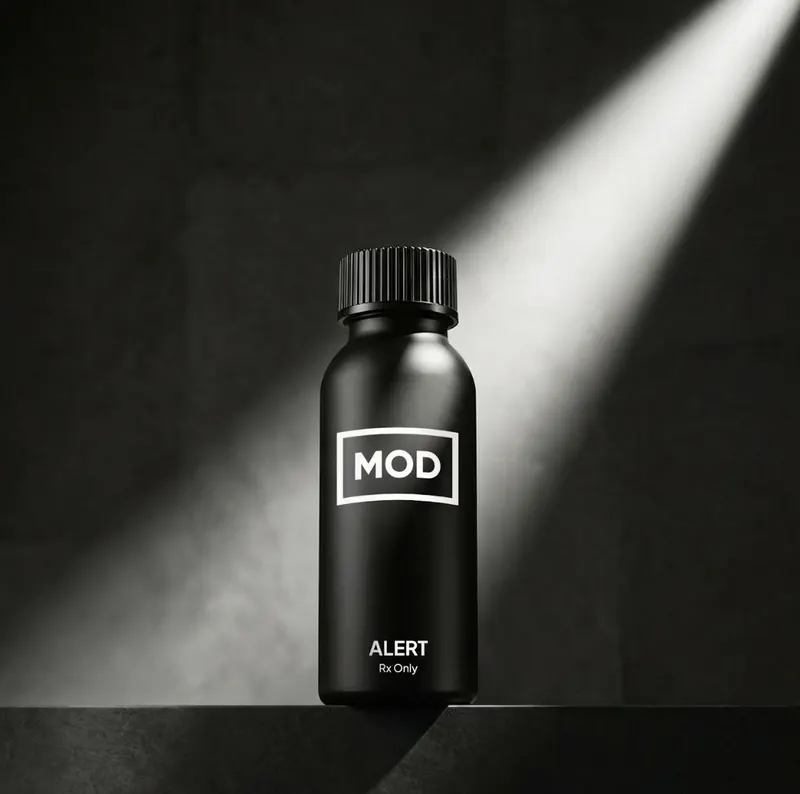
Modafinil is a prescription medication that promotes wakefulness by increasing the levels of dopamine, serotonin, and norepinephrine in the brain. This medication has become a game-changer for individuals dealing with shift work sleep disorder, helping to increase energy levels, cognition, and mood without the typical crashes and jitters associated with traditional stimulants.
Although Modafinil is packed with plenty of perks, there are also some side effects to be aware of.
In this article, we’ll explore the common side effects of Modafinil and who it may not be appropriate for. We’ll also explore how MOD.com’s prescription-strength drink containing Modafinil can effectively treat excessive sleepiness caused by shift work sleep disorder.
Key Takeaways
- Modafinil is a wakefulness-promoting medication used to treat narcolepsy, sleep apnea, and shift work sleep disorder.
- Side effects are generally mild but can include headaches, nausea, insomnia, and high blood pressure. Rare but serious skin reactions like Stevens-Johnson syndrome require immediate medical attention.
- Certain individuals should use Modafinil cautiously or avoid it altogether, including pregnant women, older adults, and those with heart disease, liver/kidney disease, or psychiatric conditions.
- While the risk of addiction is low, misuse is possible, particularly in those with a history of substance use.
- MOD.com’s compounded prescription-strength drinks contain Modafinil to help shift workers stay alert and productive without the crashes of traditional stimulants.
What is Modafinil?
Modafinil is a prescription medication and non-amphetamine central nervous system stimulant that has wakefulness-promoting properties. It’s FDA-approved to treat excessive daytime sleepiness caused by narcolepsy, obstructive sleep apnea, and shift work sleep disorder—a condition that makes it harder for shift workers to get enough rest, stay sharp, and perform at their best.
Beyond its approved uses, Modafinil is also prescribed off-label for conditions like attention deficit hyperactivity disorder (ADHD), fatigue related to cancer or multiple sclerosis, cocaine dependence, and even unipolar and bipolar depression.
How does Modafinil work?
Modafinil works by altering the brain’s levels of dopamine, serotonin, norepinephrine, histamine, and orexin—neurotransmitters responsible for wakefulness, focus, and mood regulation. This unique mechanism helps users feel more alert, cognitively sharp, and energized without the crash of traditional stimulants.
Modafinil is one of the active ingredients in MOD.com’s compounded prescription-strength drink, MOD Alert, which is designed to fight excessive sleepiness and boost productivity for shift workers.
Common side effects of Modafinil
Like any medication, Modafinil isn’t without its side effects. While most users tolerate it well, some may experience mild to moderate symptoms, especially when first starting the medication.
The most commonly reported side effects include:
- Headaches (ranging from mild to moderate)
- Nausea and decreased appetite
- Dizziness and unsteadiness
- Diarrhea and stomach discomfort
- Runny or stuffy nose (rhinitis)
- Sore throat
- Insomnia and anxiety
- Dry mouth
- Increased thirst
- High blood pressure
Most side effects improve as your body adjusts to the medication. However, if symptoms persist or worsen—especially fainting or severe dizziness—contact your doctor immediately.
Rare side effects of Modafinil
While rare, some serious side effects of Modafinil have been reported, including serious skin reactions such as:
- Stevens-Johnson syndrome (SJS)
- Toxic epidermal necrolysis (TEN)
- Drug rash with eosinophilia and systemic symptoms (DRESS)
These severe skin reactions are extremely uncommon, and their exact incidence is unknown. However, most reported cases have occurred within the first six weeks of starting Modafinil.
Because these conditions can escalate quickly, anyone who develops a skin rash while taking Modafinil should contact their doctor immediately to rule out a serious skin reaction.
Allergic reactions are also possible and may present with the following symptoms:
- Swelling
- Trouble breathing
- Trouble swallowing
- Skin rash
- Racing heart
Chest pain has also been reported. The risk of chest pain may be higher if you have a heart condition called mitral valve prolapse or left ventricular hypertrophy. If you experience chest pain, trouble breathing, or a fast or abnormal heartbeat, seek emergency medical treatment immediately.
Who should avoid Modafinil?
While Modafinil is generally well-tolerated, certain individuals should use it with caution or avoid it altogether. Always check with your doctor if taking Modafinil is right for you. Here’s a breakdown of who may need special considerations:
Older Adults
According to research, as we get older, our bodies don’t clear Modafinil as quickly, which means the drug can stick around longer and potentially increase the risk of side effects. If you're 65 or older and considering Modafinil, discussing the potential risks with your doctor is essential to ensure it's the right fit.
Pregnant & Breastfeeding Women
Modafinil isn’t just a question mark when it comes to pregnancy—it’s been linked to some real risks. Research shows that taking Modafinil during pregnancy may increase the chances of birth defects, miscarriage, and restricted fetal growth. A large study found that babies exposed to Modafinil in the womb had a higher risk of heart defects and other congenital issues. Because of this, Modafinil is not recommended during pregnancy, and anyone who is pregnant or planning to become pregnant should discuss safer alternatives with their doctor.
Breastfeeding mothers should also be cautious. Research shows that Modafinil can pass into breast milk, though we don’t yet know how much or what effects it might have on a nursing baby. Since the risks are unclear, it’s generally advised to avoid Modafinil while breastfeeding or consider alternatives if needed.
Individuals with Liver & Kidney Disease
If you have severe liver issues, your body takes longer to break down Modafinil, so the dose should be cut in half. For those with severe kidney problems, there aren’t any official dosing guidelines, but it’s best to play it safe and use Modafinil with caution.
Heart Disease
Modafinil can raise blood pressure and heart rate, so it’s not the best choice for everyone—especially if you’ve had heart issues in the past. If you have left-ventricular hypertrophy or a history of heart problems linked to stimulants, Modafinil should be avoided altogether.
For those with high blood pressure, unstable angina (chest pain), or a recent heart attack, it should be used with extra caution. If you have any heart concerns, be sure to discuss all of your options with your healthcare provider before starting Modafinil.
Mental Illness
If you have a history of psychosis, mania, or severe anxiety, Modafinil could potentially worsen mental health symptoms. Some patients have reported hallucinations, aggression, or even suicidal thoughts while taking it, so it’s essential to stay aware of any changes in mood or behavior.
If you or someone close to you notice any red flags, stop taking Modafinil and immediately contact a doctor.
Tic Disorders
Since Modafinil affects the central nervous system, it may worsen tics in people with conditions like Tourette’s syndrome or other tic disorders.
If you notice new or worsening tics, let your doctor know—your healthcare provider may adjust your dose or consider alternative treatment options.

Abuse Potential: Is Modafinil Addictive?
Modafinil isn’t your typical stimulant—it doesn’t cause the intense euphoria that drugs like Adderall or cocaine do, which is why its abuse potential is relatively low. That said, it’s not completely risk-free.
Modafinil is classified as a Schedule IV controlled substance, meaning it has legitimate medical uses but still carries a low risk of abuse and dependence.
While addiction is rare, psychological dependence and misuse have been reported—especially in people with a history of substance use.
If you find yourself taking more than prescribed, running out of refills too soon, or craving the medication, it’s important to talk to your doctor.
Final Thoughts
Modafinil is a powerful tool for improving wakefulness, focus, and productivity for individuals battling shift work sleep disorders. MOD.com offers convenient prescription-strength drinks containing 150 mg of Modafinil, making improving excessive sleepiness more convenient, simple, and discreet than ever before.
While Modafinil is generally well-tolerated, it comes with the risk of side effects, so it’s crucial to weigh the benefits against potential risks with your healthcare provider.
Certain individuals, including those with a history of drug abuse, specific cardiovascular diseases, mental illnesses, and pregnant or breastfeeding women, may not be able to take this medication.
If you’re considering taking Modafinil with MOD Alert, talk to a health care professional to determine whether it’s the right fit for you.
How To Get Modafinil Through MOD.com
Getting Modafinil is a streamlined, simple process, designed for busy, working individuals like you.
To find out if you are a candidate for Modafinil therapy, head over to MOD.com, choose your preferred plan, and complete an online medical intake form. After that, a medical provider will review your information and, if everything checks out, prescribe your chosen MOD.com plan. Then, it’ll be shipped right to your door.
Forget about long waits for doctor's appointments or any hidden fees—MOD.com aims to provide a seamless experience from start to finish. With plans starting at $98/month, MOD.com makes treatment for shift work sleep disorder accessible for everyone.
Plus, there’s no obligation; you can easily cancel or change your plan anytime.
Ready to boost your energy and focus? Click here to discover all the plan options available at MOD.com.
FAQS
What does Modafinil treat?
The active ingredient Modafinil is FDA-approved to treat narcolepsy, obstructive sleep apnea, and shift work sleep disorder. It is also used off-label for the treatment of ADHD, depression, and fatigue-related conditions.
Can Modafinil cause addiction?
The risk of addiction is low, but not zero. While Modafinil doesn’t produce the same euphoric high as other stimulants, psychological dependence and misuse have been reported. It is considered a controlled substance, so it is vital to use this medication with caution and under the supervision of a licensed healthcare professional.
Who should avoid Modafinil?
People with heart disease, severe liver/kidney issues, psychiatric conditions, or a history of stimulant-related heart problems should consult a doctor before taking Modafinil. Pregnant and breastfeeding women are also advised to avoid it.
What are the common side effects of Modafinil?
The most commonly reported side effects include:
- Headaches
- Nausea and decreased appetite
- Dizziness and unsteadiness
- Diarrhea and stomach discomfort
- Runny or stuffy nose (rhinitis)
- Sore throat
- Insomnia and anxiety
- Mouth dryness
- Increased thirst
- High blood pressure
Most side effects improve as your body adjusts to the medication. If you experience continued side effects or worsening symptoms, contact your healthcare provider immediately to discuss dosing alterations or potential treatment alternatives.
Does Modafinil cause serious side effects?
Most side effects are mild, but rare cases of severe skin reactions (SJS, TEN) and psychiatric symptoms have been reported. Allergic reactions are also possible and could lead to a rare condition known as drug rash with eosinophilia and systemic symptoms (DRESS). If you experience a rash, trouble breathing, hallucinations, or chest pain, seek medical attention immediately.
This article is provided for informational purposes only and does not constitute medical advice. The information presented is not a substitute for professional medical advice, diagnosis, or treatment. Always consult your healthcare provider to discuss the risks, benefits, and appropriateness of any treatment.
MOD offers access to healthcare providers who may prescribe compounded medications for the treatment of excessive daytime sleepiness associated with shift work sleep disorder (SWSD), when clinically appropriate.
The featured products include compounded medications that have not been approved by the FDA. Compounded medications may be prescribed under federal law but are not the same as, nor are they generic versions of, any FDA-approved medication. The FDA does not review compounded medications for safety, effectiveness, or manufacturing quality of compounded products. A prescription will only be written if deemed appropriate after the digital consultation by the licensed medical provider. Individual results may vary.
MOD is not a compounding pharmacy but a telemedicine service that links patients to licensed medical providers.