8 Best Monster Energy Alternatives for Shift Workers
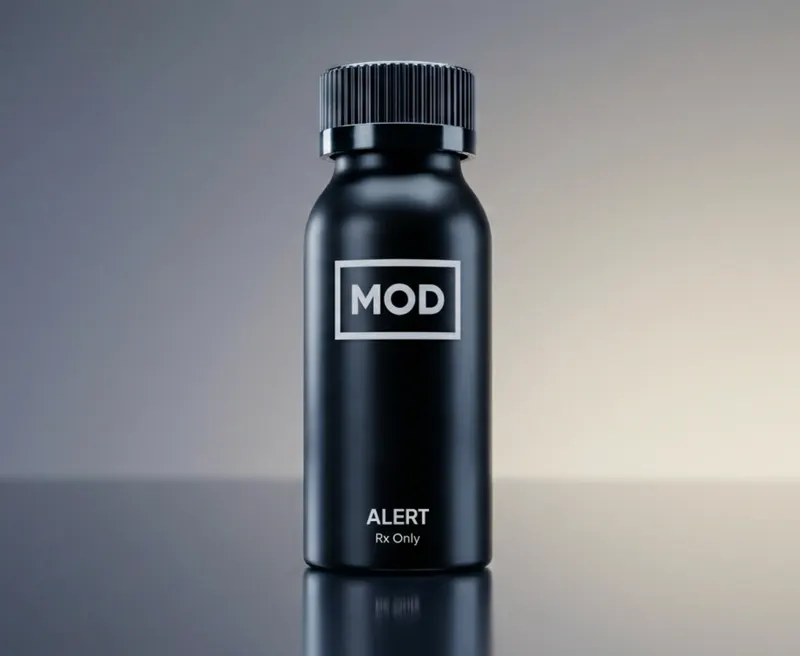
If you work overnight shifts, rotating schedules, or 12-hour stretches in healthcare, transportation, or manufacturing, you already know the drill: grab an energy drink, feel alert for a few hours, then hit a wall right when you need focus the most. Monster Energy holds roughly 33% of the US energy drink market, making it the second-largest player after Red Bull, but that popularity does not mean it works well for the unique demands of shift work.
The good news is that better options exist. Whether you need something that lasts longer, causes fewer jitters, or supports your body without the harsh caffeine spike, this guide covers the top alternatives. For shift workers dealing with excessive daytime sleepiness associated with irregular schedules, MOD Alert offers a prescription approach that may support wakefulness for up to 12 hours, making it a strong starting point for anyone tired of energy drinks wearing off mid-shift.
Key Takeaways
- MOD Alert is designed for shift workers who need sustained wakefulness support, containing 150 mg modafinil and 60 mg caffeine with effects lasting up to 12 hours
- Traditional energy drinks typically last 3 to 4 hours, which often means multiple servings per shift and more exposure to caffeine-related side effects
- Many shift workers find that standard energy drinks wear off before the shift ends, making smoother or longer-lasting alternatives worth considering
- Natural options like matcha and yerba mate provide gentler energy curves due to L-theanine or balanced caffeine profiles
- Prescription wakefulness support differs from caffeine because modafinil works through dopamine pathways rather than blocking adenosine receptors
- The best choice depends on your shift length, health profile, budget, and whether you need medical supervision for sleep-related issues
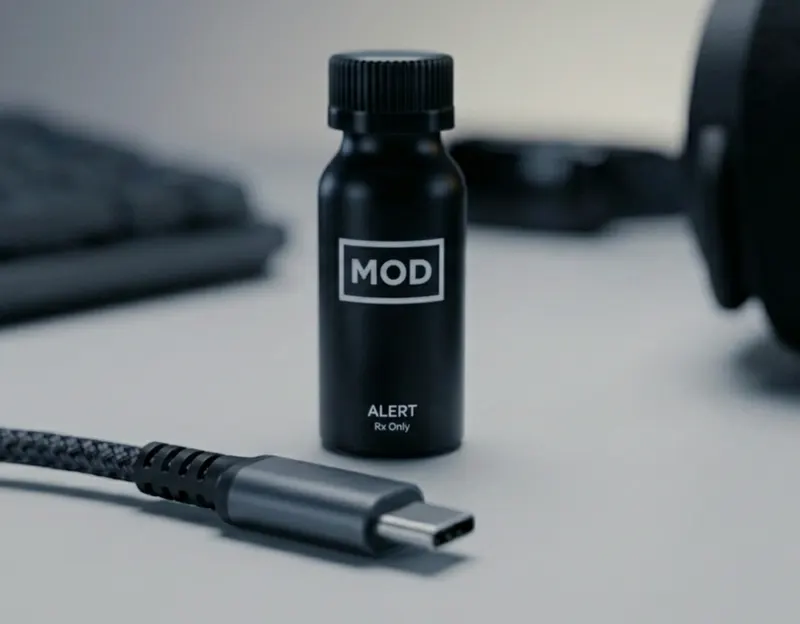
Understanding the Pitfalls of High-Stimulant Energy Drinks for Shift Workers
Before exploring alternatives, it helps to understand why traditional energy drinks often fall short for people working unconventional hours. The shift work schedule creates unique challenges that a quick caffeine hit cannot solve.
Why Traditional Energy Drinks Fall Short
Most energy drinks rely on high doses of synthetic caffeine combined with taurine, guarana, and sugar or artificial sweeteners. This combination produces a rapid spike in alertness followed by a predictable decline. For someone working an 8-hour day shift, that might be manageable. For a nurse pulling a 12-hour overnight rotation or a truck driver on a long haul, the math does not work out.
Common problems with energy drinks for shift workers include:
- Short duration: Most energy drinks provide 3 to 4 hours of alertness, requiring multiple servings per shift
- Caffeine crashes: The adenosine rebound effect creates fatigue that can feel worse than baseline tiredness
- GI distress: Carbonation and acidity contribute to stomach issues, especially when consumed on irregular eating schedules
- Sleep disruption: High caffeine intake during night shifts can make daytime sleep even harder
- Jitters and anxiety: Rapid caffeine spikes trigger fight-or-flight responses in many people
The Health Risks of Over-Reliance
Chronic energy drink consumption carries documented health concerns. For most adults, up to 400 mg of caffeine per day is not generally associated with negative effects, but individual sensitivity, medical conditions, medications, and late-shift timing can make lower amounts disruptive. Over time, caffeine tolerance builds, requiring higher doses for the same effect.
The shift work population faces additional risks because irregular sleep patterns already strain the body's circadian system. Adding stimulant overload to an already stressed system can accelerate burnout and health complications.
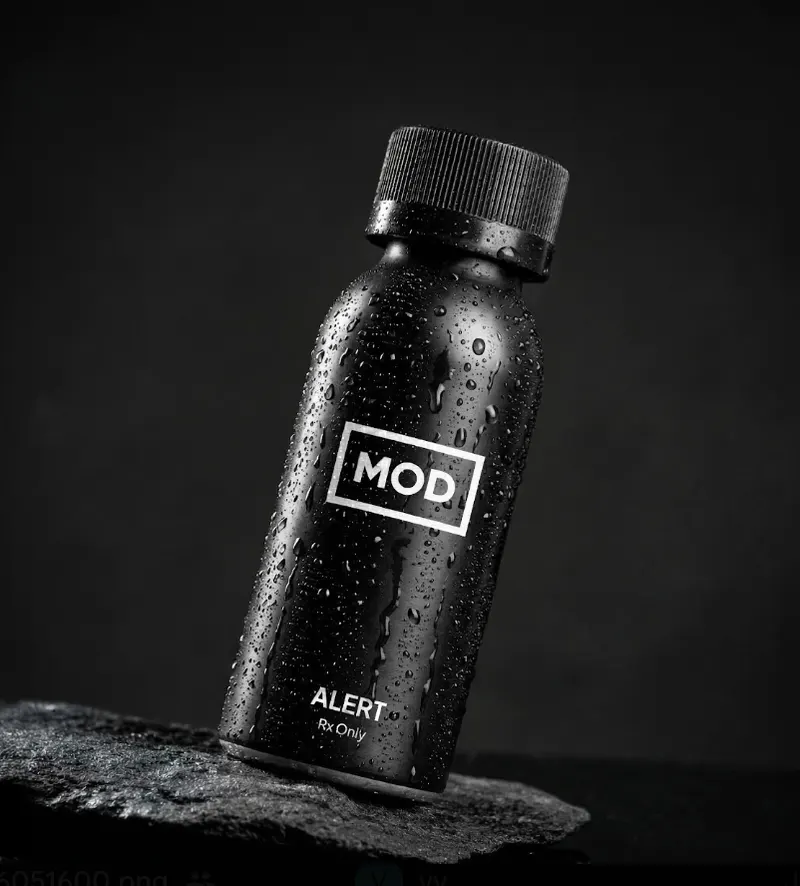
1. MOD Alert: Best for Prescription Wakefulness Support
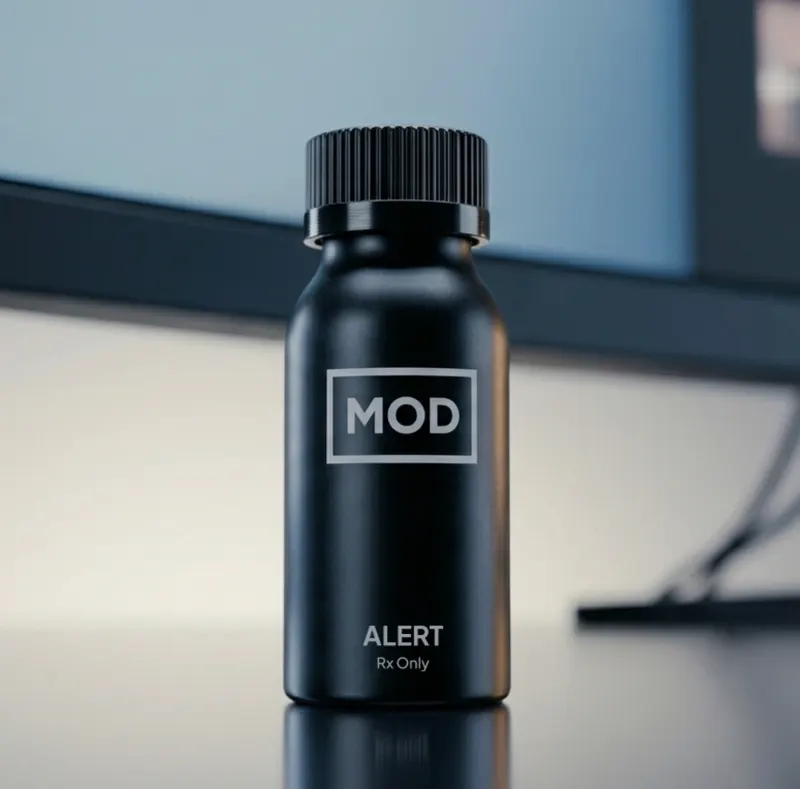
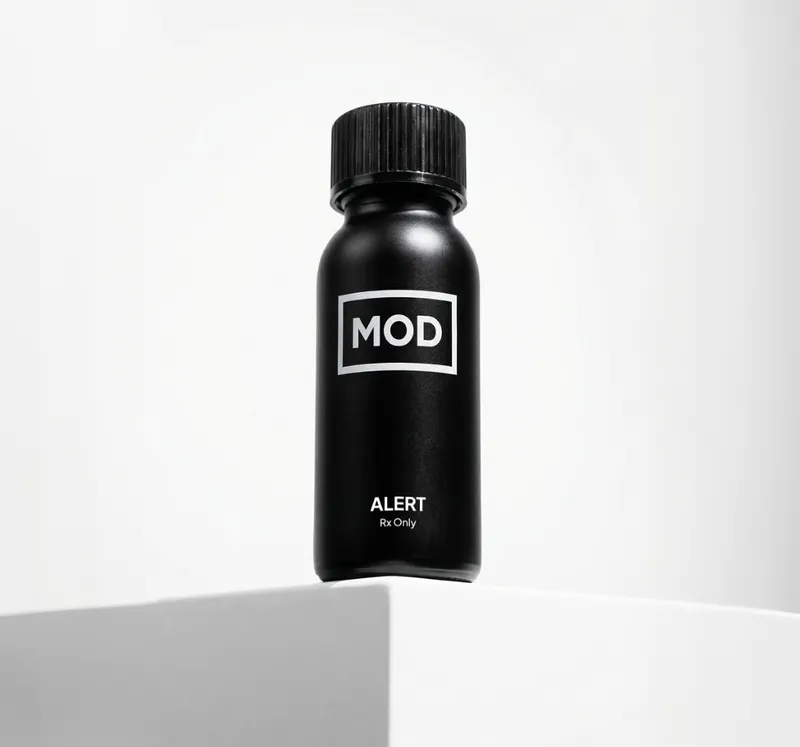
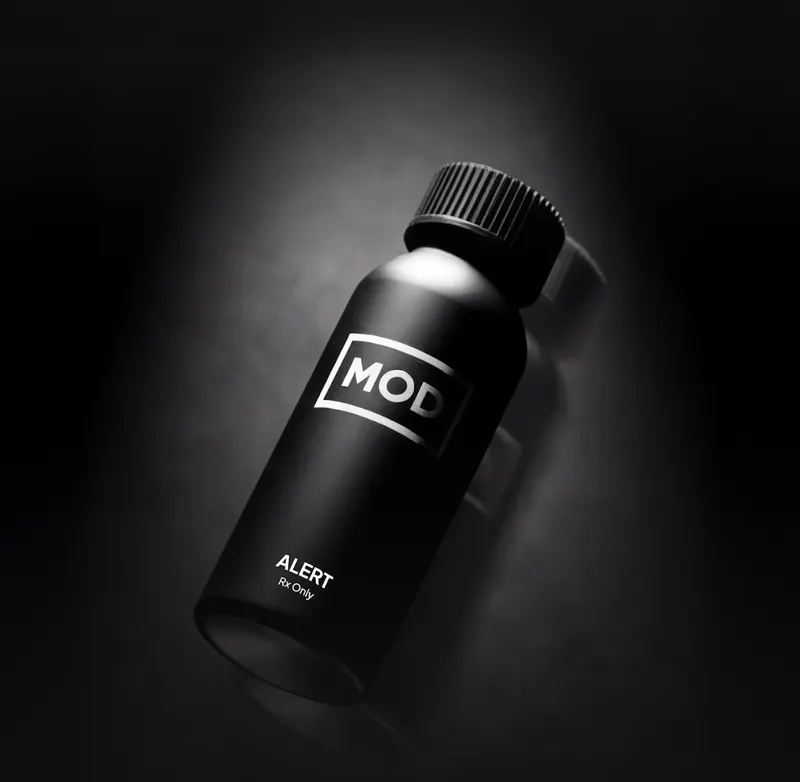
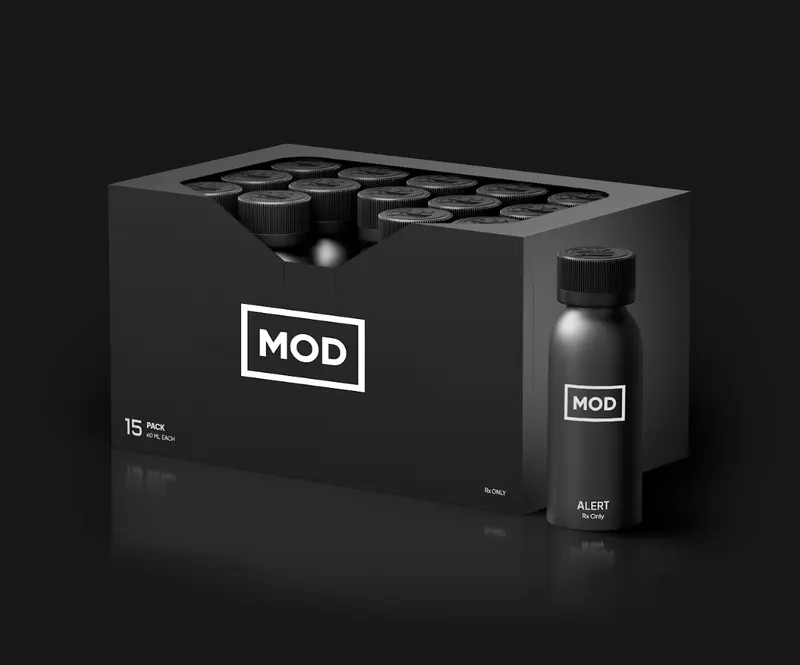
For shift workers dealing with excessive daytime sleepiness associated with shift work sleep disorder (SWSD), MOD Alert offers a fundamentally different approach than caffeine-based options. This prescription medication contains 150 mg modafinil and 60 mg caffeine, designed to support wakefulness for up to 12 hours.
How MOD Alert Works
Unlike caffeine, which blocks adenosine receptors and creates a rebound crash, modafinil influences dopamine and other wakefulness-related pathways. Caffeine primarily works by blocking adenosine receptors. This difference in mechanism may support a smoother energy profile with fewer noticeable highs and lows.
Key characteristics of MOD Alert:
- Duration: May support wakefulness for up to 12 hours, covering full shifts without needing to redose
- Mechanism: Modafinil influences dopamine and other wakefulness-related pathways, while caffeine primarily works by blocking adenosine receptors. This may support a smoother energy profile with fewer noticeable highs and lows
- Format: Liquid medication for convenient consumption
- Oversight: Requires a prescription from a licensed healthcare provider through MOD's telemedicine platform
When MOD Alert May Help
MOD Alert is a prescription compounded medication prescribed for excessive daytime sleepiness associated with SWSD. This makes it particularly relevant for:
- Healthcare workers on 12-hour rotations
- Long-haul truck drivers needing sustained alertness
- First responders with unpredictable call schedules
- Manufacturing and warehouse workers on rotating shifts
- Anyone diagnosed with or experiencing symptoms of SWSD
Medical Supervision Matters
One significant advantage of MOD Alert is that it comes with medical oversight. Through MOD's platform, a licensed healthcare provider reviews your health information and determines whether the medication is appropriate for your situation. This stands in contrast to energy drinks, which anyone can purchase without considering their individual health profile.
The medical intake process helps ensure the medication fits your needs and that potential interactions or contraindications are identified before you start.
Explore MOD Alert
If standard energy drinks leave you crashing mid-shift, MOD Alert may be worth discussing with a healthcare provider. The platform makes it easier to complete a medical intake and, if appropriate, receive your prescription medication shipped directly to your door.
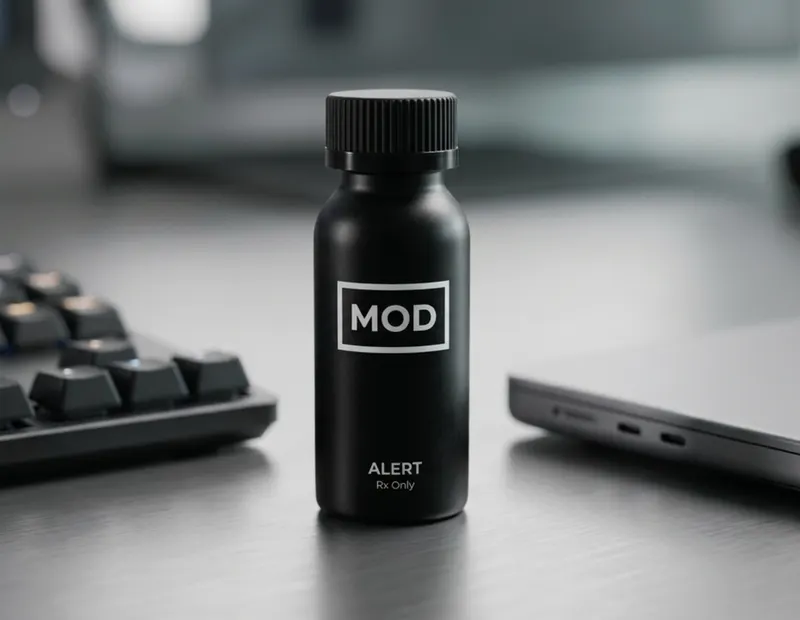
2. Celsius
Celsius has gained popularity among shift workers looking for something that feels healthier than traditional energy drinks. The brand positions itself around fitness and thermogenic energy, with a formula that differs from Monster and Red Bull.
What Celsius Offers
Celsius contains 200 mg of caffeine per can, derived primarily from green tea extract and guarana. The formula also includes B vitamins, vitamin C, and a thermogenic blend with ingredients like green tea leaf extract, guarana seed extract, and ginger root.
Celsius characteristics:
- Caffeine content: 200 mg per can
- Duration: Some users report 4 to 6 hours of alertness
- Sugar: Zero grams in most versions
- Positioning: Marketed as a fitness-oriented energy drink
Shift Worker Considerations
For 8-hour shifts, Celsius may provide adequate coverage with two servings spaced several hours apart. However, 12-hour shifts would require additional servings, increasing total caffeine intake. The 200 mg per can caffeine content is higher than some alternatives, which may not suit caffeine-sensitive individuals.
Mainstream energy drink testing has ranked Celsius among top performers for overall quality, though it still operates within the caffeine-crash paradigm that affects all adenosine-blocking stimulants.
3. Coffee
For shift workers prioritizing cost, home-brewed coffee remains the most economical option. At roughly $0.20 to $0.50 per cup, coffee costs a fraction of commercial energy drinks.
Coffee Basics for Shift Workers
A standard cup of black coffee contains 80 to 100 mg of caffeine, providing moderate stimulation without the extreme spikes of high-caffeine energy drinks. The lack of added sugars, artificial sweeteners, and carbonation makes it gentler on the digestive system.
Coffee advantages:
- Cost: Lowest per-serving cost among all options
- Flexibility: Easy to adjust strength and timing
- Availability: Accessible in most workplaces
- No additives: Simple ingredient profile
Practical Application
Shift workers who rely on coffee typically need 4 to 6 cups to cover a 12-hour shift. Spacing intake strategically, such as one cup every 2 to 3 hours, can help maintain more consistent alertness compared to drinking multiple cups at once.
The downside is that coffee still works through caffeine's adenosine-blocking mechanism, meaning crashes remain possible, especially with inconsistent intake patterns.
4. Matcha
Matcha offers an alternative caffeine source with a built-in buffer. The combination of caffeine and L-theanine creates a different experience than coffee or energy drinks for many users.
The L-Theanine Advantage
Matcha contains approximately 70 mg of caffeine per cup, paired with L-theanine, an amino acid that promotes calm focus. This combination may produce alertness without the jittery edge that high-caffeine drinks often cause.
Matcha characteristics:
- Caffeine content: About 70 mg per cup
- L-theanine: Helps buffer caffeine's anxiety effects
- Duration: Users report 4 to 6 hours of alertness
- Antioxidants: High concentration compared to other teas
When Matcha Works Well
Matcha suits shift workers who:
- Experience anxiety or jitters from regular caffeine
- Prefer a gentler energy curve
- Want antioxidant benefits alongside alertness support
- Work shorter shifts or can combine with other strategies
For 12-hour shifts, matcha alone may require multiple servings, but its smoother profile makes it easier to consume throughout a shift without accumulating side effects as quickly.
5. Yerba Mate
Yerba mate is a traditional South American beverage that provides caffeine through a different delivery system than coffee or tea. It has gained traction among shift workers seeking natural energy alternatives.
Yerba Mate Profile
Yerba mate contains roughly 85 mg of caffeine per cup, placing it between coffee and matcha. The beverage also contains theobromine and theophylline, related compounds that may contribute to its effects.
Yerba mate characteristics:
- Caffeine content: About 85 mg per cup
- Additional compounds: Theobromine and theophylline
- Duration: 4 to 6 hours reported by users
- Preparation: Can be brewed traditionally or purchased ready-to-drink
Practical Considerations
Yerba mate works well for shift workers who enjoy the ritual of hot beverages and want moderate caffeine without the acidity of coffee. The slightly higher caffeine content compared to matcha means fewer servings may be needed per shift.
Ready-to-drink yerba mate products are increasingly available, making this option more convenient for workplace consumption.
6. Electrolyte Beverages
Dehydration contributes significantly to fatigue, and shift workers often underhydrate due to irregular schedules and limited break access. Electrolyte beverages address this root cause rather than simply adding stimulants.
The Hydration-Energy Connection
Mild dehydration can reduce cognitive performance and increase feelings of fatigue before obvious thirst appears. Electrolyte beverages help maintain fluid balance and muscle function through minerals like sodium, potassium, and magnesium.
Electrolyte beverage benefits:
- Addresses a root cause: Dehydration-related fatigue
- No crash risk: No stimulant mechanism to rebound from
- Supports overall function: Muscle, nerve, and cognitive performance
- Combinable: Can be used alongside other strategies
Options for Shift Workers
Electrolyte beverages range from commercial sports drinks to low-sugar tablets and homemade solutions. For shift workers, low-sugar options avoid the energy spike and crash associated with high-glucose sports drinks.
Coconut water provides natural electrolytes for those preferring whole-food sources. Electrolyte tablets dissolved in water offer portable, no-sugar options suitable for workplace consumption.
7. B Vitamins and Strategic Supplementation
B vitamins play essential roles in energy metabolism, and deficiencies can contribute to fatigue that stimulants cannot fix. For shift workers, strategic supplementation may address underlying nutritional gaps.
The Role of B Vitamins
The B vitamin complex, particularly B6, B12, and folate, supports energy production at the cellular level. Vitamin B6 (pyridoxine) serves as a cofactor for energy metabolism and neurotransmitter synthesis.
Key B vitamins for energy:
- Vitamin B6: Supports energy metabolism and cognitive function
- Vitamin B12: Essential for red blood cell formation and neurological function
- Folate: Works with B12 in energy production pathways
Supplementation Considerations
B vitamin supplements work best when addressing actual deficiencies. Shift workers may be at higher risk for deficiencies due to:
- Irregular eating patterns
- Limited meal consistency or dietary variety during irregular schedules
- Higher stress levels depleting B vitamins faster
A healthcare provider can help determine whether supplementation is appropriate through testing and individual evaluation.
8. Adaptogens
Adaptogens are herbs traditionally used to help the body manage stress and support endurance. While not stimulants in the traditional sense, they may help shift workers maintain energy through demanding schedules.
Common Adaptogens for Energy
Several adaptogens have research supporting their use for fatigue and stress management:
- Rhodiola rosea: May support mental performance during stress and fatigue
- Ashwagandha: Traditionally used for stress resilience and energy
- Ginseng: Has a long history of use for endurance and vitality
- Cordyceps: Used in traditional medicine for stamina
Practical Application
Adaptogens typically require consistent use over weeks to show effects, making them more suitable as a foundation strategy rather than an acute solution. They work best when combined with adequate sleep, nutrition, and appropriate medical care when needed.
Herbal teas containing adaptogens offer a gentle way to incorporate these herbs into a shift work routine.
Why MOD Alert Stands Out for Shift Work Sleep Disorder
Among all the alternatives discussed, MOD Alert occupies a unique position for shift workers dealing with excessive daytime sleepiness associated with SWSD. Here is why it differs from other options:
Duration Advantage
While coffee, matcha, and energy drinks provide 3 to 6 hours of alertness, MOD Alert may support wakefulness for up to 12 hours. For shift workers who cannot or do not want to consume multiple energy drinks per shift, this duration matters significantly.
Different Mechanism
MOD Alert's modafinil component works through dopamine pathways rather than adenosine blocking. This fundamental difference may produce a smoother energy profile with fewer highs and lows compared to caffeine-only options.
Medical Oversight
Energy drinks require no medical evaluation, meaning anyone can consume them regardless of underlying health conditions, medication interactions, or individual risk factors. MOD Alert's prescription requirement ensures a licensed healthcare provider reviews your situation before you begin.
Designed for SWSD
MOD Alert is a prescription compounded medication prescribed for excessive daytime sleepiness associated with shift work sleep disorder. This targeted approach differs from general-purpose energy drinks marketed to everyone from gamers to fitness enthusiasts.
For shift workers who have tried multiple energy drinks without finding adequate relief, or who experience symptoms consistent with SWSD, discussing prescription options with a healthcare provider may be a logical next step. MOD's online platform makes this process accessible without requiring traditional in-person appointments.
Frequently Asked Questions
What are the best healthy alternatives to Monster Energy for shift workers?
The best alternatives depend on your specific needs. For sustained wakefulness support lasting up to 12 hours, MOD Alert offers a prescription approach for those with excessive daytime sleepiness associated with SWSD. For gentler caffeine options, matcha provides L-theanine to buffer jitters, while yerba mate offers moderate caffeine with additional compounds. Coffee remains the most budget-friendly option. Electrolyte beverages address dehydration-related fatigue without stimulants, and adaptogens support stress resilience over time.
Can B vitamins really help with energy during long shifts?
B vitamins support energy metabolism at the cellular level, particularly B6, B12, and folate. However, supplementation works best when addressing actual deficiencies rather than as a general energy boost. Shift workers may be at higher risk for B vitamin deficiencies due to irregular eating patterns and elevated stress. A healthcare provider can determine whether supplementation is appropriate for your situation through testing and individual evaluation.
How does MOD Alert differ from over-the-counter energy drinks?
MOD Alert is not an over-the-counter energy drink. It is a prescription medication containing 150 mg modafinil and 60 mg caffeine, designed to support wakefulness for up to 12 hours. Unlike caffeine-only products that block adenosine receptors and create rebound crashes, modafinil works through dopamine pathways, which may produce a smoother energy profile. MOD Alert requires a prescription from a licensed healthcare provider after completing a medical intake, providing oversight that over-the-counter products cannot offer.
Is telemedicine a good option for getting help with shift work-related energy issues?
Telemedicine can be an effective option for shift workers who struggle to schedule traditional appointments due to irregular hours. Platforms like MOD allow you to complete medical intakes online and consult with licensed healthcare providers without in-person visits. For those experiencing excessive daytime sleepiness associated with shift work, this accessibility removes a significant barrier to getting appropriate care. You can learn more about how telemedicine consultations work through MOD's FAQ section.
How can I manage fatigue without harsh stimulants?
Managing fatigue without harsh stimulants involves addressing root causes rather than masking symptoms. Prioritize sleep quality even when schedules are irregular, stay hydrated with electrolyte support, and maintain consistent nutrition. Matcha and yerba mate offer gentler caffeine curves than high-stimulant energy drinks. Adaptogens may support stress resilience over time. For persistent excessive daytime sleepiness that interferes with work performance, consulting a healthcare provider about prescription options like MOD Alert may be appropriate. If you have questions, you can reach MOD's support team for guidance.
This article is provided for informational purposes only and does not constitute medical advice. The information presented is not a substitute for professional medical advice, diagnosis, or treatment. Always consult your healthcare provider to discuss the risks, benefits, and appropriateness of any treatment.
MOD offers access to healthcare providers who may prescribe compounded medications for the treatment of excessive daytime sleepiness associated with shift work sleep disorder (SWSD), when clinically appropriate.
The featured products include compounded medications that have not been approved by the FDA. Compounded medications may be prescribed under federal law but are not the same as, nor are they generic versions of, any FDA-approved medication. The FDA does not review compounded medications for safety, effectiveness, or manufacturing quality of compounded products. A prescription will only be written if deemed appropriate after the digital consultation by the licensed medical provider. Individual results may vary.
MOD is not a compounding pharmacy but a telemedicine service that links patients to licensed medical providers.