Done With the Celsius Crash? Here's What Actually Keeps You Focused
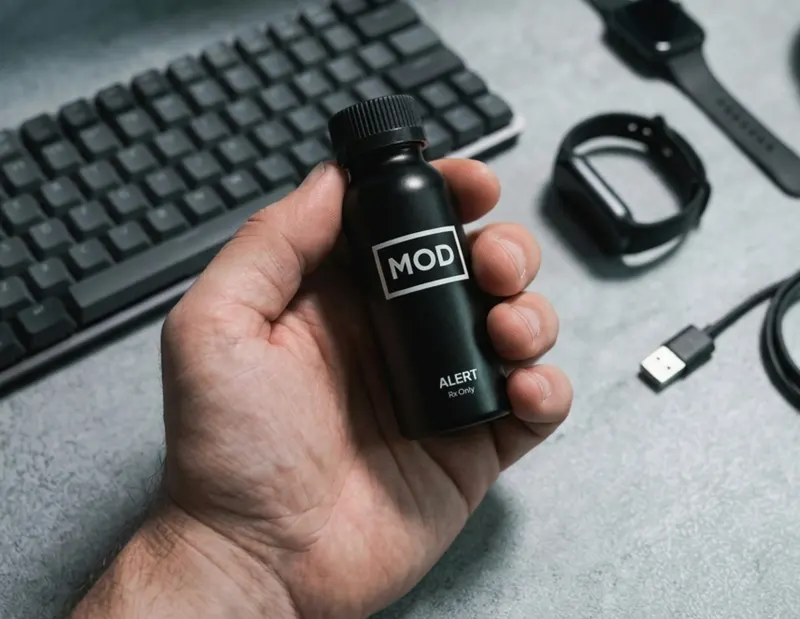
You cracked open a Celsius before your shift, felt sharp and dialed in for a few hours, then hit a wall that made you feel worse than before you touched the can. You're not imagining it. The Celsius energy drink crash is real, predictable, and baked into how caffeine works in your brain.
The good news: there are better options in 2026, from cleaner OTC drinks to prescription-grade wakefulness medications that work through an entirely different mechanism. This guide explains why the crash happens, how long it lasts, and which alternative actually matches your needs.
Key Takeaways
- MOD Alert: Best for shift workers, nurses, EMTs, and high-performers who need sustained alertness without relying on high-dose caffeine alone
- Ghost Energy: Best OTC swap for fitness users who want a comparable caffeine hit with transparent labeling and no proprietary blends
- Zevia Energy: Best for caffeine-sensitive people: 120 mg caffeine, stevia sweetened, noticeably gentler lift
- Electrolyte drinks (e.g., LMNT): Best when your crash is partly dehydration-driven or you want to eliminate caffeine entirely
- Bucked Up Energy: Option for high-tolerance users who want a nootropic stack alongside 300 mg caffeine, with elevated jitter risk
- Quickest crash fix: Water + a small meal + a 15-minute walk reduces severity faster than reaching for a second Celsius
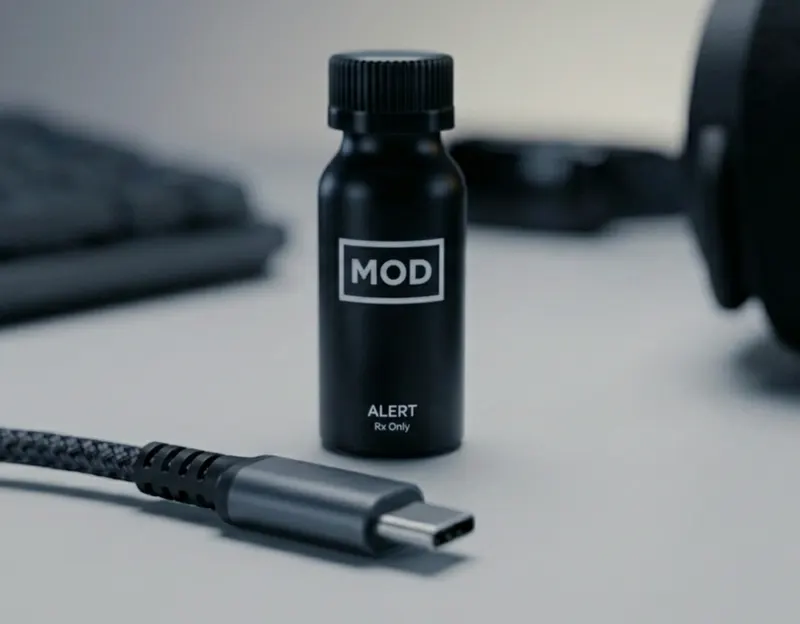
Why People Are Switching from Celsius
The complaints are predictable: jitters within 30 minutes, a hard wall a few hours later, a crash that feels worse than your pre-drink baseline. Three patterns drive most defections.
The crash is poorly timed for anyone working long shifts, one Celsius can get you through the front half of a shift, then leave you dragging later when you still need to perform. Tolerance can also build over time, which means the same drink may start feeling less effective than it used to. If any of this sounds familiar, here's what your options actually look like.
Why Does the Celsius Energy Drink Crash Happen?
The Celsius energy drink crash happens because caffeine blocks adenosine receptors in your brain, masking fatigue without stopping adenosine production. When caffeine wears off, accumulated sleep pressure catches up with you and fatigue becomes more noticeable again.
A standard 12 oz Celsius contains 200 mg of caffeine per can, according to the brand's official product information. That is a meaningful dose for a single drink. Caffeine works by blocking adenosine receptors in your brain. Adenosine is one of the key molecules involved in sleep pressure, so when caffeine blocks those receptors, you feel more alert, not because you've created energy, but because you've blocked part of the fatigue signal. The problem is that your brain keeps building sleep pressure in the background while the caffeine is active. When the caffeine effect fades, that fatigue can hit all at once and feel stronger than your pre-drink baseline.
Celsius also includes guarana seed extract, which the company notes is part of its caffeine source. Combined with the stimulant load of a high-caffeine drink, that can make the rebound feel harsher for some users than a smaller dose of coffee.
The Adenosine Rebound: What Happens in Your Brain
The adenosine rebound is the core reason any high-caffeine drink produces a crash, and understanding the mechanism explains why some alternatives avoid the problem entirely while others just shift the timing.
Here's the sequence after a Celsius:
- Caffeine absorbs and kicks in
- Adenosine receptors get blocked: You feel focused and alert while caffeine occupies those receptors
- Sleep pressure keeps building: Your brain does not stop getting tired just because caffeine is masking it
- Caffeine wears off: The alertness effect fades
- Fatigue catches up: The tiredness that was temporarily masked becomes much more noticeable
No "healthy" ingredient list changes this. Guarana, green tea extract, and other caffeine-containing ingredients still feed into the same basic caffeine pathway. The main way to move outside that cycle is to use a wakefulness approach that does not rely on caffeine alone.
How Long Does the Celsius Crash Last?
The Celsius crash typically begins a few hours after the drink wears off, but the exact timing and severity vary from person to person.
Whether it feels mild or brutal depends on factors like your caffeine sensitivity, how much tolerance you've built, whether you've eaten, and how well hydrated you are. For shift workers pulling 12-hour nights, the timing is the real problem. One Celsius may help early on, then leave you dragging during the back half of the shift.

Celsius Crash Fix: What to Do Right Now
If the Celsius energy drink crash is already underway, these approaches can reduce how hard it hits:
- Drink water: Dehydration can make the crash feel worse
- Eat something: A small meal or snack can help you feel steadier
- Take a 15-minute walk: Light movement can help you feel more awake
- Avoid a second Celsius: It may delay the crash, but usually does not solve the pattern
- Sleep if possible: Rest is still the most direct way to recover
None of these fix the underlying problem for daily crashers. If you're reaching for Celsius every day and hitting the same wall, you're likely dealing with a pattern that caffeine alone is not solving.
Celsius vs. Alternatives: A Side-by-Side Comparison
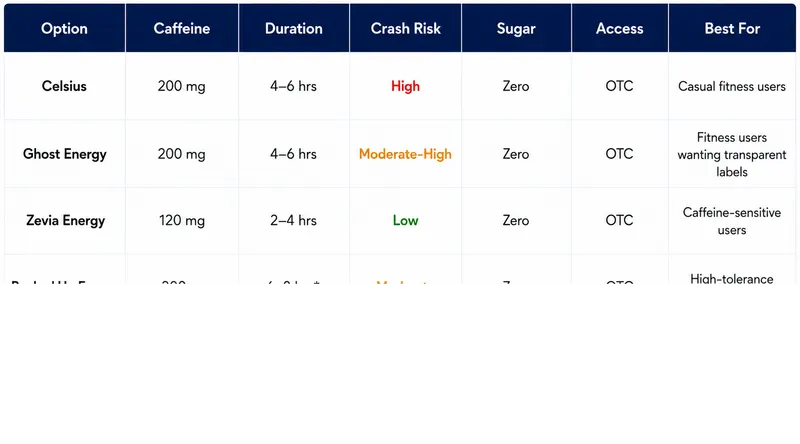
*Bucked Up's extended duration relies on TeaCrine® and Dynamine™, proprietary compounds with limited independent peer-reviewed research.
Best Energy Drink Without Crash: Celsius Alternatives
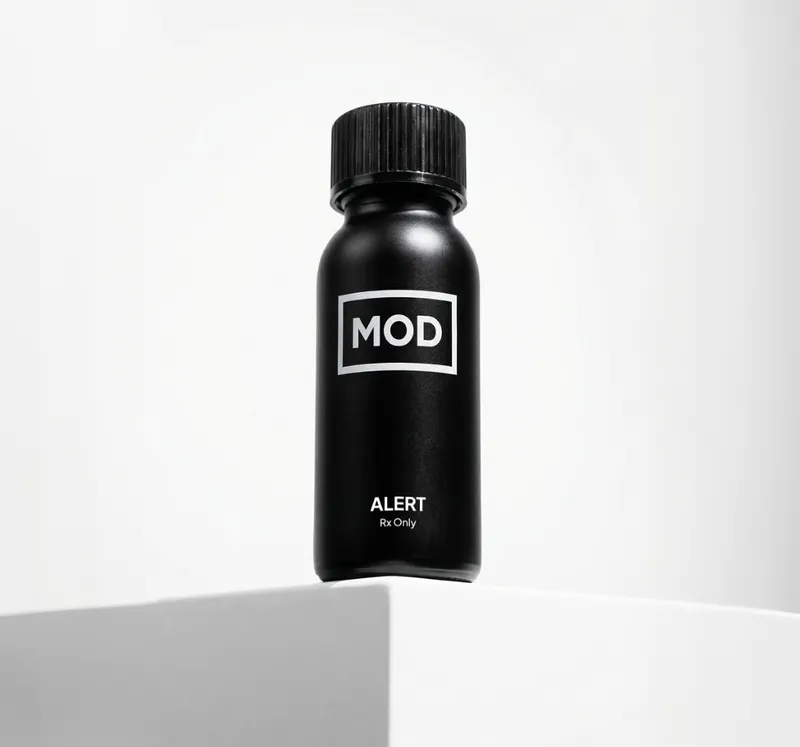
1. MOD Alert, For Shift Workers
Active ingredients: MOD Alert: Modafinil 150 mg + caffeine 60 mg
Duration: up to 12 hours
Scheduling: Modafinil is a Schedule IV controlled substance, with lower abuse potential than Schedule II stimulants
Access: Prescription via telehealth, online assessment → provider review → ships to door
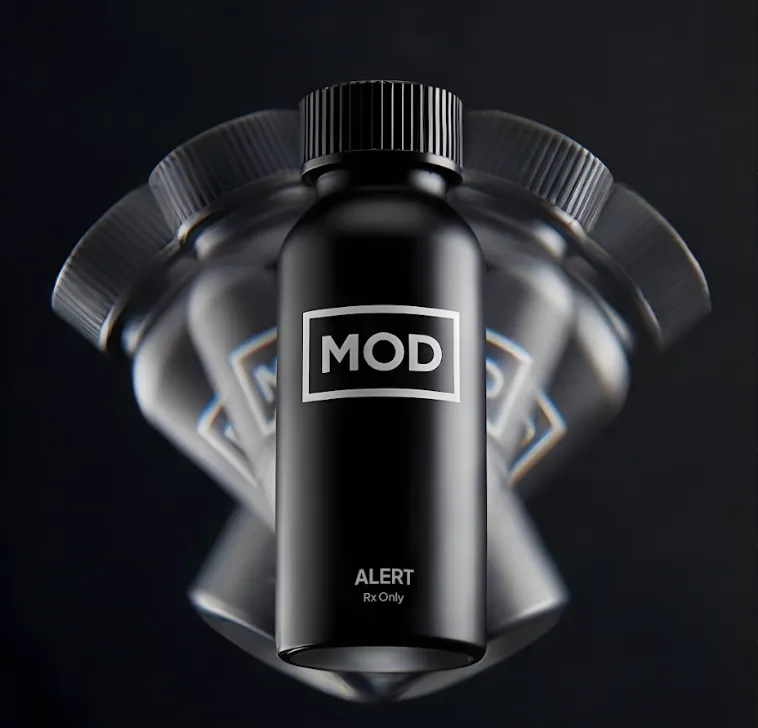
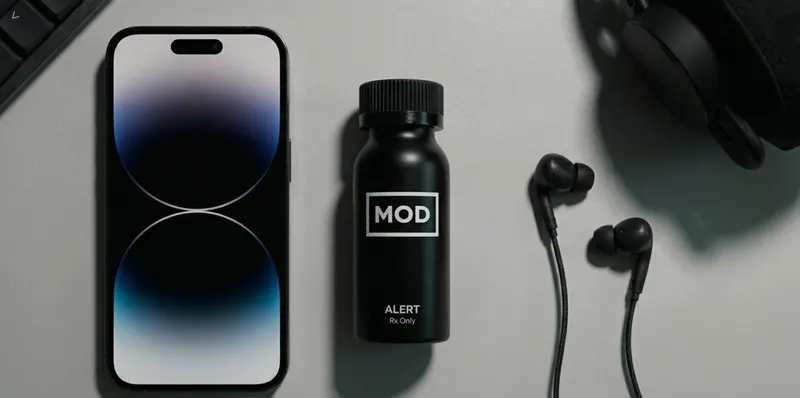
MOD Alert takes a fundamentally different approach to wakefulness. Rather than stacking caffeine to push alertness harder, this prescription drinkable formulation uses modafinil as the primary active ingredient. Modafinil is FDA-approved to treat excessive daytime sleepiness associated with shift work sleep disorder, narcolepsy, and obstructive sleep apnea. MOD products themselves are compounded prescription medications and are not FDA-approved products.
The result: instead of a short caffeine peak followed by a hard crash, MOD is designed to provide up to 12 hours of sustained alertness that fades more gradually.
The clinical evidence is strong. A randomized controlled trial in air force crewmembers found that both 200 mg modafinil and 300 mg caffeine improved vigilance after limited sleep deprivation, with modafinil appearing to remain effective longer.
Key Benefits:
- Up to 12 hours of sustained alertness
- Prescription-grade modafinil, no waiting rooms, no in-person appointments required
- Lower reliance on caffeine than a standard high-caffeine energy drink
- Non-amphetamine, Schedule IV, with lower abuse potential than Schedule II stimulants like Adderall
- Formulated specifically for shift workers and people with SWSD
Pros:
- Compounded prescription liquid option designed for wakefulness support
- Gradual fade-out, with less of the hard wall common to standard energy drinks
- Works through a different pathway than caffeine alone
Best for: Nurses, EMTs, pilots, police officers, military personnel, and high-performers who need 12+ hours of reliable wakefulness and have found OTC energy drinks crashing them at the wrong moments.
2. Ghost Energy
Caffeine: 200 mg | Sugar: Zero | Access: OTC | Scheduling: Unscheduled
Ghost Energy uses natural caffeine sources and publishes fully transparent labeling, every ingredient and dose is listed, with no proprietary blends. For Celsius users who want a comparable caffeine hit without the murky formula, Ghost is the clearest lateral move.
At 200 mg caffeine, Ghost doesn't meaningfully change your rebound risk compared to Celsius. The crash mechanism is essentially the same. What you get instead is a verifiable ingredient list that makes it easier to track your daily caffeine intake.
Key Benefits
- 200 mg natural caffeine
- Full label transparency: every ingredient and dose disclosed, no proprietary blends
- Zero sugar
Pros:
- Transparent labeling
- Natural caffeine sources
- Zero sugar
3. Zevia Energy
Caffeine: 120 mg | Sweetener: Stevia leaf extract | Sugar: Zero | Access: OTC
Zevia's energy drinks contain substantially less caffeine than Celsius and avoid common artificial sweeteners. The lighter dose delivers a gentler, shorter lift, which is the point for people who experience jitters, heart palpitations, or anxiety from higher-caffeine drinks.
At 120 mg, the rebound still happens, but the intensity is lower. It's not crash-free, but for caffeine-sensitive users it's often more manageable.
Key Benefits
- 120 mg caffeine
- Stevia-sweetened
- Zero sugar
Pros:
- Cleaner mainstream OTC ingredient profile
- Lower caffeine than Celsius
- No artificial sweeteners
4. Bucked Up Energy
Caffeine: ~300 mg | Sugar: Zero | Access: OTC | Scheduling: Unscheduled
Bucked Up adds TeaCrine® and Dynamine™ to its formula, proprietary compounds the brand claims may extend energy beyond the standard caffeine window. Their 6-8 hour duration figures are based more on brand positioning than strong independent clinical evidence.
At approximately 300 mg caffeine per serving, Bucked Up pushes close to the level many people consider too aggressive for a single can. For users who've built high caffeine tolerance from years of energy drinks, this might be the only OTC option that still feels strong, which is itself a sign the real issue may be tolerance, not an insufficient dose.
Key Benefits
- ~300 mg caffeine per serving
- Nootropic stack: TeaCrine®, Dynamine™, AlphaSize®
- Zero sugar
Pros:
- Higher caffeine dose for high-tolerance users
- Nootropic additions may extend the alertness window
- Transparent about its nootropic stack
5. Electrolyte Drinks (LMNT, Nuun)
Caffeine: None | Access: OTC
Part of what makes a caffeine crash feel so rough is that dehydration can make the headache, brain fog, and lethargy feel worse. Electrolyte drinks address that piece directly.
They're not a wakefulness solution, there is no stimulant effect. But for users whose crash symptoms include headache and cognitive fogginess, pairing an electrolyte drink alongside any caffeinated option can soften the drop.
Key Benefits
- Zero caffeine
- Electrolytes can support hydration
- Available as ready-to-drink cans or powdered stick packs
Pros:
- Zero crash risk from caffeine
- Can help with the hydration side of a crash
- Can be combined with lower-caffeine alternatives
When OTC Energy Drinks Stop Working
If you've been drinking Celsius daily for months and feel like it barely touches you anymore, you're probably dealing with caffeine tolerance. The same dose does less over time, and the crash can feel harder when it clears.
No OTC energy drink fully solves that. They all still rely mainly on caffeine. The options are usually to reduce caffeine, switch to a lower-dose drink, or consider a wakefulness-promoting medication that works differently, which is where prescription-grade options become relevant for people with legitimate 12-hour shift demands.
Final Verdict
- For shift workers, nurses, EMTs, and anyone who needs 12+ hours of sustained wakefulness, MOD Alert is in a different category, prescription-grade modafinil works through a different pathway than caffeine alone and is used clinically to promote wakefulness.
If you've hit the ceiling of what OTC energy drinks can do, it's worth finding out whether a prescription option is appropriate for you. MOD's intake is online only, no waiting rooms, no in-person appointments.
Choose your plan and get MOD shipped to your door →
Frequently Asked Questions
Does Celsius make you crash?
Yes, Celsius can cause a crash in many users because its caffeine dose can temporarily mask fatigue, then wear off and leave that fatigue feeling more obvious again. A standard 12 oz Celsius contains 200 mg of caffeine per can.
How long does the Celsius crash last?
The Celsius crash often begins after the drink's alertness effect wears off, but the exact timing varies. Some people bounce back quickly, while others feel off for longer depending on sensitivity, food intake, hydration, and tolerance.
Why do I feel tired after drinking Celsius?
You feel tired after Celsius because caffeine blocks fatigue signals without removing the underlying sleep pressure. When the caffeine effect fades, the tiredness that was being masked becomes easier to feel again.
What can I drink instead of Celsius to avoid crashing?
For a cleaner OTC option, Ghost Energy or Zevia Energy are the top alternatives in this guide. For longer wakefulness support without relying on high-dose caffeine alone, MOD Alert uses prescription-grade modafinil, available via telehealth if approved.
Can caffeine cause a crash even without sugar?
Yes. A caffeine crash is not just about sugar. Even a zero-sugar caffeinated drink can still lead to a rebound in fatigue when the stimulant effect wears off.
How much caffeine is in a Celsius energy drink?
A standard 12 oz Celsius contains 200 mg of caffeine.
Is Celsius bad for you?
Celsius is not inherently dangerous for healthy adults when consumed in moderation, but its caffeine content can be a problem for people with caffeine sensitivity, certain cardiovascular concerns, or sleep-related issues.
Does Celsius have more caffeine than coffee?
Usually yes. A standard Celsius contains 200 mg of caffeine, which is often more than a typical 8 oz cup of coffee.
Is there an energy drink with no crash at all?
No caffeine-based drink fully guarantees a no-crash experience. Lower-caffeine options may soften the rebound. For a different wakefulness approach, prescription modafinil-based options work through a different pathway than caffeine alone.
How do I fix the crash after an energy drink?
Drink water, eat a small meal, take a short walk, and avoid doubling down with another high-caffeine drink. If the crash is severe and recurring, the bigger issue may be that caffeine is no longer the right tool for what your schedule demands.
This article is provided for informational purposes only and does not constitute medical advice. The information presented is not a substitute for professional medical advice, diagnosis, or treatment. Always consult your healthcare provider to discuss the risks, benefits, and appropriateness of any treatment.
MOD offers access to healthcare providers who may prescribe compounded medications for the treatment of excessive daytime sleepiness associated with shift work sleep disorder (SWSD), when clinically appropriate.
The featured products include compounded medications that have not been approved by the FDA. Compounded medications may be prescribed under federal law but are not the same as, nor are they generic versions of, any FDA-approved medication. The FDA does not review compounded medications for safety, effectiveness, or manufacturing quality of compounded products. A prescription will only be written if deemed appropriate after the digital consultation by the licensed medical provider. Individual results may vary.