Why Am I Tired After Sleeping? 8 Causes and What to Do About It

Why am I tired after sleeping a full eight hours? If you woke up feeling like you barely closed your eyes despite spending the whole night in bed, you are not imagining things, and you are definitely not alone. Feeling tired after sleeping is common. It usually means your body did not get truly restorative rest, even if you spent enough time in bed.
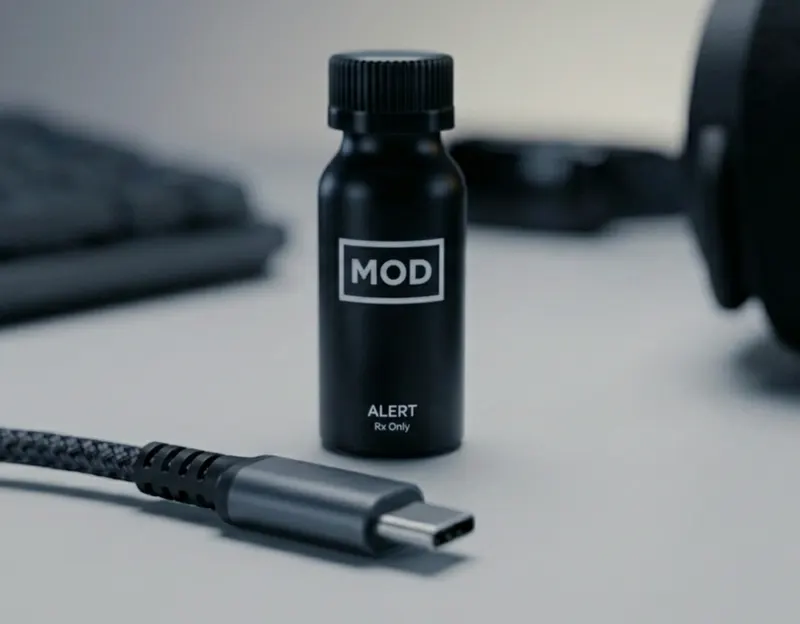
Here is the frustrating truth: the number of hours you sleep is only part of the equation. What actually happens during those hours matters just as much — maybe more. For shift workers and people with sleep disorders, this frustration runs even deeper — and prescription solutions from MOD can help bridge the gap when lifestyle changes aren't enough. Let's break down why your body might be betraying you every morning, what is actually going on beneath the surface, and what you can do about it.
Key Takeaways
- Sleep quality matters more than sleep quantity. Even fragmented sleep can leave you feeling exhausted the next day.
- Sleep apnea is common and often missed. An estimated 30 million U.S. adults have obstructive sleep apnea.
- Low iron, B12, or vitamin D can contribute to persistent fatigue, even if you seem to be sleeping enough.
- Evening screen exposure can delay your circadian clock, making it harder to get high-quality sleep.
- If you are constantly tired after sleeping, it’s important to talk to a doctor, especially if you snore, wake with headaches, or never feel refreshed.
Why Am I Tired After Sleeping? Sleep Quality vs. Sleep Quantity
You have probably heard the standard advice: get seven to nine hours of sleep per night. That is good guidance. But it misses a big piece of the puzzle, and that is why so many people ask why they feel tired after sleeping 8 hours.
Research has found that sleep quality was more strongly linked to energy, mood, and life satisfaction than the raw number of hours spent in bed. In other words, eight hours of broken, restless sleep may leave you feeling worse than seven hours of solid sleep.
What "Good Sleep" Actually Looks Like
Your body cycles through four stages of sleep several times per night, and each stage plays a different role in helping you recover:
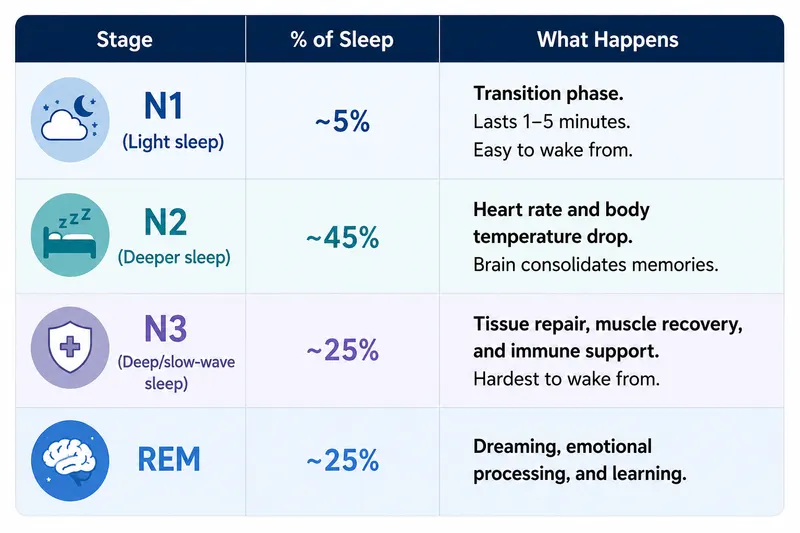
Deep sleep is where most physical recovery happens. REM helps with memory, mood, and mental clarity. If something keeps interrupting these stages, even without fully waking you up, you will usually feel it the next morning.
There is also sleep inertia. If your alarm goes off in deep sleep, you may feel groggy, slow, and disoriented for 30 to 60 minutes after waking. Sometimes that “hit by a truck” feeling is more about timing than total sleep time.
8 Common Reasons You Wake Up Tired After Sleeping
1. Poor Sleep Hygiene
This is often the first place to look.
Screen time before bed is a common problem. Blue light from phones, tablets, and laptops can suppress melatonin and make it harder for your body to shift into sleep mode. Harvard research found that blue light suppressed melatonin longer than green light and shifted circadian rhythms significantly.
Other sleep hygiene issues include:
- Inconsistent sleep schedule — going to bed and waking up at different times throws off your body clock
- Caffeine too late in the day — that afternoon coffee may still be active at bedtime
- Alcohol before bed — it may make you sleepy at first, but it can disrupt REM and fragment sleep later in the night
- Heavy meals before bed — digestion can make it harder to settle into deeper sleep
- A bedroom that is too bright, noisy, or warm — even mild environmental stress can reduce sleep quality
2. Sleep Disorders That Leave You Waking Up Tired
If your habits are solid and you still wake up exhausted, a sleep disorder may be the reason.
Obstructive sleep apnea (OSA) is one of the most common causes. It happens when your airway repeatedly narrows or collapses during sleep, briefly disrupting breathing and pulling you out of deeper sleep. These interruptions may happen dozens of times per night, and you may not remember them.
Common warning signs include:
- Loud snoring
- Gasping or choking during sleep
- Dry mouth or headaches in the morning
- Daytime sleepiness despite “enough” sleep
- Trouble concentrating
Restless legs syndrome (RLS) can also interfere with sleep by causing an urge to move your legs, especially at night. Low iron is a well-known contributor to RLS.
Insomnia can also leave you wiped out, even if you technically spend enough time in bed. Chronic insomnia affects about 10% of adults.
3. Shift Work Sleep Disorder (SWSD)
If you work nights, rotating shifts, or very early mornings, your fatigue may have a name: Shift Work Sleep Disorder.
SWSD happens when your work schedule clashes with your natural circadian rhythm. That can lead to sleepiness during work hours and poor sleep when you try to rest. It is not just frustrating. It can affect mood, focus, reaction time, and long-term health. A large review on shift work and health linked shift work with higher rates of cardiovascular, gastrointestinal, and mental health problems.
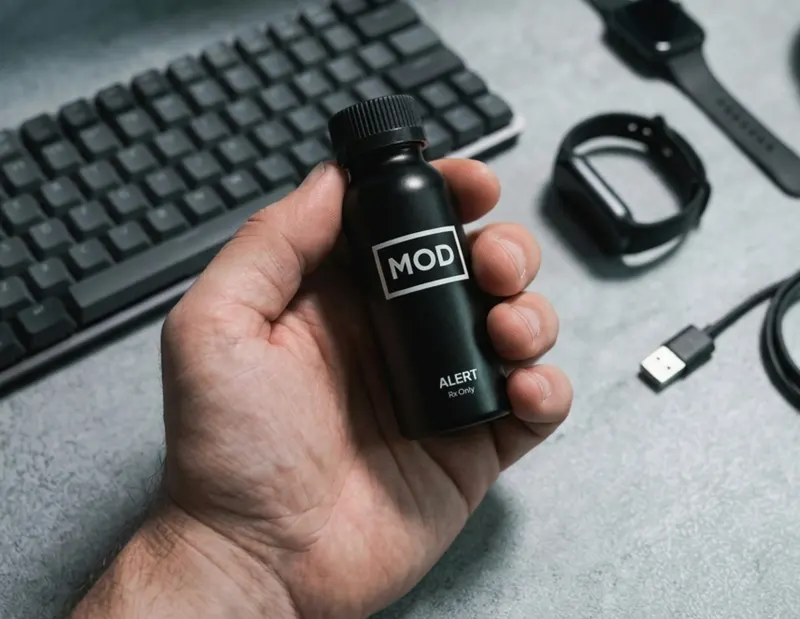
If your fatigue is tied to shift work, prescription wakefulness support may be worth discussing with a provider. MOD offers prescription medications for adults with excessive daytime sleepiness related to shift work. MOD Alert contains modafinil and caffeine. In a clinical trial, the active ingredient modafinil improved symptoms in many patients with SWSD compared with placebo.
Potential side effects of modafinil can include headache, nausea, anxiety, and insomnia, so it’s important to talk with a licensed provider about whether it is appropriate for you.
4. Nutrient Deficiencies That Cause Fatigue After Sleeping
Sometimes the reason you feel tired has less to do with sleep itself and more to do with what your body is missing.
Iron deficiency can cause fatigue, headaches, and poor concentration, even before it progresses to full anemia. It can also worsen restless legs syndrome.
Vitamin B12 deficiency can lead to tiredness, weakness, and nerve-related symptoms. B12 is essential for red blood cells, which help carry oxygen throughout the body.
Vitamin D deficiency has also been linked to poor sleep. One review found that vitamin D deficiency increased the risk of sleep disorders, including poor sleep quality and excessive daytime sleepiness.
A basic blood test can help check for all three.
5. Thyroid Problems
Your thyroid helps regulate metabolism, body temperature, and energy. When it is underactive, everything can feel slower, including your ability to feel rested.
Fatigue is one of the most common complaints in hypothyroidism. Research has also found that people with hypothyroidism often report worse sleep and fatigue.
Other symptoms can include:
- Unexplained weight gain
- Feeling cold often
- Dry skin or thinning hair
- Muscle aches
- Brain fog
If this sounds familiar, it’s important to ask your doctor about thyroid testing.
6. Mental Health: Depression and Anxiety
Sleep and mental health affect each other in both directions. Depression can disrupt sleep, and poor sleep can make depression worse.
A large review found that insomnia is very common in people with depression. Some people also experience hypersomnia, meaning they sleep longer than usual but still wake up exhausted.
If you also notice low mood, loss of interest, appetite changes, or trouble concentrating, it’s important to talk with a mental health professional.
7. Medications That Cause Drowsiness
Sometimes the thing making you tired is a medication you are taking for something else.
Common medications that make people sleepy include:
- Antihistamines
- Some antidepressants
- Blood pressure medications
- Muscle relaxants
- Anti-seizure medications
- Sleep aids and benzodiazepines
- Opioid pain medicines
If a medication seems to be contributing to fatigue, do not stop it on your own. It’s important to discuss it with your doctor first.
8. Chronic Fatigue Syndrome (ME/CFS)
Myalgic encephalomyelitis/chronic fatigue syndrome, or ME/CFS, is a chronic condition marked by severe fatigue that does not improve with rest. One of its defining features is post-exertional malaise, which means physical or mental effort can make symptoms much worse.
Diagnosis usually includes persistent fatigue, unrefreshing sleep, post-exertional malaise, and either cognitive problems or orthostatic intolerance.
If you have had severe fatigue for six months or more and rest does not help, it’s important to bring that up with your doctor.

When to See a Doctor About Being Tired After Sleeping
It’s important to schedule an appointment if:
- You have been tired for more than two to three weeks despite sleep habit changes
- Your partner says you snore, gasp, or stop breathing during sleep
- You wake up with headaches most mornings
- You fall asleep unintentionally during the day
- Your fatigue comes with mood changes, weight changes, weakness, or brain fog
- You have post-exertional malaise
- You work nights or rotating shifts and never feel rested
Your doctor may order blood work, recommend a sleep study, or screen for mood disorders. For shift workers, a licensed provider can also assess whether prescription wakefulness support may be appropriate.
How to Stop Waking Up Tired: Evidence-Backed Tips
If your fatigue seems more situational, these habits may help improve sleep quality.
Optimize Your Sleep Schedule
- Go to bed and wake up at the same time every day
- Give yourself a short wind-down period before bed with less stimulation
Fix Your Sleep Environment
- Keep your bedroom cool — around 65 to 68°F (18 to 20°C) works well for many people
- Block light as much as possible
- Reduce noise with earplugs or white noise if needed
Manage Screen Time
- Stop using screens 30 to 60 minutes before bed when possible
- Dim lights in the evening to support melatonin production
- If screens are unavoidable, remember that screen content may be just as disruptive as the light itself
Watch What You Consume
- Cut off caffeine by early afternoon
- Limit alcohol close to bedtime
- Avoid heavy meals late at night
Move Your Body
- Regular exercise can improve sleep quality
- Even a daily walk can help support better sleep
Support Your Circadian Rhythm
- Get bright light exposure soon after waking
- Avoid bright light late in the evening
Rethink Your Alarm
- A sunrise alarm clock may help you wake more gently
- If possible, let yourself wake naturally sometimes to learn how much sleep your body really wants
Explore MOD Alert
Long shifts, demanding schedules, and busy lives require reliable support.
MOD makes it easy to get prescription wakefulness support completely online.
Complete a medical intake, connect with a licensed healthcare provider, and find out whether MOD Alert may be appropriate for you.
No waiting rooms. No pharmacy lines. Just convenient, modern care designed for busy adults.
FAQ
Why am I tired after sleeping 8 hours?
Usually, it comes down to poor sleep quality rather than too little sleep. Sleep apnea, stress, alcohol, screen use, and an uncomfortable sleep environment can all reduce deep sleep and REM sleep. Sleep inertia can also make you feel groggy if you wake in the middle of deep sleep.
Why do I feel more tired when I sleep longer?
Oversleeping can sometimes throw off your body clock and leave you feeling sluggish. It can also be a sign of an underlying issue such as depression or hypothyroidism.
Can sleep apnea make you tired even if you don’t snore?
Yes. Snoring is common, but not everyone with sleep apnea snores loudly or obviously. Some people mainly notice daytime sleepiness, headaches, or poor concentration.
How do I know if my fatigue is from poor sleep or a medical condition?
Start with your sleep habits for a couple of weeks. If you are still waking up tired, it’s important to ask your doctor about blood work and, if needed, a sleep study.
Does melatonin help with waking up tired?
Melatonin may help when the issue is tied to circadian rhythm problems, such as jet lag or shift work. It is less helpful for every type of fatigue, and higher doses can sometimes leave you groggy in the morning.
What vitamins should I take if I’m always tired?
Do not guess. It’s important to get blood work first. Iron, vitamin B12, and vitamin D are common issues, but the right answer depends on what is actually low.
When should I worry about being tired all the time?
See a doctor if your fatigue lasts more than a few weeks, gets worse, comes with other symptoms, or affects your ability to function normally.
This article is provided for informational purposes only and does not constitute medical advice. The information presented is not a substitute for professional medical advice, diagnosis, or treatment. Always consult your healthcare provider to discuss the risks, benefits, and appropriateness of any treatment.
MOD offers access to healthcare providers who may prescribe compounded medications for the treatment of excessive daytime sleepiness associated with shift work sleep disorder (SWSD), when clinically appropriate.
The featured products include compounded medications that have not been approved by the FDA. Compounded medications may be prescribed under federal law but are not the same as, nor are they generic versions of, any FDA-approved medication. The FDA does not review compounded medications for safety, effectiveness, or manufacturing quality of compounded products. A prescription will only be written if deemed appropriate after the digital consultation by the licensed medical provider. Individual results may vary.
MOD is not a compounding pharmacy but a telemedicine service that links patients to licensed medical providers.