What Happens to Your Brain After 24 Hours Without Sleep?
Most people have pulled an all-nighter at some point.
Maybe it was studying for an exam, working an overnight shift, traveling across time zones, caring for a newborn, or simply trying to meet a deadline.
The next day usually feels miserable.
You're tired, unfocused, irritable, and somehow simple tasks feel much harder than they should.
But what many people don't realize is that sleep deprivation affects far more than energy levels.
Research shows that going without sleep for 24 hours can affect attention, reaction time, memory, decision-making, mood, and overall cognitive performance.
Below, we’ll take a closer look at what actually happens in the brain after 24 hours without sleep.
Key Takeaways
- Sleep deprivation affects attention, memory, decision-making, and reaction time.
- Research shows that 24 hours without sleep can significantly impair cognitive performance.
- Brain imaging studies demonstrate measurable changes in brain activity following sleep deprivation.
- Healthcare workers, shift workers, first responders, and flight crews may be particularly vulnerable to the effects of sleep loss.
- Sleep remains the most effective treatment for sleep deprivation, but wakefulness-promoting medications are sometimes used in situations where maintaining alertness is critical.
The First Few Hours: Your Brain Compensates
In the early stages of sleep deprivation, your brain works surprisingly hard to maintain performance.
You may feel tired, but cognitive performance often remains relatively intact.
This is because the brain recruits additional resources to help compensate for growing fatigue.
For a while, that strategy works.
But as wakefulness continues, those compensatory mechanisms become less effective.
Around 16 Hours Awake: Performance Begins to Decline
By the time many people reach 16 hours of continuous wakefulness, subtle changes in performance often begin to appear.
You may notice:
- Increased distractibility
- Difficulty concentrating
- Slower information processing
- Reduced motivation
- More frequent mistakes
Research has shown that sleep deprivation can impair attention and vigilance, contributing to declines in cognitive performance as wakefulness is prolonged.
This is one reason long workdays can feel significantly more difficult toward the end of a shift.
After 24 Hours Without Sleep: Your Brain Starts Struggling
At approximately 24 hours without sleep, the effects become much more noticeable.
Research has shown that sleep deprivation can significantly impair:
- Attention
- Working memory
- Executive function
- Decision-making
- Reaction time
- Emotional regulation
Tasks that normally feel automatic may suddenly require much more effort.
You may find yourself rereading the same sentence multiple times, forgetting information you just learned, or struggling to stay focused on a conversation.
Research suggests that sleep deprivation can impair attention and cognitive performance, making it more difficult to maintain focus during demanding tasks.
Your Reaction Time Slows Down
One of the most concerning effects of sleep deprivation is its impact on reaction time.
The CDC notes that fatigue can impair performance, increase errors, and contribute to workplace accidents among individuals working long shifts.
This matters because reaction time affects everything from driving to patient care to decision-making in high-pressure situations.
For healthcare workers, pilots, first responders, and shift workers, even small decreases in reaction time can have significant consequences.
Decision-Making Gets Worse
Many people assume they can still make good decisions when they're tired.
Unfortunately, research suggests otherwise.
Sleep deprivation affects the prefrontal cortex, the brain region heavily involved in planning, judgment, reasoning, and executive function.
As a result, people who have been awake for extended periods may be more likely to:
- Make impulsive decisions
- Miss important details
- Take unnecessary risks
- Struggle with complex problem-solving
The challenging part is that individuals who are sleep deprived often underestimate how impaired they actually are.
Your Mood Changes Too
Sleep deprivation doesn't just affect cognition.
It affects emotions as well.
Research suggests that insufficient sleep may increase irritability, emotional reactivity, stress sensitivity, and negative mood states.
Many people recognize this effect immediately after an all-nighter.
Small frustrations suddenly feel much larger than they normally would.
Patience decreases.
Stress feels harder to manage.
Brain Imaging Shows Real Changes
Modern brain imaging studies have demonstrated that sleep deprivation produces measurable changes in brain activity.
Research published in Scientific Reports found altered functional connectivity patterns following sleep deprivation, suggesting that prolonged wakefulness changes how different regions of the brain communicate with one another.
In other words, sleep deprivation doesn't just make you feel tired.
Researchers can actually observe changes occurring within the brain itself.
Why Healthcare Workers and Shift Workers Are at Higher Risk
Some professions experience sleep deprivation more frequently than others.
This includes:
- Nurses
- Physicians
- Medical residents
- First responders
- Flight crews
- Military personnel
- Overnight shift workers
These professionals are often required to perform complex tasks despite experiencing significant fatigue.
Research consistently shows that shift work and sleep disruption can negatively affect alertness, cognitive performance, and overall well-being.
This is one reason fatigue management has become a major focus in healthcare, transportation, aviation, and military settings.
Can You Reverse the Effects of Sleep Deprivation?
The most effective treatment for sleep deprivation is simple:
Sleep.
Unfortunately, there is no perfect substitute for adequate rest.
That said, individuals facing demanding schedules often look for strategies to support wakefulness and alertness when sleep opportunities are limited.
These may include:
- Strategic caffeine use
- Scheduled naps
- Sleep hygiene improvements
- Wakefulness-promoting medications in appropriate settings
While these approaches may help support alertness, they do not fully replace the restorative effects of sleep.
Where MOD Alert Fits In
Sleep remains the foundation of cognitive performance.
However, there are situations where maintaining wakefulness is especially important.
Modafinil has been extensively studied in sleep-deprived populations, shift workers, military personnel, and healthcare professionals because of its wakefulness-promoting effects.
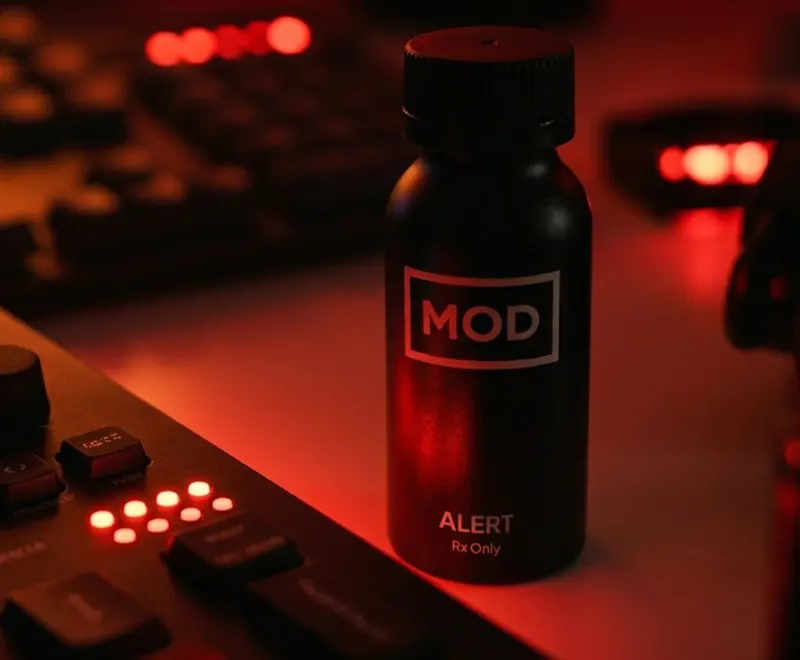
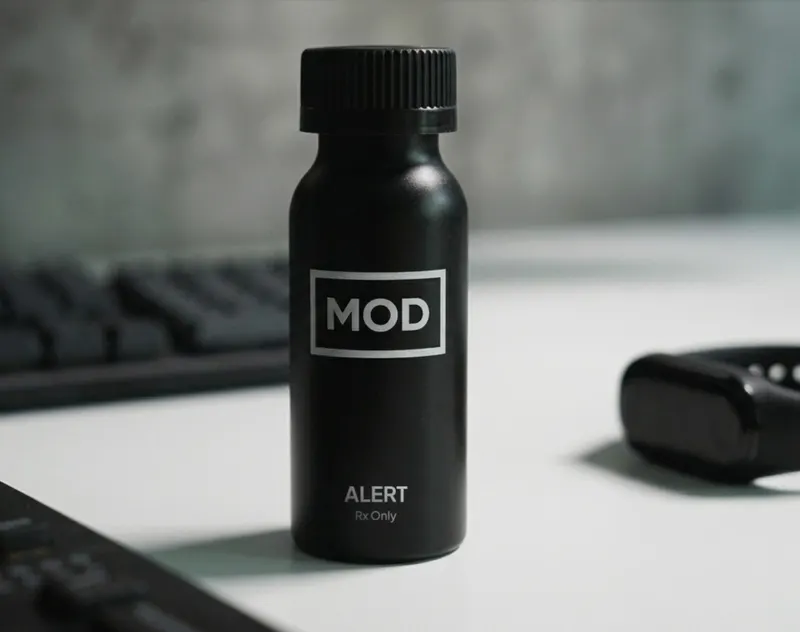
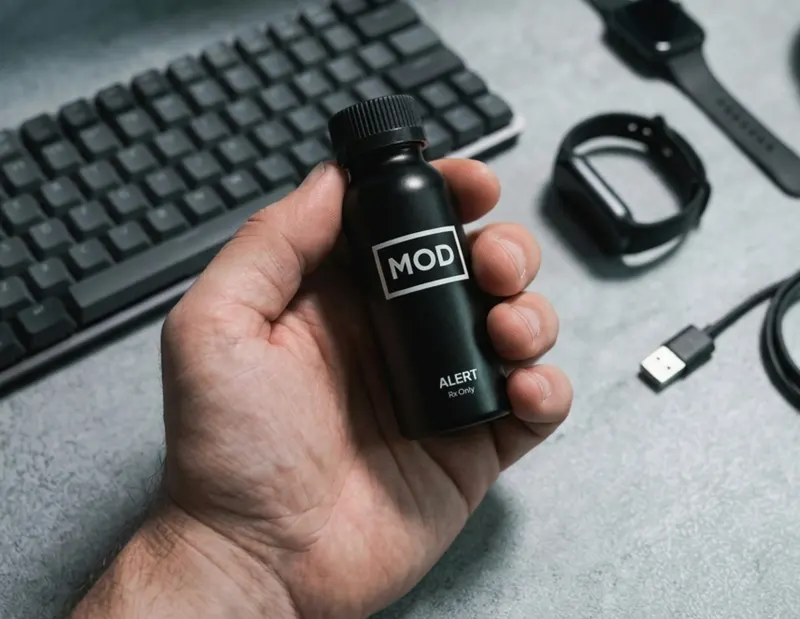
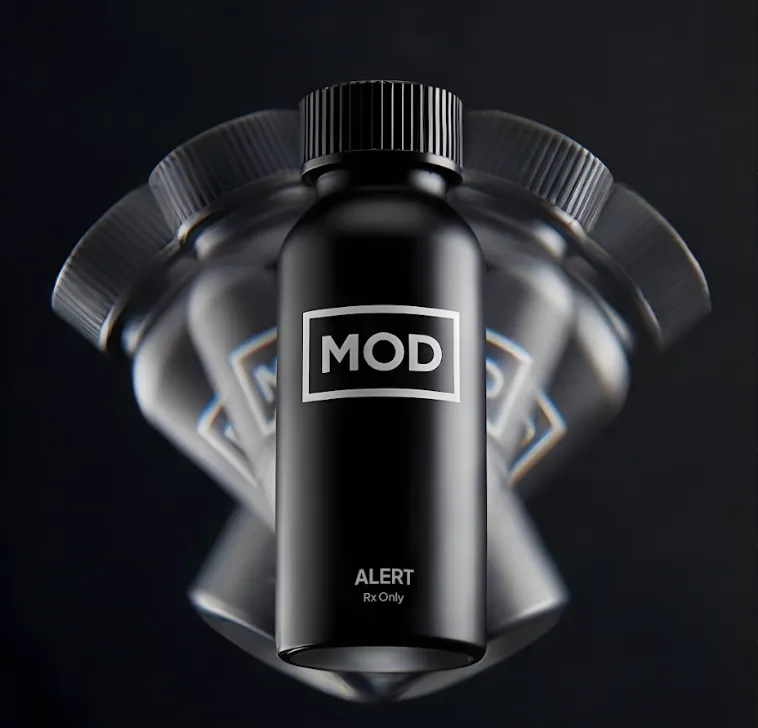
MOD Alert combines modafinil and caffeine to support wakefulness, alertness, and productivity during demanding schedules. By pairing the rapid onset of caffeine with the long-lasting wakefulness support of modafinil, MOD Alert was designed for individuals facing overnight shifts, long workdays, travel, or other situations where maintaining performance matters.
While no medication replaces the restorative benefits of sleep, wakefulness-promoting tools may provide additional support when fatigue becomes difficult to avoid.
Final Thoughts
After 24 hours without sleep, your brain is operating at a disadvantage. Research shows that sleep deprivation can impair attention, reaction time, memory, decision-making, and overall mental performance.
While sleep is always the best solution, it's not always possible. That's where MOD Alert comes in.
By combining modafinil and caffeine, MOD Alert was designed to support wakefulness, alertness, focus, and productivity during demanding schedules, overnight shifts, travel, and other situations where staying sharp matters most.

FAQs
What happens after 24 hours without sleep?
Research shows that 24 hours without sleep can impair attention, memory, decision-making, reaction time, and emotional regulation while increasing feelings of fatigue and sleepiness.
Does sleep deprivation affect decision-making?
Yes. Research suggests that sleep deprivation negatively affects executive function and judgment, making complex decision-making more difficult.
Can sleep deprivation cause brain fog?
Yes. Many people experience difficulty concentrating, slower thinking, forgetfulness, and reduced mental clarity after prolonged wakefulness.
Why do I feel emotional when I'm tired?
Sleep deprivation affects brain regions involved in emotional regulation, which may increase irritability, stress sensitivity, and emotional reactivity.
Can caffeine replace sleep?
No. While caffeine may temporarily improve alertness, it does not replace the restorative effects of sleep.
This article is provided for informational purposes only and does not constitute medical advice. The information presented is not a substitute for professional medical advice, diagnosis, or treatment. Always consult your healthcare provider to discuss the risks, benefits, and appropriateness of any treatment.
MOD offers access to healthcare providers who may prescribe compounded medications for the treatment of excessive daytime sleepiness associated with shift work sleep disorder (SWSD), when clinically appropriate.
The featured products include compounded medications that have not been approved by the FDA. Compounded medications may be prescribed under federal law but are not the same as, nor are they generic versions of, any FDA-approved medication. The FDA does not review compounded medications for safety, effectiveness, or manufacturing quality of compounded products. A prescription will only be written if deemed appropriate after the digital consultation by the licensed medical provider. Individual results may vary.
MOD is not a compounding pharmacy but a telemedicine service that links patients to licensed medical providers.