How to Survive Night Shifts as a Long-Haul Trucker in 2026

The best way to survive night shifts as a long-haul trucker in 2026 is the same rule set safe overnight drivers use every week: protect a real 7-to-9-hour sleep block, start caffeine early instead of late, use a planned 20-to-30-minute nap before the crash window, and shut the run down the moment microsleep signs appear. This is the practical answer. Biology wins when drivers improvise.
This guide is built for that reality. It covers how to survive night shifts as a long-haul trucker before the run, during the 2 a.m. to 6 a.m. danger window, after the shift, and when it is time to stop treating fatigue like a discipline problem and start treating it like a medical one.
Key Takeaways
- Night-shift trucking is usually a sleep-timing problem first and a motivation problem second.
- The 10-hour off-duty window only helps if you turn the first part of it into protected sleep instead of chores, screens, and truck-stop recovery drift.
- Early caffeine, lighter overnight meals, and a planned short nap work better than trying to rescue the last third of the shift with panic stimulation.
- If you start drifting, missing exits, or forgetting the last few miles, pull over instead of bargaining with yourself.
- Persistent exhaustion after a real routine can point to SWSD or sleep apnea, not just a "bad week."

What the 2026 Data Says About Fatigue
The 2026 data says night-shift driving fatigue is mostly a sleep-and-timing problem, not a motivation problem for long-haul truckers. Three numbers frame the issue:
- 13% of CMV drivers in crashes were considered fatigued.
- Night-shift short sleep at a 61.8% rate.
- Transportation night workers had 69.7% short sleep prevalence.
- Nontraditional shift workers may have Shift Work Sleep Disorder at a 10% to 40% rate.
Before You Start
How to survive night shifts as a long-haul trucker starts before the pre-trip, with sleep, caffeine, food, and one safe nap stop planned. That setup lowers the odds that fatigue will dictate decisions later in the run.
Before a night run, lock in your sleep window, caffeine cutoff, food, fluids, and one safe backup nap stop.
- Write down your report time, likely fuel or break stops, and your planned sleep window after the shift.
- Decide your caffeine cutoff before the truck moves.
- Pack water and lighter food so the overnight slump does not turn into a truck-stop improv session.
- Identify at least one safe place to stop for a short nap if warning signs build.
- Remember that this article is about safer routines, not self-diagnosis. If fatigue keeps breaking through, it is important to talk with a healthcare provider.
Step 1: Build your sleep around the off-duty window
The first fix for how to survive night shifts as a long-haul trucker is not a stronger stimulant. It is turning the off-duty window into real recovery. CDC/NIOSH guidance repeats the standard 7 to 9 hour sleep target, while a commercial truck driver study found the worst safety-critical event pattern was tied to shorter sleep and less sleep between 1 a.m. and 5 a.m.
For most drivers, the most reliable move is protecting the first 4 to 6 hours after parking as the anchor sleep block. Keep the post-shift routine short, dark, cool, and boring. In practice, that usually means blocking light, muting the phone, and reducing noise before the head hits the pillow.
Step 2: Set your caffeine and food plan before the shift gets messy
Night shift truck drivers usually do better with earlier caffeine and steadier food than with one heavy meal and a late-shift caffeine dump. Caffeine can affect the body for five hours or more, so it is important to stop early enough that the next sleep block still has a chance.
Use a simple rule set:
- Take your first caffeine in the first half of the shift, not when your eyes are already crossing.
- Drink water throughout the night instead of confusing dehydration with fatigue.
- Eat lighter, protein-forward foods overnight instead of a huge greasy meal during the circadian trough.
- Avoid alcohol as a sleep aid after the run. It may make you drowsy, but it usually weakens sleep quality.

Step 3: Treat 2 a.m. to 6 a.m. like the danger zone
How to survive night shifts as a long-haul trucker gets hardest between 2 a.m. and 6 a.m., when biology overwhelms motivation for many overnight drivers. The right compare point is not "Can I force one more hour?" but "What action lowers crash risk without wrecking my next sleep block?"
The hardest stretch of a night run is usually the biological low, not the start of the shift. FMCSA warns that drowsiness weakens judgment and reaction time, while 17 hours awake can impair performance at about the level of a 0.05 blood alcohol concentration.
That is why "I only have another hour" is dangerous math. During the overnight low, keep the cab cooler, move at breaks, and treat stimulation as support, not proof that you are fine.
Step 4: Use a short nap before you are in full crisis
A 20- to 30-minute nap in a safe, legal place can be a better call than another caffeine hit when you are getting deeply sleepy and still need to sleep later that morning. Cleveland Clinic notes that naps can improve alertness in night workers.
Use naps before you are in full crisis if possible. If you miss the last few miles mentally, drift in the lane, or find yourself turning the music up because your eyes are burning, the run is no longer normal. If the choice is between a safe short nap and driving through head nods, the nap wins.
Step 5: Protect daytime sleep like it is part of the job
Most drivers already know they should sleep after the run. The miss is usually the environment. NIOSH recommends blocking light and noise, keeping the sleep space cool, and reducing interruptions.
For a long-haul trucker, that usually means blackout curtains or an eye mask, phone alerts off, ear plugs or white noise, and a clear rule with family or dispatch about when you are unavailable. If morning light and phone notifications own the first hour after parking, your sleep block will get chopped up fast.

Step 6: Know when fatigue is not just a routine problem
If you still cannot stay alert on shift or sleep well during the day after cleaning up the basics, it is time to consider a medical issue. Nontraditional shift workers may be affected by SWSD at a 10% to 40% rate.
Get evaluated if you stay excessively sleepy despite adequate sleep opportunity, keep waking too early, or have loud snoring, choking, or near-misses. If medication support is appropriate, modafinil is a wakefulness-promoting agent with an FDA-approved indication for excessive sleepiness associated with Shift Work Sleep Disorder, based on its approved SWSD use.
Tips for Best Results
- Keep your sleep and wake times as similar as possible across a block of night runs.
- Use bright light, movement, and conversation as early-shift support, not as a last-second rescue after you are already drifting.
- Save the sleeper berth or hotel room for sleep, not for an hour of scrolling and errands after sunrise.
- Track what actually happened on the last three runs. If you keep hitting the same crash window, change the plan before the next load.
When to Talk to Your Doctor
If the same routine keeps failing, it is time to move beyond self-management. Talk with a clinician if you have persistent excessive sleepiness, repeated near-misses, loud snoring, choking during sleep, morning headaches, or a pattern of sleeping all day off-shift and still feeling wrecked at night.
For treatment options, a sleep-clinic or primary-care evaluation is usually the best first step when sleep apnea or another disorder may be involved. If you already cleaned up sleep timing, caffeine timing, and recovery habits and still need provider-reviewed wakefulness support, MOD offers a shift-worker-specific telehealth prescription path with provider review and direct-to-door shipping if prescribed. MOD's compounded medications are not FDA-approved finished products, and Potential side effects can include headache, nausea, nervousness, anxiety, insomnia, and rare serious rash reactions that need urgent medical attention.
Common Mistakes to Avoid on a Night Haul
- Treating the legal break like proof you are recovered
You can be fully hours-of-service compliant and still be dangerously under-slept.
- Saving caffeine for the end of the shift
Late caffeine can rescue one hour and ruin the next sleep block.
- Using heavy food as a wake-up strategy
Huge overnight meals often make the slump worse instead of better.
- Burning the first hour off duty on screens and errands
Morning light, stimulation, and random tasks can turn your best sleep window into dead time.
- Pretending chronic fatigue is just part of trucking
If every week feels harder, the problem may be sleep debt, SWSD, sleep apnea, or some combination of all three.
Final Verdict
There is no single best answer to how to survive night shifts as a long-haul trucker because the right fix depends on what is actually driving the fatigue.
- For drivers whose main problem is schedule chaos and weak recovery, the best move is a stricter sleep-and-caffeine system before anything else.
- For drivers with dangerous snoring, choking, morning headaches, or relentless exhaustion, a sleep-clinic or primary-care evaluation is the smarter first step because the problem may be sleep apnea or SWSD.
- For drivers who have already cleaned up the basics and still need provider-reviewed wakefulness support built for shift workers, MOD may be a fit because it is designed around shift-worker needs.
Where MOD Fits for Shift Workers
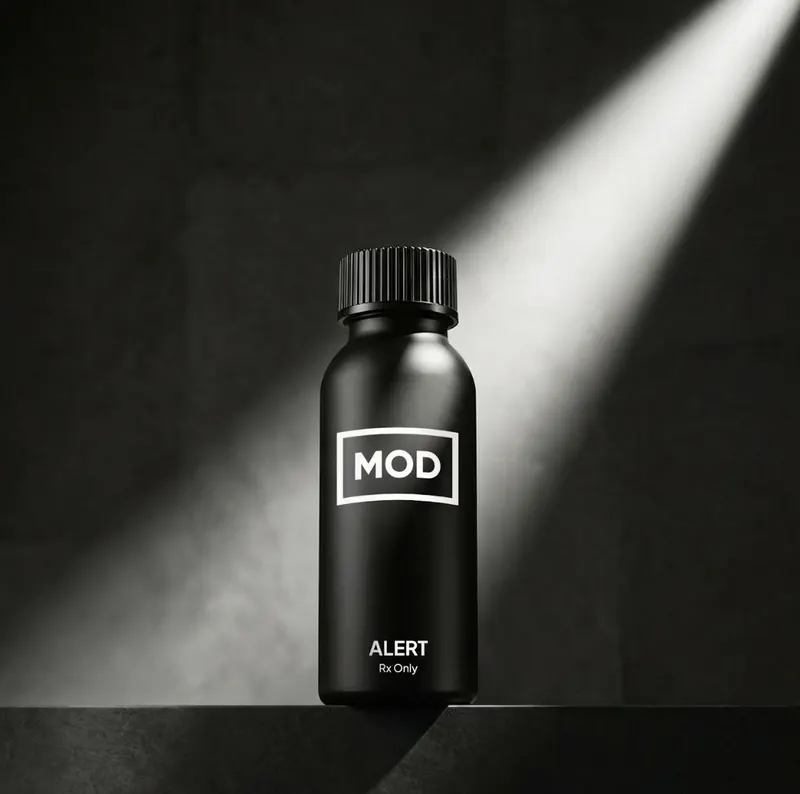
MOD is designed for people dealing with shift-work-related excessive sleepiness who want a provider-reviewed prescription path after improving the basics, such as sleep timing, caffeine timing, recovery habits, and stop decisions. Its compounded medications are built around active ingredients used for wakefulness support, including modafinil, which has an FDA-approved indication for excessive sleepiness associated with Shift Work Sleep Disorder.
MOD is not a replacement for sleep, medical evaluation, or stopping when driving becomes unsafe. It may be most relevant for drivers who have already tightened their routine but still find fatigue breaking through during overnight work demands.
The short version is simple: how to survive night shifts as a long-haul trucker is to treat sleep, naps, and stop decisions as core operating rules, not optional hacks. The best routine is the one that protects sleep before the run, expects the 2 a.m. to 6 a.m. drop, and escalates to medical support when fatigue keeps breaking through.
If your primary need is a shift-worker-specific telehealth prescription path after routine cleanup, See if MOD is right for you →
Frequently Asked Questions
What should you do when you feel sleepy driving?
Pull over at the next safe location as soon as you drift, nod, miss signs, or cannot remember the last few miles. A 20- to 30-minute nap is usually the safer move because another late stimulant may briefly mask the problem while still leaving the underlying sleep pressure in place.
Do truck drivers have to sleep in the truck?
No, but wherever a driver sleeps, the space needs to be dark, cool, quiet, and protected enough to support daytime recovery. Many long-haul drivers do sleep in the sleeper berth because the route requires it, but the larger point is that the sleep space has to protect daytime recovery whether that sleep happens in the truck, a hotel, or at home.
How long can you drive before a break?
Property-carrying drivers may drive up to 11 hours inside a 14-hour duty window, then must take 10 consecutive hours off. The legal limit matters, but it does not prove you are safe to keep driving if fatigue is already showing up.
What is Shift Work Sleep Disorder?
Shift Work Sleep Disorder is a circadian-rhythm disorder that disrupts daytime sleep and leaves night workers excessively sleepy during overnight performance demands. If a long-haul trucker keeps fighting severe fatigue after cleaning up sleep timing, caffeine timing, and recovery habits, SWSD is one reason to get evaluated.
What if the same route keeps causing near-misses?
Repeated near-misses mean the route, your sleep timing, or your health needs to change before you keep running that overnight lane. The best next step is to compare your schedule against your actual sleep, stop driving through the danger window when possible, and get evaluated for SWSD or sleep apnea if fatigue keeps winning, consistent with driver fatigue recommendations.
This article is provided for informational purposes only and does not constitute medical advice. The information presented is not a substitute for professional medical advice, diagnosis, or treatment. Always consult your healthcare provider to discuss the risks, benefits, and appropriateness of any treatment.
MOD offers access to healthcare providers who may prescribe compounded medications for the treatment of excessive daytime sleepiness associated with shift work sleep disorder (SWSD), when clinically appropriate.
The featured products include compounded medications that have not been approved by the FDA. Compounded medications may be prescribed under federal law but are not the same as, nor are they generic versions of, any FDA-approved medication. The FDA does not review compounded medications for safety, effectiveness, or manufacturing quality of compounded products. A prescription will only be written if deemed appropriate after the digital consultation by the licensed medical provider. Individual results may vary.