How to Survive Night Shifts as a Line Cook in 2026

The best way to survive night shifts as a line cook is to protect a repeatable daytime sleep block, eat before service, hydrate during the rush, and stop caffeine early enough to sleep after close.
If you are searching for how to survive night shifts as a line cook, you are probably dealing with the same ugly loop a lot of cooks know well: you close wired, sleep too lightly, then drag through the next service on fumes. That pattern is common because night kitchen work combines circadian disruption with heat, standing, noise, cleanup, and daylight on the drive home.
This guide gives you a realistic system for kitchen life: what to do before clock-in, how to eat and hydrate during service, when to stop caffeine, how to close without staying activated, and when the problem may be Shift Work Sleep Disorder (SWSD). Food preparation and serving workers report 39.8% short sleep duration, so if nights are grinding you down, you are not imagining it.
Key Takeaways
- The biggest win is consistency: one repeatable sleep, food, hydration, and close routine beats random recovery hacks.
- Caffeine takes about 30 minutes to work and has a 5 to 6 hour half-life, so late-shift caffeine can easily ruin post-shift sleep.
- Drink 8 ounces every 20 minutes for workers in the heat, a useful benchmark for hot kitchens where thirst shows up late.
- Clopens usually hurt more than a single close because they compress recovery and shorten sleep.
- If you are unsafe driving home, cannot stay alert on shift, or cannot sleep even after fixing the basics, it's important to talk with a healthcare provider about whether SWSD is part of the problem.

Before You Start
Set up the basics that make the rest of this guide work:
- Pick one daytime sleep block you can repeat on workdays.
- Prep a real pre-shift meal and one fast snack.
- Bring a water bottle you will actually use on the line.
- Decide your caffeine cutoff before the shift starts.
- If you are considering any prescription medication, consult your healthcare provider before acting on timing or dosage guidance.
Night-shift workers report poorer sleep quality and more insomnia than daytime workers. In other words, night-shift fatigue is not a discipline problem. It is a schedule problem first, and your system has to reflect that.
Step 1: Protect one daytime sleep block
A broad review in Frontiers in Physiology notes that daytime sleep after night work often ends early, sometimes after only 4 to 6 hours. That is why consistency matters more than perfect sleep.
- Black out the room as much as possible.
- Cool the room down if you can.
- Tell people at home when your sleep window is.
Step 2: Eat before service, not after you are already depleted
A solid pre-shift meal with protein and carbs works better than trying to survive on scraps. Leftovers, rice bowls, eggs and toast, or a sandwich with fruit are all fine.
A study of night workers found that meal timing and composition before bed were associated with sleep outcomes. In practice, that usually means eating your bigger meal before or early in the shift and keeping the post-shift meal lighter if you plan to sleep soon after getting home.
Step 3: Start hydrating before the rush
Workers in the heat should drink 8 ounces of water every 20 minutes and not wait for thirst. That logic still applies when you are working next to grills, fryers, steam, and open flames.
What works on the line:
- Drink water before service starts.
- Keep water somewhere you can reach fast.
- Pair water with a quick snack if you tend to fade late.

Step 4: Use caffeine early, then cut it off
Caffeine takes about 30 minutes to work and has a 5 to 6 hour half-life. That is why late caffeine often leaves cooks tired on the drive home but still too wired to sleep.
For most line cooks, the practical move is simple:
- Put your main caffeine in the first half of the shift.
- Avoid stacking coffee, soda, pre-workout, and energy shots in the same night.
- Stop caffeine at least 5 hours before planned sleep when possible.
Step 5: Keep the rush boring and organized
The best during-service tactics are small and repeatable:
- Reset your station whenever you get 30 to 60 seconds.
- Batch repeat tasks when the board allows it.
- Call for support early instead of waiting until the station is underwater.
- Write down close notes instead of trusting tired memory.
Night-shift fatigue is often a chain reaction. One bad sleep, one missed meal, and one chaotic rush can carry into the next shift fast.
Step 6: Use a low-stimulation close routine
Workers generally do not fully acclimate to night work. In other words, the drive home and first half hour after close are part of recovery, not free time.
Use the same sequence every night:
- Restock in the same order.
- Write down low items and problems.
- Leave when the work is done.
- Keep the commute quiet and the lights low.
- Get into bed before the second wind starts.
Step 7: Have a clopen damage-control plan
A reducing quick returns trial found better outcomes for insomnia, sleepiness, and work-related fatigue when workers had fewer short gaps between shifts.
If you have a clopen:
- Skip alcohol after close.
- Keep the post-shift meal small.
- Drop nonessential errands the next day.
- Use one early caffeine dose instead of chasing caffeine all day.
Step 8: Know when the issue may be SWSD, not just a bad week
If you stay dangerously sleepy on shift, feel unsafe driving home, or cannot sleep even after tightening food, hydration, light exposure, and caffeine timing, it is worth asking whether the issue could be Shift Work Sleep Disorder (SWSD).
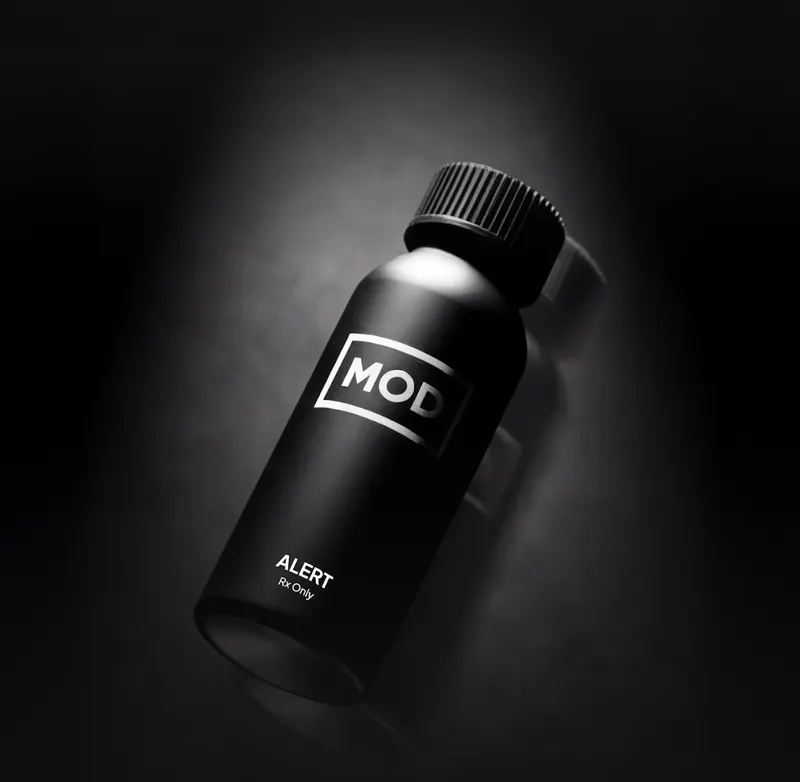
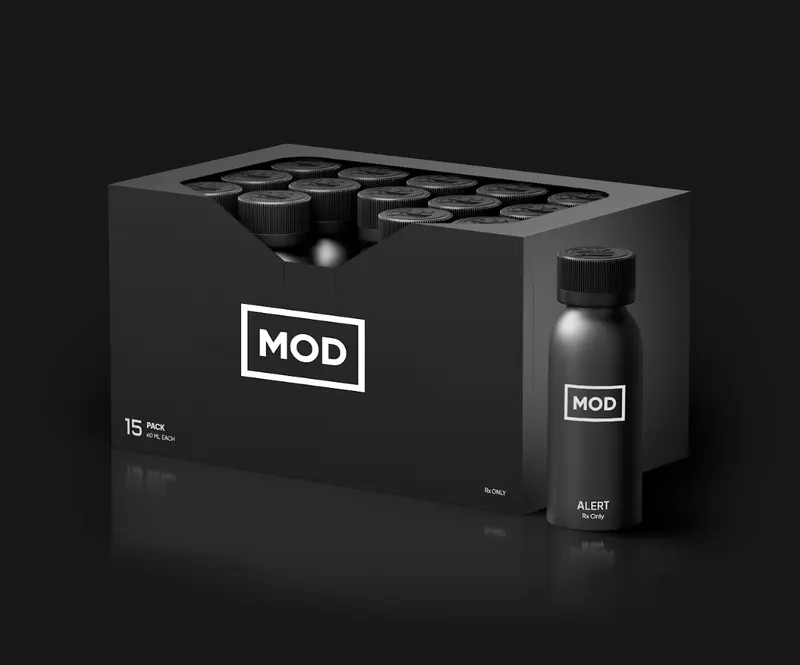
Modafinil is approved for excessive sleepiness associated with SWSD. MOD is built for shift workers through a telehealth prescription process that includes provider review and ship-to-door fulfillment if prescribed. MOD's prescription-strength compounded medication is part of a system built for shift workers, but MOD products are still compounded medications, not FDA-approved finished products. If prescribed, Potential side effects can include headache, nausea, anxiety, and insomnia.
For readers who want the product overview, Learn more about how MOD works →
Tips for Best Results
- Keep the same wake-up and wind-down pattern across workdays when you can.
- Eat your bigger meal before or early in the shift instead of after close.
- Put your caffeine cutoff on a timer.
- Make your room sleep-ready before work, not after you get home exhausted.
- If you use prescription support, follow your provider's instructions exactly and report side effects instead of trying to self-adjust.
Common Mistakes to Avoid
- Trying to fix sleep debt with more caffeine late in the shift.
- Showing up underfed and calling the brain fog normal.
- Treating cleanup and the drive home like extra social time instead of part of recovery.
- Sleeping at random hours on workdays and expecting your body to adapt anyway.
- Ignoring side effects or unsafe sleepiness instead of bringing it up during a provider assessment.
When to Talk to Your Doctor
Night-shift fatigue stops looking normal when the basics are dialed in and you are still struggling. That is especially true if safety is starting to slip.
Talk with a healthcare provider if:
- You regularly feel unsafe driving home.
- You are sleeping at the right times on paper but never feel recovered.
- You keep escalating caffeine just to feel barely functional.
- You are making more mistakes with knives, heat, timing, or tickets.
- You are exhausted but still cannot fall asleep after multiple night shifts.
Lifestyle fixes still matter first. But if symptoms stay severe after you clean up sleep timing, food, hydration, light exposure, and caffeine use, discuss whether SWSD or another sleep issue is involved. The active ingredient Modafinil is FDA-approved for excessive sleepiness associated with SWSD, while MOD's products are compounded medications and are not FDA-approved as finished products.
If your primary issue is persistent excessive sleepiness that is starting to affect safety, recovery, or your drive home, See if MOD is right for you, learn more →
Frequently Asked Questions
When is caffeine too late on a night shift?
Caffeine is too late when it overlaps with your planned sleep window and leaves you tired, wired, and unable to sleep. Because caffeine has a 5 to 6 hour half-life, most line cooks do better when they stop it several hours before they expect to be in bed.
How do line cooks stay awake without overdoing caffeine?
Line cooks usually stay awake better by stacking food, water, early caffeine, and station discipline instead of chasing repeated late-night rescue hits.
How much water should I drink on a hot line shift?
Hot-line cooks usually need more water than thirst alone suggests. Eight ounces every 20 minutes is recommended for workers in the heat, which is a useful benchmark for grill, saute, fryer, and steam-heavy stations.
How do I know when line-cook fatigue is medical?
Line-cook fatigue starts sounding medical when it stays severe after you fix sleep, food, hydration, and caffeine habits. If you are dealing with persistent excessive sleepiness at work, insomnia during planned sleep, or unsafe commutes, ask a clinician about SWSD or another sleep problem.
Does modafinil replace sleep for shift workers?
No. Modafinil does not replace sleep; it supports wakefulness in some cases of excessive sleepiness, but recovery still depends on sleep. It is a prescription wakefulness-promoting agent used in some cases of excessive sleepiness, including SWSD, and it works best as part of a provider-guided plan rather than as a substitute for recovery.
How to survive night shifts as a line cook gets easier when you stop treating every shift like a separate emergency. Protect the sleep window, fuel before service, time caffeine early, and get medical help if the fatigue still looks bigger than normal burnout.
This article is provided for informational purposes only and does not constitute medical advice. The information presented is not a substitute for professional medical advice, diagnosis, or treatment. Always consult your healthcare provider to discuss the risks, benefits, and appropriateness of any treatment.
MOD offers access to healthcare providers who may prescribe compounded medications for the treatment of excessive daytime sleepiness associated with shift work sleep disorder (SWSD), when clinically appropriate.
The featured products include compounded medications that have not been approved by the FDA. Compounded medications may be prescribed under federal law but are not the same as, nor are they generic versions of, any FDA-approved medication. The FDA does not review compounded medications for safety, effectiveness, or manufacturing quality of compounded products. A prescription will only be written if deemed appropriate after the digital consultation by the licensed medical provider. Individual results may vary.