How to Survive Night Shifts as an Investment Banker
Investment banking can compress sleep, meals, exercise, and personal time into whatever hours remain after the work is finished. During live deals, a late client request or another round of comments can turn an already long day into an overnight session with little warning.
A widely circulated 13 first-year analyst survey from Goldman Sachs illustrates how extreme these periods can become. The respondents reported averaging 98 working hours per week, five hours of sleep per night, and a typical bedtime of 3:00 AM. The survey was small and should not be treated as representative of the entire industry, but its results show why fatigue management matters in demanding banking roles.
This guide covers practical ways to protect sleep, manage caffeine, maintain basic health routines, recognize dangerous fatigue, and understand when persistent symptoms may require medical evaluation.
Key Takeaways
- A small 2021 Goldman Sachs survey found that 13 first-year analysts reported averaging 98 working hours and five hours of sleep per night
- Sleep strategies can reduce some of the strain associated with irregular hours, but they cannot fully compensate for chronic sleep loss
- A dark, quiet, cool room, protected sleep time, sensible caffeine timing, and planned naps may help when work extends overnight
- Warning signs such as microsleeps, heavy eyelids, repeated errors, confusion, or difficulty concentrating mean it is important to stop and address the fatigue
- Working late does not automatically mean someone has shift work sleep disorder, which requires persistent symptoms connected to a recurring nontraditional work schedule
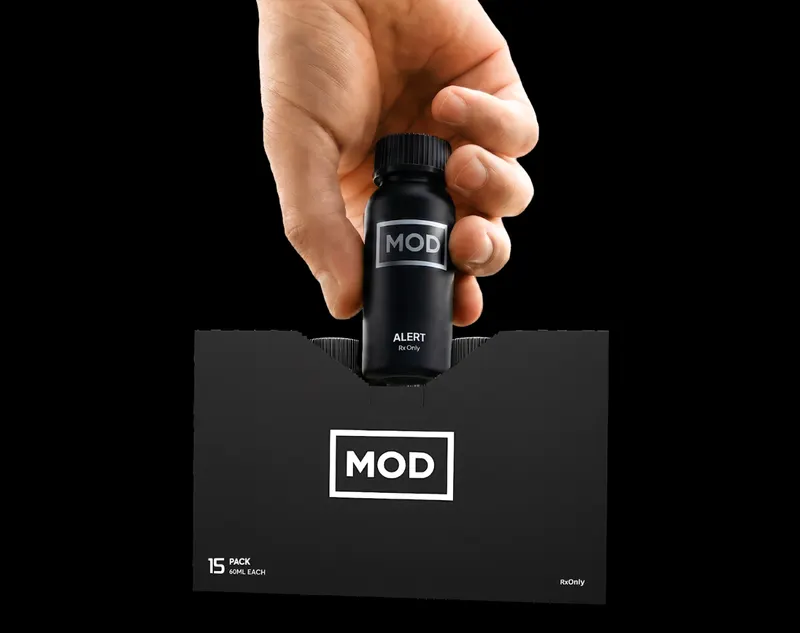
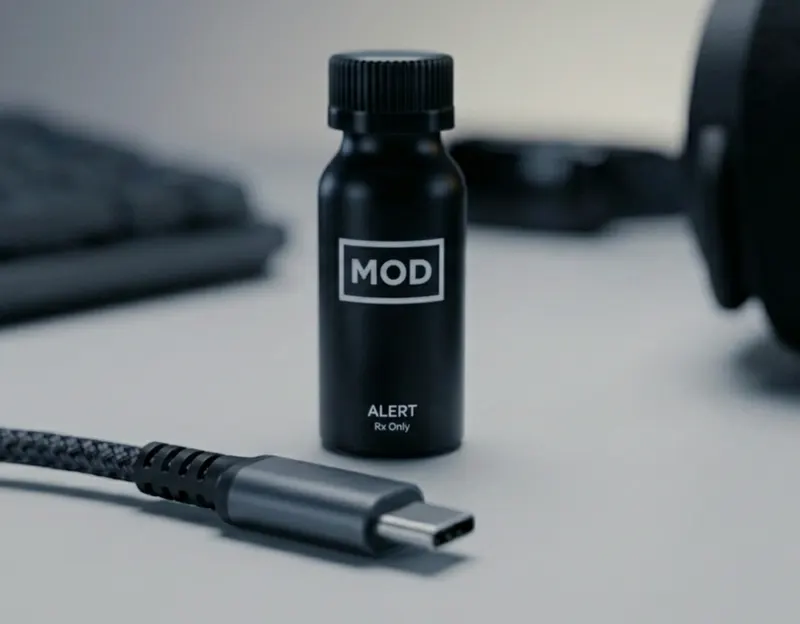
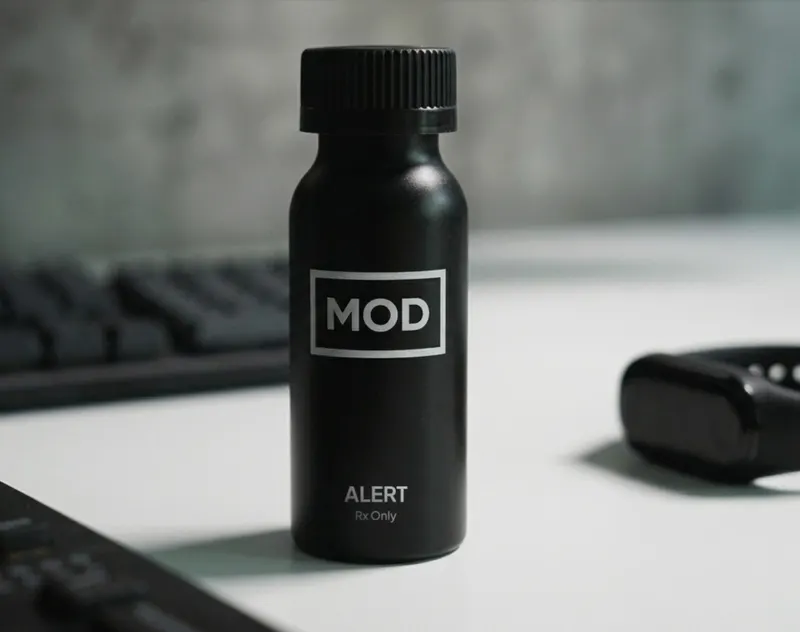
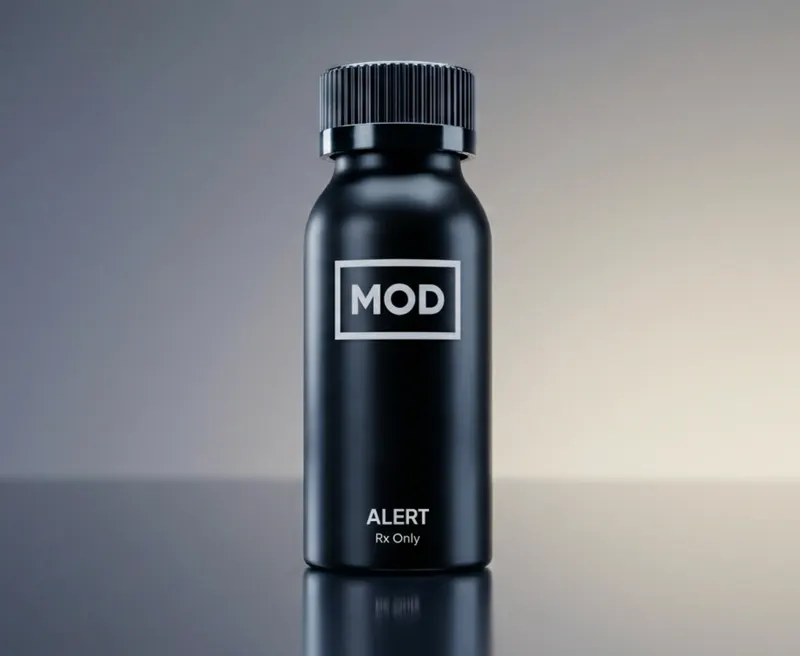
- For eligible adults with excessive daytime sleepiness associated with SWSD, MOD Alert may be prescribed after a licensed healthcare provider reviews their medical information
Build a Sleep Plan Around Unpredictable Hours
Traditional advice built around the same bedtime every night may be difficult to follow when one day ends at 10:00 PM and the next ends at 4:00 AM. The goal is not to pretend that five hours is enough. It is to protect as much sleep as the schedule allows and reduce avoidable disruptions.
Protect Sleep When Time Opens Up
When work unexpectedly ends early, treat the additional sleep opportunity as valuable recovery time.
- Go to bed rather than automatically filling the time with television, social media, or errands
- Avoid scheduling optional early-morning commitments after known late nights
- Communicate your protected sleep windows to roommates, partners, and family members
- Use days with lighter workloads to recover rather than deliberately extending wakefulness
Adults generally benefit from at least seven hours of sleep, and adequate sleep supports attention, memory, mood, metabolism, and cardiovascular health. Better sleep habits cannot fix an unreasonable workload, but they can help protect the limited rest time available. CDC guidance on sleep recommends a regular sleep schedule when possible, a cool and quiet bedroom, less screen exposure before bed, and avoiding caffeine later in the day.
Use Naps Carefully
A planned nap may improve alertness when a full sleep period is not possible. Nap timing and duration matter because waking from deeper sleep can cause temporary grogginess, known as sleep inertia.
A short nap before an expected overnight session may be more useful than waiting until you are already struggling to keep your eyes open. When permitted, use a quiet location and allow a few minutes after waking before returning to complex work. Research on sleep scheduling for shiftworkers supports naps as a fatigue countermeasure while emphasizing that timing and duration affect the result.
Naps can supplement your main sleep period, but they cannot erase accumulated sleep debt.
Optimize the Room for Daytime Sleep
When work ends close to sunrise, daylight and daytime noise can make sleep harder.
Make the Bedroom Dark
Use blackout curtains, an eye mask, or both. Cover bright device indicators and keep the path between the bedroom and bathroom dim so that a brief awakening does not expose you to strong light.
Keep the Room Quiet and Cool
Use earplugs or white noise when traffic, construction, deliveries, or roommates are likely to interrupt sleep. Keep the room comfortably cool rather than aiming for one exact temperature that may not suit everyone.
NIOSH advises creating a bedroom that is dark, quiet, cool, and comfortable. Its guidance also recommends blocking daylight and removing white or blue light sources from the sleeping area.
Create a Brief Wind-Down Routine
A long wellness routine is unrealistic after a 17-hour day. A repeatable 20-to-30-minute routine is more practical:
- Finish urgent messages before getting into bed
- Dim the lights
- Shower or wash your face
- Put the phone on do-not-disturb
- Read something unrelated to work
- Avoid using alcohol as a sleep aid
Alcohol may make falling asleep feel easier, but it can contribute to fragmented sleep and early waking.
Manage Caffeine Without Ruining the Next Sleep Window
Caffeine can temporarily support alertness, but it does not provide the judgment or performance benefits of adequate sleep.
NIOSH reports that caffeine usually takes about 15 to 45 minutes to take effect and has a half-life of approximately five to six hours, although it can remain in some people’s systems much longer. NIOSH guidance on caffeine also warns that caffeine consumed near the end of overnight work may interfere with the sleep period that follows.
A practical approach is to:
- Use smaller amounts earlier rather than repeatedly increasing the dose
- Stop several hours before the sleep period you are trying to protect
- Count coffee, tea, energy drinks, pre-workout products, and caffeine tablets together
- Avoid assuming that caffeine makes driving safe when you are severely sleep-deprived
- Reduce intake if you experience anxiety, palpitations, stomach upset, or difficulty sleeping
Maintain Nutrition During Long Workdays
Long hours often make convenient food the default. Instead of aiming for a perfect diet, reduce the number of decisions you must make while exhausted.
Prepare Simple Meals in Advance
Keep a few reliable options available:
- Lean protein with rice, potatoes, or another carbohydrate
- Pre-cut fruit and vegetables
- Yogurt, oatmeal, or eggs for quick breakfasts
- Nuts or lower-sugar snack bars
- Frozen meals with reasonable portions when cooking is not realistic
Avoid Treating Sugar as a Fatigue Strategy
A sugary snack may feel useful during a brief energy dip, but it is not a substitute for sleep or a balanced meal. Pair carbohydrates with protein or fat when possible to make the meal more substantial.
Stay Hydrated Without Overdoing It
Keep water available at your desk, but avoid forcing excessive amounts immediately before sleep if bathroom trips are likely to interrupt rest.

Fit Movement Into the Schedule You Actually Have
There is no universal best workout time for investment bankers. Use the most predictable opening in your own schedule.
That may mean:
- A 20-minute session before work
- A walk during a meal break
- Bodyweight exercises at home
- Short strength or aerobic sessions on quieter days
- Longer workouts on genuinely protected weekends
The best routine is one you can repeat safely. Avoid planning every workout around an ideal morning schedule that disappears whenever a deal becomes active.
During work, brief movement breaks can also reduce stiffness and interrupt long periods of sitting. Stand during an internal call, walk to refill water, or take the longer route to the restroom when time permits.
Use Immediate Alertness Strategies Carefully
When sleepiness appears during overnight work, several strategies may provide temporary support:
- Take a brief walk
- Work in a brighter area when appropriate
- Drink water and eat a balanced snack if you have missed meals
- Use caffeine earlier in the work period rather than near your planned sleep
- Take a planned nap if workplace conditions allow it
- Ask another team member to review high-consequence work when fatigue is affecting accuracy
Slow breathing or a brief mindfulness exercise may help reduce stress, but it should not be presented as a reliable treatment for sleepiness.
Protect Your Eyes During Screen-Heavy Work
The American Optometric Association recommends the 20-20-20 screen break rule: after approximately 20 minutes of screen use, look at something about 20 feet away for 20 seconds. This is intended to reduce digital eye strain, not to reverse fatigue.
Recognize When Fatigue Is Becoming Dangerous
Sleep deprivation can cause microsleeps, which are involuntary episodes of sleep lasting a few seconds. A person may appear awake while the brain temporarily stops processing information.
Warning signs include:
- Heavy eyelids or frequent blinking
- Difficulty keeping your head up
- Repeated yawning
- Disconnected thoughts
- Difficulty concentrating
- Forgetting recent instructions
- Repeated spreadsheet or document errors
- Irritability or confusion
- Brief lapses in awareness
NIOSH advises acting quickly when these fatigue warning signs appear, particularly before driving or performing critical tasks.
A cold splash of water or another coffee should not be used to justify driving when you are struggling to remain awake. Arrange a car, take a nap before leaving, or use another safe transportation option.
Protect Mental Health and Relationships
Unpredictability can be as stressful as the number of hours worked. When you cannot tell whether the day will end at 9:00 PM or 4:00 AM, planning meals, exercise, appointments, and time with other people becomes difficult.
In the small Goldman Sachs survey, respondents rated their average mental health at 8.8 before starting and 2.8 afterward. Physical-health ratings fell from 9.0 to 2.3. Seventy-five percent said they had sought or considered counseling or other mental health services, and all 13 said their hours had negatively affected relationships with family or friends. These findings should not be generalized to every bank, but they show the level of distress reported by that group.
Practical steps include:
- Tell partners and friends when a deal is likely to disrupt plans
- Avoid repeatedly promising specific times you cannot control
- Protect genuinely free periods for direct interaction rather than passive screen use
- Maintain contact with people outside banking
- Use confidential counseling, an Employee Assistance Program, or an independent mental health professional when stress is becoming difficult to manage
Workplace support should not be treated as a substitute for changing harmful workload conditions. CDC guidance recommends addressing organizational causes of stress while also providing access to Employee Assistance Programs and other support.
A Flexible Daily Blueprint
A fixed schedule may not survive contact with a live deal, but a flexible order of priorities can still help.
Before Work
- Sleep as long as the available window allows
- Eat a balanced meal
- Exercise briefly if this is your most predictable opportunity
- Pack food and water
- Decide when caffeine will stop based on your likely sleep time
During Work
- Hydrate normally
- Eat before you become extremely hungry
- Take brief standing or walking breaks
- Use screen breaks to reduce eye strain
- Ask for review when fatigue is affecting accuracy
- Stop adding caffeine near the end of the work period
After Work
- Complete only essential tasks
- Dim lights and reduce screen use
- Avoid alcohol as a sleep aid
- Keep the bedroom dark, quiet, and cool
- Go to bed promptly when the next workday starts soon
Long Hours Are Not Automatically Shift Work Sleep Disorder
Working late or completing an occasional overnight session does not automatically mean you have shift work sleep disorder.
SWSD involves excessive sleepiness, insomnia, or both that are connected to a recurring work period during the person’s usual sleep phase. Other medical or sleep conditions must not better explain the symptoms. The FDA’s modafinil clinical-trial description specifically notes that not every sleepy person engaged in shift work meets the criteria for SWSD.
Consider speaking with a healthcare provider when:
- Overnight or early-morning work occurs repeatedly
- Sleepiness persists despite protecting available sleep time
- You struggle to sleep during your available daytime window
- Fatigue regularly interferes with work or commuting
- Microsleeps or near-miss incidents occur
- Symptoms continue for months rather than one demanding week
How Modafinil Fits Into SWSD Treatment
Modafinil is a prescription medication approved to improve wakefulness in adults with excessive sleepiness associated with narcolepsy, obstructive sleep apnea, or shift work disorder. It does not cure these conditions and does not replace adequate sleep.
The FDA modafinil prescribing information also lists important warnings and Potential side effects. Common adverse reactions include headache, nausea, nervousness, anxiety, insomnia, dizziness, diarrhea, and rhinitis. Rare serious skin reactions and allergic reactions have also been reported.
A healthcare provider should review a person’s symptoms, medical history, current medications, cardiovascular history, mental health history, and sleep schedule before prescribing treatment.
How MOD Alert May Help Eligible Shift Workers
For investment bankers whose recurring overnight schedules are associated with diagnosed SWSD and excessive daytime sleepiness, MOD Alert may be considered after a licensed healthcare provider reviews their medical information.
MOD Alert is a compounded prescription medication containing:
- 150 mg modafinil
- 60 mg caffeine
It may support wakefulness for up to 12 hours, although individual responses vary. MOD Alert itself is compounded and is not FDA-approved. The active ingredient modafinil is used in an FDA-approved medication, but that does not make the compounded MOD formulation FDA-approved.
Through MOD, eligible individuals can complete a medical intake and connect with a licensed healthcare provider online. A prescription is issued only when the provider determines that treatment is medically appropriate.
MOD Alert should not be used as a way to continually extend work hours, replace sleep, or improve performance in someone without an appropriate medical indication.
Managing Overnight Banking Work With MOD
Investment bankers cannot always control when a client calls, when comments arrive, or when a live deal requires another overnight session. They can still protect sleep opportunities, manage caffeine more carefully, plan meals, watch for dangerous fatigue, and seek help when the schedule begins affecting health or safety.
Persistent excessive sleepiness connected to recurring overnight work deserves medical evaluation rather than another energy drink. For eligible adults diagnosed with SWSD, MOD provides convenient access to licensed healthcare providers who can determine whether MOD Alert may be appropriate. Those with questions about eligibility, prescriptions, or treatment can contact the MOD team.
Frequently Asked Questions
What is the best sleep schedule for an investment banker working overnight?
There is no single schedule that fits every banking team. Protect the longest sleep window available, go to bed promptly after late work, keep the room dark and quiet, and use a planned nap before an expected overnight session when possible. Maintaining a similar wake time may help during predictable periods, but total sleep opportunity remains the priority.
Can investment bankers develop shift work sleep disorder?
They may, but working late alone does not establish the diagnosis. SWSD involves persistent insomnia, excessive sleepiness, or both that are connected to recurring work during the usual sleep period. A healthcare provider must also consider whether another sleep disorder, medical condition, medication, or insufficient sleep better explains the symptoms.
How can I stay alert without disrupting my next sleep period?
Use caffeine earlier in the work period, stop several hours before your intended sleep, take short movement breaks, work in appropriate lighting, and consider a planned nap if workplace rules allow it. These strategies may provide temporary support, but none replaces adequate sleep or makes it safe to drive when you are struggling to remain awake.
When should fatigue become a reason to stop working?
Heavy eyelids, repeated errors, confusion, disconnected thoughts, microsleeps, or difficulty remembering instructions indicate that fatigue is affecting performance. Step away from safety-critical work, tell an appropriate team member, and arrange safe transportation rather than driving. Persistent or recurring symptoms should be discussed with a healthcare provider instead of managed only with caffeine.
What is MOD Alert?
MOD Alert is a compounded prescription medication containing 150 mg modafinil and 60 mg caffeine. It may be prescribed for eligible adults with excessive daytime sleepiness associated with SWSD after a licensed healthcare provider reviews their medical information. It may support wakefulness for up to 12 hours, but individual responses vary and it does not replace adequate sleep.
This article is provided for informational purposes only and does not constitute medical advice. The information presented is not a substitute for professional medical advice, diagnosis, or treatment. Always consult your healthcare provider to discuss the risks, benefits, and appropriateness of any treatment.
MOD offers access to healthcare providers who may prescribe compounded medications for the treatment of excessive daytime sleepiness associated with shift work sleep disorder (SWSD), when clinically appropriate.
The featured products include compounded medications that have not been approved by the FDA. Compounded medications may be prescribed under federal law but are not the same as, nor are they generic versions of, any FDA-approved medication. The FDA does not review compounded medications for safety, effectiveness, or manufacturing quality of compounded products. A prescription will only be written if deemed appropriate after the digital consultation by the licensed medical provider. Individual results may vary.
MOD is not a compounding pharmacy but a telemedicine service that links patients to licensed medical providers.