Shift Worker Heart Health: 5 Evidence-Based Steps to Protect Your Heart (2026 Guide)
Shift worker heart health refers to the cardiovascular wellbeing of roughly 15% of the U.S. workforce on rotating, evening, or permanent night schedules. Shift workers face up to 40% higher cardiovascular disease risk than day workers, with circadian disruption, sleep deprivation, stress-hormone changes, and related behavioral risk factors all contributing to that elevated risk over years of irregular schedules.
Here are five evidence-based steps to protect shift worker heart health, each addressing a distinct cardiovascular risk pathway and grounded in clinical research. Shift worker heart health demands urgent, active management, the risk compounds over time. Shift workers face up to a 40% increased risk of cardiovascular disease compared with day-shift counterparts. Every five additional years on the job adds roughly 7% more cardiovascular risk.
This guide is for you: the nurse coming off a 12-hour night, the EMT rotating every two weeks, the police officer who hasn't had a stable bedtime in years. These night shift heart health tips are grounded in clinical research, you'll walk away with five concrete, evidence-backed steps to protect your heart, plus what the night shift health data says about your real risk level and when it's time to call your doctor.
Key Takeaways
- Shift workers face up to 40% higher cardiovascular disease risk than day workers, and the longer the career, the higher the risk
- Circadian disruption raises cortisol, blood pressure, and inflammation through independent pathways that accumulate damage over years
- A consistent sleep schedule, even on days off, is one of the highest-leverage heart-protective habits for shift workers
- 17 minutes of HIIT three times per week for eight weeks significantly improved blood pressure in shift workers
- Excessive daytime sleepiness from Shift Work Sleep Disorder (SWSD) leads to skipped workouts, poor food choices, and higher smoking rates, all of which raise cardiovascular risk
- Blood pressure monitoring and routine screenings, lipid panel, glucose, ECG, are non-negotiable for long-term shift workers
Why Is Shift Work Hard on Your Heart?
Shift work disrupts your body's internal clock, raising cortisol, blood pressure, and systemic inflammation through interconnected biological pathways that accumulate cardiovascular damage over years of irregular schedules.
The Circadian-Cardiovascular Connection
Your cardiovascular system runs on a precise daily rhythm. Heart rate, blood pressure, and vascular tone all follow predictable cycles, lower during sleep, rising in the morning to prepare your body for activity. When your work schedule forces those cycles out of sync, your heart and blood vessels are perpetually operating in the wrong gear.
A 2025 PMC study found that night-shift work profoundly disrupts the daily rhythm of cortisol secretion. This dysregulates the hypothalamic-pituitary-adrenal (HPA) axis, the system that governs how your body manages stress at a biological level. In other words, shift work doesn't just make you tired. It changes how your hormones behave over the course of every single day.
Elevated cortisol then triggers a cascade: higher blood pressure, impaired lipid metabolism, and systemic inflammation, each one an independent pathway to atherosclerosis and coronary heart disease.
How Cortisol Disruption Raises Your Blood Pressure
Poor sleep quality and permanent night shift work are both positively associated with elevated systolic and diastolic blood pressure. Chronically elevated cortisol promotes vascular stiffness, sodium retention, and increased heart rate, the physiological combination that drives hypertension over time. Shift workers who also have high blood pressure face a 16% higher risk of developing heart disease, stroke, or diabetes compared to hypertensive day workers.
Step 1: Optimize Your Sleep for Shift Worker Heart Health
Sleep deprivation is one of the most direct pathways from shift work to heart disease. The American Heart Association's Life's Essential 8 framework lists adequate sleep, 7-9 hours for adults, as a core cardiovascular health metric on par with blood pressure, cholesterol, and physical activity.
Build a Consistent Sleep Schedule (Even on Days Off)
Consistent sleep scheduling is one of the most important habits available to shift workers for long-term heart health. When you rotate between night-shift sleep patterns and a "normal" schedule on your days off, your body continuously resets its circadian rhythm, compounding the cardiovascular damage rather than recovering from it. Clustering your night shifts together and maintaining the same sleep window across all days prevents that constant resetting.
It's uncomfortable when your social life runs on a different clock. But cardiovascular protection requires consistency over convenience.
Create a Sleep Environment That Actually Works
Your sleep environment should compensate for what daylight takes away. That means:
- Blackout curtains, even small amounts of light suppress melatonin and elevate cortisol
- Cool room temperature, 65-68°F, core body temperature drop is a biological sleep trigger
- Electronics out of the room, not just silenced; CDC NIOSH guidelines specifically recommend removing electronic devices from the sleep environment
- Communicate with your household, family members and roommates who respect your sleep window are a genuine health intervention
Strategic Napping During Shifts
If your workplace allows it, a 20-30 minute nap during a long night shift, ideally between midnight and 6 AM, in a dark, quiet space, can reduce cardiovascular strain and improve alertness. Guidance published in the American Nurse journal supports brief naps for improving shift worker alertness and reducing the physiological effects of sleep deprivation during extended shifts. The data on sleep deprivation's health effects helps explain why even a 20-minute recovery window matters so much for long-term cardiovascular outcomes.
Step 2: Eat for Your Heart (and Your Schedule)
Diet is a primary lever for shift worker cardiovascular protection, what you eat matters, but the timing of when you eat may have an even greater impact on your heart health outcomes.
The High-Fiber Diet Advantage
A 2026 study of over 220,000 UK adults found that higher dietary fiber intake may help reduce the elevated heart disease risk associated with night shift work. Fiber improves gut microbiome balance, lowers harmful blood lipids, and stabilizes blood sugar, three cardiovascular protection mechanisms from a single dietary change.
Practically: aim for 25-38 grams of fiber daily. Oats, lentils, chickpeas, and leafy greens are the most efficient sources for shift workers who rely on meal prep.
Timing Your Meals Around Your Shifts
This one is backed by a 2025 Nature Communications RCT that found something striking: eating only during daytime hours, not during the night, during simulated night work measurably reduced adverse changes in cardiovascular risk factors, including blood pressure, autonomic cardiac control, and prothrombotic factors.
In other words: if you can structure meals around your waking hours before and after your shift rather than eating at 3 AM, your cardiovascular system responds with measurable improvements. This doesn't mean skipping meals, it means restructuring when they happen.
What to Eat (and Avoid) on Night Shifts
CDC NIOSH dietary guidance and PMC dietary research in shift-working populations point to the same framework:
Prioritize: vegetables, fruits, whole grains, eggs, yogurt, nuts, seeds, omega-3-rich fish, salmon, sardines, legumes
Minimize: high-sugar snacks, fried foods, large meals during the night shift, processed meats, refined carbohydrates
The mechanism behind omega-3s specifically: EPA (eicosapentaenoic acid) generates anti-inflammatory eicosanoids that directly reduce cardiovascular risk markers, a meaningful advantage for a population dealing with elevated systemic inflammation.

Step 3: Exercise for Shift Worker Heart Health
Exercise is the most powerful modifiable cardiovascular intervention available, and HIIT is the most time-efficient protocol proven to reduce blood pressure in shift workers. Fatigue causes most shift workers to skip it, but even short, structured sessions deliver measurable results.
The HIIT Protocol That Improves Blood Pressure in 8 Weeks
Research cited in a 2023 PMC narrative review found that 17 minutes of high-intensity interval training, three times per week for eight weeks, significantly improved aortic systolic and diastolic blood pressure in shift workers. That's less than an hour per week total to see measurable cardiovascular improvement.
HIIT requires zero equipment and no gym access, a meaningful advantage for shift workers with unconventional hours and unpredictable schedules.
Walking 30 Min 3x/Week Cuts Atherosclerosis Markers
If HIIT isn't feasible post-shift, brisk walking works. A systematic review of physical activity interventions in night shift workers found that 30 minutes of brisk walking at 60-79% of maximum heart rate, three times per week over 10 weeks, reduced biomarkers of atherosclerosis progression.
Timing matters: schedule exercise before your shift or after your main sleep block, not immediately after a night shift ends, when cortisol disruption can compromise recovery quality.
Exercise targets for shift workers:
- 150 minutes per week of moderate-intensity activity, AHA standard
- Morning or mid-day timing preferred over post-shift for circadian alignment
- Even 10-minute walks count toward the weekly total
- Consistency over intensity, sustainable beats optimal for shift workers managing fatigue
For shift workers who have been relying on energy drinks to get through their shifts or workouts, breaking that energy drink dependence and building a consistent exercise habit often need to happen together.
Step 4: Monitor Shift Worker Heart Health
Shift workers face higher cardiovascular risk and often have less access to regular healthcare due to scheduling conflicts. Proactive monitoring closes that gap before symptoms appear.
Blood Pressure Checks and When to Act
Hypertension is the most common cardiovascular precursor in shift workers. The American Heart Association is explicit: shift workers with high blood pressure who usually or always work nights face a 16% higher risk of heart disease, stroke, or diabetes than hypertensive day workers.
If your systolic reading is consistently above 130 mmHg or your diastolic is above 80 mmHg, talk to your doctor. Don't wait for your annual physical, the gap between checks is where preventable damage accumulates.
Routine Screenings Shift Workers Should Not Skip
Based on CDC NIOSH occupational health guidelines, long-term shift workers should prioritize these screenings:
- Fasting blood glucose, shift work independently increases diabetes risk, which compounds cardiovascular risk
- Cholesterol panel (lipid panel), dyslipidaemia is a documented effect of circadian disruption
- ECG or rhythm monitoring, atrial fibrillation risk reaches 18% higher than baseline after 10+ years of night shift work
- Renal function, kidney disease is both a cause and consequence of cardiovascular dysfunction in this population
If you work in healthcare, law enforcement, or emergency services, first responder fatigue research shows how career-long shift exposure amplifies each of these screening priorities.
Schedule these through occupational health visits or ask your primary care provider specifically for a shift-worker-aware screening order.
Step 5: Manage Wakefulness to Protect Your Heart
Excessive daytime sleepiness is a primary driver of the behavioral cardiovascular risk factors that compound the direct biological harms of shift work, a connection most heart health guides overlook entirely.
Shift workers who struggle with wakefulness don't just feel bad at work. They skip workouts. They reach for high-sugar vending machine food at 3 AM. They smoke more. Research confirms that these behavioral changes are significant contributors to cardiovascular risk, beyond the biological mechanisms of circadian disruption alone.
Managing your wakefulness isn't a productivity hack. It's cardiovascular protection.
How Excessive Sleepiness Increases Cardiovascular Risk
When you're running on four hours of fragmented sleep, the gym doesn't happen. Neither does the healthy meal you planned to prep. Higher rates of smoking, irregular eating patterns, and physical inactivity are all documented behavioral consequences of shift work, and all are independent risk factors for atherosclerosis and coronary disease.
The chain: poor wakefulness → behavioral cardiovascular risk factors → accelerated heart disease. Breaking the chain starts with addressing the sleepiness itself.
Treatment Options for Shift Work Sleep Disorder
Between 5-10% of night shift workers meet the clinical criteria for Shift Work Sleep Disorder (SWSD): excessive sleepiness during work hours combined with insomnia during intended sleep periods. SWSD isn't just feeling tired, it's a diagnosable condition with effective treatment options. The active ingredient Modafinil is FDA-approved to improve wakefulness in adults with excessive sleepiness associated with Shift Work Sleep Disorder.
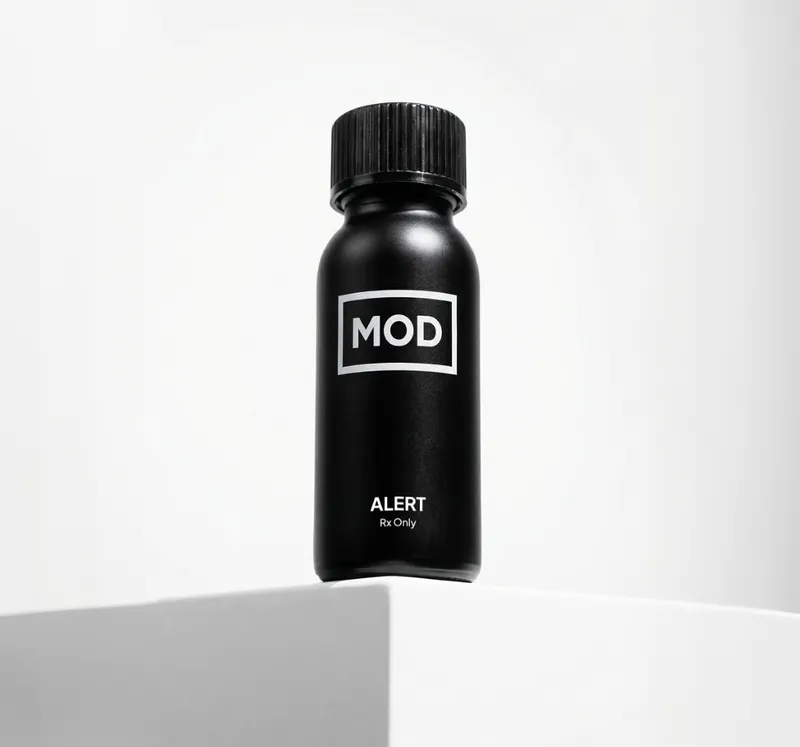
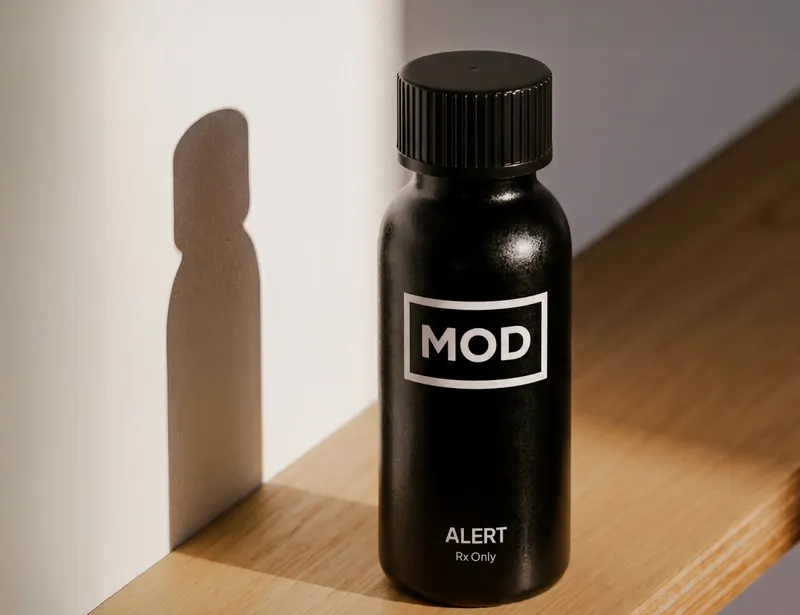
MOD Alert is a compounded prescription-strength drinks containing Modafinil (150 mg) and 60 mg of caffeine, formulated for shift workers managing SWSD.
If you're sleeping adequate hours but still struggling with excessive sleepiness during shifts, it's worth exploring whether SWSD is contributing to your cardiovascular risk, indirectly, through the behaviors it drives.
Common Shift Worker Heart Health Mistakes to Fix
Mistake 1: Trying to "catch up" on sleep during days off. Sleeping four hours on work nights and ten on days off disrupts your circadian rhythm more than consistent short sleep would. Fix it by clustering your shifts and keeping a consistent sleep window within one to two hours across all days.
Mistake 2: Eating your biggest meal during the night shift. Nighttime eating has direct effects on blood pressure and prothrombotic cardiovascular risk factors, per the 2025 Nature Communications study. Fix it by eating a substantial meal before your shift starts, packing lighter options for during the shift, and eating again after you wake up from your main sleep block.
Mistake 3: Skipping exercise until you "feel better." That day rarely arrives. Fix it by scheduling 17-minute HIIT sessions before your shift or after your main sleep block. Treat it as a shift. Missing one session doesn't justify missing the week.
Mistake 4: Ignoring elevated blood pressure readings. Hypertensive shift workers face compounded cardiovascular risk. Fix it by monitoring weekly with a home cuff and acting on anything consistently above 130/80 mmHg, before it requires emergency intervention.
Mistake 5: Not telling your doctor you work shifts. Many providers design screening schedules and medication timing assumptions around day workers. Fix it by explicitly stating your shift pattern and asking whether your medication timing, supplement timing, and screening intervals account for your schedule.
When Should You Talk to Your Doctor?
Don't wait for symptoms. Schedule a conversation with your doctor if any of the following apply:
- You've worked night or rotating shifts for five or more years
- Your blood pressure is consistently above 130/80 mmHg
- You experience chest tightness, shortness of breath, or palpitations during or after shifts
- You're sleeping 7+ hours but still excessively sleepy during work hours, this may indicate SWSD
- You have a family history of cardiovascular disease and work non-standard hours
- Your last lipid panel or fasting glucose check was more than a year ago
Shift work occupational health is an underserved area of primary care. Requesting a cardiovascular risk assessment framed specifically around your shift schedule, not just your age and weight, will get you more actionable results.
Final Verdict
Shift work doesn't have to mean inevitable heart disease, but it does require active management. Here's how to prioritize based on your situation:
- If fatigue is derailing your habits, start with Step 5, wakefulness management. Excessive daytime sleepiness is what drives shift workers to skip workouts, reach for vending machine food at 3 AM, and smoke more, all independent cardiovascular risk factors. Fix the wakefulness, and the other four steps become easier to sustain.
- If your blood pressure is trending upward, prioritize Step 3, 17-minute HIIT, three times per week, and Step 4, weekly blood pressure monitoring. Both show measurable improvement within 8-10 weeks and target hypertension directly, the most common cardiovascular precursor in shift workers.
- If you've worked nights for 5+ years, treat all five steps as a system, not a menu. Cardiovascular risk appears to rise with longer shift-work exposure, so proactive management across every category matters.
- If you can only change one thing, make it sleep schedule consistency. Keeping the same sleep window on your days off as on work nights prevents the continuous circadian resetting that drives most downstream cardiovascular damage. It's uncomfortable when your social life runs on a different clock, but it's one of the highest-leverage changes available.
None of these steps require a gym membership, a nutritionist, or a completely overhauled lifestyle. They require consistency, which, for many shift workers, is what excessive daytime sleepiness makes genuinely hard.
If you're sleeping adequate hours but still struggling with excessive sleepiness during shifts, Shift Work Sleep Disorder may be a contributing factor worth addressing directly. MOD Alert is a compounded prescription drink containing Modafinil 150 mg and Caffeine 60 mg, available through a straightforward telehealth assessment.

Frequently Asked Questions
Is night shift work bad for your heart?
Yes. Research consistently shows night shift work significantly increases cardiovascular risk. Shift workers face up to a 40% higher rate of cardiovascular disease compared to day workers, with risk growing roughly 7% for every additional five years worked, according to a 2023 PMC narrative review.
How does shift work affect cardiovascular health?
Shift work disrupts the circadian control of cortisol, blood pressure, and metabolism. This leads to chronically elevated cortisol, systemic inflammation, dyslipidaemia, and behavioral changes, reduced exercise, poor diet, higher smoking rates, all of which contribute to atherosclerosis and coronary heart disease over time.
What heart conditions are more common in shift workers?
Shift workers have elevated rates of hypertension, coronary heart disease, atrial fibrillation, and cardiovascular disease mortality. Long-term night shift work, 10+ years, is specifically associated with an 18% higher risk of atrial fibrillation compared to daytime workers, per a 2021 PMC-cited study.
How much exercise do shift workers need for heart health?
The AHA recommends 150 minutes per week of moderate-intensity physical activity. Research in shift workers specifically shows that 17 minutes of HIIT three times per week, or 30 minutes of brisk walking three times per week, both produce measurable cardiovascular improvements within 8-10 weeks.
What foods protect shift workers' hearts?
A high-fiber diet, vegetables, fruits, whole grains, legumes, nuts, was associated in a 2026 UK Biobank study with lower elevated heart disease risk among night shift workers. Omega-3-rich fish and minimizing saturated fats and added sugars are also supported by research in shift-working populations.
This article is provided for informational purposes only and does not constitute medical advice. The information presented is not a substitute for professional medical advice, diagnosis, or treatment. Always consult your healthcare provider to discuss the risks, benefits, and appropriateness of any treatment.
MOD offers access to healthcare providers who may prescribe compounded medications for the treatment of excessive daytime sleepiness associated with shift work sleep disorder (SWSD), when clinically appropriate.
The featured products include compounded medications that have not been approved by the FDA. Compounded medications may be prescribed under federal law but are not the same as, nor are they generic versions of, any FDA-approved medication. The FDA does not review compounded medications for safety, effectiveness, or manufacturing quality of compounded products. A prescription will only be written if deemed appropriate after the digital consultation by the licensed medical provider. Individual results may vary.
MOD is not a compounding pharmacy but a telemedicine service that links patients to licensed medical providers.