Shift Work Sleep Disorder Treatment Options in 2026
The best shift work sleep disorder treatment options in 2026 are sleep scheduling, darkness after shift, timed bright light, strategic naps, melatonin for daytime sleep, and modafinil-class medication for persistent on-shift sleepiness. Shift work sleep disorder is a circadian rhythm sleep-wake disorder, so the best treatment is usually a layered plan that matches the real problem: trouble sleeping after work, trouble staying awake on shift, or both.
Cleveland Clinic says SWSD affects roughly 10% to 40% of people working nontraditional schedules. When the problem starts affecting your commute, reaction time, or mood, it is important to treat it like a real sleep-wake disorder instead of a discipline problem.
This guide compares the main shift work sleep disorder treatment options in 2026. It covers what to try first, which medication is indicated to treat shift work sleep disorder, and where a shift-worker-focused telehealth option fits.
Key Takeaways
- The best SWSD plan usually starts with sleep timing, darkness, light control, and naps before medication enters the picture.
- Melatonin can help daytime sleep a bit, but it is usually a modest sleep-timing tool rather than a full solution.
- The FDA-approved wakefulness medications for excessive sleepiness associated with SWSD are modafinil and armodafinil.
- A specialized telehealth prescription option may make sense when you want a provider-guided medication path, but compounded medications are not FDA-approved finished products and pricing is not publicly listed.
- Digital CBT-I is worth considering when your SWSD looks as much like persistent insomnia as it does on-shift sleepiness.
Why Seek Shift Work Sleep Disorder Treatment Options?
People seek treatment when daytime sleep keeps failing, the commute home feels risky, and on-shift fatigue starts bleeding into work and mood.
Many shift workers are not sure whether they need help sleeping during the day, staying awake at work, or both. That is why the best plans separate the two problems instead of treating everything like an energy deficit. Many people only act after several bad recovery days and a growing dependence on caffeine, naps, or schedule swapping at home and on the job.
What Are Shift Work Sleep Disorder Treatment Options?
The main shift work sleep disorder treatment options are sleep scheduling, light control, naps, melatonin, wakefulness medication, and digital CBT-I. In practice, the best plan depends on the symptom pattern. If daytime sleep initiation is the blocker, melatonin or CBT-I may matter more. If dangerous on-shift sleepiness persists despite good habits, modafinil-class treatment becomes more relevant. Most people end up combining more than one tool because SWSD rarely behaves like only an insomnia problem or only an alertness problem in real schedules.
Comparing Shift Work Sleep Disorder Treatment Options
The strongest plans start with schedule protection and light timing because they address the circadian mismatch itself. Medication matters more when excessive sleepiness remains dangerous, while melatonin and CBT-I usually fit better when insomnia is the bigger side of the problem. Any option that boosts alertness without protecting sleep still solves only part of the problem. The comparison works best when you judge each option by the symptom it actually addresses, the tradeoffs it creates, and the routine it demands.
Why It Matters Now
Shift work is not getting simpler. Healthcare, logistics, public safety, manufacturing, and transportation still run around the clock, which means more people are trying to perform at a high level while their circadian rhythm is pulling the other way.
That is why treatment choices matter now. CDC NIOSH and OSHA both warn that fatigue raises the risk of errors, near-misses, and unsafe driving. The goal is not to chase perfect sleep on an imperfect schedule. It is to reduce risk and make the schedule more survivable.
When Should Diagnosis Drive Treatment?
Treatment should start with diagnosis when symptoms persist for months, overlap your normal sleep window, and create meaningful impairment or safety concerns.
StatPearls and ICSD-3 criteria focus on insomnia or excessive sleepiness tied to work hours that overlap your normal sleep window. They also require symptoms lasting at least 3 months, meaningful impairment, and sleep log or actigraphy evidence over at least 14 days.
That matters because sleep apnea, chronic insomnia, depression, alcohol, and medication side effects can look similar. A proper workup should rule those out before anyone treats every bad shift as SWSD.
Sleep Timing, Darkness, and Naps Still Lead
The first move is usually making daytime sleep more reliable, not adding more stimulants. For most night-shift workers, that means a protected sleep block after work, less morning light on the commute home, a cool dark room, and a schedule that stays as consistent as real life allows.
Planned naps and better caffeine timing also matter. NIOSH supports short naps when the workplace allows them, and late-shift caffeine can easily solve the current shift while ruining the next sleep window. In practice, reduce bright morning light on the commute home, keep the bedroom dark and cool, use naps strategically, and keep caffeine earlier in the shift.
The Treatment Options Most People Compare
1. Specialized Telehealth Option for Shift Workers
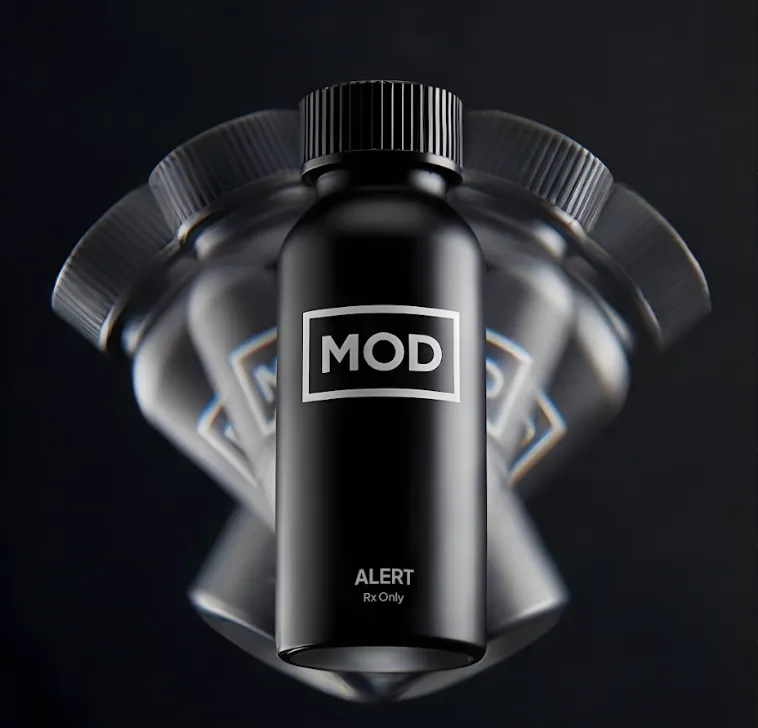
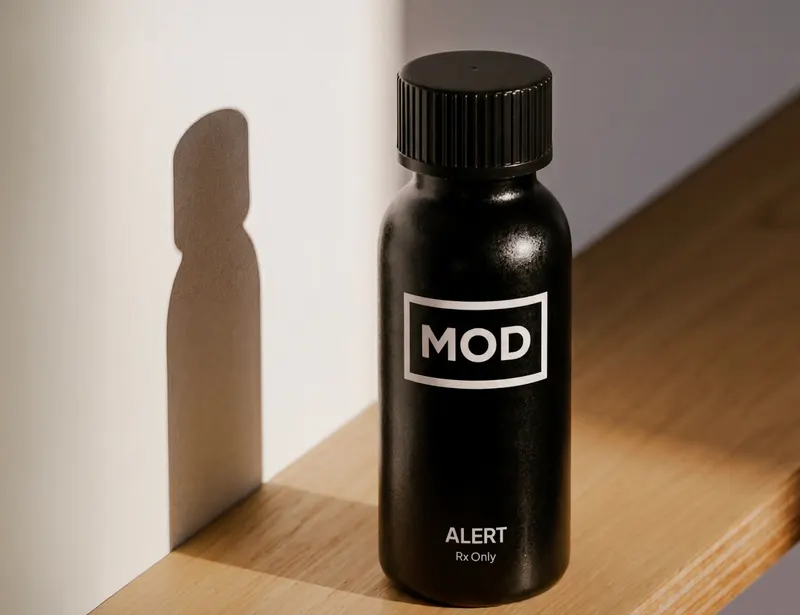
MOD is the most specialized option here because it is built around shift-worker fatigue instead of broad primary-care telehealth. The telehealth prescription process is straightforward: online intake, provider review, and, if prescribed, medication shipped to your door.
MOD Alert is a compounded prescription drink that combines 150 mg Modafinil with 60 mg caffeine. Modafinil, the active ingredient, is FDA-approved for excessive sleepiness associated with Shift Work Sleep Disorder, but MOD products themselves are compounded medications. The upside is a shift-worker-specific prescription path. The tradeoff is just as important: Potential side effects can include headache, nausea, anxiety, nervousness, or insomnia.
This option fits adults with persistent on-shift sleepiness who want a provider-guided path built around shift work rather than general telehealth.
If you want a specialized prescription path built for shift work, choose a MOD plan to learn more.
2. Generic Modafinil
Generic modafinil is the reference medication most people mean when they ask which medication is indicated to treat shift work sleep disorder. It is a wakefulness-promoting agent, not an amphetamine-based medication. In a classic 3-month New England Journal trial, 74% of patients on modafinil were rated improved versus 36% on placebo.
Generic modafinil has the strongest direct evidence base here and is usually taken before the start of the shift to improve wakefulness. It does not replace sleep or solve daytime insomnia, and access still depends on diagnosis, prescription, and pharmacy logistics.
3. Armodafinil
Armodafinil is another FDA-approved wakefulness-promoting medication used for excessive sleepiness associated with SWSD. Comparative trial data suggest it performs similarly to modafinil.
In practice, the choice often comes down to provider preference, patient response, potential side effects, and access.
Armodafinil is a legitimate alternative in the same class when modafinil is not the preferred starting point. It still does not correct the circadian mismatch causing SWSD, and the same headaches around insurance, prior authorization, pharmacy access, and potential side effects can show up here too.
4. Melatonin
Melatonin is better understood as a sleep-timing tool than a wakefulness treatment. A Cochrane review found it added about 24 minutes of daytime sleep on average after night shifts.
Melatonin aims at sleep initiation, not on-shift alertness. It is widely available and low-friction, but the benefit is usually modest and it will not fix dangerous on-shift sleepiness by itself. It makes the most sense when the biggest problem is daytime sleep onset rather than staying awake on shift.
5. Digital CBT-I
Digital CBT-I fills a gap that many treatment roundups miss. A 2025 randomized trial in nurses with SWSD found digital CBT-I reduced insomnia severity more than psychoeducation.
Digital CBT-I targets insomnia behaviors and thought patterns rather than alertness alone. It is a strong non-drug option when insomnia is driving the problem, but it is slower than medication or caffeine and still requires follow-through when you are already exhausted.
Which Shift Work Sleep Disorder Treatment Options Fit Best?
The best fit depends on the symptom pattern: sleep-support tools help daytime insomnia most, while alertness strategies and medication target on-shift sleepiness.
If the main problem is falling asleep after work, the best tools are usually darkness, light avoidance, melatonin, and CBT-I. If the main problem is dangerous sleepiness during the shift, the best tools are usually naps, bright light, caffeine timing, and modafinil-class treatment after diagnosis. Mixed cases usually need a two-sided plan instead of a single pill or a single sleep hack.
Best Practices for Building a Treatment Plan
- Start with the problem that creates the most risk: unsafe driving home, repeated on-shift mistakes, or near-total failure to sleep after work.
- Protect one consistent sleep block before you judge whether a medication is helping or whether the schedule itself is the bigger issue.
- Use light, darkness, naps, and caffeine timing together instead of expecting one trick to carry the whole plan.
- Track sleep timing, naps, caffeine, and worst fatigue windows for at least 2 weeks so a provider can spot the pattern faster.
- If you are considering medication, talk through potential side effects, other health conditions, and whether a telehealth prescription or in-person sleep evaluation makes more sense for your situation.
Common Mistakes That Make Treatment Work Worse
The biggest mistake is using every bad shift as a reason for more caffeine instead of protecting the next sleep window. Another is assuming medication can stand in for diagnosis when snoring, apnea, depression, or alcohol may be part of the picture. If you are having microsleeps, near-misses, or repeated errors, it is important to escalate quickly. The pattern usually gets worse when sleep timing swings wildly between workdays and days off. Tracking sleep timing for 2 weeks can also make treatment decisions much clearer.
When Should You See a Doctor for SWSD?
See a clinician when symptoms last for months, the drive home feels unsafe, or schedule changes and light control still do not help enough.
That conversation can sort out whether you need actigraphy, a sleep apnea workup, melatonin timing, CBT-I, or prescription wakefulness treatment. A clinician can also separate SWSD from chronic insomnia, sleep apnea, depression, or medication side effects that need a different plan. That distinction matters before you start any wakefulness medication or settle on a long-term strategy.
Final Verdict
There is no single best shift work sleep disorder treatment option for every worker. The right choice depends on whether your bigger problem is daytime insomnia, on-shift sleepiness, or both.
For a step-one plan, sleep scheduling, darkness, timed light exposure, and naps are still the strongest starting point. For workers whose main issue is daytime sleep initiation, melatonin or digital CBT-I usually make more sense than jumping straight to wakefulness medication. For diagnosed SWSD with persistent dangerous sleepiness on shift, generic modafinil remains the clearest evidence-based medication benchmark.
MOD may fit adults who want a provider-guided prescription path designed around shift work rather than a broad telehealth category. MOD Alert combines 150 mg Modafinil with caffeine. It is a compounded medication, not an FDA-approved finished product, and should be considered only after a provider reviews your symptoms, health history, and schedule.
If your primary need is sustained wakefulness during demanding shifts and you want a specialized prescription pathway, choose a MOD plan to learn more. For questions about eligibility, ordering, or support, you can also review the MOD common questions.

Frequently Asked Questions
How is shift work sleep disorder treated?
Shift work sleep disorder is usually treated with a layered plan that protects sleep timing, controls light exposure, uses naps strategically, and considers medication only when needed. If those steps still leave you with dangerous sleepiness or major insomnia, a clinician may talk through melatonin, CBT-I, or prescription wakefulness medication based on your symptoms and diagnosis.
Which SWSD medication is indicated?
The FDA-labeled wakefulness medications for SWSD-related sleepiness include modafinil and armodafinil. These medications are intended to improve wakefulness during work hours, not to replace sleep or correct the underlying circadian mismatch by themselves. A clinician should confirm whether symptoms fit SWSD before choosing a medication plan.
Is melatonin enough for SWSD?
Melatonin may help some shift workers add a modest amount of daytime sleep after night shifts, but it usually is not a full solution. If the bigger issue is dangerous on-shift fatigue, chronic rotating schedules, or repeated near-misses, melatonin should be treated as one tool within a broader plan, not the entire treatment strategy.
Can SWSD be treated without medication?
Yes, some people improve with tighter sleep timing, darker rooms, controlled light exposure, planned naps, and better caffeine timing before medication becomes necessary. Medication usually makes more sense when those basics still are not enough or when on-shift sleepiness creates real safety risk after a clinician reviews the pattern.
Where does MOD fit in?
MOD may fit adults with persistent on-shift sleepiness who want a provider-guided prescription path designed around shift work. MOD products are compounded medications that contain Modafinil with caffeine. MOD is not an FDA-approved product, so a provider review is important before use.
This article is provided for informational purposes only and does not constitute medical advice. The information presented is not a substitute for professional medical advice, diagnosis, or treatment. Always consult your healthcare provider to discuss the risks, benefits, and appropriateness of any treatment.
MOD offers access to healthcare providers who may prescribe compounded medications for the treatment of excessive daytime sleepiness associated with shift work sleep disorder (SWSD), when clinically appropriate.
The featured products include compounded medications that have not been approved by the FDA. Compounded medications may be prescribed under federal law but are not the same as, nor are they generic versions of, any FDA-approved medication. The FDA does not review compounded medications for safety, effectiveness, or manufacturing quality of compounded products. A prescription will only be written if deemed appropriate after the digital consultation by the licensed medical provider. Individual results may vary.
MOD is not a compounding pharmacy but a telemedicine service that links patients to licensed medical providers.