12 Shift Work Sleep Disorder Statistics: Key Data for 2026
Shift work sleep disorder (SWSD) is a circadian rhythm disorder affecting an estimated 10–40% of shift workers, with a 2021 systematic review and meta-analysis placing overall prevalence at 26.5%. The disorder is characterized by chronic insomnia during intended rest periods and excessive sleepiness during work hours, producing measurable health and safety consequences that compound with every year of exposure.
If you work nights, rotating shifts, or irregular hours, you're not imagining it, your body is fighting against its own biology. Shift work sleep disorder (SWSD) is a recognized medical condition affecting millions of U.S. workers, driving up rates of depression, cardiovascular disease, workplace injuries, and lost productivity. The struggle to fall asleep after a night shift, to stay alert during your hours, or to ever feel genuinely rested has a name, diagnostic criteria, and a documented set of health consequences.
The data makes the scale of this problem clear. Below are the key peer-reviewed statistics on shift work sleep disorder, organized by category, from how many workers are affected to what the science says about treatment.
Key Takeaways
- Up to 26.5% of shift workers meet diagnostic criteria for SWSD, per a 2021 systematic review and meta-analysis
- Night shift workers face a 43% increased risk of depression compared to day workers, per meta-analysis research
- Shift workers have a 40% higher risk of cardiovascular disease than their daytime counterparts, per cardiovascular outcomes research
- Injury rates are 30% higher on night shifts compared to standard day shifts, per OSHA worker fatigue data
- 74% of patients treated with modafinil showed clinical improvement versus 36% on placebo, in NEJM-published randomized controlled trials
The Scale of Shift Work in the United States
1. The overall prevalence of shift work disorder is 26.5%
The most comprehensive analysis to date, a 2021 systematic review and meta-analysis, found that 26.5% of shift workers meet diagnostic criteria for SWSD (95% CI: 21.0–32.8%). That's roughly one in four shift workers. The wide confidence interval reflects genuine variation across study populations, industries, and diagnostic tools used.
2. Irregular schedules: up to 48% SWSD risk
For workers whose hours are unpredictable or constantly rotating, recent research suggests SWSD risk may reach 48%. Unlike fixed night shifts, where some circadian adaptation is possible, irregular schedules prevent the body from settling into any consistent rhythm, making the disorder both more likely and harder to manage.
How SWSD Disrupts Sleep
3. 44% of night shift workers show pathologic sleepiness
PMC research shows 44% of night shift workers score in the pathologic range on the Epworth Sleepiness Scale, a validated measure that identifies excessive sleepiness likely to cause functional impairment. This suggests that a substantial share of night shift workers experience clinically significant sleepiness that may affect daily functioning and safety.
4. Night shift workers: over 51% have a sleep disorder
More than half of night shift workers meet criteria for at least one sleep disorder. 2023 research in Frontiers in Psychiatry found that 26.3% report two or more co-occurring sleep disorders. SWSD rarely exists in isolation, insomnia, obstructive sleep apnea, and restless legs syndrome commonly co-occur and worsen each other.

Physical Health Consequences of Shift Work Sleep Disorder
5. Shift work raises cardiovascular disease risk by 40%
A meta-analysis on shift work and cardiovascular outcomes found that shift workers face a 40% higher risk of cardiovascular disease compared to day workers. Chronic circadian disruption impairs blood pressure regulation, promotes systemic inflammation, and disrupts metabolic function. Night shift workers show the strongest association with coronary heart disease and stroke. Protecting your heart health as a shift worker requires targeted strategies, not just standard cardiovascular advice.
6. Colorectal cancer risk rises 11% per 5 night-shift years
StatPearls clinical data documents an 11% increase in colorectal cancer risk for each additional 5 years of night shift work exposure. The primary mechanism is thought to involve chronic melatonin suppression from nighttime light exposure, which disrupts natural tumor-suppressor signaling.
The Safety Risks of Shift Work Sleep Disorder
7. Shift workers have 60% more workplace accidents
Research cited in PMC shows shift workers have 60% higher workplace accident rates than day-shift counterparts. Severe sleep debt can impair cognitive performance in ways that have been compared with alcohol-related impairment, including slower reaction time and poorer judgment.
8. Evening shifts have 18% higher accident rates
Compared to standard day shifts, OSHA research shows workers on evening shifts experience 18% higher accident and injury rates. Even moderate fatigue meaningfully impairs reaction time, spatial awareness, and decision-making, all critical in manufacturing, healthcare, and transportation settings.
9. Night shift injury rates are 30% higher than day shifts
OSHA data shows night shift workers face 30% higher injury rates than day-shift counterparts. Circadian misalignment, cumulative sleep debt, and reduced overnight staffing levels all contribute to the elevated risk as the shift progresses into early morning hours.
The Economic Cost of SWSD
10. Shift work accidents cost $71–93 billion per year
PMC research estimates shift work accidents cost U.S. businesses $71–93 billion per year, accounting for direct accident costs, workers' compensation, lost productivity, and long-term disability. This figure doesn't include the broader costs of SWSD-driven healthcare utilization, absenteeism, and workforce turnover. The economic toll extends well beyond shift workers alone when fatigue costs across the broader workforce are considered.
11. Poor sleep costs $44.6 billion in lost productivity
Gallup research found that employees with chronic poor sleep miss an average of 2.29 unplanned workdays per month, versus 0.91 days for better-sleeping workers. Across approximately 7% of the U.S. workforce, that translates to $44.6 billion in annual lost productivity from sleep-related absenteeism alone.
Modafinil Treatment
12. 98% of reported adverse events were mild or moderate
In clinical trial data, 98% of reported adverse events were mild or moderate in severity. Headache was the most commonly reported side effect. This tolerability profile, combined with its non-amphetamine mechanism, has contributed to modafinil’s role as a commonly used prescription option for excessive sleepiness associated with SWSD.
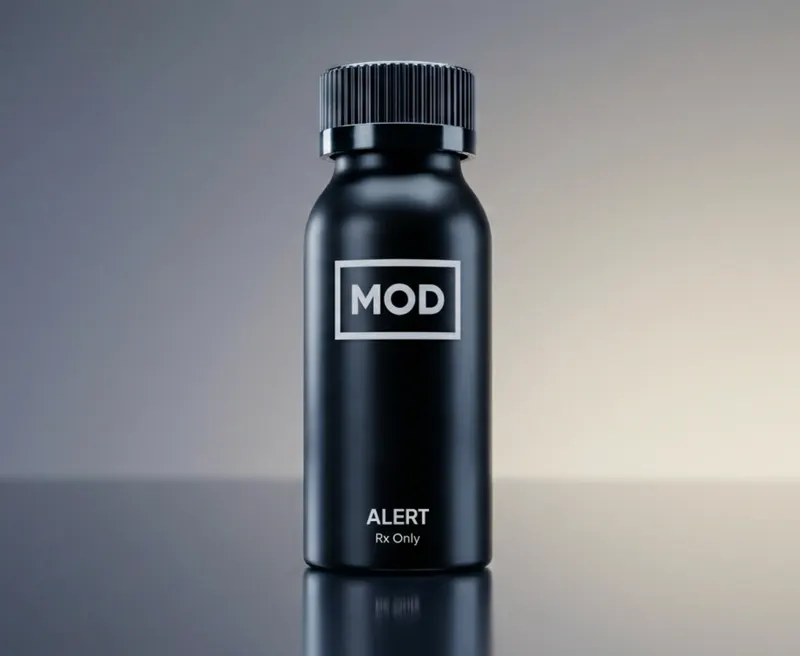
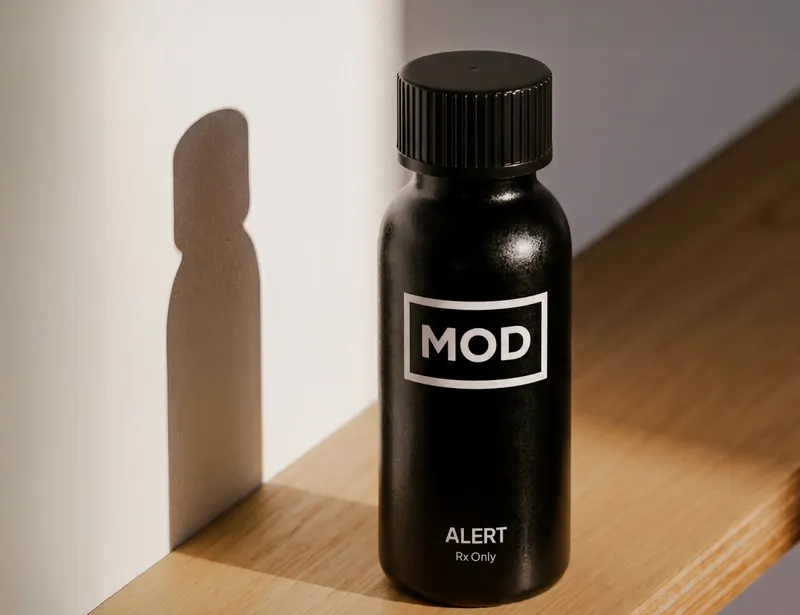
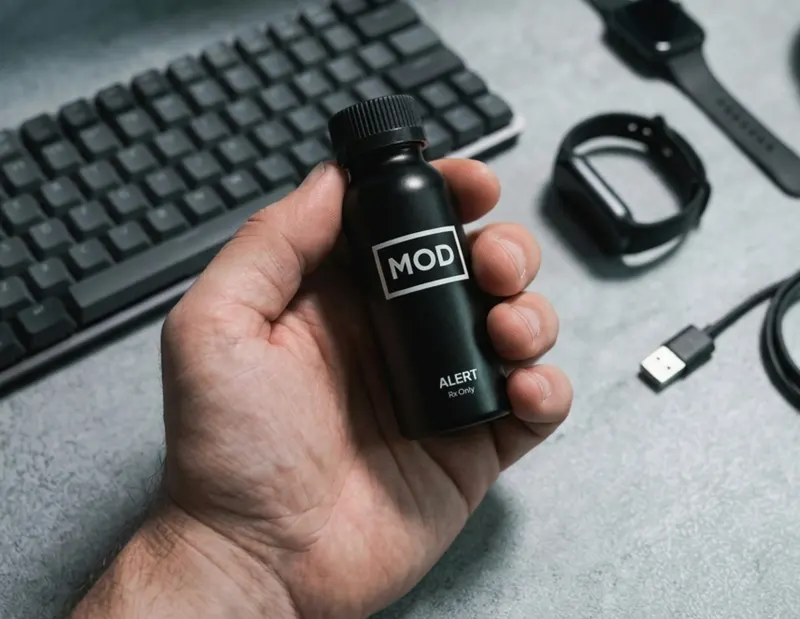
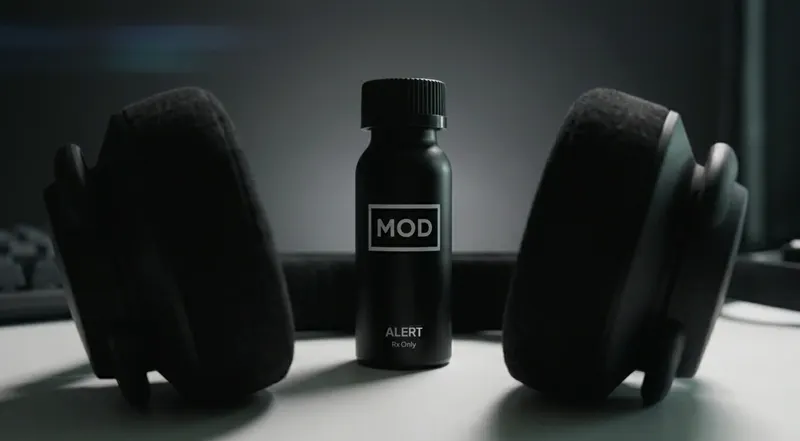
For shift workers looking to access modafinil through a telehealth prescription process, MOD Alert provides modafinil 150 mg combined with caffeine in a compounded prescription drink designed for shift workers with Shift Work Sleep Disorder. The process is straightforward: complete an online intake, a licensed provider reviews your information, and your medication ships to your door, no waiting rooms required.
What This Means for You
These statistics aren't abstract. If you work nights or rotating shifts and consistently struggle to sleep when you're off duty, or can't stay alert during your shift, you may be dealing with more than ordinary fatigue.
A few things the data makes clear:
- SWSD is common and underdiagnosed. One in four shift workers meets diagnostic criteria. Most don't know it.
- Health consequences compound over years. Cardiovascular disease, cancer risk, and mental health impacts accumulate with every month of untreated circadian disruption.
- Treatment produces real, measurable results. The research on modafinil, among the first FDA-approved medications for SWSD, shows consistent and substantial improvement across clinical trials.
- It's worth talking to a provider. Lifestyle interventions (light therapy, sleep scheduling, strategic napping) help but often aren't sufficient for workers on fixed night shifts.
If you're experiencing chronic excessive sleepiness or can't sleep when you finally have the chance, MOD offers a telehealth prescription process built specifically for shift workers.
Frequently Asked Questions
What is shift work sleep disorder?
Shift work sleep disorder (SWSD) is a circadian rhythm sleep-wake disorder triggered by a misalignment between a worker's biological clock and their required work schedule. It is clinically defined by chronic excessive sleepiness during work hours, insomnia during intended sleep periods, or both, persisting for at least one month and causing meaningful impairment to daily functioning.
What are the symptoms of shift work sleep disorder?
The primary symptoms of SWSD are excessive sleepiness during scheduled work hours and an inability to fall or stay asleep when off duty. Secondary symptoms include difficulty concentrating, irritability, impaired memory, reduced motivation, and mood disturbances. Many workers also experience gastrointestinal problems and increased susceptibility to illness. Symptoms must persist for at least one month and cause meaningful functional impairment to meet clinical diagnostic criteria.
How is shift work sleep disorder diagnosed?
Shift work sleep disorder is diagnosed by a sleep physician or primary care provider based on symptom history, a sleep diary kept for at least two weeks, and actigraphy, a wrist-worn sensor that records movement patterns across 14 consecutive days. A formal sleep study may be ordered to rule out co-occurring conditions such as sleep apnea. Symptoms must have persisted for at least one month and be directly attributable to a non-standard work schedule.
What Percentage of Shift Workers Develop SWSD?
Research estimates that approximately 10–40% of shift workers develop SWSD, with a 2021 systematic review and meta-analysis placing the overall prevalence at 26.5%. When shift workers are clinically evaluated, rather than self-reporting, the rate climbs to 39–43%, suggesting the condition is significantly underdiagnosed in the general shift worker population.
Is shift work sleep disorder a disability?
SWSD can qualify as a disability under the ADA and similar frameworks when it causes substantial limitations in major life activities. Workers with documented SWSD may be entitled to reasonable workplace accommodations, including modified shift schedules, depending on their employer and role. Speak with an employment attorney or HR representative if you believe SWSD substantially limits your work capacity.
What Is the Difference Between Shift Work and SWSD?
Shift work refers to any non-standard schedule. Shift Work Sleep Disorder is a clinical condition that develops in some shift workers, characterized by excessive sleepiness during work hours and insomnia during intended rest periods, lasting at least one month and causing meaningful impairment to daily functioning. Not all shift workers develop SWSD, but roughly one in four do.
Is modafinil FDA-approved for shift work sleep disorder?
Yes. Modafinil has been FDA-approved specifically for excessive sleepiness associated with Shift Work Sleep Disorder since January 2004. It's a non-amphetamine, Schedule IV wakefulness-promoting agent with a well-documented safety profile in shift worker populations. In clinical trials, 74% of treated patients showed clinically meaningful improvement versus 36% on placebo.
How does shift work affect mental health long-term?
Studies consistently show elevated rates of depression, anxiety, and alcohol use disorder in shift worker populations. Night shift workers have a 43% higher risk of depression versus day workers (OR \= 1.43). Chronic sleep deprivation, social isolation from reversed schedules, and persistent circadian disruption all contribute to deteriorating mental health over time.
Which Industries Have the Most SWSD Risk?
Healthcare (nurses, physicians), transportation (truck drivers, airline crew), emergency services (police, firefighters, paramedics), and manufacturing have the highest concentration of shift workers with SWSD risk. Healthcare is particularly high-stakes, 27% of practitioners work nights, and cognitive impairment from sleep deprivation directly affects patient safety outcomes.
Can SWSD be treated without medication?
Behavioral approaches, including strategic light exposure therapy, optimized sleep scheduling, and daytime sleep hygiene, can reduce symptoms for some shift workers. For those on fixed night shifts, these measures often provide only partial relief. Clinical guidelines recommend discussing pharmacological options like modafinil with a provider when behavioral interventions alone are insufficient.
This article is provided for informational purposes only and does not constitute medical advice. The information presented is not a substitute for professional medical advice, diagnosis, or treatment. Always consult your healthcare provider to discuss the risks, benefits, and appropriateness of any treatment.
MOD offers access to healthcare providers who may prescribe compounded medications for the treatment of excessive daytime sleepiness associated with shift work sleep disorder (SWSD), when clinically appropriate.
The featured products include compounded medications that have not been approved by the FDA. Compounded medications may be prescribed under federal law but are not the same as, nor are they generic versions of, any FDA-approved medication. The FDA does not review compounded medications for safety, effectiveness, or manufacturing quality of compounded products. A prescription will only be written if deemed appropriate after the digital consultation by the licensed medical provider. Individual results may vary.
MOD is not a compounding pharmacy but a telemedicine service that links patients to licensed medical providers.