Pilot Fatigue: How to Survive Night Shifts as a Pilot
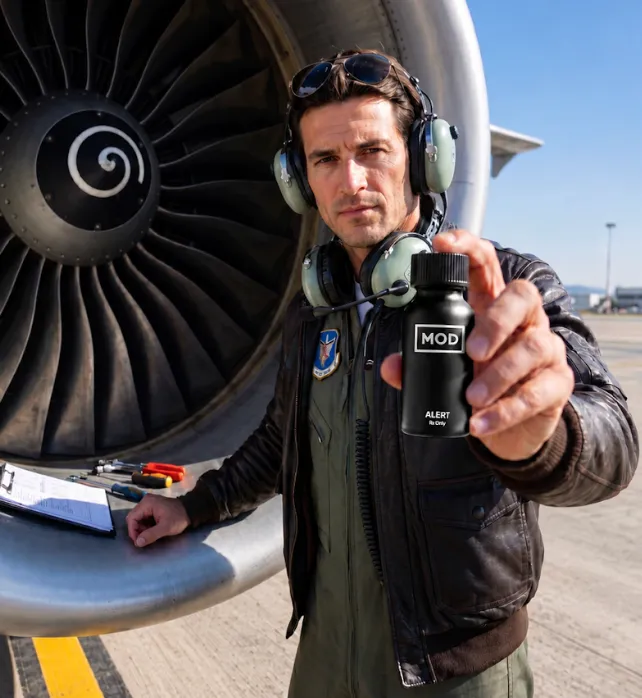
If you fly nights, you already know fatigue is not just an uncomfortable feeling. It can become a judgment, reaction-time, and recovery problem fast. The most reliable way to survive night shifts as a pilot is to treat sleep timing, naps, caffeine, light exposure, and fit-for-duty calls like operational controls instead of nice-to-have habits.
This guide is for pilots trying to stay functional on overnight duty without kidding themselves about what fatigue does to performance. You will walk away with a practical pre-duty, in-duty, and post-duty plan, plus a clear sense of when it is important to talk with an AME, sleep clinician, or other healthcare provider about Shift Work Sleep Disorder (SWSD).
Key Takeaways
- Pilot fatigue is usually a scheduling and circadian problem, not a motivation problem.
- A repeatable anchor sleep block and a planned pre-duty nap beat random catch-up sleep.
- Caffeine works best when you front-load it and cut it off early enough to protect daytime recovery sleep.
- FAA Part 117 gives a legal floor, but fit-for-duty decisions still depend on your real alertness.
- If night-duty sleepiness keeps breaking through good habits, it is worth discussing SWSD with an AME or sleep clinician.

Before You Start
Before you build a night-shift plan, get clear on what you are controlling:
- Your likely report time, release time, and commute window
- A realistic daytime sleep block after duty
- Whether you have room for a pre-duty nap
- How much caffeine you already use on a normal day
- Whether you have a dark, cool, quiet place to sleep after landing
Pilot fatigue on night shifts usually comes from three forces hitting at once: sleep loss, circadian disruption, and workload during the biological low. A pilot fatigue study found that departure time, arrival time, and flight duration all affect fatigue. That is why a pairing can look legal on paper and still feel rough in the cockpit.
Step-by-Step Instructions
Step 1: Lock in an anchor sleep block
The first move is not more caffeine. It is protecting one repeatable daytime sleep block after duty. If you land and get home around 8:30 a.m., a block around 9:30 a.m. to 2:30 p.m. is far more useful than sleeping whenever you crash.
Why it matters: the circadian low for overnight work overlaps the period when alertness naturally drops, and daytime sleep is already fighting your body clock. A stable block will not make night flying feel normal, but it does reduce the chaos that makes fatigue worse. A sleep and fatigue review ties pilot fatigue to sleep disruption and circadian strain.
If your schedule flips back and forth, plan around the next hardest duty period instead of trying to act like you are off-duty and fully day-adapted between trips.
Step 2: Add a planned pre-duty nap
A 90-minute pre-duty nap is one of the simplest fatigue tools you have if the pairing gives you enough room. It helps lower sleep pressure before the 2 a.m. to 6 a.m. risk window and usually works better than hoping you can power through.
Keep it planned, not random. If you nap too late or for too long, you may wake up groggy or cut into your main recovery sleep. If you cannot fit a full 90 minutes, even a shorter nap can still help, but consistency matters more than chasing a perfect number.
Step 3: Front-load light and caffeine
Use bright light and caffeine early in the duty period, not as a panic button at the end. The goal is to support alertness before fatigue peaks while still protecting your ability to sleep after landing. The CDC light guide supports using light exposure strategically during night work.
For most pilots, a simple caffeine rule works well: stop about 6 hours before your planned sleep time. That means if you expect to sleep around 9:00 a.m., your last caffeine dose should usually be around 3:00 a.m. Front-loading caffeine also helps you avoid the all-too-common move of taking a large late dose that wrecks your next sleep block.
Keep meals lighter overnight too. A smaller protein-forward meal and simple snacks usually work better than one heavy meal plus another caffeine hit.
Step 4: Treat the 2 a.m. to 6 a.m. window like a known hazard
This is not the time to test your toughness. It is the circadian low, and performance can drift before you feel fully aware of it. That is why it is smart to simplify what you can before the window starts.
Use a few repeatable controls:
- Front-load setup and planning before the low window
- Use brief activity resets during safe moments like hydration, posture changes, and mental cross-checks
- Pay closer attention to checklist discipline and communication accuracy
- Be honest if your performance feels off instead of normalizing it
The FAA fatigue checklist groups fatigue signs into physical, mental, and emotional categories. Heavy eyelids, repeated yawning, missed radio calls, slower checklist flow, irritability, and trouble holding the plan in working memory are all warning signs worth taking seriously.
Step 5: Protect post-duty recovery
After landing, your biggest recovery threat is usually not the flight. It is everything that happens after it. Morning light, errands, screens, and the temptation to stay up a little longer can all make daytime sleep worse.
Protect the first sleep block aggressively:
- Get home efficiently instead of adding extra stops
- Limit bright light exposure after sunrise
- Keep your room dark, cool, and quiet
- Eat something light if you are hungry
- Use a later nap only if it will not disrupt the next main sleep block
General shift-work guidance also supports combining scheduled naps, light timing, and early-shift caffeine rather than relying on one tactic alone.

Tips for Best Results
- Build the same pre-duty routine for every overnight block so your body gets repeated cues.
- Put your caffeine cutoff on paper before the shift starts instead of improvising mid-duty.
- Wear dark glasses on the way home if sunrise light makes daytime sleep harder for you.
- Keep your sleep environment boring: dark, cool, quiet, and phone-free.
- If a healthcare provider has prescribed a medication for SWSD, follow the prescribing plan exactly and consult your healthcare provider before making any timing or dosage changes.
Common Mistakes to Avoid
Mistake 1: Treating legal rest like proof you are fit
FAA rules matter, but they are a floor. Under 14 CFR 117.5, a flightcrew member must report fit for duty and must not accept an assignment if too fatigued to operate safely. Under 14 CFR 117.25, the pre-duty rest period must allow a minimum of 8 uninterrupted hours of sleep opportunity within 10 consecutive hours of rest.
If your judgment feels off, do not hide behind the schedule.
Mistake 2: Saving your biggest caffeine dose for the end
Late caffeine often trades one rough shift for one ruined recovery day. If you keep doing that, the sleep debt compounds across the rotation.
Mistake 3: Sleeping whenever you can instead of on purpose
Random daytime naps and catch-up sleep can feel productive, but a repeatable anchor block usually works better. Your sleep timing does not have to be perfect. It does have to be stable enough to repeat.
Mistake 4: Minimizing warning signs
Fatigue often shows up as degraded performance before it feels dramatic. Missed calls, slower checklists, and unusual mental effort are not small issues.
When to Talk to Your Doctor
It is important to talk with your AME, sleep clinician, or another qualified healthcare provider if:
- You keep having excessive sleepiness on night duty despite a real sleep plan
- Your daytime sleep stays fragmented across multiple rotations
- You are seeing performance drift, microsleep episodes, or repeated near-misses
- You think SWSD, sleep apnea, insomnia, or another sleep problem may be involved
- You are considering medication support and need aeromedical guidance
SWSD is a recognized circadian rhythm sleep-wake disorder. Modafinil is FDA-approved as an active ingredient to improve wakefulness in adults with excessive sleepiness associated with shift work disorder, according to the FDA label. That does not mean every tired pilot should jump straight to medication. It means persistent night-duty sleepiness can reflect a real medical issue with legitimate treatment pathways.
If a qualified provider thinks medication support may be appropriate, talk with your AME before starting anything and confirm the FAA medical-certification implications first. Do not use wakefulness-promoting medication for flight duty unless your AME or the FAA has cleared it.
MOD as a Prescription Option for Shift Workers
For pilots dealing with persistent night-duty sleepiness, lifestyle tools should come first: protected sleep, planned naps, light timing, and careful caffeine use. But if those strategies are not enough, it may be worth discussing prescription options with an AME, sleep clinician, or another qualified healthcare provider.
If a qualified provider thinks medication support may be appropriate, talk with your AME before starting anything and confirm the FAA medical-certification implications first. Do not use wakefulness-promoting medication for flight duty unless your AME or the FAA has cleared it.
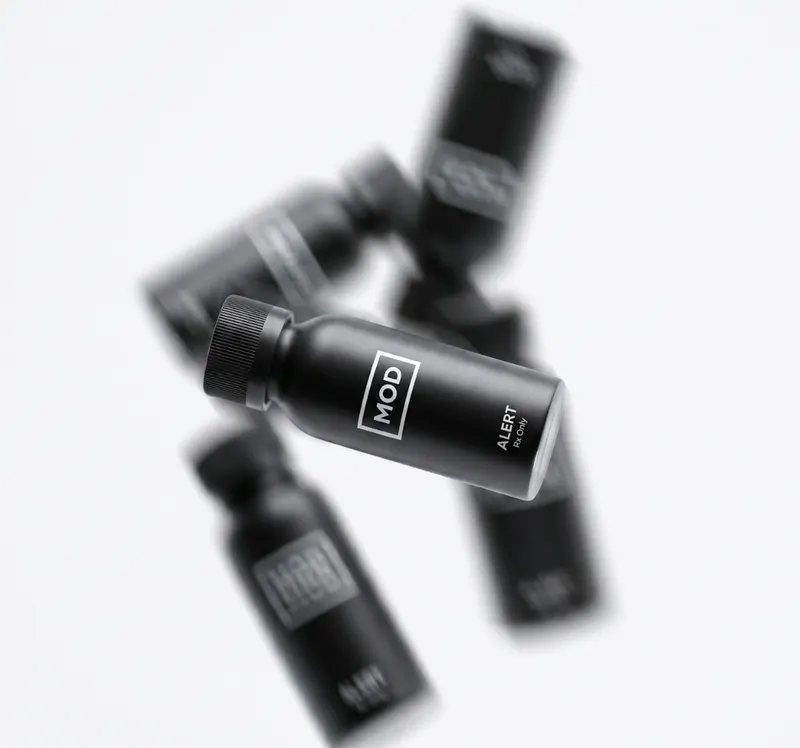
In this context, modafinil is a non-amphetamine wakefulness-promoting agent. MOD offers compounded prescription medications designed for shift workers, including MOD Alert, which contains modafinil and caffeine in a liquid formulation. MOD products are compounded medications, not FDA-approved finished products, and it is important to review potential side effects honestly with your provider.
Potential side effects listed in the FDA label include headache, nausea, nervousness, anxiety, and insomnia.

Frequently Asked Questions
What causes fatigue on night shifts?
Fatigue on night shifts for pilots usually comes from sleep loss, circadian disruption, and workload stacking together across a duty block. Early starts, late finishes, consecutive sectors, and overnight duty can all degrade alertness faster than a schedule suggests on paper.
How can pilots avoid fatigue on night flights?
Pilots usually manage fatigue better on night flights by protecting one repeatable sleep block, using a pre-duty nap, front-loading caffeine, and limiting light after sunrise. The goal is to manage timing before fatigue peaks instead of waiting until the 2 a.m. to 6 a.m. window to react.
What are the warning signs?
Warning signs include heavy eyelids, repeated yawning, missed radio calls, slower checklist flow, irritability, and trouble holding the plan in working memory. If your sharpness is obviously worse than normal, treat that as an operational warning sign rather than background discomfort.
Can a pilot call fatigued under Part 117?
Yes. Under 14 CFR 117.5, a flightcrew member must report fit for duty and must not accept an assignment if too fatigued to operate safely.
How much sleep should a pilot get before a night shift?
There is no single magic number, but pilots should protect a full sleep block and enough rest opportunity to support daytime sleep. Under 14 CFR 117.25, the pre-duty rest period must allow at least 8 uninterrupted hours of sleep opportunity, and many pilots do better when they add a planned pre-duty nap.
This article is provided for informational purposes only and does not constitute medical advice. The information presented is not a substitute for professional medical advice, diagnosis, or treatment. Always consult your healthcare provider to discuss the risks, benefits, and appropriateness of any treatment.
MOD offers access to healthcare providers who may prescribe compounded medications for the treatment of excessive daytime sleepiness associated with shift work sleep disorder (SWSD), when clinically appropriate.
The featured products include compounded medications that have not been approved by the FDA. Compounded medications may be prescribed under federal law but are not the same as, nor are they generic versions of, any FDA-approved medication. The FDA does not review compounded medications for safety, effectiveness, or manufacturing quality of compounded products. A prescription will only be written if deemed appropriate after the digital consultation by the licensed medical provider. Individual results may vary.
MOD is not a compounding pharmacy but a telemedicine service that links patients to licensed medical providers.