Night Shift Truck Driver Survival Guide: 2026 Tips
If you drive through the night, you know fatigue does not always feel dramatic at first. It can look like missed signs, lane drift, "lost miles," or needing more caffeine just to feel normal. A night shift truck driver usually does best with a repeatable system: protect a fixed 7- to 9-hour daytime sleep window, use caffeine early instead of late, and stop when those warning signs start showing up.
The NIOSH sleep guide says lack of sleep makes it harder to meet the demands of driving and increases drowsy-driving crash risk. This guide covers what to do before a run, during the hardest overnight hours, and after the shift ends.
If you want a practical night shift truck driver routine in 2026, keep it simple. Sleep first, plan caffeine, use naps as a safety tool, and treat persistent excessive sleepiness as a medical issue instead of a willpower issue.
Key Takeaways
- Night trucking is hardest from 12 a.m. to 6 a.m., when FMCSA says the body is naturally drowsiest.
- A fixed sleep window usually works better than constantly flipping back to a daytime schedule on days off.
- The best alertness tools are still the basics: enough sleep, early caffeine, light exposure before the run, movement breaks, and a safe nap when warning signs build.
- Random energy-drink stacking can buy one better hour and ruin the next sleep block.
- Persistent exhaustion despite a solid routine can point to sleep apnea or Shift Work Sleep Disorder, not just "bad habits."
Before You Start
Before you try to "tough out" overnights, set up the basics that make every later step work:
- Protect a realistic daytime sleep block on your calendar before the run is booked.
- Pack food, water, sunglasses, and a simple wind-down setup for the morning trip home.
- Decide your caffeine cutoff before the shift starts so you do not sabotage the next sleep block.
- Know where you can stop safely if warning signs build.
- Remember that this guide is about safer routines, not replacing diagnosis. If a night shift truck driver still feels dangerous after cleaning up the basics, it is important to talk to a healthcare provider.
Night Shift Truck Driver Fatigue Facts
- FMCSA says the body is naturally drowsiest from 12 a.m. to 6 a.m. and again from 2 p.m. to 4 p.m.
- The same FMCSA guidance cites crash-causation data showing 13% of CMV drivers were considered fatigued at the time of their crash.
- CDC/NIOSH says being awake for 17 hours impairs performance about as much as a .05 BAC, and 24 hours awake is comparable to .10.
- NIOSH reported that 27% of surveyed long-haul drivers got 6 hours or less of sleep per day, based on 1,670 drivers interviewed at 32 truck stops.
- Cleveland Clinic says Shift Work Sleep Disorder affects 10% to 40% of people working nontraditional shifts.
- A PubMed-indexed study found a conservative obstructive sleep apnea estimate of 21% among the commercial drivers studied.
Step 1: Reset Your Schedule for Nights
Reset by shifting bedtime, wake time, meals, and light exposure together over several days instead of trying to flip everything at once. Move them later in 60- to 90-minute steps. Keep your main meal closer to shift start, and get bright light after waking so your brain gets a cleaner "morning" signal.
A 2022 commercial-driver review linked irregular schedules with restricted or poor-quality sleep, slower reaction time, and higher crash risk. In other words, consistency matters more than perfection. If you are considering night shift truck driver jobs long term, stable nights usually beat constant flipping between day life and night life.
Step 2: Prepare Before the Run
Do not start an overnight run already behind. Before you turn the key:
- Protect a 7- to 9-hour sleep opportunity first.
- Eat before departure instead of relying on truck-stop sugar later.
- Hydrate early and pack lighter foods that will not leave you foggy.
- Check whether any medication you took can increase drowsiness.
- Decide your caffeine cutoff before the route starts.
This is also the go-or-no-go moment. A naturalistic truck-driving study followed 96 drivers over roughly 735,000 miles and 11,049 driving hours. It found that poorer off-duty sleep patterns were linked to worse driving performance. If you are already yawning hard before departure, that matters.
Step 3: Stay Alert Safely During the Shift
The goal is early intervention, not heroic recovery. For most drivers, the safest sequence looks like this:
- Use caffeine in the first half of the shift, not as a last-hour rescue.
- Keep the cab cool and get out to move at stops.
- Save heavy meals for before or after the run, not the middle of the trough.
- Treat lane drift, hard blinking, missed exits, and "lost miles" as stop-now warnings.
- Use a 20- to 30-minute nap instead of stacking more stimulation when warning signs build.
FMCSA's advice is blunt: stop when sleepy. Cool air and louder music can buy a few minutes, but they do not fix sleep pressure.
Step 4: Protect Daytime Sleep Recovery
Daytime sleep has to be treated like scheduled work, not leftover time. Keep the drive home simple, limit morning light with sunglasses if bright light wakes you up, and get to a dark, cool, quiet room fast. Use blackout curtains, an eye mask, ear plugs, and Do Not Disturb. Make sure the people around you understand that your sleep window is protected time.
For a lot of drivers, this is the hardest part. Cleveland Clinic says SWSD can cause insomnia when you try to sleep and excessive sleepiness when you must stay awake. If your schedule allows it, keeping sleep timing relatively stable usually works better than fully flipping back every day off.
Tips for Best Results
- Keep your biggest meal before the shift and use lighter foods overnight.
- Pair caffeine with water and food, not an empty stomach.
- Cut caffeine 6 to 8 hours before your planned sleep window.
- Build the same wind-down routine after each run so your brain gets a consistent signal.
- If you are testing a new night-shift lane or schedule, give it a real 2- to 3-week trial before deciding whether it fits.
Common Mistakes to Avoid
- Saving all your caffeine for the last third of the shift.
- Treating every warning sign as something to push through.
- Sleeping "when you can" instead of defending one protected daytime window.
- Flipping back to a full daytime schedule every weekend.
- Assuming constant exhaustion is just part of the job when it may be sleep apnea or SWSD.
When to Talk to Your Doctor
A night shift truck driver should get help when unsafe sleepiness continues after routine cleanup, especially with snoring, headaches, choking, or near misses. Being tired on nights is common. Feeling unsafe after serious routine cleanup is different.
It is important to get evaluated if you snore loudly, wake up choking, get morning headaches, or stay wrecked after what should have been enough sleep. Those patterns are exactly why sleep apnea screening matters in trucking. It is also important to talk to a healthcare provider if you are relying on escalating caffeine, missing fatigue warning signs, or feeling like every overnight is turning into a near miss.
Support Options for Persistent Night-Shift Fatigue
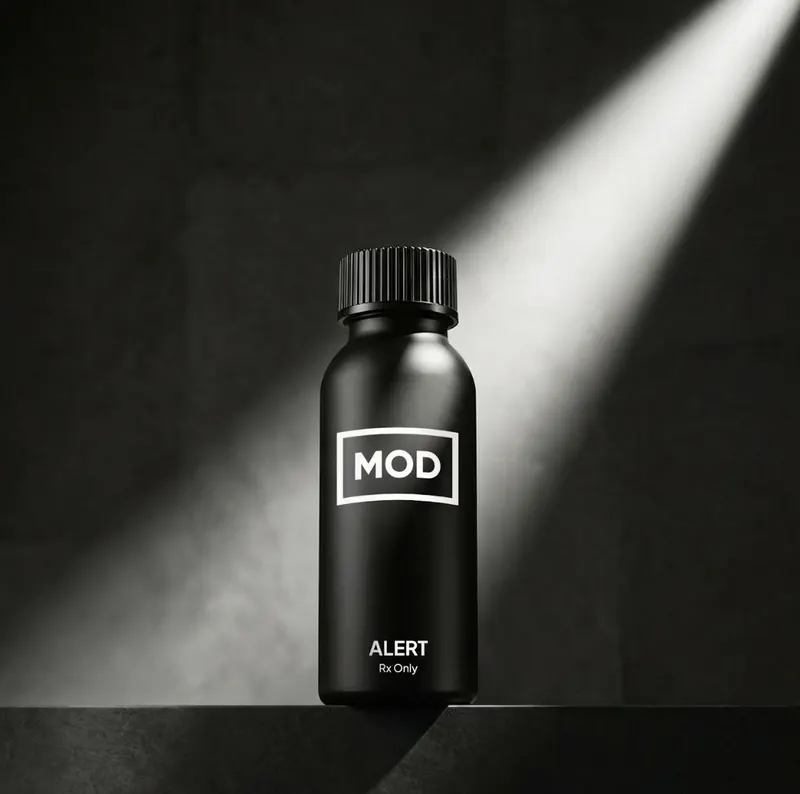
If safer sleep habits, caffeine timing, naps, and recovery routines are not enough, persistent excessive sleepiness may need medical evaluation. For drivers who continue to struggle after cleaning up the basics, MOD offers a provider-reviewed path designed around shift-work fatigue.
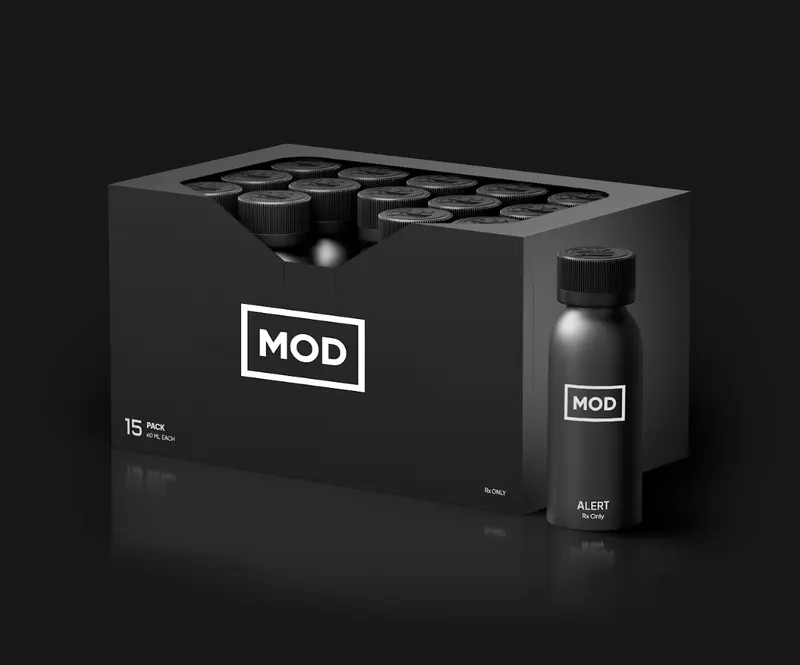
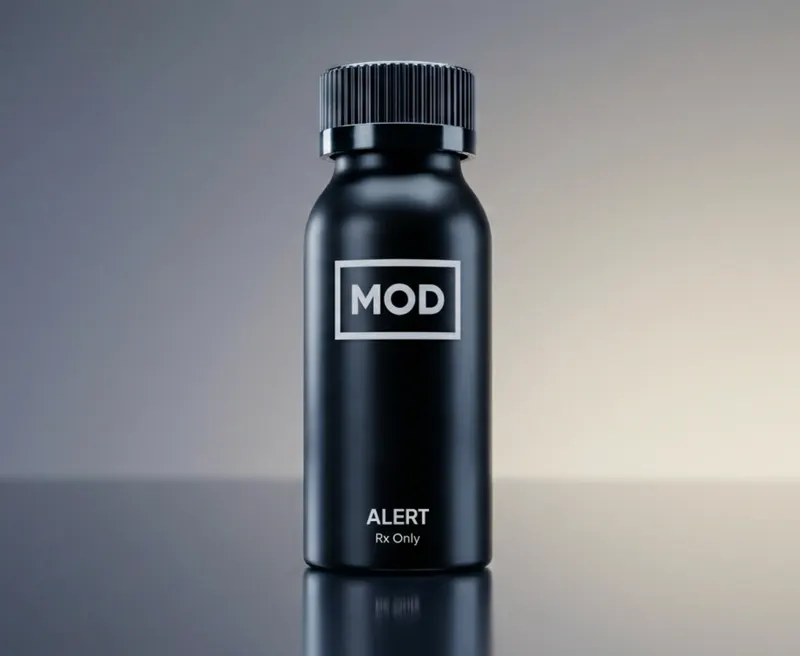
MOD Alert
Access: Online assessment, provider review, direct-to-door shipping if appropriate
Best for: Drivers with persistent excessive sleepiness after lifestyle cleanup
MOD Alert is a compounded liquid medication designed for shift workers who need support with wakefulness, focus, and long-shift alertness.
MOD gets the focus here because it is built around the reality of shift-work fatigue:
- Night-shift drivers often need sustained alertness across long, demanding hours.
- Caffeine alone can be inconsistent, especially when it is used late in the shift or stacked repeatedly.
- Persistent excessive sleepiness can be a medical issue, not just a motivation problem.
- MOD offers an online assessment and provider review, so treatment decisions are made with medical oversight.
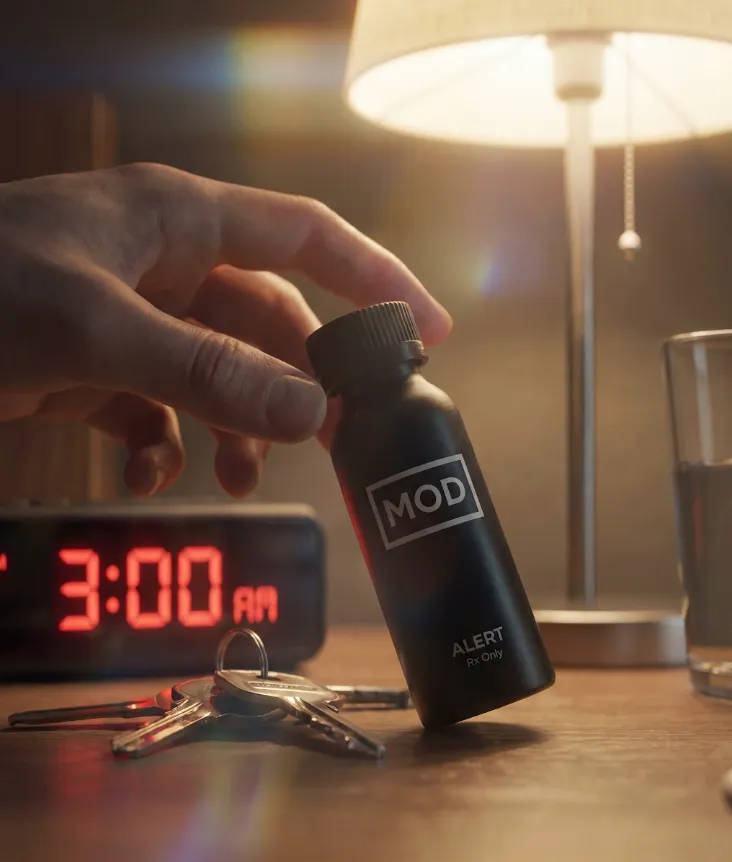
How MOD Fits Into a Night-Shift Routine
MOD is not meant to replace the basics. It belongs after a driver has already worked on:
- Protecting a consistent daytime sleep window
- Using caffeine earlier in the shift instead of close to sleep
- Planning safe rest stops and naps
- Improving the sleep environment after the route
- Getting evaluated when symptoms suggest sleep apnea or Shift Work Sleep Disorder
DailyMed says modafinil is indicated to improve wakefulness in adults with excessive sleepiness associated with shift work disorder. It is a wakefulness-promoting agent, not a cure-all for a poor sleep routine.
MOD products themselves are compounded medications and are not FDA-approved as products.
MOD Alert
Best for: Drivers who mainly need wakefulness and sustained energy support
MOD Alert is designed around a simple formula:
- Modafinil
- Caffeine
- Liquid format for convenient use before a shift
Why drivers may consider it:
- It is built for long-shift alertness.
- It may be a better fit than repeatedly stacking energy drinks.
- It gives drivers a prescription-based option with provider review.
- It is designed for sustained wakefulness rather than a short caffeine spike.
Why MOD May Be a Better Fit Than Generic Options
A generic modafinil or armodafinil route can still work for some drivers, especially if they already have a sleep specialist or primary-care clinician. But MOD may be a more practical fit for shift workers because:
- It is designed specifically around shift-worker fatigue.
- The process starts with an online assessment.
- A provider reviews whether treatment is appropriate.
- If prescribed, treatment ships directly to the door.
- MOD Alert is built around long-shift wakefulness rather than broad wellness support.
What to Keep in Mind
MOD is still a medical option, so it is important to be realistic:
- Not every tired driver is an appropriate medication candidate.
- Medication does not fix untreated sleep apnea, poor sleep timing, or unsafe driving decisions.
- Timing matters because wakefulness-promoting medications may interfere with sleep if taken too late.
- Potential side effects can include headache, nausea, decreased appetite, insomnia, anxiety, and rare serious rash reactions.
- If side effects start or feel severe, contact your healthcare provider promptly and seek urgent care for rash or trouble breathing.
For a night shift truck driver, MOD may be worth considering when the basics are already in place but excessive sleepiness is still affecting safety, focus, and performance.
Final Verdict
- If your biggest problem is inconsistent routine, late caffeine, and poor daytime sleep protection, a night shift truck driver should fix the schedule and recovery system first.
- If you snore, wake up choking, or stay dangerously sleepy even after protecting sleep, ask for a formal evaluation for sleep apnea or Shift Work Sleep Disorder.
- If you have already cleaned up the basics and still need a provider-reviewed wakefulness option built for shift workers, MOD may be worth considering because it is more specialized than a broad telehealth membership and more guided than piecing together a generic route on your own.

Frequently Asked Questions
How do you stay awake at the wheel on overnights?
Drivers stay awake overnight by sleeping enough first, using caffeine early, moving at stops, keeping the cab cool, and taking safe naps. If you keep needing more and more stimulation just to feel barely functional, the bigger problem is usually sleep debt, a bad routine, or a disorder that needs evaluation.
What are the warning signs of truck driver fatigue?
The most important warning signs are lane drift, missed exits or signs, heavy blinking, eye rubbing, nodding off, and not remembering the last few miles. Those signals mean a driver is already beyond "push through it" territory and should stop safely rather than trying to outrun fatigue.
Should truck drivers nap during a night shift?
Usually yes, if warning signs are building and there is a safe place to stop. For a night shift truck driver, a short nap addresses the sleep pressure itself, while another stimulant often covers it briefly and makes the next daytime sleep block harder.
How do truck drivers sleep during the day?
Drivers sleep better during the day when the sleep window is treated like protected work time and light and noise are controlled. Blackout curtains, an eye mask, ear plugs, a cool room, a short post-shift wind-down, and family buy-in are usually more important than any gadget.
When should I ask about sleep apnea or SWSD?
Ask sooner if you snore heavily, wake up choking, get morning headaches, or remain excessively sleepy despite adequate sleep opportunity. Those are the patterns most likely to need more than routine advice.
Learn more about how MOD works →
This article is provided for informational purposes only and does not constitute medical advice. The information presented is not a substitute for professional medical advice, diagnosis, or treatment. Always consult your healthcare provider to discuss the risks, benefits, and appropriateness of any treatment.
MOD offers access to healthcare providers who may prescribe compounded medications for the treatment of excessive daytime sleepiness associated with shift work sleep disorder (SWSD), when clinically appropriate.
The featured products include compounded medications that have not been approved by the FDA. Compounded medications may be prescribed under federal law but are not the same as, nor are they generic versions of, any FDA-approved medication. The FDA does not review compounded medications for safety, effectiveness, or manufacturing quality of compounded products. A prescription will only be written if deemed appropriate after the digital consultation by the licensed medical provider. Individual results may vary.
MOD is not a compounding pharmacy but a telemedicine service that links patients to licensed medical providers.