24 Night Shift Health Statistics: What the Research Shows in 2026
Night shift health statistics show that working a non-standard schedule is associated with a higher cardiovascular mortality risk, 30% higher type 2 diabetes incidence,and 43% higher depression risk. The International Agency for Research on Cancer, the WHO’s cancer agency, classifies night shift work as "probably carcinogenic to humans." About 15–20% of the U.S. workforce works non-standard shifts, making these documented risks a large-scale occupational health concern.
These night shift health statistics are drawn from CDC surveillance data, NIH meta-analyses, peer-reviewed cohort studies, and occupational health research covering every major health domain: sleep, cardiovascular disease, cancer, metabolic disorders, mental health, and workplace safety, with a verified source on every figure.
These aren't scare tactics. They're numbers worth understanding, especially if you're one of the 15 million Americans whose schedule runs counter to the body's natural clock.
Key Takeaways
- Night shift work affects 14–20% of the U.S. workforce, with transportation and healthcare workers at the highest rates
- Nearly 62% of night shift workers report short sleep duration, almost double the rate of day workers
- The International Agency for Research on Cancer classifies night shift work as "probably carcinogenic", based on evidence across multiple cancer types
- Night shift workers face a 30–43% higher risk of depression and other adverse mental health outcomes
- Injury rates during night shifts are 30% higher than during day shifts, driven by fatigue-impaired judgment
- Shift work disorder (SWD) affects 5–10% of shift workers and is often undiagnosed
Why Night Shift Work Is Hard on the Body
Every statistic below traces back to one root cause: circadian disruption. The human body runs on an internal clock governed by light, temperature, and social cues. That clock regulates sleep timing, hormone release, metabolism, immune function, and cell division. Night shift work forces the body to be active when its biology says sleep, and to sleep when every environmental signal says stay awake.
Melatonin production is suppressed by nighttime light exposure. Disrupted melatonin doesn't just impair sleep, it may affect immune surveillance and anti-tumor activity, which helps explain the cancer risk documented below. Disrupted cortisol rhythms affect cardiovascular function. Mis-timed eating degrades insulin sensitivity. These aren't separate problems. They share one root cause.
How Many Americans Work Night Shifts?
1. 14.2% of employed U.S. adults worked overnight hours
A PMC study on overnight work prevalence found that more than 21 million employed adults (14.2%) reported working during overnight hours between 1:00 AM and 5:00 AM. The true scale of late-night employment is larger than most people assume.
2. About 20% of U.S. and European workers are shift workers
Across both regions, approximately 20% of the workforce performs shift work involving hours outside standard daytime windows, according to a Frontiers in Public Health meta-analysis (2025). Non-standard schedules are a global occupational norm, not an outlier.
3. 16% of U.S. wage and salary workers have non-standard schedules
Bureau of Labor Statistics data shows 16% of U.S. wage and salary workers operate on evening, night, or rotating shifts, covering everyone from factory workers to hospital nurses to freight handlers.
Night Shift Sleep Health Statistics
4. 61.8% of night shift workers report short sleep duration
CDC/NIOSH data from the National Health and Nutrition Examination Survey found that 61.8% of night shift workers reported sleeping fewer hours than recommended, compared to 35.9% of day workers. That's nearly double. Sleeping during daylight hours while neighbors mow lawns and the sun streams in isn't easy to maintain.
5. 46.2% of night shift workers have trouble falling asleep
Prolonged sleep-onset latency, taking too long to fall asleep, affects 46.2% of night shift workers, versus 31% of day workers, per the same NIOSH survey. The body's cortisol and melatonin rhythms don't reset overnight just because your schedule did.
6. 30.7% of night shift workers report poor overall sleep quality
Nearly one-third of night shift workers rate their sleep quality as poor, according to NIOSH's analysis. Circadian misalignment, where the biological clock conflicts with the sleep schedule, is the underlying driver.
7. Night shift insomnia rate: 2.2x higher than day workers
NIOSH data shows 18.5% of night shift workers report insomnia, compared to 8.4% of daytime workers, a 2.2x difference. Difficulty staying asleep is a consistent finding, not just difficulty falling asleep.
8. 22.3% of night shift workers experience excessive daytime sleepiness
More than 1 in 5 night shift workers deals with excessive daytime sleepiness, versus 16.2% of day workers, per NIOSH's 2016 bulletin. Excessive daytime sleepiness is a recognized impairment affecting safety and cognitive performance, and it's distinct from just feeling tired.
9. 51.1% of night shift workers have at least one sleep disorder
A 2023 study in Frontiers in Psychiatry found 51.1% of night shift workers reported at least one sleep disorder, with 26.3% reporting two or more concurrent conditions. Comorbid sleep disorders are more common than isolated diagnoses.
10. Night shift nurses: over 50% sleep 6 hours or less daily
NIOSH's work-hour training module for nurses found that more than 50% of night shift healthcare workers sleep 6 or fewer hours per day, below the 7-hour adult minimum the CDC recommends. Among the people responsible for patient care, chronic sleep deprivation is the norm.
Shift Work Disorder: A Recognized Medical Condition
11. Night shift workers have a 14% SWD prevalence
A PLOS One study measuring SWD prevalence found night shift workers had the highest rate at 14%, compared to 8% for rotating shift workers. Fixed night shifts appear to carry a higher SWD burden than rotating schedules, possibly because there's no recovery through occasional daytime alignment.
12. Shift Work Disorder is often underdiagnosed
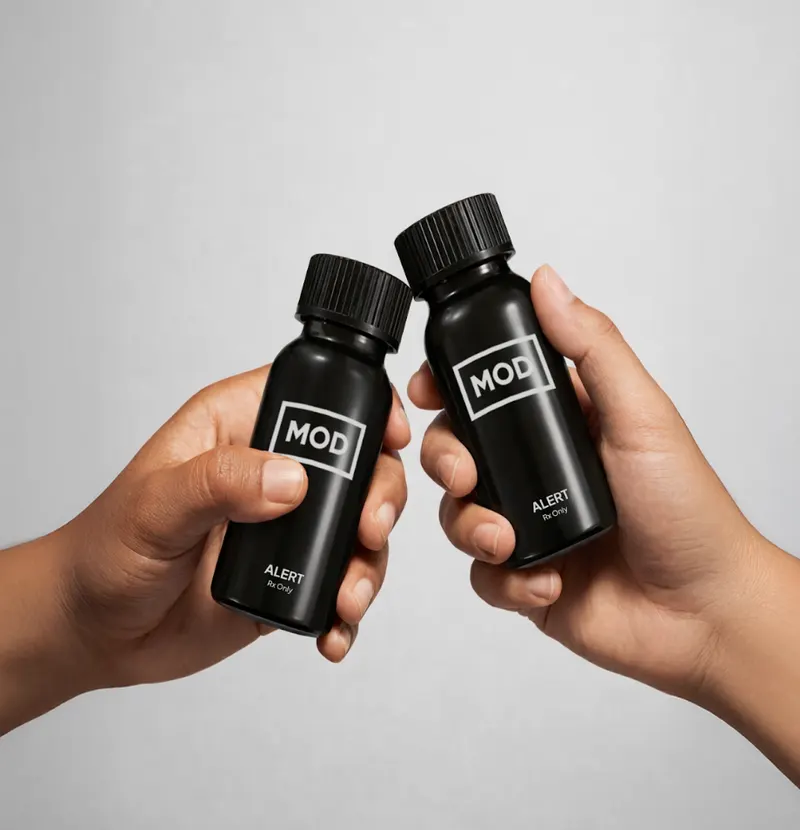
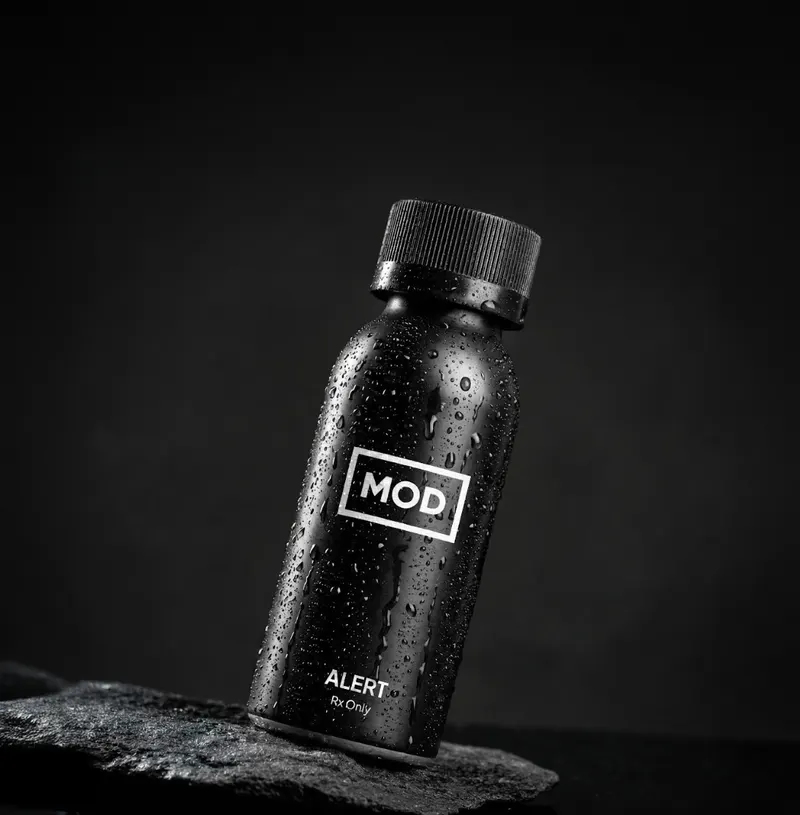
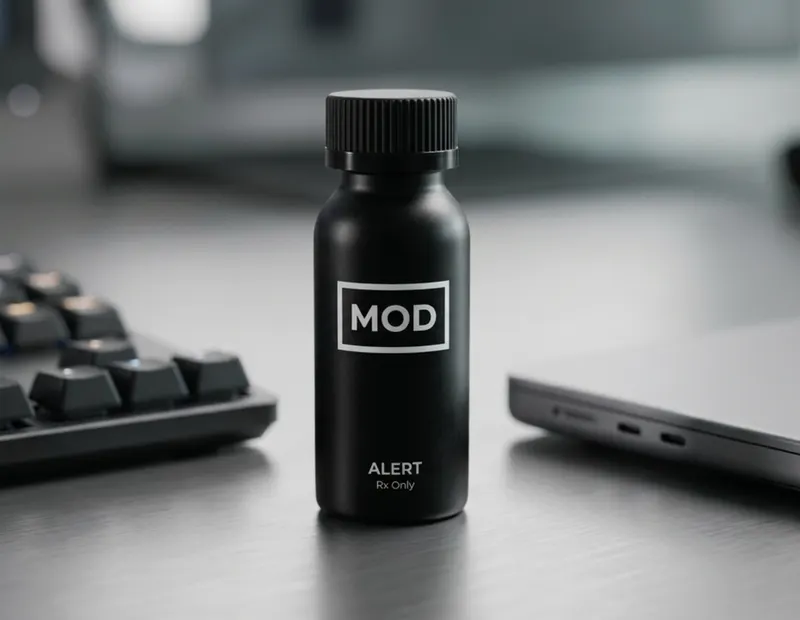
A Journal of Clinical Sleep Medicine perspective emphasizes that SWD remains difficult to recognize among shift workers, which helps explain why the condition is often underdiagnosed. Modafinil, the wakefulness-promoting agent in MOD Alert, is FDA-approved specifically for treating the excessive sleepiness associated with Shift Work Sleep Disorder.
Night Shift Cardiovascular Health Statistics
13. Night shift work raises CVD mortality risk by 25%
A prospective cohort study of 238,661 UK Biobank participants published in the Journal of the American Heart Association found night shift workers had an 11% higher risk of cardiovascular disease events and a 25% higher risk of dying from cardiovascular causes compared to day workers.
14. Each additional 5 years of night shift work increases CVD risk by 7%
The same JAHA study identified a clear dose-response: for every 5 additional years spent on night shifts, cardiovascular disease risk increased by another 7%. This isn't a one-time exposure problem, the risk accumulates year by year.
15. Women on 10+ years of rotating nights: 15–18% higher CHD risk
The Harvard Nurses' Health Study, summarized by Harvard Medical School, found women working rotating night shifts for more than 10 years had a 15–18% higher risk of coronary heart disease than those who never worked nights. Long-term cumulative exposure carries its own risk layer beyond current schedule.
Night Shift Cancer Risk Statistics
16. The IARC classifies night shift work as "probably carcinogenic to humans"
In 2019, the International Agency for Research on Cancer (IARC) classified night shift work as Group 2A, "probably carcinogenic to humans," based on sufficient evidence in animals and limited but notable evidence in humans, particularly for breast, prostate, colon, and rectal cancers. The proposed mechanism involves melatonin suppression from nighttime light exposure.
17. Night shift workers have 15% higher overall cancer odds
A meta-analysis of 57 studies published in PMC found a pooled odds ratio of 1.15 (95% CI: 1.08–1.22) for all cancers combined among night shift workers. The association held across multiple cancer types and geographies.
Night Shift Mental Health Statistics
Sleep deprivation and social isolation are both well-documented predictors of poor mental health outcomes. Night shift workers deal with both, often chronically.
18. Night shift work increases depression risk by 43%
A meta-analysis of 11 observational studies published in PMC found night shift work was associated with a 43% increased risk of depression (OR \= 1.43, 95% CI: 1.24–1.64). Social disconnection from family and friends, combined with disrupted sleep architecture, are both contributing factors.
19. Shift work raises adverse mental health outcomes by 28% overall
A meta-analysis of longitudinal studies in PMC involving 28,431 workers found that shift work increased the combined risk of depression and anxiety by 28% compared to standard schedules. The longitudinal design strengthens the causal inference here.
20. Female shift workers face 73% higher odds of depressive symptoms
The same longitudinal meta-analysis found a notable gender gap: female shift workers had 73% higher odds of depressive symptoms (OR \= 1.73, 95% CI: 1.39–2.14) compared to female day workers. The reasons for this gender difference are not fully established and may involve a mix of biological, social, and occupational factors.
Night Shift Work and Mortality Statistics
21. Women on rotating nights for 5+ years: up to 11% higher early death risk
The Nurses' Health Study, a 22-year follow-up of registered nurses, found that women who worked rotating night shifts for five or more years had an 11% higher risk of all-cause mortality compared to nurses who never worked rotating night shifts. All-cause mortality was driven primarily by cardiovascular disease, lung cancer, and colon cancer.
22. Mortality risk rises 15% after more than 5 years of night shift work
A PMC study on night work and mortality found a hazard ratio of 1.07 for people who ever worked nights, rising to 1.15 for those with more than 5 years of night shift exposure. The dose-response relationship confirms that risk compounds with every additional year on nights, not just at a fixed threshold.
Night Shift Workplace Safety Statistics
Fatigue doesn't just feel bad, it impairs judgment, reaction time, and decision-making in measurable ways. The accident data reflects this directly.
23. Injury rates during night shifts are 30% higher than day shifts
Data show injury rates are 18% higher during evening shifts and 30% higher during night shifts compared to day shifts. Night shift injuries span equipment operation, patient handling, driving, and industrial tasks.
24. In some sectors, shift workers face nearly 3x accident risk
NIOSH occupational safety training data reports that in some industries, shift workers face nearly three times the occupational accident risk of day workers. Chronic sleep deprivation's cumulative impact on alertness is the primary mechanism.
What This Means for Night Shift Workers
The night shift health statistics tell a consistent story: working nights puts the body in direct conflict with its own biological clock, and that conflict has measurable consequences across sleep, cardiovascular health, metabolism, mental health, lifespan, and workplace safety. None of this is inevitable, but it's worth taking seriously.
A few things worth taking away:
- These risks are cumulative, not fixed. The dose-response data are clear: the longer you work nights, the higher the risk. That means addressing sleep deprivation and circadian misalignment early matters; waiting until symptoms are severe isn't a strategy.
- Shift Work Sleep Disorder is diagnosable and treatable. If you're experiencing persistent insomnia or excessive sleepiness tied to your schedule, it may be more than ordinary fatigue. SWSD has evidence-backed treatment options, including behavioral approaches and prescription wakefulness agents.
- Modafinil is FDA-approved for SWSD. The modafinil in MOD Alert has an indication specifically for the excessive sleepiness caused by Shift Work Sleep Disorder, one of the few conditions where prescription support has a strong evidence base.
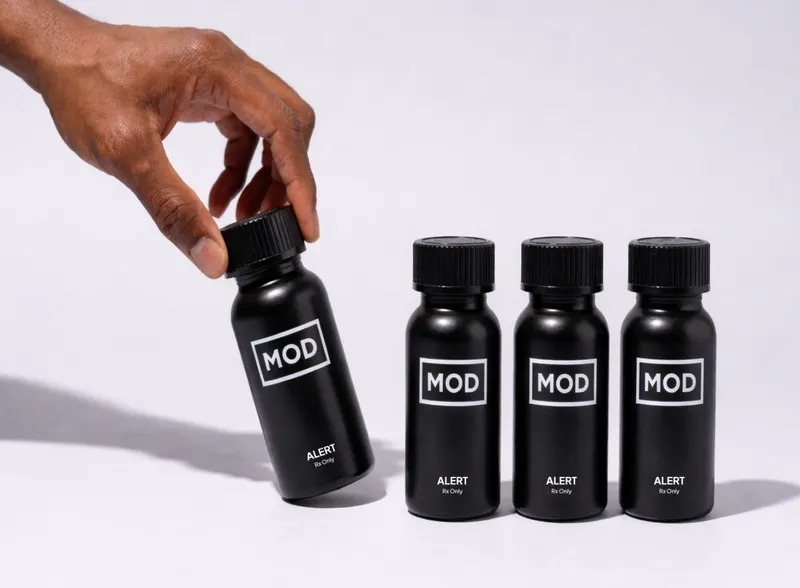
If you're a night shift worker dealing with on-the-job fatigue and wondering whether prescription-strength support is right for your situation, the process is simple: complete a short online intake, a licensed provider reviews your information, and MOD ships directly to your door.
FAQ's
What percentage of the U.S. workforce works night shifts?
Approximately 15–16% of U.S. wage and salary workers operate on non-standard schedules including night, evening, or rotating shifts, according to Bureau of Labor Statistics data. NIOSH estimates about 15 million full-time U.S. workers, roughly 15% of the workforce, work outside the standard 7 AM–6 PM window. Transportation workers have the highest night shift prevalence at 69.7%, followed by healthcare workers at 52.3%.
What are the long-term effects of working night shift?
Long-term night shift work compounds health risk in a dose-dependent way, the longer the exposure, the greater the harm. After 5 or more years on night shifts, all-cause mortality risk rises by 11–15%, per long-term cohort data. Cardiovascular risk increases by 7% for every additional 5 years of night work. Metabolic markers, including insulin sensitivity, blood pressure, and BMI, can worsen with years of circadian misalignment, and cancer risk may accumulate through chronic circadian disruption.
What are the most serious health risks of working night shifts?
The most significant documented risks include cardiovascular disease (up to 25% higher mortality risk), type 2 diabetes (30% higher incidence), depression (43% higher risk), and cancer (the IARC classifies night shift work as "probably carcinogenic"). These risks are associated with chronic circadian disruption, not individual shifts, and accumulate over years of exposure.
How much sleep do night shift workers actually get?
CDC data shows 61.8% of night shift workers report short sleep duration, and more than 50% of night shift healthcare workers sleep 6 hours or less per day, below the 7-hour adult minimum. Sleep quality is also worse: 30.7% rate their sleep quality as poor, and 18.5% meet criteria for insomnia.
What is shift work disorder, and how common is it?
Shift Work Disorder (SWD) is a circadian rhythm sleep disorder characterized by insomnia and/or excessive sleepiness that directly result from a shift work schedule. It affects 5–10% of shift workers, with night shift workers showing the highest prevalence at around 14%. Many cases go undiagnosed because the symptoms look identical to ordinary fatigue.
Does night shift work cause cancer?
The IARC, the WHO’s cancer agency, classified night shift work as Group 2A, "probably carcinogenic to humans," in 2019. A meta-analysis of 57 studies found a 15% higher overall cancer risk among night shift workers. Proposed mechanisms include melatonin suppression from nighttime light exposure and disrupted circadian regulation of cell division and immune function.
Is night shift work bad for your heart?
The evidence is consistent: night shift workers have an 11% higher risk of cardiovascular disease events and a 25% higher CVD mortality risk. The relationship is dose-dependent, each additional 5 years of night shift work increases cardiovascular risk by 7%. Women with 10 or more years of rotating night shifts face a 15–18% higher coronary heart disease risk.
Does working nights shorten your life?
Long-term cohort data says yes, and the risk compounds with exposure. The Nurses' Health Study found women working rotating night shifts for 5 or more years had up to an 11% higher risk of early death. A separate PMC analysis puts total mortality risk at a hazard ratio of 1.07 for anyone who ever worked nights, rising to 1.15 for those with more than 5 years on nights. Managing SWSD and reducing cumulative sleep deprivation are the most evidence-supported ways to reduce this risk.
What can night shift workers do to protect their health?
Evidence-backed strategies include optimizing sleep timing and environment (blackout curtains, consistent sleep scheduling), strategic light exposure management, regular physical activity, and dietary timing aligned with circadian biology. For workers experiencing diagnosed or suspected Shift Work Sleep Disorder, it's important to consult a healthcare provider, there are prescription wakefulness agents with FDA approval specifically for SWSD-related excessive sleepiness.
This article is provided for informational purposes only and does not constitute medical advice. The information presented is not a substitute for professional medical advice, diagnosis, or treatment. Always consult your healthcare provider to discuss the risks, benefits, and appropriateness of any treatment.
MOD offers access to healthcare providers who may prescribe compounded medications for the treatment of excessive daytime sleepiness associated with shift work sleep disorder (SWSD), when clinically appropriate.
The featured products include compounded medications that have not been approved by the FDA. Compounded medications may be prescribed under federal law but are not the same as, nor are they generic versions of, any FDA-approved medication. The FDA does not review compounded medications for safety, effectiveness, or manufacturing quality of compounded products. A prescription will only be written if deemed appropriate after the digital consultation by the licensed medical provider. Individual results may vary.