MOD Alert vs Provigil: Which Is Better for Shift Work in 2026

MOD Alert vs Provigil is a practical comparison for shift workers who need help staying awake during non-standard work hours. Both options center on modafinil, but they are not the same product.
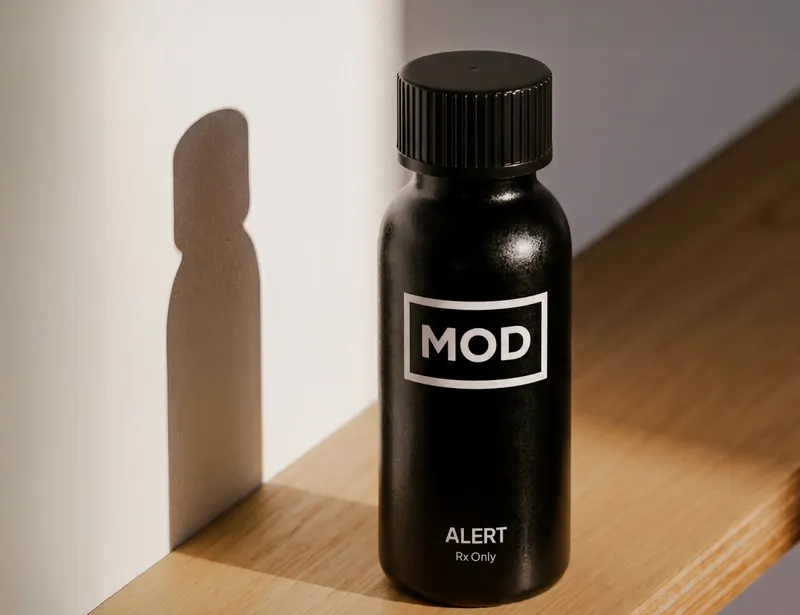
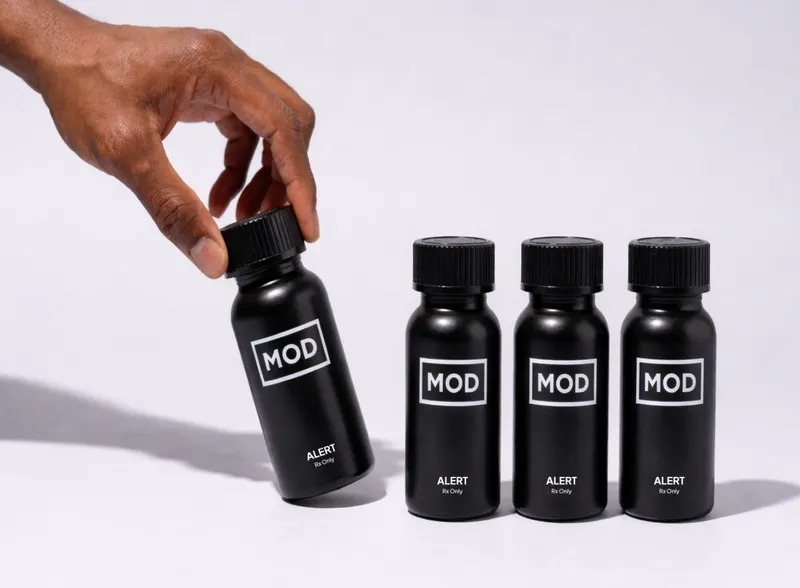
MOD Alert is a compounded prescription liquid medication from MOD that combines 150 mg modafinil with 60 mg caffeine in a single drink. It is designed for shift workers who want a portable liquid option, home delivery, and a care model built around irregular schedules. Provigil is the brand-name modafinil tablet. It is an FDA-approved finished drug product used to improve wakefulness in adults with excessive sleepiness associated with narcolepsy, obstructive sleep apnea, and Shift Work Disorder.
Bottom Line: MOD Alert may be a better fit for shift workers who want a compounded liquid medication with modafinil, caffeine, telehealth access, and home delivery. Provigil may be a better fit for patients who want the brand-name FDA-approved tablet with the longest finished-product clinical history. For many people, the real-world comparison is MOD Alert versus generic modafinil, because generic tablets usually offer the lowest-cost route to the same active modafinil medication.
Key Takeaways
- MOD Alert is a compounded prescription liquid medication that contains 150 mg modafinil plus 60 mg of caffeine in one portable drink.
- Provigil is the brand-name modafinil tablet and is FDA-approved as a finished drug product for excessive sleepiness associated with Shift Work Disorder, narcolepsy, and obstructive sleep apnea.
- MOD Alert is not FDA-approved as a finished product, but modafinil, one of its active ingredients, is FDA-approved for Shift Work Disorder.
- MOD Alert is built around convenience: liquid dosing, caffeine included, telehealth access, and home delivery through MOD.
- Provigil and generic modafinil tablets have the strongest published finished-product clinical history for Shift Work Disorder.
- MOD Alert may fit shift workers who want a combined liquid option, while generic modafinil may fit patients who prioritize lower pharmacy pricing.
Why Shift Workers Compare MOD Alert and Provigil
Shift workers usually compare MOD Alert and Provigil because both involve modafinil, a wakefulness-promoting medication used for excessive sleepiness from Shift Work Disorder.
The difference is product experience.
Provigil is a standard tablet. It contains modafinil only, comes in tablet strengths such as 100 mg and 200 mg, and is usually filled through a pharmacy. Generic modafinil tablets are often available at a lower cost than the brand-name version.
MOD Alert is different. It is a compounded liquid medication that combines 150 mg modafinil with caffeine in one drink. The product is designed for shift workers who may not want a standard pill, may prefer a ready-to-use liquid, and may value home delivery instead of coordinating pharmacy pickups around night shifts.
That is the central comparison: MOD Alert is a product built around shift-work convenience, while Provigil is the traditional brand-name modafinil tablet.
Quick Overview
MOD Alert is a compounded prescription-strength liquid medication from MOD. Each bottle contains 150 mg modafinil plus 60 mg caffeine. It is designed for patients with shift-work-related excessive sleepiness who want a liquid medication rather than a traditional tablet. MOD Alert is not FDA-approved as a finished product. Modafinil, one of its active ingredients, is FDA-approved to improve wakefulness in adults with excessive sleepiness associated with Shift Work Disorder.
Provigil is the brand-name version of modafinil. It is an FDA-approved tablet used to improve wakefulness in adults with excessive sleepiness associated with Shift Work Disorder, narcolepsy, and obstructive sleep apnea. Generic modafinil tablets contain the same active ingredient as Provigil and are often less expensive than the brand-name product.
Both MOD Alert and Provigil require a prescription. Both involve modafinil, which is a Schedule IV controlled substance.
MOD Alert vs Provigil: Key Differences
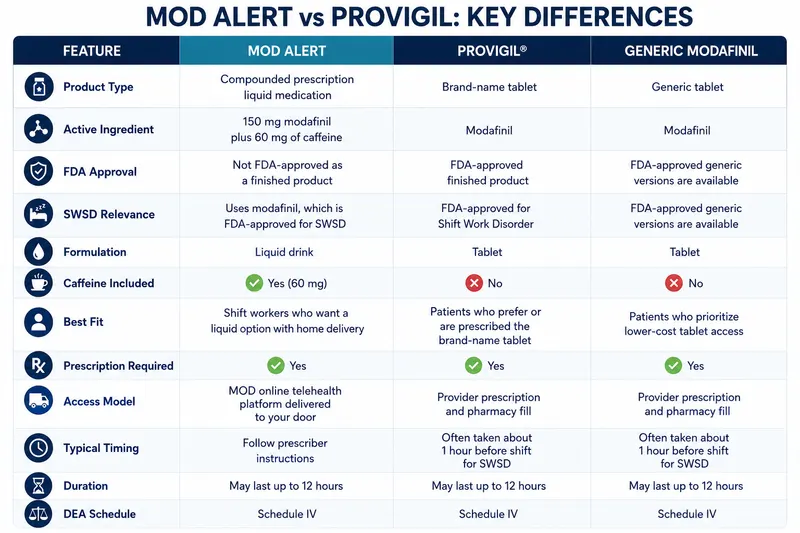
Provigil wins on finished-product FDA approval, standard pharmacy access, and the longest published tablet-based clinical history. MOD Alert wins on product convenience, liquid formulation, included caffeine, and a care model designed for shift workers.
What Makes MOD Alert Different From Provigil?
MOD Alert is not just “liquid Provigil.” It is a compounded MOD product that combines modafinil and caffeine in a single prescription drink.
That matters for shift workers because the problem is often not only the medication itself. The challenge is fitting treatment into a schedule that may include nights, rotating shifts, short sleep windows, and limited time for appointments or pharmacy trips.
MOD Alert is designed around those practical barriers. The liquid format means there is no pill to swallow and no need for water. The bottle is portable, and the product combines modafinil with caffeine rather than requiring a separate coffee, energy drink, or caffeine tablet.
Provigil, by contrast, is a single-ingredient modafinil tablet. It may be the better fit for patients who want a traditional FDA-approved finished drug product, have insurance coverage, or already work with a sleep specialist or primary care provider.
Effectiveness for Shift Work Sleepiness
Provigil has direct clinical-trial data for Shift Work Disorder as a finished tablet product. In a 12-week randomized controlled trial, 200 mg modafinil improved clinical symptoms compared with placebo in adults with Shift Work Disorder, though residual sleepiness remained.
MOD Alert contains 150 mg modafinil plus caffeine. Because MOD Alert is a compounded liquid medication, the article should not claim that it has the same direct clinical-trial evidence as Provigil tablets. The more accurate comparison is that MOD Alert uses modafinil, the same wakefulness-promoting medication class, in a different product format with caffeine added.
That distinction is important. Modafinil may improve wakefulness, but it does not replace sleep, cure circadian disruption, or remove every safety risk from night work. For shift workers, medication should be part of a broader plan that includes protected sleep, light management, caffeine timing, and safer commute habits.
MOD Alert’s Liquid Formula
One of MOD Alert’s clearest product differences is its liquid formulation.
MOD Alert is designed as a compounded prescription drink rather than a tablet. For people who dislike swallowing pills or want something easier to take before a shift, that format may be more convenient. The liquid formulation may also allow for potentially quicker absorption compared with traditional pills.
Provigil and generic modafinil are tablets. They may be simple and familiar, but they do not offer the same liquid format or included caffeine component.
MOD Alert and Caffeine
MOD Alert includes 60 mg of caffeine alongside 150 mg modafinil. This is part of the product’s positioning for shift workers who want sustained wakefulness support without relying only on coffee or traditional energy drinks.
Modafinil and caffeine work through different wakefulness pathways. Modafinil influences several neurotransmitter systems involved in alertness and wakefulness. Caffeine blocks adenosine receptors, which can reduce the feeling of tiredness.
Because both can promote alertness, patients should be careful about adding extra caffeine from coffee, energy drinks, or pre-workout products. Combining additional stimulants may increase the chance of jitteriness, anxiety, faster heartbeat, or difficulty sleeping, especially if taken too close to the planned sleep window.
Pricing and Access Comparison
Cost and access are major reasons shift workers compare MOD Alert, Provigil, and generic modafinil.
- MOD Alert is available through MOD’s online platform and home delivery. For shift workers who have trouble scheduling traditional visits or pharmacy pickups, that convenience may be part of the value.
- Provigil is the brand-name modafinil tablet. It can be expensive without insurance, and pricing depends on coverage, pharmacy, tablet strength, coupons, and location.
- Generic modafinil is usually the lower-cost tablet option. For patients whose main goal is the lowest price for modafinil, generic tablets are often the more practical comparison point than brand-name Provigil.
For patients evaluating total cost, it is worth comparing more than the medication price alone. MOD Alert includes a product and access model built around convenience, while tablets may involve separate appointments, pharmacy fills, insurance steps, and pickup logistics.
MOD Alert Advantages
MOD Alert may be a stronger fit if convenience is a major part of the decision.
It combines 150 mg modafinil and 60 mg caffeine in one compounded liquid medication. That means the product is designed to support wakefulness without requiring a separate caffeine product. It may also be easier for people who dislike tablets or want a more portable option before a shift.
The home-delivery model may also matter for night shift workers. If your schedule makes daytime appointments and pharmacy trips difficult, MOD Alert may fit more naturally into your routine.
MOD Alert is also designed specifically for shift-work wakefulness support. That does not mean it has the same FDA approval status as Provigil, but it does make the product experience more tailored to the real-world access problems many shift workers face.
Provigil and Generic Modafinil Advantages
Provigil may be a stronger fit if finished-product FDA approval, standardized tablet dosing, and established clinical history are top priorities.
Provigil and generic modafinil tablets also make sense for patients who already have a sleep specialist, primary care provider, or prescriber managing their treatment. If insurance covers generic modafinil, tablets may also be less expensive than brand-name Provigil or subscription-based care models.
For many patients, generic modafinil is the main tablet alternative to MOD Alert. It offers the same active modafinil medication in a standard tablet format, usually at a lower cost than brand-name Provigil.
Potential Side Effects Comparison
Both MOD Alert and Provigil rely on modafinil as the primary wakefulness-promoting medication, so their potential side effects overlap. Provigil has a more documented finished-product safety profile because it is an FDA-approved tablet with extensive labeling and post-market data. MOD Alert includes caffeine, which adds another consideration for people who are sensitive to stimulants.
- Potential side effects of modafinil may include headache, nausea, decreased appetite, anxiety, insomnia, dizziness, diarrhea, and runny nose. Rare but serious reactions may include serious rash, allergic reactions, psychiatric symptoms, and cardiovascular symptoms such as chest pain or palpitations.
- Caffeine in MOD Alert may add the possibility of jitteriness, anxiety, faster heartbeat, or trouble sleeping, especially if combined with coffee, energy drinks, or other stimulants.
- Drug interactions are also important. Modafinil may reduce the effectiveness of hormonal contraceptives and can interact with certain medications. Patients should share all medications, supplements, and health conditions with their prescriber before using MOD Alert, Provigil, or generic modafinil.
Who Should Consider MOD Alert?
MOD Alert may fit shift workers who want a liquid medication that combines modafinil and caffeine in one product. It may also fit people who value home delivery, prefer a telehealth care pathway, or want an option designed around shift-work wakefulness support.
It may be especially relevant for night shift workers who struggle with sustained alertness across long shifts and want a more convenient alternative to standard tablets.
As with any prescription medication, the right choice depends on provider review, diagnosis, medical history, side-effect risk, current medications, and timing needs.
Who Should Consider Provigil or Generic Modafinil?
Provigil or generic modafinil may fit patients who prioritize FDA-approved finished drug products, standardized tablet dosing, and pharmacy availability.
Generic modafinil may be the better choice for patients whose main concern is cost. It may also make sense if you already have a provider managing your treatment, your insurance covers generic modafinil, or you prefer to fill prescriptions at your usual pharmacy.
Brand-name Provigil may make sense for patients whose provider specifically prefers the branded tablet or whose insurance coverage makes it affordable.
Final Verdict
There is no single best option for every shift worker.
For convenience, liquid formulation, included caffeine, telehealth access, and home delivery, MOD Alert may be the stronger fit. It is designed around the real-world problems shift workers often face, including irregular schedules, long shifts, and limited time for traditional care logistics.
For finished-product FDA approval, the longest published clinical record, and lower-cost generic access, generic modafinil is usually the more practical tablet option. Brand-name Provigil may make sense for patients with insurance coverage or a provider preference for the branded product.
For any change in wakefulness medication, it is important to discuss timing, potential side effects, cost, treatment goals, and sleep schedule with a licensed medical provider.
Explore MOD Alert
Long shifts, demanding schedules, and busy lives require reliable support.
MOD makes it easy to get prescription wakefulness support completely online.
Complete a medical intake, connect with a licensed healthcare provider, and find out whether MOD Alert may be appropriate for you.
No waiting rooms. No pharmacy lines. Just convenient, modern care designed for busy adults.
Frequently Asked Questions
Is MOD Alert FDA-approved?
MOD Alert is not FDA-approved as a finished product. It is a compounded liquid medication that contains 150 mg modafinil plus caffeine. Modafinil, one of its active ingredients, is FDA-approved to improve wakefulness in adults with excessive sleepiness associated with Shift Work Disorder, narcolepsy, and obstructive sleep apnea.
Is Provigil better than MOD Alert?
Provigil may be better if you want an FDA-approved brand-name tablet with the longest finished-product clinical history. MOD Alert may be better if you want a compounded liquid medication with caffeine, home delivery, and a care model designed around shift-work routines. The better fit depends on cost, access, medical history, provider guidance, and schedule needs.
How long does MOD Alert last?
MOD Alert is designed to provide long-lasting wakefulness support, and the effects of its modafinil component may last 12 to 15 hours. Timing matters because taking wakefulness-promoting medication too late may interfere with recovery sleep after a shift. Patients should follow their prescriber’s instructions for when to take it.
Can MOD Alert cause side effects?
Yes. Potential side effects may include headache, nausea, decreased appetite, anxiety, insomnia, dizziness, diarrhea, and runny nose. Rare but serious reactions may include serious rash, allergic reactions, psychiatric symptoms, or cardiovascular symptoms. MOD Alert also contains caffeine, which may cause jitteriness or sleep disruption in sensitive people.
Is generic modafinil cheaper than MOD Alert?
Generic modafinil is often the lowest-cost option, especially when insurance or pharmacy discount programs apply. MOD Alert uses a telehealth and home-delivery model, so the comparison is not only tablet price versus drink price. Patients should compare total cost, convenience, access, provider support, and whether a compounded liquid formula fits their routine.
This article is provided for informational purposes only and does not constitute medical advice. The information presented is not a substitute for professional medical advice, diagnosis, or treatment. Always consult your healthcare provider to discuss the risks, benefits, and appropriateness of any treatment.
MOD offers access to healthcare providers who may prescribe compounded medications for the treatment of excessive daytime sleepiness associated with shift work sleep disorder (SWSD), when clinically appropriate.
The featured products include compounded medications that have not been approved by the FDA. Compounded medications may be prescribed under federal law but are not the same as, nor are they generic versions of, any FDA-approved medication. The FDA does not review compounded medications for safety, effectiveness, or manufacturing quality of compounded products. A prescription will only be written if deemed appropriate after the digital consultation by the licensed medical provider. Individual results may vary.
MOD is not a compounding pharmacy but a telemedicine service that links patients to licensed medical providers.