How to Stay Focused During a 12-Hour Shift

Whether you're a nurse working a busy hospital floor, a physician covering overnight call, a first responder, a pilot, or someone managing long workdays, staying focused for 12 hours straight can be challenging.
The first few hours are usually manageable.
The real challenge often begins later in the shift when mental fatigue starts building, concentration becomes more difficult, and simple tasks require more effort than they did earlier in the day.
Research shows that prolonged wakefulness can impair cognitive performance in ways comparable to alcohol intoxication, which helps explain why staying mentally sharp during long shifts can feel increasingly difficult as the day progresses.
The good news is that there are science-backed strategies that can help support alertness, concentration, and productivity throughout even the most demanding workdays.
Key Takeaways
- Sleep is one of the biggest predictors of cognitive performance during long shifts.
- Hydration, nutrition, and movement can help support alertness throughout the day.
- Research shows modafinil may support attention, executive function, working memory, and vigilance.
- MOD Alert combines modafinil and caffeine to support wakefulness and productivity during demanding schedules.
- The most effective strategy often combines healthy habits with evidence-based performance support.
Why Focus Declines During Long Shifts
Mental performance isn't designed to remain at peak levels indefinitely.
As a shift progresses, several factors can contribute to cognitive fatigue, including:
- Sleep loss
- Stress
- Dehydration
- Decision fatigue
- Extended wakefulness
- Long periods of sustained attention
Research shows that sleep deprivation can negatively affect reaction time, working memory, decision-making, and attention.
For professionals working 12-hour shifts, these effects can accumulate throughout the day.
1. Prioritize Sleep Before Your Shift
The most effective way to improve focus during a long shift starts before your shift begins.
The CDC recommends that most adults get at least seven hours of sleep per night to support overall health and cognitive performance.
Research shows that even modest sleep restriction can impair alertness, memory, concentration, and reaction time.
If you know a demanding shift is coming, protecting your sleep the night before can significantly impact your performance the next day.
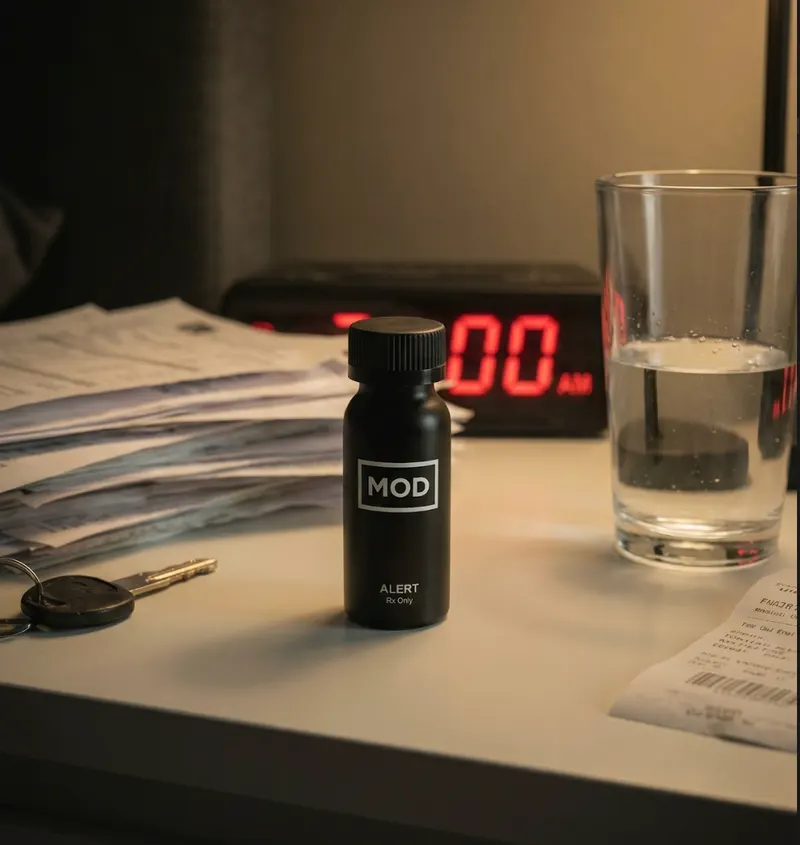
2. Stay Hydrated
Hydration plays an important role in cognitive performance.
Research suggests that even mild dehydration may affect attention, memory, mood, and overall mental performance.
During long shifts, it's easy to overlook hydration, especially in fast-paced work environments.
Keeping a water bottle nearby and drinking consistently throughout the day can help support cognitive function.
3. Fuel Your Brain Properly
What you eat during a shift can influence how you feel hours later.
It has been shown that balanced meals containing protein, fiber, healthy fats, and minimally processed carbohydrates may help support more stable energy levels throughout the day.
For many professionals, smaller meals and snacks throughout a shift may feel more sustainable than relying on one large meal.
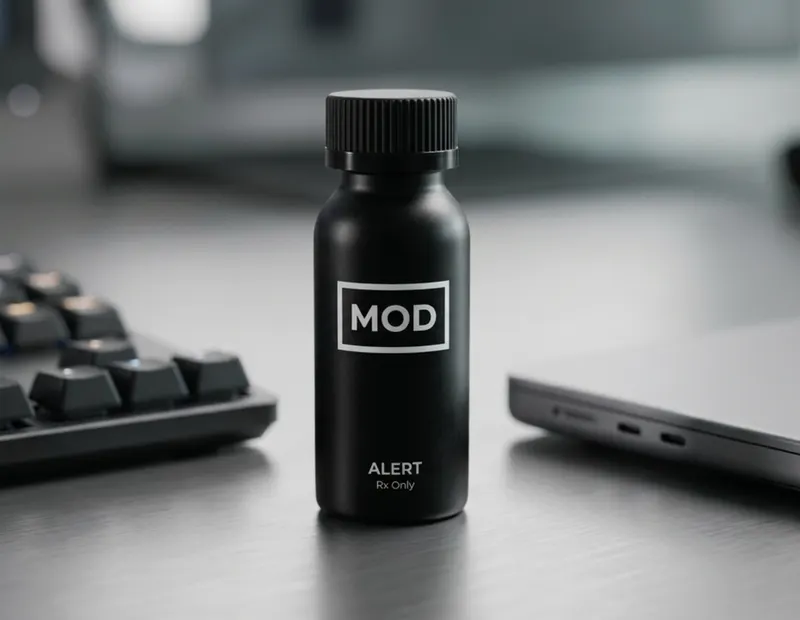
4. Consider Cognitive Performance Support Like MOD Alert
Even when sleep, hydration, and nutrition are optimized, some professionals still struggle with maintaining focus during demanding schedules.
This is one reason the prescription medication modafinil has attracted significant scientific interest.
Originally developed to promote wakefulness, modafinil has been extensively studied in shift workers, military personnel, healthcare professionals, and sleep-deprived individuals.
Research shows that modafinil may support attention, executive function, working memory, and cognitive performance, particularly during periods of fatigue or sleep deprivation.
Additional research found that modafinil improved performance on higher cognitive tasks, including working memory, planning, decision-making, and flexible attention.
Research involving sleep-deprived physicians found that modafinil improved certain aspects of cognitive function and subjectively improved participants’ ability to attend post-night-shift educational sessions.
Modafinil is FDA-approved to improve wakefulness in adults with excessive sleepiness associated with narcolepsy, obstructive sleep apnea, and shift work sleep disorder.
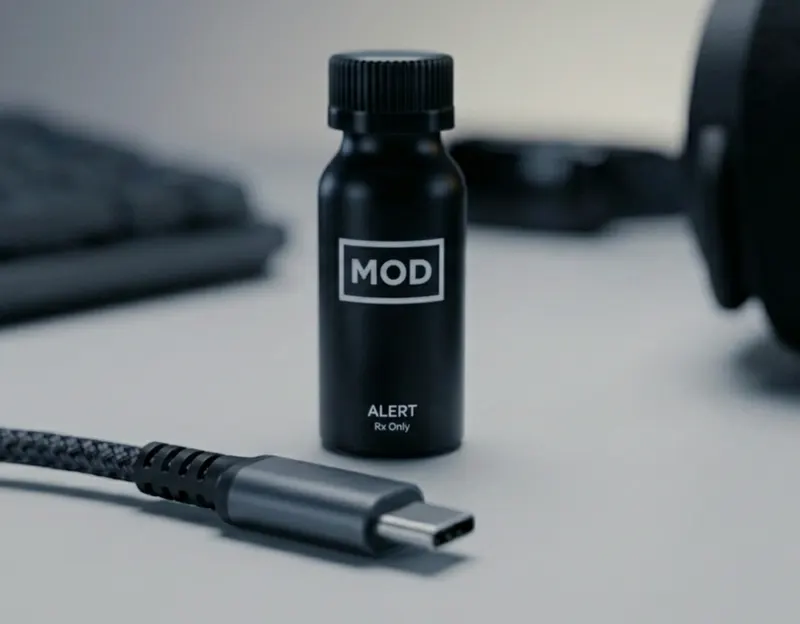
MOD Alert combines modafinil and caffeine to support wakefulness, alertness, and productivity during demanding schedules.
For professionals facing long shifts, overnight work, or periods of sustained mental effort, MOD Alert may provide an additional layer of support alongside healthy lifestyle habits.
5. Move Throughout the Day
Long periods of sitting can contribute to mental fatigue.
Research shows that physical activity may improve cognitive function, including executive function and memory, across a wide range of adult populations.
Even a few minutes of movement can help break up prolonged periods of sitting and provide a mental reset.
Try:
- Taking a short walk
- Climbing stairs
- Stretching
- Standing periodically throughout the day
For professionals working long shifts, these brief movement breaks can be an easy way to support alertness and maintain focus.
6. Use Caffeine Strategically
Caffeine remains one of the most widely used tools for supporting alertness.
Research shows that caffeine may improve vigilance, attention, reaction time, and alertness in many individuals.
Using caffeine strategically during periods of highest demand may be more beneficial than continuously increasing intake throughout the day.
7. Reduce Decision Fatigue
Every decision you make throughout the day requires mental energy.
One way to preserve focus during a long shift is to reduce the number of unnecessary decisions your brain has to make.
Simple strategies include:
- Creating routines
- Meal prepping
- Using checklists
- Planning ahead
- Reducing distractions
The fewer small decisions you have to make throughout the day, the more mental bandwidth remains available for the tasks that matter most.
Final Thoughts
Staying focused during a 12-hour shift requires more than willpower alone.
Research consistently shows that sleep, hydration, nutrition, movement, and cognitive support all play important roles in maintaining mental performance during demanding workdays.
For professionals who regularly face long shifts, overnight schedules, or mentally demanding work, MOD Alert offers a science-backed approach to supporting wakefulness, alertness, and productivity when performance matters most.
Because when your schedule demands your best, your cognitive performance should be ready to meet the challenge.
Frequently Asked Questions
How can I stay focused during a 12-hour shift?
The most effective approach usually combines several strategies, including getting adequate sleep, staying hydrated, eating balanced meals, taking movement breaks, and managing caffeine intake strategically. Some professionals may also discuss prescription wakefulness-support options with their healthcare provider if excessive sleepiness becomes a recurring challenge.
Why is it harder to focus toward the end of a long shift?
Mental fatigue tends to build throughout the day. Factors such as prolonged wakefulness, decision fatigue, dehydration, stress, and sleep loss can all contribute to reduced attention, slower reaction times, and decreased cognitive performance as a shift progresses.
Does sleep deprivation affect work performance?
Yes. Research shows that sleep deprivation can negatively affect attention, working memory, decision-making, reaction time, and overall cognitive function. Even modest reductions in sleep may impact performance during demanding workdays.
What foods help support focus during a long shift?
Meals that include protein, fiber, healthy fats, and minimally processed carbohydrates may help support more stable energy levels throughout the day. Many people find that smaller meals and snacks are easier to manage during long shifts than one large meal.
Can dehydration affect concentration?
Yes. Research suggests that even mild dehydration may affect attention, memory, mood, and cognitive performance. Consistently drinking water throughout the day may help support mental function and alertness.
Does exercise help improve focus?
Physical activity has been associated with improvements in cognitive function, including attention, executive function, and memory. Even brief movement breaks such as walking, stretching, or climbing stairs may help reduce mental fatigue during long workdays.
How does modafinil help support wakefulness?
Modafinil is a wakefulness-promoting medication that works through multiple neurotransmitter systems involved in alertness and attention. Research suggests it may support vigilance, executive function, working memory, and cognitive performance, particularly during periods of fatigue or sleep deprivation.
Who may be eligible for MOD Alert?
MOD Alert is intended for adults who may qualify through a licensed healthcare provider's evaluation. Eligibility depends on an individual's medical history, symptoms, and provider assessment. Not everyone is an appropriate candidate for modafinil-containing treatment.
Is MOD Alert FDA-approved?
MOD Alert is a compounded medication and is not FDA-approved. However, modafinil, one of its active ingredients, is FDA-approved to improve wakefulness in adults with excessive sleepiness associated with shift work sleep disorder.
Can MOD Alert replace healthy sleep habits?
No. MOD Alert is not a substitute for adequate sleep. The best approach to maintaining focus and productivity during long shifts includes prioritizing sleep, hydration, nutrition, physical activity, and other healthy lifestyle habits whenever possible.
This article is provided for informational purposes only and does not constitute medical advice. The information presented is not a substitute for professional medical advice, diagnosis, or treatment. Always consult your healthcare provider to discuss the risks, benefits, and appropriateness of any treatment.
MOD offers access to healthcare providers who may prescribe compounded medications for the treatment of excessive daytime sleepiness associated with shift work sleep disorder (SWSD), when clinically appropriate.
The featured products include compounded medications that have not been approved by the FDA. Compounded medications may be prescribed under federal law but are not the same as, nor are they generic versions of, any FDA-approved medication. The FDA does not review compounded medications for safety, effectiveness, or manufacturing quality of compounded products. A prescription will only be written if deemed appropriate after the digital consultation by the licensed medical provider. Individual results may vary.