How to Stay Awake During Night Shift
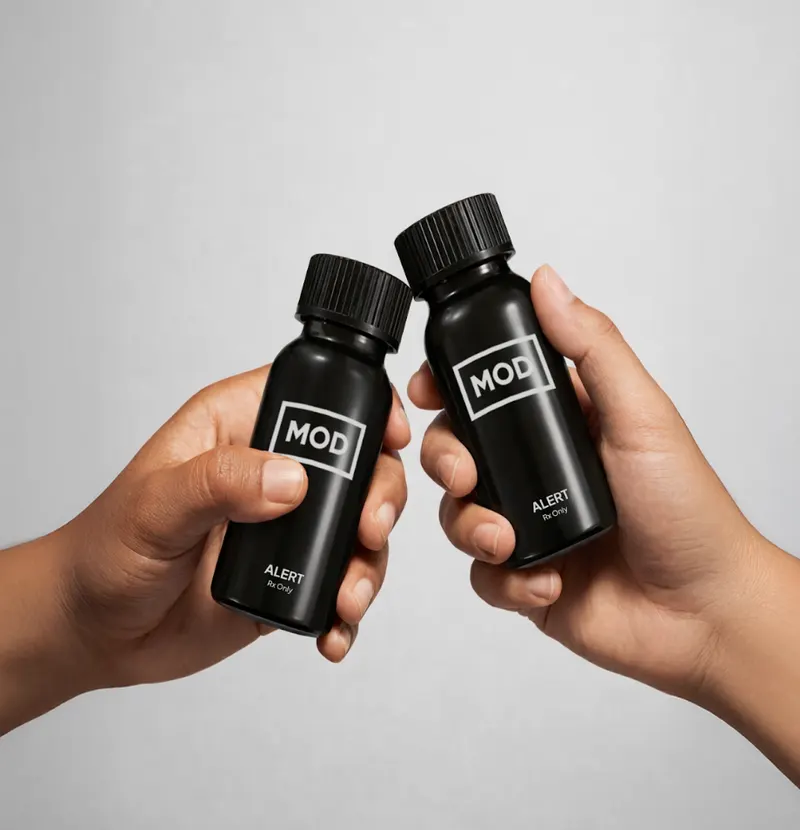
Working nights can feel like fighting your own biology. While the rest of the world sleeps, you’re expected to stay sharp, productive, and alert—sometimes in high-pressure environments where mistakes matter.
Whether you work in healthcare, emergency services, transportation, hospitality, security, or another overnight role, staying awake during night shift often takes more than “just power through it.”
The good news: there are evidence-based ways to improve alertness, reduce fatigue, and make overnight work more manageable.
Key Takeaways
- Night shifts disrupt your natural circadian rhythm, which can make fatigue feel intense.
- Strategic caffeine, movement, hydration, and light exposure can help improve alertness.
- Sleep quality before and after shift matters just as much as what you do during the shift.
- Some people explore prescription wakefulness support through licensed healthcare providers.
- If fatigue feels extreme or unsafe, it may be time to talk with a medical professional.
Why Night Shift Feels So Hard
Humans are biologically wired to sleep at night. Your internal clock—called the circadian rhythm—helps regulate sleep, body temperature, hormones, and alertness.
During overnight hours, your brain naturally wants to slow down. This is why many night workers experience:
- Heavy eyelids
- Brain fog
- Slower reaction time
- Trouble concentrating
- Low motivation
- Mood changes
Research shows that overnight workers often experience reduced alertness and slower reaction times during the biological nighttime, especially between 2 a.m. and 6 a.m.
Best Ways to Stay Awake During Night Shift
1. Nap Before Your Shift
A short nap before work can reduce sleep pressure and help you start the night stronger.
Try:
- 20–30 minute power nap before leaving
- 90-minute full sleep cycle nap if time allows
- Avoid oversleeping into grogginess
Even a modest nap can improve alertness later.
Research suggests planned naps before or during overnight work may improve alertness and performance.
2. Use Caffeine Strategically
Caffeine may improve vigilance, reaction time, and wakefulness when used wisely.
Best practices:
- Use caffeine early in the shift rather than near the end
- Smaller doses spaced out may work better than one giant energy drink
- Avoid excessive intake that causes jitters or anxiety
- Stop caffeine several hours before planned sleep
Good options:
- Coffee
- Tea
- Low-sugar energy drinks
- Caffeine tablets (used carefully)
Studies have found that caffeine can improve alertness, vigilance, and reaction time in sleep-deprived individuals.
3. Bright Light Helps Signal Wakefulness
Light strongly influences your circadian rhythm.
During shift:
- Keep work areas brightly lit if possible
- Step into brighter areas during breaks
- Use overhead light instead of dim environments
After shift:
- Wear sunglasses during the morning commute if daylight makes daytime sleep harder.
Research suggests that timed bright light exposure during night work may improve alertness and help shift circadian rhythms.
4. Move Your Body Often
Sitting still can accelerate fatigue.
Try mini-reset breaks:
- Brisk hallway walk
- Stair climb
- Light stretching
- Squats
- Shoulder rolls
Even 2–5 minutes of movement can help reset alertness.
5. Eat Smart Overnight
Heavy, greasy meals can worsen sluggishness.
Better night shift choices:
- Greek yogurt
- Protein shakes
- Turkey wrap
- Eggs
- Fruit
- Nuts
- Rice + chicken
- Oatmeal
- Cottage cheese
Aim for smaller meals and steady protein rather than huge carb crashes.
6. Stay Hydrated
Mild dehydration can worsen fatigue, headaches, and concentration issues.
Keep water nearby and sip consistently throughout the shift.
7. Use Breaks Wisely
Scrolling your phone in a dark break room may not refresh you much.
Instead try:
- Quick walk
- Light snack
- Water refill
- Brief stretching
- Fresh air
- Bright light exposure
8. Protect Your Sleep After Shift
Night shift success starts outside work.
When you get home:
- Keep the bedroom cool and dark
- Use blackout curtains
- White noise machine or fan
- Silence notifications
- Keep sleep schedule as consistent as possible
Shift-worker sleep hygiene guidelines emphasize controlling light, noise, temperature, and consistency whenever possible.
What About Supplements?
Some people use:
- Caffeine + L-theanine
- Creatine
- Electrolytes
- B vitamins (if deficient)
Supplements are not magic fixes, but some workers find them helpful. Some reviews suggest certain supplements may modestly improve sleep quality or daytime function in shift workers, though evidence is mixed.
Prescription Wakefulness Support
If fatigue is significantly affecting work performance, concentration, or quality of life, some people choose to speak with a licensed healthcare provider about prescription wakefulness support.
Depending on your medical history and symptoms, providers may evaluate for issues such as:
- Shift Work Sleep Disorder
- Sleep deprivation
- Obstructive sleep apnea
- Circadian rhythm disruption
- Other medical causes of fatigue
Modafinil and armodafinil have been studied and approved in certain contexts to improve wakefulness in adults with excessive sleepiness associated with Shift Work Sleep Disorder.
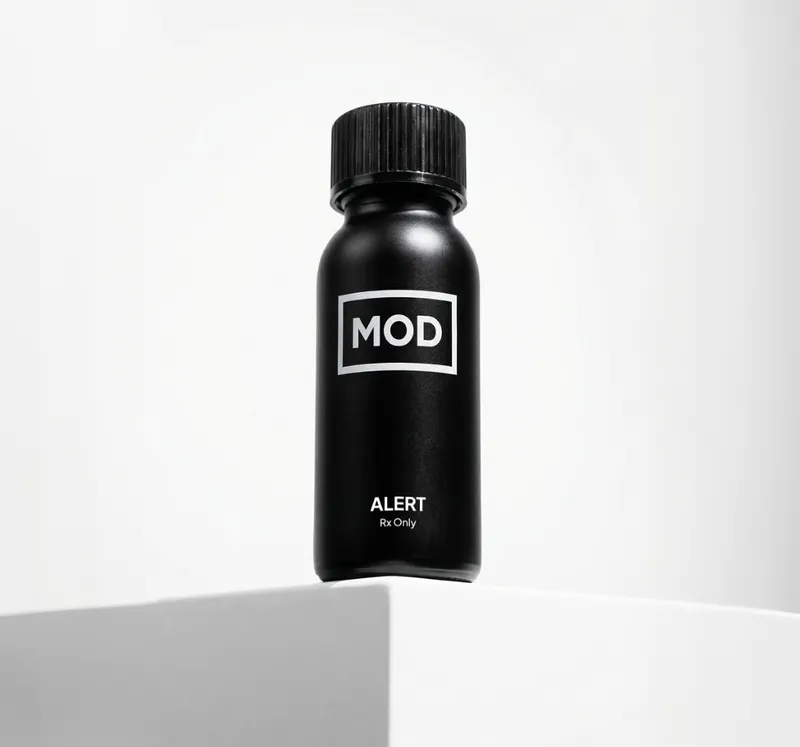
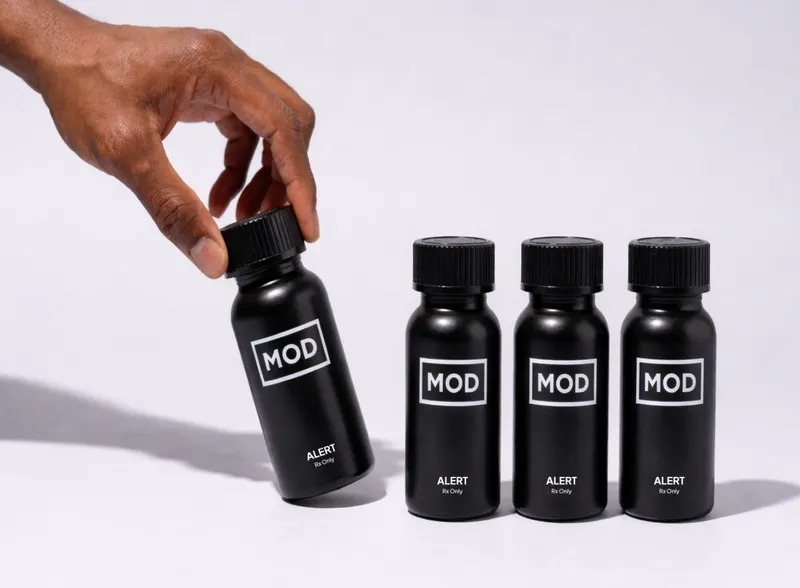
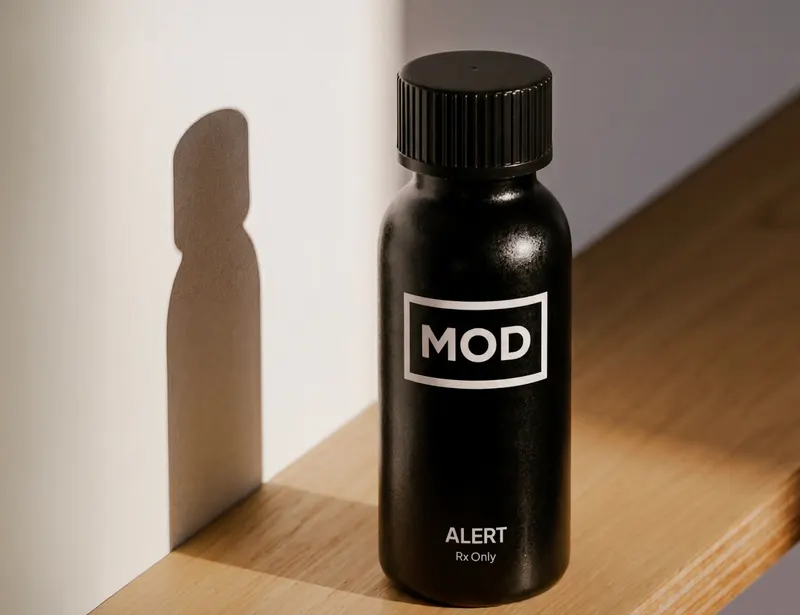
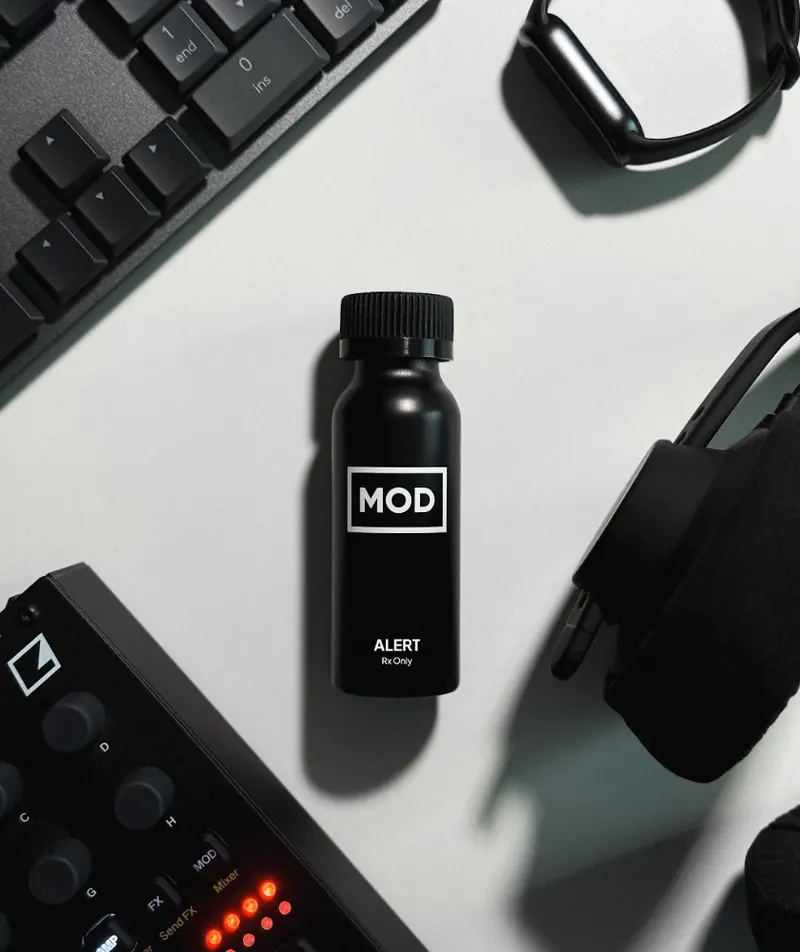
MOD offers a convenient telehealth option for adults interested in exploring wakefulness support. Complete a quick online intake, connect with a licensed provider, and see whether treatment may be appropriate for your needs.
Signs You Need More Than “Tips”
Sometimes, persistent fatigue is more than just “being tired.” It may be a sign of an underlying sleep, medical, or circadian issue that deserves professional evaluation.
Talk with a healthcare professional if you have:
- Falling asleep unintentionally
- Near-miss accidents while driving
- Severe brain fog
- Inability to function during shifts
- Loud snoring or possible sleep apnea
- Constant exhaustion even on days off
- Mood decline from shift work
Final Thoughts
Learning how to stay awake during night shift is partly about discipline—but mostly about strategy.
You are working against biology, so the answer usually isn’t “try harder.” It’s better sleep planning, smarter caffeine timing, movement, light exposure, nutrition, and recovery.
If you still feel drained despite doing everything right, medical support may be worth exploring.
Explore MOD Alert
Long shifts, demanding schedules, and busy lives require reliable support.
MOD makes it easy to get prescription wakefulness support completely online.
Complete a medical intake, connect with a licensed healthcare provider, and find out whether MOD Alert may be appropriate for you.
No waiting rooms. No pharmacy lines. Just convenient, modern care designed for busy adults.
FAQs
Why do I get so sleepy at 3 a.m.?
This often reflects your natural circadian low point, when the body is biologically primed for sleep.
Is coffee enough for night shift?
Sometimes yes—but many people need a full strategy including sleep, light, movement, and nutrition.
Should I eat during night shift?
Usually yes. Smaller balanced meals often work better than one heavy meal.
How can I sleep after night shift?
Use blackout curtains, a cool room, noise control, and avoid caffeine late in the shift.
What is Shift Work Sleep Disorder?
It’s a circadian-related sleep disorder involving insomnia and/or excessive sleepiness tied to a recurring work schedule that overlaps normal sleep time.
This article is provided for informational purposes only and does not constitute medical advice. The information presented is not a substitute for professional medical advice, diagnosis, or treatment. Always consult your healthcare provider to discuss the risks, benefits, and appropriateness of any treatment.
MOD offers access to healthcare providers who may prescribe compounded medications for the treatment of excessive daytime sleepiness associated with shift work sleep disorder (SWSD), when clinically appropriate.
The featured products include compounded medications that have not been approved by the FDA. Compounded medications may be prescribed under federal law but are not the same as, nor are they generic versions of, any FDA-approved medication. The FDA does not review compounded medications for safety, effectiveness, or manufacturing quality of compounded products. A prescription will only be written if deemed appropriate after the digital consultation by the licensed medical provider. Individual results may vary.