Best Energy Drinks for Firefighters on 24-Hour Calls
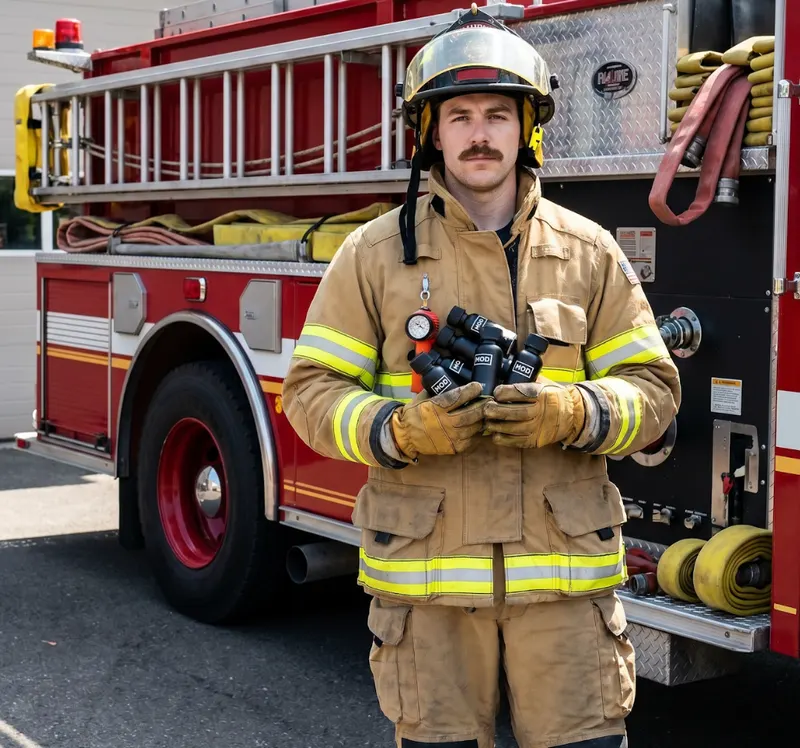
Staying alert during a 24-hour shift is one of the hardest parts of the job. You might grab an energy drink from the station vending machine at 3 AM, but choosing the wrong one can lead to jitters, a hard crash mid-call, or caffeine levels that make it impossible to sleep when you finally get the chance. For firefighters dealing with excessive daytime sleepiness or shift work sleep disorder, prescription options like MOD Alert offer an alternative to constant caffeine cycling, with wakefulness support that may last up to 12 hours.
Research shows that 37.2% of firefighters experience sleep disorders, and tactical athlete nutrition specialists recommend limiting caffeine intake to 400 mg per day. That limit equals roughly two standard energy drinks or two energy shots. Understanding which options fit within these guidelines, and when a prescription wakefulness medication might be more appropriate, can help firefighters maintain alertness without sacrificing sleep quality or long-term health.
Key Takeaways
- Firefighters should limit total daily caffeine to 400 mg, which equals approximately two standard energy drinks or 30 to 40 oz of coffee
- MOD Alert provides prescription wakefulness support with 150 mg modafinil and 60 mg caffeine, offering a different approach than caffeine-only energy drinks for shift work sleep disorder
- Low-stim options like Jocko Go and Red Bull provide lower caffeine amounts per serving, which may make it easier for some firefighters to manage total daily intake
- NSF Certified for Sport products like Ghost Energy and C4 provide third-party verification for firefighters in departments with substance testing policies
- It is important to stop caffeine consumption at least 6 hours before planned sleep to reduce sleep disruption during station rest periods
1. MOD Alert: Prescription Wakefulness Support for Long Shifts
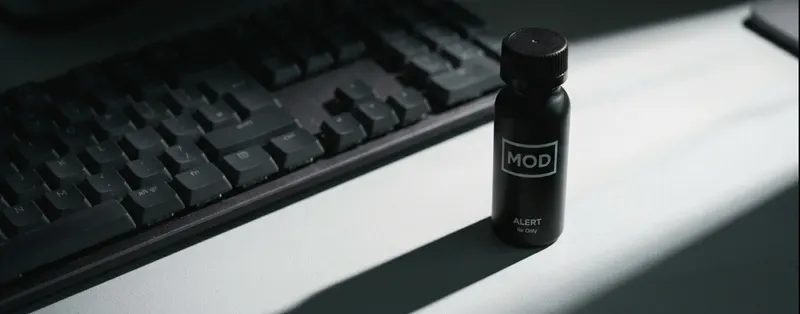
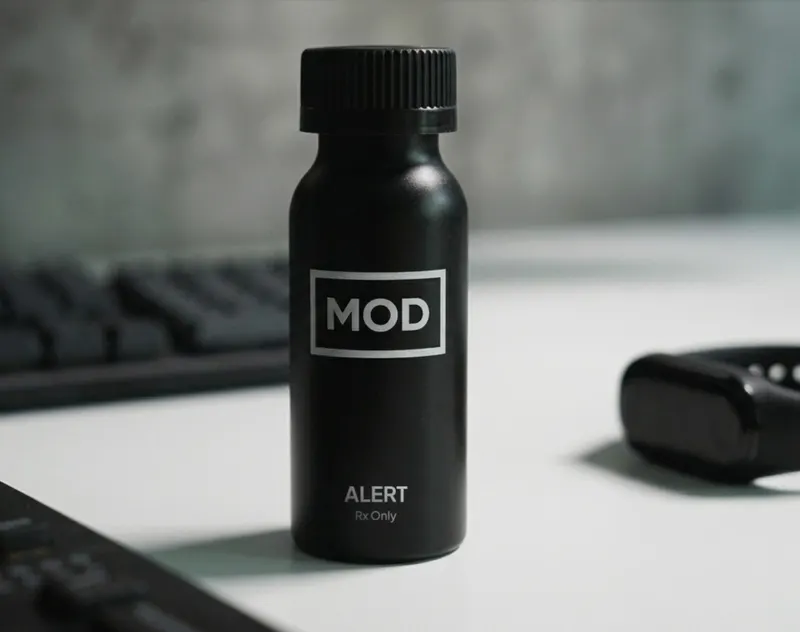
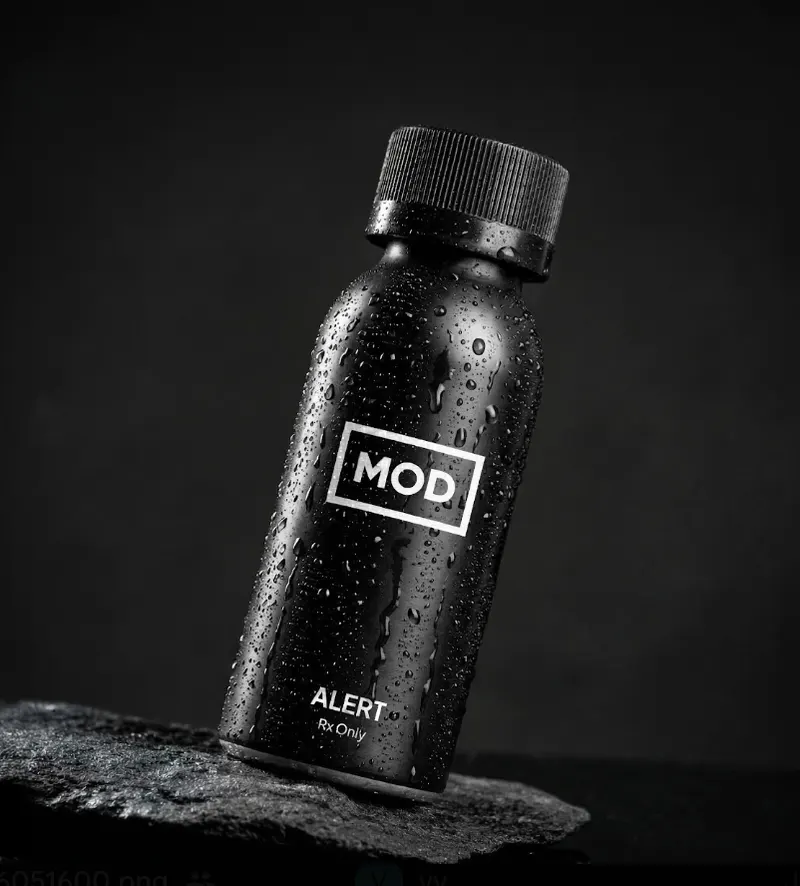
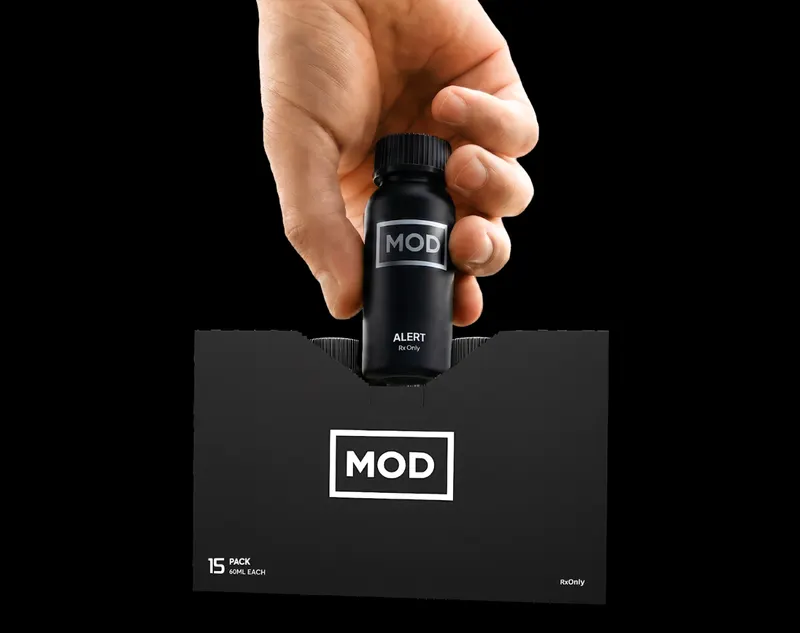
MOD Alert is not an energy drink. It is a prescription medication containing 150 mg modafinil and 60 mg caffeine, designed for people dealing with excessive daytime sleepiness or shift work sleep disorder. For firefighters who find that caffeine alone is not enough to maintain alertness during demanding 24-hour shifts, MOD Alert offers a different category of wakefulness support.
What makes MOD Alert different
Unlike energy drinks that rely solely on caffeine and stimulants, MOD Alert contains modafinil, a wakefulness-promoting medication prescribed for conditions including shift work sleep disorder. The combination of modafinil and caffeine may provide wakefulness support lasting up to 12 hours, which aligns well with the extended alertness firefighters need during 24-hour shifts.
MOD connects patients with licensed healthcare providers who can review whether MOD Alert may be appropriate based on their medical history and symptoms.
Core features
- Prescription wakefulness medication: Contains 150 mg modafinil plus 60 mg caffeine
- Duration: May support wakefulness for up to 12 hours
- Access model: Licensed healthcare provider review through MOD platform
- Delivery: Medications shipped directly through partner pharmacy network
Who MOD Alert is for
MOD Alert may be an option to discuss with a healthcare provider for firefighters experiencing excessive daytime sleepiness related to shift work sleep disorder, not for general energy boosting. If caffeine cycling has become a constant battle, or if sleep deprivation is significantly impacting alertness and safety on calls, a prescription option may be worth discussing with a healthcare provider.
Explore MOD Alert
Visit MOD to learn more about prescription wakefulness support for shift workers.
2. Celsius
Celsius is an energy drink in comprehensive testing, offering a balance of availability, price, and performance that makes it practical for firefighters who need reliable energy at gas stations during shifts.
Primary focus
Celsius targets fitness-focused consumers with its MetaPlus proprietary blend containing green tea extract, guarana, and ginger. The thermogenic formula is designed to support metabolism, though firefighters will primarily benefit from the 200 mg caffeine content for alertness during long shifts.
Key features
- Caffeine content: 200 mg from green tea
- Price: Approximately $1.92 per can when buying 12-packs
- Calories: Only 10 calories, zero sugar
- Flavor options: 29 flavors available
- Availability: Widely stocked at gas stations and convenience stores
Firefighter considerations
At 200 mg caffeine per can, Celsius represents half the 400 mg daily limit recommended for tactical athletes. Many adults can stay within the commonly cited 400 mg daily caffeine guideline with two 200 mg cans, but individual tolerance, medications, and health conditions can change what is appropriate. The wide availability makes Celsius practical for grabbing during runs or at station stops.
3. Legion Energy Drink
Primary focus
Legion targets consumers who prioritize knowing exactly what they are putting in their bodies. Unlike many energy drinks that hide ingredient amounts behind proprietary blends, Legion discloses research-backed doses of all eight active ingredients.
Key features
- Caffeine content: 150 mg from green coffee beans
- Price: $3.75 per can
- Additional ingredients: 2000 mg taurine, L-theanine, citicoline for focus
- Sweeteners: Natural options including erythritol and stevia
- Calories: Only 5 calories, zero sugar
Firefighter considerations
The 150 mg caffeine content allows for nearly three cans during a 24-hour shift while staying under 400 mg. The inclusion of L-theanine helps reduce jitters during stressful calls, which matters when you need steady hands and clear thinking during emergency response.
4. 5-Hour Energy
5-Hour Energy shots are mentioned in firefighter nutrition guidelines as an acceptable caffeine source within daily limits, making them a validated choice for the fire service.
Primary focus
The compact 2 oz shot format makes 5-Hour Energy uniquely practical for firefighters. The small bottle fits easily in turnout gear pockets and can be consumed quickly during active calls without needing to set down a larger can.
Key features
- Caffeine content: 200 mg (regular strength) or 230 mg (extra strength)
- Price: Approximately $2 to $3 per shot
- Format: 2 oz liquid shot, no refrigeration needed
- Calories: Only 4 calories
- Flavors: 17+ options including newer varieties
Firefighter considerations
Tactical athlete nutrition guidance notes that two energy shots equal 400 mg, the maximum recommended daily intake. The portable format addresses the practical reality of firefighting: you cannot always set down a drink, and gear storage is limited.
The B vitamins in 5-Hour Energy support energy metabolism, though the primary benefit for shift workers remains the concentrated caffeine delivery.
5. Ghost Energy
Ghost Energy holds NSF Certified for Sport verification on three flavors, meaning those products have been third-party tested for banned substances. For firefighters in departments with strict substance policies, this certification provides documented safety assurance.
Primary focus
Ghost targets fitness enthusiasts who want both performance ingredients and verified safety. The brand collaboration flavors, including Sour Patch Kids options, offer variety that can reduce the monotony of energy drink consumption during long shifts.
Key features
- Caffeine content: 200 mg
- Price: $2.50 per can
- Certification: NSF Certified for Sport (Tropical Mango, Orange Cream, OG flavors)
- Additional ingredients: 1 g L-carnitine, alpha-GPC, NeuroFactor
- Calories: 5 to 10 calories, zero sugar
Firefighter considerations
NSF Certified for Sport indicates that selected Ghost products have been independently tested for banned substances, which may be useful for departments with strict supplement policies. At 200 mg caffeine, Ghost allows for two cans during a 24-hour shift while staying within tactical athlete guidelines.
6. Jocko Go
Jocko Go contains only 95 mg caffeine, making it an option for firefighters who are caffeine-sensitive or who want to consume multiple drinks during a shift without exceeding recommended limits.
Primary focus
Created by Navy SEAL Jocko Willink, Jocko Go targets tactical professionals who need steady energy without the jitters or crashes that come with high-caffeine options. The nootropic blend supports cognitive function during extended operations.
Key features
- Caffeine content: 95 mg (lowest among mainstream options)
- Price: $2.99 per can
- Additional ingredients: L-theanine, bacopa monnieri, alpha-GPC
- Sweetener: Monk fruit (no artificial sweeteners)
- Calories: 10 calories, keto and paleo friendly
Firefighter considerations
The 95 mg caffeine content means firefighters can consume up to four cans during a 24-hour shift while staying under the 400 mg limit. This flexibility is valuable for firefighters who prefer to spread their caffeine intake across the shift rather than consuming large doses at once.
The lower caffeine also reduces sleep disruption risk for firefighters who need to sleep at the station between calls.
7. Red Bull
Red Bull remains one of the most widely available energy drinks, found at virtually every gas station and convenience store. For firefighters who need a reliable option anywhere, Red Bull delivers consistent results.
Primary focus
As the original mainstream energy drink, Red Bull prioritizes availability and brand familiarity. The classic citrus flavor has remained largely unchanged, providing a predictable experience shift after shift.
Key features
- Caffeine content: 80 mg per 8.4 oz can
- Price: Varies by retailer
- Availability: Widely available at gas stations, grocery stores, and convenience stores
- Calories: 110 calories with 27 g sugar (original), or zero-calorie options available
- Sizes: Multiple options from 8.4 oz to 16 oz
Firefighter considerations
Tactical nutrition guidance for firefighters notes the 8.4 oz can contains 80 mg caffeine. This lower caffeine content makes Red Bull suitable for late-shift consumption when firefighters want alertness without major sleep disruption.
The sugar content in the original formula provides actual calories for energy before physical calls, though sugar-free versions are available.
8. C4 Energy
C4 Energy contains beta-alanine, a pre-workout ingredient that supports muscle endurance during physical training. For firefighters who maintain fitness at the station, C4 serves dual purposes as both energy drink and pre-workout.
Primary focus
C4 comes from Cellucor, an established pre-workout supplement company. The energy drink version brings pre-workout benefits in a convenient can format, targeting consumers who want performance enhancement alongside alertness.
Key features
- Caffeine content: 200 mg
- Price: Approximately $2.33 per can when buying 12-packs
- Certification: NSF Certified for Sport
- Additional ingredients: CarnoSyn beta-alanine
- Calories: Zero calories, zero sugar
Firefighter considerations
The NSF certification provides substance testing assurance for departments with strict policies. The beta-alanine content can enhance physical performance during PT sessions at the station, making C4 efficient for firefighters who want one product for multiple needs.
9. Bloom Sparkling Energy
Bloom Sparkling Energy offers 180 mg caffeine from green tea plus L-theanine, a combination that supports focus while potentially reducing the anxiety that high-caffeine options can cause during stressful calls.
Primary focus
Bloom targets wellness-focused consumers with ingredients including prebiotics and Asian ginseng. The formula prioritizes mental clarity over raw stimulation, which aligns with firefighter needs during complex emergency responses.
Key features
- Caffeine content: 180 mg from green tea
- Price: $2.08 per can
- Additional ingredients: 1 g prebiotics, lychee extract, Asian ginseng, L-theanine
- Calories: 10 calories, zero sugar
- Flavors: Fruit-forward options including Juicy Orange and Cherry Lime
Firefighter considerations
The moderate 180 mg caffeine content fits comfortably within the 400 mg daily limit while the L-theanine helps reduce anxiety during stressful situations. The prebiotics support gut health, which matters for shift workers with irregular meal schedules.
10. UpTime Energy
UpTime Energy contains 142 mg natural caffeine plus CoQ10 and L-theanine, designed for sustained alertness rather than intense spikes. The moderate caffeine allows nearly three cans during a 24-hour shift.
Primary focus
UpTime targets consumers who want reliable energy without the jitters or crashes that come with higher-caffeine options. The refreshing taste profile avoids the excessive sweetness common in energy drinks.
Key features
- Caffeine content: 142 mg natural caffeine
- Price: $2.41 per can
- Additional ingredients: CoQ10, L-theanine
- Format: Reusable aluminum bottles
- Calories: 0 to 5 calories depending on flavor
Firefighter considerations
The 142 mg caffeine content allows for approximately 2.8 cans during a 24-hour shift while staying under 400 mg. This makes UpTime suitable for firefighters who prefer spreading caffeine intake across the shift. The lower caffeine produces fewer jitters, which matters when you need steady hands and clear thinking.
11. The Energy Drink
The Energy Drink comes from retired firefighters in North Wales, Pennsylvania, and is positioned for first responders and the fire service.
Primary focus
Founded through the Brotherhood Buffs organization, this brand was created with firsthand understanding of 24-hour shift demands. The clean ingredient profile reflects firefighter health priorities.
Key features
- Caffeine content: Contains approximately 200 mg natural caffeine
- Formulation: 0g sugar, 10 calories per can, no preservatives or artificial chemicals
- Processing: Tunnel pasteurized
- Availability: Ships nationwide with free delivery
- Mission: Every purchase supports first responder causes
- Flavors: 6 options available
Firefighter considerations
The firefighter-founded origin means the product was designed with shift work realities in mind. For firefighters who want to support first responder causes while addressing their energy needs, The Energy Drink provides a community-connected option.
Understanding Firefighter Caffeine Guidelines
Tactical athlete nutrition specialists recommend firefighters limit total daily caffeine to 400 mg, which equals approximately:
- 30 to 40 oz of coffee
- Two standard energy drinks (200 mg each)
- Two energy shots
- Five 8.4 oz Red Bulls (80 mg each)
- Four Jocko Go cans (95 mg each)
Caffeine timing matters
Beyond total daily intake, when you consume caffeine significantly impacts sleep quality. Research indicates caffeine has a half-life of 3 to 10 hours, meaning half the caffeine remains in your system hours after consumption.
For firefighters who sleep at the station, stopping caffeine consumption at least 6 hours before planned rest periods is important. A 200 mg energy drink at 2 AM can still impact sleep quality when you try to rest at 8 AM.
When energy drinks are not enough
For firefighters experiencing excessive daytime sleepiness or shift work sleep disorder, standard energy drinks may not address the underlying issue. Cycling through multiple caffeine sources throughout a shift can create a pattern of highs and lows that impacts both alertness and sleep quality.
Prescription wakefulness medications like MOD Alert offer a different approach for firefighters who qualify. The combination of modafinil and caffeine may provide steadier wakefulness support with fewer fluctuations compared to repeated caffeine dosing.
Beyond Energy Drinks: Alternative Alertness Strategies
Energy drinks are one tool for managing alertness during 24-hour shifts, but they work best as part of a broader strategy.
Nutrition timing
Tactical performance specialists recommend firefighters follow a performance plate approach, with balanced meals that include protein, complex carbohydrates, and vegetables. Proper nutrition provides sustained energy that caffeine alone cannot replace.
Hydration balance
Many firefighters under-hydrate while over-caffeinating. Dehydration can cause fatigue that mimics sleep deprivation, leading to more caffeine consumption in a counterproductive cycle.
Sleep hygiene
When you have the opportunity to sleep at the station, quality matters. Dark, cool sleeping environments and consistent sleep routines, even partial ones, support better rest during shift work.
Prescription options for shift work sleep disorder
For firefighters who experience significant sleepiness despite adequate caffeine and good sleep practices, consultations with healthcare providers can help determine if a prescription wakefulness medication is appropriate. MOD provides access to licensed healthcare providers who can evaluate whether conditions like shift work sleep disorder may be contributing to excessive daytime sleepiness.
Frequently Asked Questions
How much caffeine is safe for a firefighter during a 24-hour shift?
Tactical athlete nutrition specialists recommend limiting total daily caffeine to 400 mg. This equals approximately two standard energy drinks, two energy shots, or 30 to 40 oz of coffee. Spreading intake across the shift rather than consuming large doses at once may provide steadier alertness.
Are energy drinks safe for long-term use by firefighters?
Up to 400 mg daily is considered safe for most healthy adults. However, 37% of firefighters experience sleep disorders, and excessive caffeine can worsen sleep quality. If you find yourself needing increasing amounts of caffeine to stay alert, it may be worth discussing prescription options with a healthcare provider.
What are the best natural alternatives to energy drinks for sustained energy?
Proper nutrition timing, adequate hydration, and quality sleep during rest periods all support alertness. Tactical performance specialists recommend a performance plate approach with balanced meals. Low-stim options like Jocko Go (95 mg) and Legion (150 mg) provide energy with natural ingredients and fewer artificial additives.
Can energy drinks interact with other medications firefighters might be taking?
Caffeine can interact with various medications and conditions. Firefighters taking prescription medications should consult with their healthcare provider about caffeine limits. For those interested in prescription wakefulness support, MOD's medical intake process includes evaluation by a licensed healthcare provider who can assess appropriateness.
How can I manage excessive sleepiness if energy drinks are not working?
If standard caffeine is not maintaining alertness during shifts, you may be experiencing shift work sleep disorder or excessive daytime sleepiness. Prescription wakefulness medications like MOD Alert contain modafinil, which works differently than caffeine. Visit MOD to learn whether prescription wakefulness support may be appropriate for your situation.
This article is provided for informational purposes only and does not constitute medical advice. The information presented is not a substitute for professional medical advice, diagnosis, or treatment. Always consult your healthcare provider to discuss the risks, benefits, and appropriateness of any treatment.
MOD offers access to healthcare providers who may prescribe compounded medications for the treatment of excessive daytime sleepiness associated with shift work sleep disorder (SWSD), when clinically appropriate.
The featured products include compounded medications that have not been approved by the FDA. Compounded medications may be prescribed under federal law but are not the same as, nor are they generic versions of, any FDA-approved medication. The FDA does not review compounded medications for safety, effectiveness, or manufacturing quality of compounded products. A prescription will only be written if deemed appropriate after the digital consultation by the licensed medical provider. Individual results may vary.
MOD is not a compounding pharmacy but a telemedicine service that links patients to licensed medical providers.