Doctor Night Shift Survival Guide: Sleep, Alertness, and Recovery for 2026

If you are a night shift doctor, you already know the overnight problem is bigger than feeling tired. You are trying to stay sharp at 3 AM, make clean decisions when the hospital is quiet, get home safely after sign-out, and sleep during the part of the day when your brain wants to be awake. The best survival plan in 2026 is still pretty simple: protect a main sleep block right after sign-out, use light and caffeine early in the shift, and treat persistent fatigue like a medical issue instead of a character test.
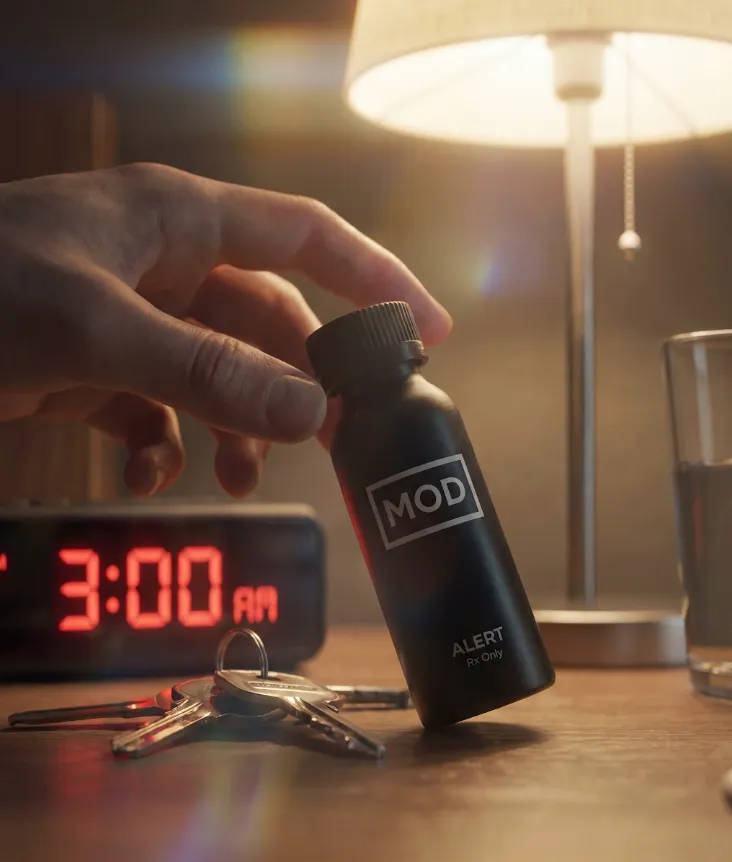
That approach works because it targets the mistakes that usually wreck nights: sleep debt, badly timed caffeine, risky post-shift decisions, and untreated circadian misalignment. If coffee and grit are not cutting it anymore, you are not imagining things. The NCBI fatigue review reports that medical errors occur 12.1% more often during night or rotating shifts, and the Cleveland Clinic SWSD guide notes that most shift workers sleep 1 to 4 hours fewer than people working daytime schedules.
Key Takeaways
- A night shift doctor is working against circadian biology, so daytime sleep is usually shorter and more fragmented.
- Shift work is common in healthcare, which is why doctors are a high-risk group for circadian disruption.
- Night work raises error risk, so fatigue planning is part of patient safety.
- The best alertness strategy for a night shift doctor is early bright light plus early caffeine, not repeated caffeine all night.
- The best recovery strategy after sign-out is a fast transition into a dark, cold, quiet sleep environment.
- If you have already tightened your sleep habits and still cannot stay alert on shift or sleep after sign-out, it is worth talking with a provider about SWSD and evidence-based treatment options like MOD Alert.
Before You Start a Run of Nights
Night shifts hit doctors harder because the job stacks circadian disruption, cognitive load, emotional stress, and patient-safety pressure on top of each other. In an ICU physician study, physicians performed worse after a night shift on working memory, speed of processing information, and perceptual reasoning tests.
How to Prepare for Nights
Doctors prepare best by reducing sleep debt before work, protecting a pre-shift nap, and deciding on caffeine and light timing early. If you wait until the middle of the night to start managing fatigue, you are already behind.
Use this sequence before each run of nights:
- Protect the day before your first shift, do not stack errands, workouts, and social plans onto the day you are supposed to start nights.
- Take a pre-shift nap when you can, a full-cycle nap usually beats a short nap that leaves you groggy.
- Eat a real meal before leaving home, starting underfed usually leads to junk food and badly timed caffeine later.
- Set your caffeine cutoff before the shift starts, do not improvise this late in the shift when judgment is already slipping.
- Plan light exposure early, bright light early in the shift helps alertness, while morning light after sign-out makes daytime sleep harder.
Before your first night, set up the basics: blackout curtains or a sleep mask, earplugs or white noise, and a clear message to the people you live with that daytime sleep is protected time.
How to Handle the Shift
A night shift doctor stays sharp by stacking bright light, early caffeine, movement, and deliberate sign-out habits before the overnight slump.
- Start the shift fed and hydrated, a real meal before work reduces the odds that you end up chasing energy with junk food and badly timed caffeine.
- Use bright light and caffeine early, front-load both so they help the shift without wrecking daytime sleep later.
- Take short reset breaks, use even short breaks to move, hydrate, and reset your eyes from screens.
- Slow down at sign-out, fatigue makes omissions more likely, so use a checklist and make handoff more explicit than feels natural.
If you cannot stay alert, cannot sleep after sign-out, or feel unsafe driving home, it is important to escalate instead of pretending the routine is working.
When to Sleep After Sign-Out
A night shift doctor should sleep soon after sign-out so light, errands, and stimulation do not steal recovery.
For most people, the best answer is simple: get home, keep the environment dark and quiet, and go to bed. If you are on dedicated night float, aim for a stable post-shift sleep window on every workday.
That wired-but-exhausted feeling is common because your body is trying to sleep at the exact time when circadian wake signals are rising. Cleveland Clinic notes that daytime sleep often becomes short and fragmented for that reason. To give yourself a better chance:
- Wear dark or blue-light-blocking glasses for the commute home if the sun is up.
- Keep your first post-shift meal small and easy to digest.
- Make the room cold, dark, and quiet before your run of nights begins, not after the first bad sleep.
- Keep your phone outside the room or at least out of reach.
One physician recovery study found that two nights of sleep appeared necessary for full recovery after a night call.
For the final night in a run, use a short recovery sleep, get daylight later in the day, and move bedtime earlier that night. If you are coming off a longer block of nights, expect recovery to take more than one sleep.
Tips for Better Sleep and Recovery
Night shift doctor nutrition works best when it supports alertness during the shift and sleep after it.
Use food and fluids with timing in mind:
- Eat your largest meal before the shift or early in the shift, not at sign-out.
- Keep overnight food light and protein-forward rather than greasy or heavy.
- Hydrate steadily instead of trying to catch up near the end of the shift.
- Stop caffeine based on planned sleep time, not the clock on the wall.
For many doctors, that last point is the big one. Back up from planned sleep and protect the final several hours before bed.
Melatonin may help some doctors fall asleep after a shift or during schedule transitions, and the Cleveland Clinic guide lists melatonin, naps, bright light therapy, and wakefulness-promoting medication among the tools clinicians may use.
Common Mistakes to Avoid
- Saving all your caffeine for a late shift, this can help you limp through the morning but make daytime sleep much harder.
- Treating the drive home like dead time, the commute is one of the highest-risk parts of a run of nights.
- Trying to power through repeated fatigue, if you are having near misses, microsleeps, or persistent insomnia, the routine is not good enough.
- Adding errands after sign-out, extra stimulation and delay usually cost you sleep.
When to Talk to Your Doctor About SWSD
If you have already tightened sleep timing, caffeine timing, and light exposure, it is important to talk with your healthcare provider when the same problems keep showing up. Near misses on the commute home, repeated insomnia after sign-out, and excessive sleepiness on shift are all reasons to stop guessing and get evaluated.
Night-Shift Fatigue and Shift Work Sleep Disorder
Night-shift fatigue becomes Shift Work Sleep Disorder when excessive sleepiness on duty and insomnia during planned sleep persist despite a real effort to manage schedule, sleep, light, and caffeine.
SWSD is a diagnosable circadian rhythm sleep-wake disorder, not shorthand for "I hate nights." Cleveland Clinic says it affects about 10% to 40% of people working nontraditional shifts. The condition becomes more likely when your symptoms are persistent, your sleep remains fragmented even in a controlled environment, and fatigue is affecting work, health, or commute safety.
The first step is evaluation, not self-diagnosis. A provider may review your schedule, sleep history, and symptoms, and may also think about other causes such as sleep apnea or medication effects. If basic sleep hygiene is not enough, evidence-based options go beyond lifestyle tweaks. Consult your healthcare provider before considering any wakefulness-promoting medication.
How MOD Alert via Telehealth Prescription Helps
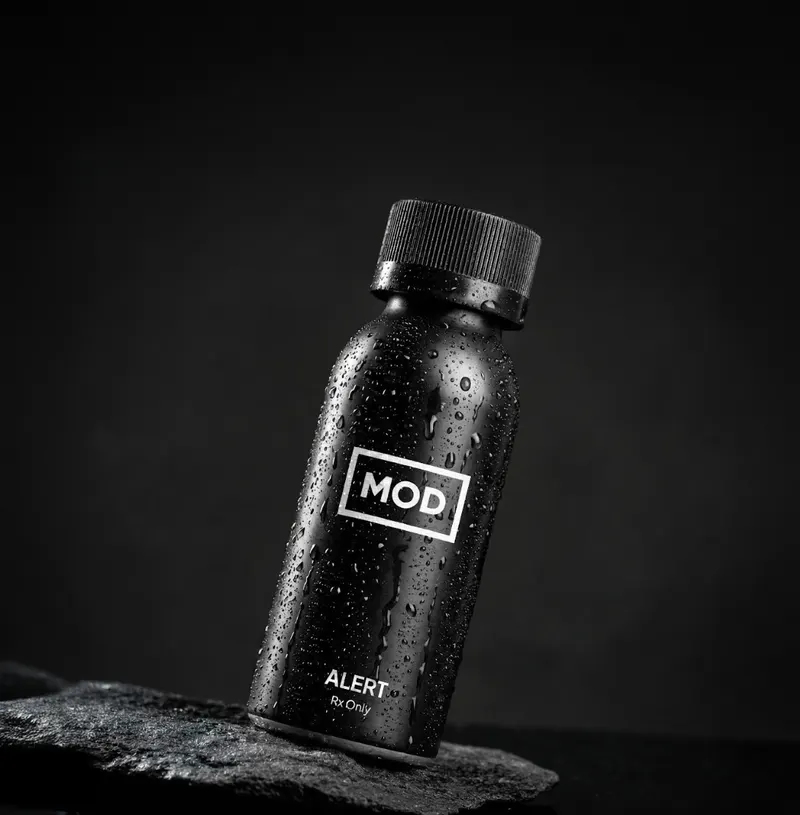
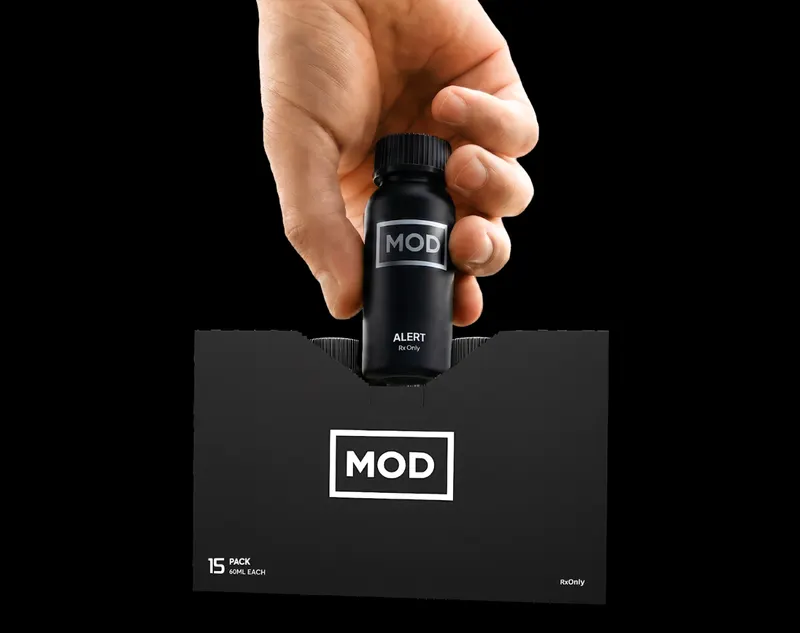
If you want a shift-worker-specific route, the telehealth prescription process starts with an online assessment, then a licensed provider reviews your information, and if appropriate, medication ships to your door. MOD Alert is a compounded prescription medication containing 150 mg modafinil plus 60 mg caffeine.
The main difference versus broader telehealth options is fit. MOD is built around shift-worker screening and delivery for people dealing with overnight alertness and SWSD-style fatigue. Modafinil, the active ingredient, is FDA-approved for SWSD, while MOD products are compounded medications and are not FDA-approved as finished products.
Pros
- Purpose-built for shift workers instead of being one condition inside a broad telehealth catalog.
- Keeps the prescription workflow simple: online assessment, provider review, then delivery if prescribed.
Best For
Doctors who have already cleaned up the basics, still struggle with persistent overnight sleepiness, and want a shift-worker-specific prescription workflow.
Final Verdict
There is no single best fix for every night shift doctor. The right choice depends on what is actually failing.
- If your main problem is inconsistent routine, bright light plus strategic caffeine is the best first step because it fixes timing errors without adding medication.
- If your main problem is being exhausted but unable to sleep after sign-out, melatonin may make more sense because it targets daytime sleep rather than overnight alertness.
- If your main problem is ongoing shift-work fatigue and you want a workflow built specifically for that use case, MOD Alert is the best shift-worker-specific telehealth option in this guide because it is built around overnight work and provider review.
Frequently Asked Questions
How do doctors survive night shifts?
Doctors survive night shifts best by protecting sleep before and after work, then using caffeine, light, and timing deliberately on each shift. The most reliable system is a pre-shift nap, bright light and caffeine early in the shift, a hard caffeine cutoff before dawn, and a fast transition into protected daytime sleep after sign-out.
What can you do to stay alert during a night shift?
Stay alert during a night shift by front-loading bright light, caffeine, food, and movement before the deepest circadian dip arrives. Repeated caffeine late in the shift usually backfires because it makes post-shift sleep shorter and more fragmented.
Why do you feel wired after a night shift?
You feel wired after a night shift because circadian wake signals are rising just when you are trying to sleep. Morning light, late caffeine, and screen time can all make it worse. The fix is usually to shorten the gap between sign-out and bed, cut light on the commute home, and protect a cold, dark room.
Is it normal to feel unsafe driving home after a call?
Feeling unsafe driving home after a call is common, but it signals that your fatigue plan is failing and your commute needs backup. If the drive home regularly feels like the most dangerous part of your week, your fatigue plan is not working well enough.
How long does recovery take after night shifts?
Recovery after night shifts often takes more than one daytime sleep, especially after several nights in a row or overnight call. A physician field study found that recovery after a night call often extends beyond the first sleep, so it is smart to protect the next couple of days after a hard run.
This article is provided for informational purposes only and does not constitute medical advice. The information presented is not a substitute for professional medical advice, diagnosis, or treatment. Always consult your healthcare provider to discuss the risks, benefits, and appropriateness of any treatment.
MOD offers access to healthcare providers who may prescribe compounded medications for the treatment of excessive daytime sleepiness associated with shift work sleep disorder (SWSD), when clinically appropriate.
The featured products include compounded medications that have not been approved by the FDA. Compounded medications may be prescribed under federal law but are not the same as, nor are they generic versions of, any FDA-approved medication. The FDA does not review compounded medications for safety, effectiveness, or manufacturing quality of compounded products. A prescription will only be written if deemed appropriate after the digital consultation by the licensed medical provider. Individual results may vary.
MOD is not a compounding pharmacy but a telemedicine service that links patients to licensed medical providers.