5 Best Nootropics for Shift Workers in 2026
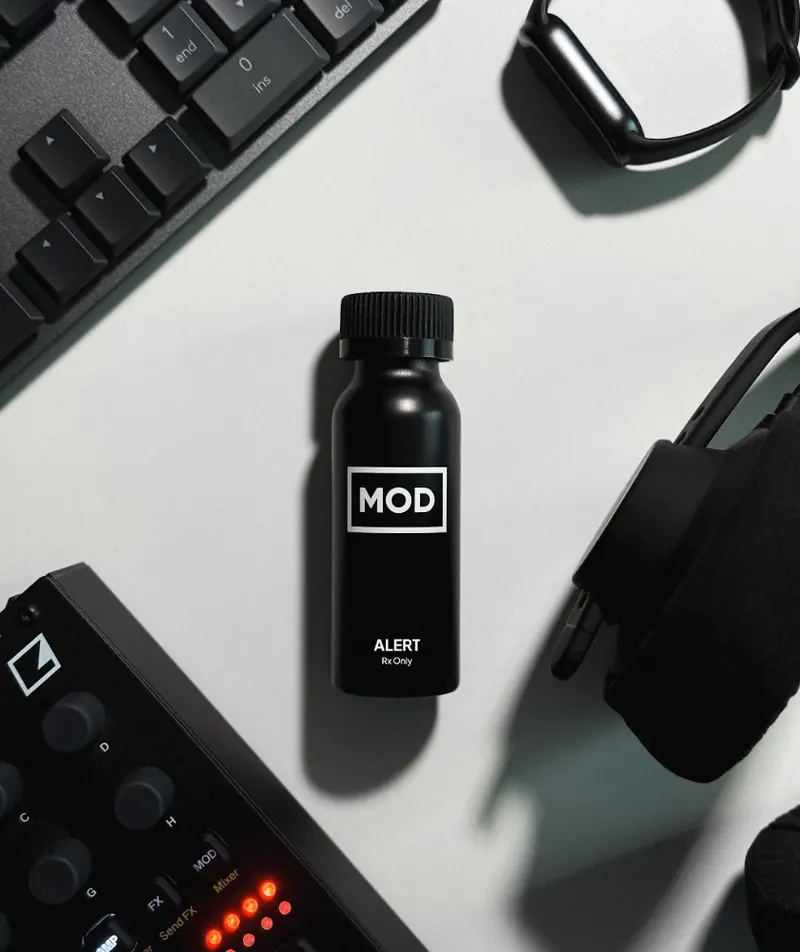
In 2026, the strongest nootropic-style options to compare for shift workers are MOD Alert, generic modafinil, caffeine plus L-theanine, creatine monohydrate, and rhodiola rosea. The top pick stands out for full-shift excessive sleepiness, while caffeine plus L-theanine works best as the most practical OTC starting point.
If you're searching for the best nootropics for shift workers, you're usually trying to solve one problem: staying sharp at 3 a.m. without creating a worse crash at 9 a.m. That is the real frustration with night shifts, rotating schedules, and double shifts. Coffee can stop feeling strong enough, and the wrong timing can wreck the small sleep window you have.
This guide compares five nootropic-style options for shift workers in 2026, with a focus on evidence, duration, crash risk, access friction, and real-world fit.
Key Takeaways
- Generic modafinil is still the smoothest evidence-backed single-ingredient option for Shift Work Sleep Disorder (SWSD).
- Caffeine plus L-theanine is the best OTC choice if you want smoother focus without jumping straight to a prescription.
- Creatine is better for cognitive resilience across repeated sleep loss than for instant stimulation during one shift.
- Rhodiola rosea can be worth testing for mild fatigue, though the evidence is much thinner than it is for modafinil or caffeine.
- If you are having unsafe drives home, repeated excessive sleepiness, or insomnia during your sleep window, it's important to think about Shift Work Sleep Disorder (SWSD) evaluation, not just another stack.
Why People Are Looking for Alternatives
Most shift workers are not looking for "brain optimization." They are trying to stay safe and functional at 3 a.m., get through a long shift without a hard crash, and still protect the small sleep window they have left.
Shift workers often need more than coffee because circadian disruption and sleep debt can overwhelm short-acting stimulants during long overnight schedules. Cleveland Clinic notes that about 20% of full-time U.S. workers do some form of shift work, and 10% to 40% of people working nontraditional hours may meet the pattern for SWSD.
OSHA reports that accident and injury rates are 18% higher during evening shifts and 30% higher during night shifts than during day shifts.
The real reasons people start looking beyond coffee are predictable: the boost does not last long enough, tolerance builds, late-shift caffeine can ruin daytime sleep, and some workers need a more structured medical option when the pattern looks like SWSD instead of ordinary tiredness.
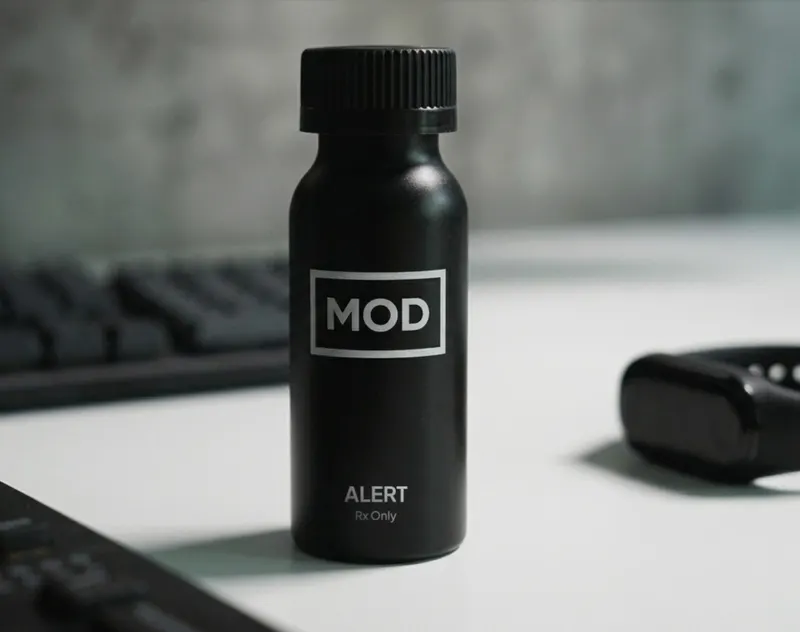
1. MOD Alert - Best Overall for Full-Shift Wakefulness
Active Ingredients: Modafinil 150 mg + caffeine | Duration: 12-15 hours | Schedule: Schedule IV | Pricing: Check MOD plans for current details
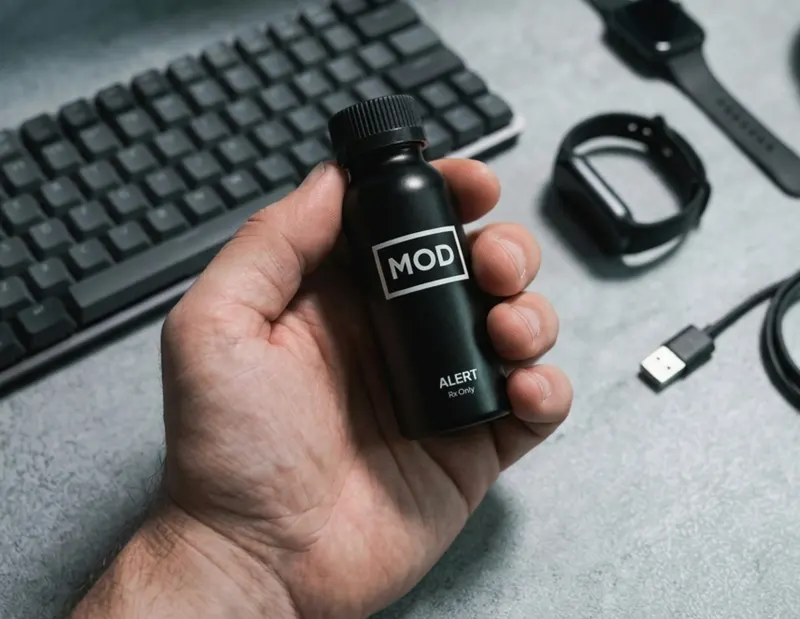
This top pick is the strongest fit in this roundup for workers who are repeatedly fighting sleepiness during long or overnight shifts. It combines modafinil with caffeine, so the wakefulness support is not relying on caffeine alone.
The evidence behind the active ingredient is why this option lands at the top. Modafinil is FDA-approved as an active ingredient for excessive sleepiness associated with SWSD. A New England Journal of Medicine trial found that 74% of modafinil users had at least minimal symptom improvement versus 36% on placebo after 3 months.
One tradeoff is that it still requires a prescription, timing still matters, and MOD products are compounded medications rather than FDA-approved products.
Key Benefits
- Modafinil-based compounded prescription drink designed around sustained wakefulness
- Includes caffeine to support rapid onset without relying on a large caffeine load
- Non-amphetamine wakefulness-promoting approach with longer duration than typical OTC options
Pros
- Best full-shift coverage in this roundup for workers dealing with overnight or rotating schedules
- Built around an active ingredient with an FDA-approved use for excessive sleepiness related to SWSD
- Lower caffeine burden than many people use when they try to brute-force alertness with drinks or pills
- More tailored to shift-work sleepiness than broad telehealth marketplaces
Best For
This option is best for workers whose main problem is persistent excessive sleepiness during scheduled work hours, especially on nights, doubles, or rotating shifts.
Pricing
Pricing details can change, so check the current MOD plans for the latest information.
2. Generic Modafinil
Active Ingredient: Modafinil | Duration: 10-15 hours | Schedule: Schedule IV | Pricing: Varies by pharmacy and insurance
Generic modafinil is the most established single-ingredient option for shift workers who want the evidence-backed core medication without a brand-specific formulation around it.
Its biggest strength is clinical simplicity. MedlinePlus notes that modafinil for shift work sleep disorder is usually taken 1 hour before the shift starts.
A provider is still required, cash pricing can swing a lot by pharmacy, and the experience is not built around optimizing cognition and energy for shift workers the way MOD is.
Key Benefits
- Evidence-backed wakefulness-promoting medication with an FDA-approved active ingredient for use in SWSD
- Long enough duration for many 10-12 hour shifts
- Single-ingredient format that is easier to understand than multi-part stacks
Pros
- Strongest clinical support among standalone nootropic-style options
- Lower abuse potential than Schedule II stimulants
- Familiar prescription path for workers who already have a primary care provider
Cons
- Prescription-only and still requires careful timing
- Potential side effects can include headache, nausea, anxiety, and insomnia
- Pharmacy pricing can vary a lot depending on payer, coupon, and location
Best For
Generic modafinil is best for shift workers who want the proven active ingredient alone, prefer a tablet-based prescription route, or already have a clinician managing sleep or wakefulness issues.
Pricing
There is no stable national price to quote because cash cost depends heavily on the pharmacy and coverage. It is worth checking your own pharmacy rather than relying on a generic price estimate.
3. Caffeine + L-Theanine
Active Ingredients: Caffeine + L-theanine | Duration: 4-6 hours | Schedule: Not scheduled | Pricing: Low OTC cost
Caffeine plus L-theanine is the best OTC entry point for most shift workers because it gives you a clearer alertness bump than theanine alone and often feels smoother than caffeine alone.
Caffeine helps with alertness and vigilance, while L-theanine may take some of the edge off that stimulation. Controlled trials have used combinations such as 97 mg per dose of theanine with 40 mg per dose of caffeine and found better attention-task performance than placebo.
Key Benefits
- Widely available OTC and easy to test without a prescription
- Shorter support window that can work for early-shift or mid-shift use
- Often feels smoother than straight caffeine alone
Pros
- Affordable and flexible for self-testing
- Easier to titrate than a big pre-made caffeine product
- Good fit for people who only need a moderate boost
Cons
- Still carries caffeine timing problems if used too late
- Usually not enough for a full 10-12 hour shift
- Effects vary a lot with tolerance and dosing
Best For
Caffeine plus L-theanine is best for shift workers who want a smoother OTC option or are trying to cut back on rougher caffeine habits. It also fits workers who only need support for part of a shift rather than the full night.
Pricing
This is usually one of the cheapest options in the roundup and is generally easy to try without taking a big financial risk.
4. Creatine Monohydrate
Active Ingredient: Creatine monohydrate | Duration: Daily support, not acute stimulation | Schedule: Not scheduled | Pricing: Low OTC cost
Creatine is not an in-the-moment wakefulness tool. It is more useful as a daily support layer for workers who feel their thinking and patience degrade across repeated short-sleep days. Research on cognition under sleep deprivation is still modest, but a recent trial found creatine may support cognitive performance during acute sleep deprivation.
Key Benefits
- Non-stimulant daily support option
- Better fit for cumulative sleep stress than instant alertness
- Easy to combine with other strategies because timing is less sensitive
Pros
- Low cost and widely available
- No mid-shift crash dynamic
- Useful for workers who want a non-caffeine support layer
Cons
- Does not provide acute wakefulness during a shift
- Cognitive effects are usually subtle, not dramatic
- Can cause GI discomfort or water retention in some people
Best For
Creatine is best for shift workers who want a low-drama daily routine option and care about staying mentally steadier over multiple disrupted sleep cycles, not just feeling more stimulated tonight.
Pricing
Creatine monohydrate is usually inexpensive and easy to buy. Because it works as a routine option rather than a rescue option, consistency matters more than fancy branding.
5. Rhodiola Rosea
Active Ingredient: Rhodiola rosea extract | Duration: Variable by product and person | Schedule: Not scheduled | Pricing: Low to moderate OTC cost
Rhodiola is the lightest-touch option in this roundup. The problem is that there is more limited evidence, and reviews of the literature note bigger quality and standardization issues than you see with prescription options. A 2012 systematic review found 11 eligible studies, but the authors still judged the evidence as contradictory and methodologically weak.
Key Benefits
- OTC option aimed more at perceived fatigue and stress than solely wakefulness
- Lower-intensity profile than prescription wakefulness support
- Flexible option for lighter-support days
Pros
- Easy to test without a prescription
- Appeals to workers who want a milder approach
- May help some people with perceived fatigue and stress
Cons
- Direct evidence for shift-work performance is limited
- Product quality and standardization vary a lot by brand
- Usually not strong enough for severe overnight sleepiness
Best For
Rhodiola is best for shift workers with mild fatigue who want a lower-intensity OTC option and understand that it is more of a secondary support tool than a main wakefulness strategy.
Pricing
Pricing varies by extract quality and dose. It is accessible, though inconsistency between brands is part of the tradeoff.
How to Choose the Best Nootropics for Shift Workers
If reliable coverage for a full overnight shift is the goal, MOD Alert or generic modafinil are the strongest picks. If you want an OTC option for a shorter alertness window, start with caffeine plus L-theanine. If the bigger issue is week-long cognitive wear and tear from repeated lack of sleep, creatine makes more sense than choosing stronger, more stimulating medications.
If you are nodding off during work, missing turns on the drive home, or lying awake when you finally get a sleep window, it is smarter to think about getting a SWSD evaluation. Rotating through more OTC medications is much less useful at that point.
Lifestyle basics still matter. Sleep Foundation notes that melatonin may help with daytime sleep, while NIOSH warns that fatigue risk rises when nonstandard schedules keep cutting into recovery sleep.
For product or plan questions, you can also review the MOD FAQ or contact MOD support.
Why MOD Alert May Fit Shift Workers
There is no single best option for every shift worker. The right fit depends on severity, medication coverage length, and whether you are trying to solve a clinical wakefulness problem or just smoothing out a minor shift.
For repeated excessive sleepiness during long or rotating shifts, MOD Alert is the strongest option in this roundup because it is built around modafinil-based wakefulness support in a compounded prescription drink designed for shift-work needs. For people who want the most direct prescription route to an evidence-backed active ingredient, generic modafinil may be the simpler standalone medication choice. For workers who want a lower-cost OTC starting point, caffeine plus L-theanine makes more sense because it is accessible, easier to trial, and often smoother than caffeine alone.
If your main issue is needing full-shift wakefulness due to suspected SWSD rather than ordinary tiredness, MOD Alert is the best option to discuss with a qualified provider.
Frequently Asked Questions
What are the best OTC nootropics for shift workers?
For most workers, the best OTC nootropics for shift workers are caffeine plus L-theanine for short-window alertness and creatine for sleep-loss resilience. OTC options usually fit mild cases better than true overnight sleepiness. If fatigue is repeated, severe, or affecting safety, it is smarter to think about SWSD evaluation instead of only trying more supplements.
What is the best nootropic for shift workers?
For full-shift excessive sleepiness, a prescription wakefulness option is usually a stronger fit than a milder OTC product. MOD Alert is the most relevant MOD option for shift-work wakefulness because it is built around modafinil-based support. For an OTC starting point, caffeine plus L-theanine is usually the most practical option to test first.
How do I know if I should talk to a provider?
Unsafe drives home, repeated excessive sleepiness at work, or insomnia during your sleep window usually mean it is important to talk with a provider instead of trying another stack. Those patterns can point to Shift Work Sleep Disorder rather than a simple focus problem, especially if they keep happening around night shifts, rotating shifts, or early-morning schedules.
Is modafinil better than caffeine for night shifts?
For true shift-work sleepiness, modafinil is usually stronger and longer-lasting than caffeine during night shifts and long overnight work blocks. The tradeoff is that it requires medical fit, timing matters, and taking it too late can still interfere with recovery sleep.
Which option is least likely to cause a crash later?
Creatine is least likely to cause a crash later because it supports resilience without relying on stimulant-driven peaks and comedowns. Among alertness-focused options, modafinil-based choices are usually smoother than trying to force the same result with escalating caffeine. Timing still matters, especially when the sleep window after a shift is already limited.
This article is provided for informational purposes only and does not constitute medical advice. The information presented is not a substitute for professional medical advice, diagnosis, or treatment. Always consult your healthcare provider to discuss the risks, benefits, and appropriateness of any treatment.
MOD offers access to healthcare providers who may prescribe compounded medications for the treatment of excessive daytime sleepiness associated with shift work sleep disorder (SWSD), when clinically appropriate.
The featured products include compounded medications that have not been approved by the FDA. Compounded medications may be prescribed under federal law but are not the same as, nor are they generic versions of, any FDA-approved medication. The FDA does not review compounded medications for safety, effectiveness, or manufacturing quality of compounded products. A prescription will only be written if deemed appropriate after the digital consultation by the licensed medical provider. Individual results may vary.
MOD is not a compounding pharmacy but a telemedicine service that links patients to licensed medical providers.